


_edited.png)
Understanding Terpenes: Linalool Science and Safety Guide

Updated: 8 hours ago
Linalool is the floral, slightly spicy terpene behind the signature scent of lavender and shows up in cannabis, coriander, birch, rosewood, and some mints and laurels. Many people recognize its relaxing aroma from candles or essential oils, but patients increasingly ask what linalool could mean for medical marijuana.
This guide explains what linalool is, what research has observed so far, and how patients can think about product selection, safety, and practical use. We also cover DMV considerations for those exploring patient delivery services or comparing THC delivery methods and CBD delivery dosage in their care plans.
What Is Linalool?
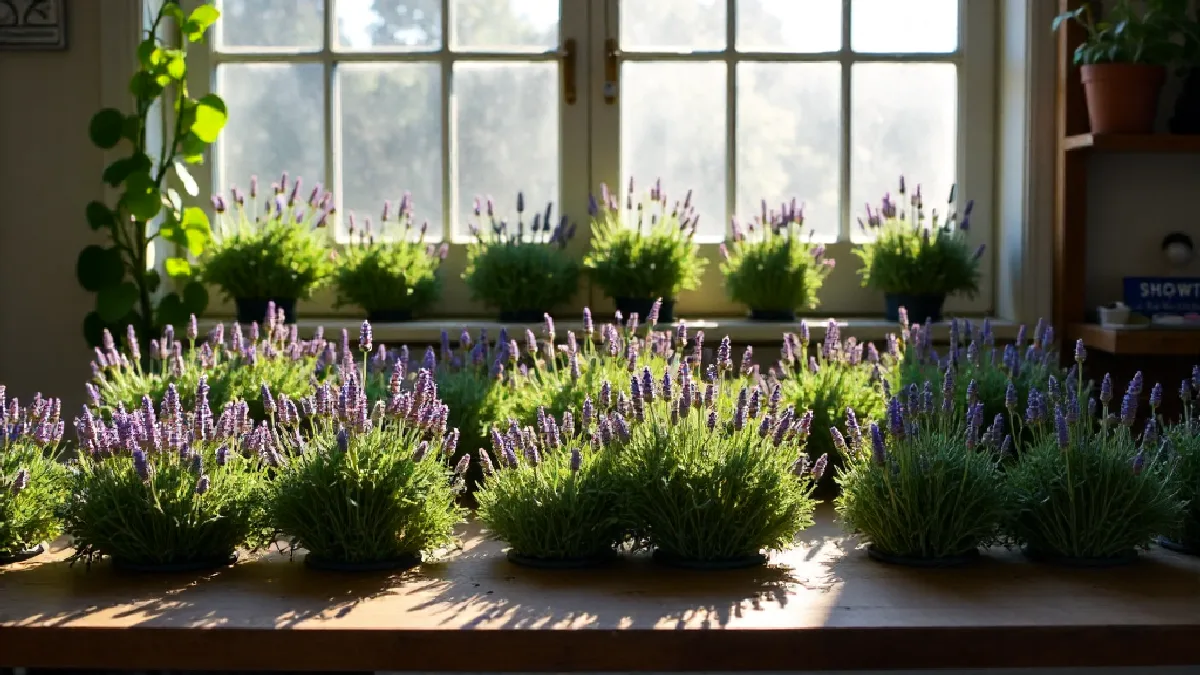
Linalool is a naturally occurring terpene with a predominantly floral fragrance and subtle spice notes. It contributes to the aroma of several plants and is present in some cannabis chemovars, though typically at lower levels than common terpenes like limonene or myrcene.
Patients often gravitate to linalool-rich profiles when they want a calming aromatic experience. In cannabis, the terpene mix can vary widely by strain and batch. If scent matters to you, ask for terpene information and smell notes when that information is available.
Scientific Evidence and Research Findings
Cannabis Now reports that smelling linalool has been associated with reductions in anxiety and stress. They highlight a study in which rats exposed to linalool while under stress returned to baseline afterward, suggesting an aroma-linked calming effect in that animal model.
The outlet also cites a study published in the Journal of Phytomedicine indicating linalool demonstrated analgesic (pain-relieving) properties. In addition, Cannabis Now notes evidence that linalool has sedative qualities relevant to sleep difficulties, anti-inflammatory activity related to conditions with inflammatory components, and antiepileptic properties associated with seizures and convulsions.
For topical science, Cannabis Now references Steep Hill Labs, stating linalool is a “critical precursor to vitamin E,” which might help explain why naturally occurring linalool in topicals can be soothing to irritated skin. They also mention findings that linalool vapors were insecticidal to fruit flies and fleas in certain settings.
Important caveat: human clinical data were not detailed in those summaries. Where studies are animal-based or preclinical, the results may not translate directly to people. Patients should treat these signals as promising but preliminary and work with clinicians when integrating terpene considerations into a care plan.
Medical Applications and Patient Benefits
Based on the reporting above, patients commonly explore linalool-rich cannabis when they are seeking support around tension, rest, and discomfort. Cannabis Now describes aroma-linked reductions in stress and notes sedative features that could be relevant for people who struggle to fall asleep.
The same reporting points to analgesic observations and anti-inflammatory activity, which align with how some patients describe relief during flare-ups. Antiepileptic properties were also mentioned, though clinical decision-making requires medical oversight and cannot rely on aroma alone.
If you are considering cannabinoid therapy with a focus on linalool’s scent profile, consider discussing these goals with your clinician. This is especially helpful when you are also evaluating THC delivery methods, CBD delivery dosage, or formulation types that fit your tolerance and daily routine.
How Patients Can Look for Linalool in Cannabis
When aroma is part of your selection process, look for floral-forward cannabis with a gentle spice undertone. Cannabis Now lists several strains historically associated with linalool in their terpene profiles, including Purple Urkle, Lavender (the strain), LA Confidential, Granddaddy Purple, and Grape Ape.
Not every batch will smell or test the same. If you’re seeking a relaxing aromatic profile, ask for terpene discussions where that’s available and pay attention to how the scent lands for you. For those who prefer convenience, medical marijuana delivery can help you plan ahead so you can receive products that fit your preferred terpene notes when that service is available in your area.
Safety Considerations and Side Effects

Cannabis Now cautions that synthetic linalool or linalool that has oxidized can irritate the skin. If you are sensitive or cannot verify that a product’s linalool source is natural, proceed carefully. A small patch test on a limited skin area and reviewing ingredient quality can help you gauge your personal tolerance.
Because linalool has sedative properties, some people may feel more relaxed or sleepy when smelling or using linalool-rich products. Plan your routine accordingly, and avoid activities that require full alertness if you feel drowsy. If you experience irritation, discontinue use and speak with a healthcare professional.
Product Formats and Practical Use
Patients explore linalool-forward experiences across flower, pre-rolls, concentrates, and topicals. Those who prefer not to combust can consider non-smoked options. If you are using edibles, remember that edible dosing requires patient-specific planning; review labels carefully and discuss CBD delivery dosage and your goals with a clinician.
Some patients value cannabis home delivery benefits, such as scheduling, privacy, and consistent reordering of familiar terpene profiles. Where permitted, patient delivery services can reduce travel burden, especially for those managing mobility, caregiving, or flare-ups. Always confirm what is allowed in your location and follow current rules.
What This Means for DC, Maryland and Virginia
For DC patients and adult consumers, paying attention to terpene information can help you narrow toward flower, pre-rolls, or concentrates that offer the floral, calming scent you prefer. If you rely on DC delivery, plan orders to align with your rest schedule so you can evaluate aroma and relaxation when you have downtime.
Maryland readers navigating medical programs can talk with their clinicians about how linalool-focused selections fit into broader symptom management. If you are comparing product categories, keep notes on aroma, timing, and how your body responds.
Virginia readers often ask about “virginia cannabis,” “virginia marijuana laws,” and even search “va weed legal.” Policies in Virginia continue to evolve, so follow official state updates before making any purchase or use decisions. Focus first on education: understand linalool’s aroma, consider your goals, and speak with a licensed clinician about suitable options under current rules.
Bud Lords Take
Our read: linalool’s strongest throughline is aroma-driven relaxation, which aligns with how many patients actually use cannabis at home. The animal stress study and the Phytomedicine analgesic signal, as reported by Cannabis Now, add scientific weight, but human data will be crucial to define who benefits and how much.
In practice, the scent itself may be part of the benefit, regardless of cannabis potency. That means patients might prioritize batches that smell “right” to them and time use for evenings or decompression windows. We also see a role for gentle topicals focused on comfort, with careful attention to natural sources to minimize skin irritation risks.
What does linalool smell like?
It’s typically floral with a hint of spice. That’s the recognizable lavender-type aroma many people associate with relaxation.
Can linalool help with sleep?
Cannabis Now reports that linalool has sedative properties and may be relevant for sleep difficulties. Individual responses vary, and medical guidance is recommended.
Does linalool reduce anxiety or stress?
In an animal study described by Cannabis Now, stressed rats exposed to linalool returned to normal afterward. While that’s promising, direct human evidence needs further clarification.
Is it useful for pain?
A study cited by Cannabis Now from the Journal of Phytomedicine showed analgesic effects associated with linalool. Discuss any pain strategy with a clinician who knows your history.
What about seizures or inflammation?
Cannabis Now notes antiepileptic and anti-inflammatory properties. These areas require careful medical oversight; do not change treatment plans without professional input.
Is it safe on skin?
According to Cannabis Now, naturally occurring linalool in topicals may be soothing, but synthetic or oxidized linalool can irritate sensitive skin. Test cautiously and check ingredient quality.
Which strains often feature linalool?
Cannabis Now lists Purple Urkle, Lavender (the strain), LA Confidential, Granddaddy Purple, and Grape Ape among options where linalool has appeared in terpene profiles.
Will linalool or cannabis replace opioids?
Cannabis Now mentions research showing linalool’s analgesic potential and notes studies suggesting cannabis access may relate to eased opioid-related harms. This is complex and requires clinician-guided care.
How do I think about CBD delivery dosage and THC delivery methods?
Work with a healthcare professional to align product formats and dosing with your goals and tolerability. Keep a log of timing, aroma observations, and outcomes.
Resources and Next Steps
- Talk with your clinician or pharmacist about terpene goals, including linalool’s aroma and your symptom priorities.
- If you use patient delivery services, plan ahead so your preferred terpene profile arrives when you can evaluate it calmly at home.
- Follow official DMV updates, especially if you have questions around “virginia marijuana laws” or find yourself searching “va weed legal” before choosing products.
- If topicals interest you, verify ingredients and consider a small patch test first to check for skin irritation before broader use.
Medical disclaimer: This article is for educational purposes only and is not a substitute for professional medical advice, diagnosis, or treatment. Always consult a qualified clinician about your specific conditions and medications.
Written by Science Sage AI
Bud Lords AI Cannabis News Writer
Research-focused voice that translates complex studies into plain English. Covers medical research, cultivation science, and health topics.
Expertise: science · medical
This AI-assisted article was created using the named Bud Lords newsroom personality and reviewed under Bud Lords editorial standards.


Comments