


Senate Panel Emphasizes Cannabis as Opioid Alternative, Psychedelics

Fast Facts
Who / Where: U.S. Senate Appropriations Committee, Department of Veterans Affairs (VA), and Food and Drug Administration (FDA).
What changed: Attached committee reports to annual funding bills push for a federal evaluation of medical marijuana as a non-opioid alternative for chronic pain and promote clinical research into novel psychedelics.
Effective / Key date: Fiscal Year 2027 funding legislation; agency briefings requested within 90 to 270 days post-enactment.
Status: The legislation has been posted by the Senate Appropriations Committee and awaits formal committee votes.
DMV impact: Influences clinical trial opportunities, veteran care access, and regulation of hemp products across DC, Maryland, and Virginia.
The bottom line: The Senate Appropriations Committee's latest funding directives urge federal agencies to investigate medical marijuana as an alternative to opioids for veterans, expand psychedelic clinical research, and regulate unapproved cannabinoid food additives in consumer markets.
Recent recommendations from federal lawmakers shine a spotlight on botanical cannabinoids as vital elements in addressing chronic pain and combating opioid misuse. According to Marijuana Moment, the Senate Appropriations Committee unveiled report language attached to the Fiscal Year 2027 spending bills, instructing the VA and FDA to prioritize scientific investigations into state-level medical marijuana programs, botanical therapies, and psychedelic compounds.
This legislative package navigates multiple dimensions of modern plant medicine and cannabinoid policy. Along with initiatives for clinical pain trials and psychedelic-assisted veteran care, clear guidelines addressing consumer food products have been established, raising concerns about unapproved cannabinoid food additives. For residents of Washington DC, Maryland, and Virginia, this marks a significant shift towards evidence-based integration of botanical medicine within federal healthcare systems.
Can Federal Agencies Research Medical Cannabis as an Opioid Alternative?

Senate appropriators have explicitly encouraged federal agencies to assess medical cannabis as a viable clinical alternative to traditional opioids. The committee report associated with the Military Construction, Veterans Affairs, and Related Agencies spending bill recommends that the VA conduct thorough research examining whether access to state-sanctioned medical marijuana correlates with measurable reductions in opioid use among veterans with service-related injuries.
Growing congressional interest points toward leveraging botanical cannabinoid-based therapies for chronic pain treatment without the risks of habit-forming pharmaceuticals. The committee cited advanced late-stage clinical trials in Europe evaluating botanical cannabis formulations for formal medical approvals. To align U.S. regulatory pathways with the pace of international scientific progress, the Senate panel has directed the FDA to assess scientific gaps impeding the evaluation of botanical drugs and report within 270 days on integrating patient-reported outcomes and non-opioid pain clinical data into federal guidelines.
Scientific Evidence and Research Findings
The clinical landscape for cannabinoid and psychedelic research continues to evolve through both academic and government studies. Regional research centers, particularly in Maryland, are analyzing how phytocannabinoids engage human physiological systems to alter pain signals and stress responses. Understanding the therapeutic window of major compounds, such as delta-9-tetrahydrocannabinol (THC) and cannabidiol (CBD), supports scientists in establishing accurate administration parameters for targeted patient protocols.
For instance, research from the University of Maryland School of Medicine has primarily focused on neurochemical signaling, inflammation markers, and cannabinoids’ effectiveness in managing neuropathic disorders. Federal appropriators are now seeking structured longitudinal studies to track patient outcomes over five years, aiming to assess comprehensive safety profiles, addiction risks, and quality-of-life adjustments for patients transitioning from conventional pain therapies to controlled cannabinoid solutions.
Provision / Subject | Federal Agency Involved | Directed Action / Key Directive | Report Deadline / Timeline |
|---|---|---|---|
Medical Marijuana Opioid Study | Department of Veterans Affairs (VA) | Assess correlation between state medical cannabis access and opioid reduction in veterans | Ongoing legislative directive |
Psychedelic Care Readiness | VA / Integrated Project Team | Develop plans for implementation, training, and tracking clinical trials | Brief Congress within 180 days |
Botanical Pain Therapies | Food and Drug Administration (FDA) | Identify regulatory gaps hindering evaluation of botanical cannabinoid analgesics | Report due within 270 days |
Cannabinoid Food Additives | FDA / State Partners | Develop an enforcement strategy against unauthorized food additives | Report due within 90 days |
Hemp Germplasm & Genetics | USDA Agricultural Research Service | Maintain a national germplasm repository and advance cultivar genomics research | Maintains FY 2026 funding baseline |
Medical Applications and Patient Benefits
The therapeutic principles underlying cannabinoid medicine focus on modulating the endocannabinoid system (ECS), a critical regulator of pain perception, immune response, and emotional regulation. Patients utilizing medical cannabis under clinical supervision experience phytocannabinoids binding to CB1 and CB2 receptors in the central nervous system and peripheral tissues. This interaction can diminish nociceptive signaling, reduce systemic inflammation, and lower the dependency on high-dose opioid analgesics that carry significant risks of respiratory issues and physical dependence.
For those exploring therapeutic options, understanding controlled delivery methods is vital. Patients typically select from varied application methods based on specific symptom patterns:
Inhalation Therapies: Vaporizing flower or concentrates delivers rapid relief for acute pain, allowing patients quick dose adjustments.
Sublingual Tinctures: Forms absorbed under the tongue provide a balance between speed and steady absorption, ideal for daytime management.
Ingestible Formulations: Oral preparations offer prolonged effects, suited for nighttime administration and sustained pain management.
Topical Applications: Targeted salves interact with localized CB2 receptors in the skin, delivering localized relief without central nervous system effects.
Recognizing precise CBD and THC delivery dosages empowers healthcare providers and patients alike to develop tailored regimens. With the growth of patient delivery services and legal access, structured clinical education ensures consumers can navigate product choices for optimal medical outcomes.
Safety Considerations and Side Effects
While the promise of botanical cannabinoids and innovative therapeutics is compelling, clinical care must involve careful assessments of safety and drug interactions. Cannabinoids undergo liver metabolism through cytochrome P450 enzyme pathways—most notably CYP3A4 and CYP2C9. Consequently, concurrent use of medical cannabis alongside standard medications, including blood thinners and sedatives, mandates close medical supervision to prevent altered serum drug levels.
Common short-term side effects linked to high THC intake include dry mouth, altered spatial perception, increased heart rate, and temporary memory impairments. Excessive doses may provoke anxiety or dysphoria in sensitive individuals. In contrast, pure CBD is generally tolerated but can cause mild gastrointestinal discomfort at elevated daily doses. Responsible clinical management advocates for starting with low cannabinoid concentrations and gradually increasing under professional guidance.
How Will Senate Directives Impact Maryland Cannabis Research and Local Veterans?
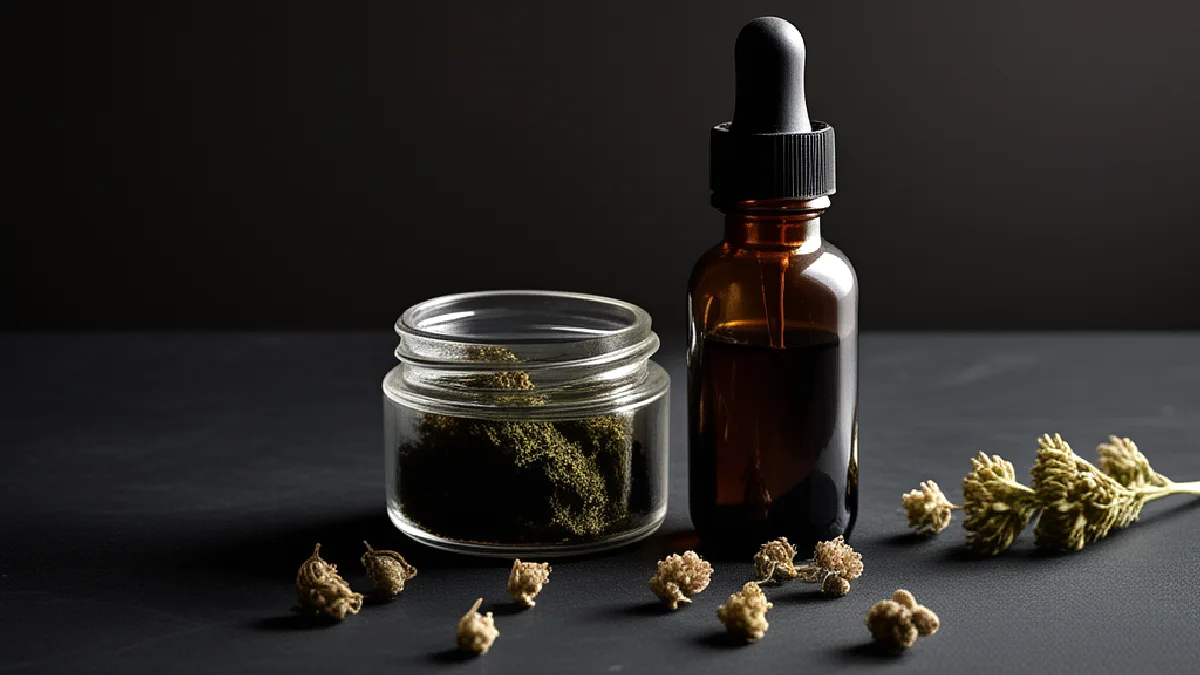
Senate directives are set to influence Maryland cannabis research by fostering collaboration among state-licensed research facilities, academic medical institutions, and federal research entities. With Maryland hosting significant federal health institutions and premier academic centers, congressional support for cannabinoid and psychedelic research will likely facilitate local clinical trials, veteran health initiatives, and regional biopharmaceutical partnerships.
Veterans residing in the National Capital Region will benefit from clearer clinical paths as the VA adapts its system to incorporate innovative therapies. The Senate Appropriations Committee has mandated that the VA Secretary informs Congress within 180 days about strategies for integrating FDA-approved psychedelic treatments into standard veteran care. Additionally, the VA has been directed to monitor voluntary data on veterans seeking specialized treatments abroad, ensuring federal healthcare strategies align with real-world patient behavior.
Understanding Federal Hemp Directives and Food Additive Warnings
In parallel with veteran care, the Senate report delineates instructions regarding agricultural hemp developments and consumer safety within food markets. The agriculture spending bill enforces essential protections under Section 737, prohibiting federal interference in state-sanctioned hemp production and interstate transport. It allocates $12,996,000 for the USDA Hemp Production Program and instructs the Agricultural Research Service (ARS) to enhance genetic research in partnership with historically Black colleges and universities.
However, lawmakers expressed significant concern over the commercialization of unapproved cannabinoid food products. They noted that no cannabinoid currently holds federal approval as a food additive and referenced over 110 warning letters issued by the FDA since 2018. Appropriators have called for the FDA to deliver a coordinated enforcement plan within 90 days to address unauthorized cannabinoid food items in interstate commerce, emphasizing that clear, science-based safety standards are essential to protect public health.
What This Means for DC, Maryland, and Virginia
The legislative changes emerging from Capitol Hill hold significant operational and regulatory consequences for consumers, medical patients, and industry players throughout the DMV region:
Maryland Patients & Operators: As Maryland’s adult-use and medical markets mature, the expanded federal research frameworks may facilitate clearer institutional partnerships for local dispensaries and researchers, while registered patients gain solid scientific backing for discussions about non-opioid pain management with their physicians.
Virginia Consumers: Despite Virginia’s legal frameworks permitting possession and gifting of cannabis, federal clarity on hemp standards and alternative research supports state efforts to solidify safety protocols for hemp-derived products and clinical access.
Washington DC Community: With its status as a center for veteran advocacy, DC's residents will benefit from enhanced clinical readiness plans within the VA. Furthermore, local medical programs catering to registered patients will gain legitimacy as federal findings affirm the clinical significance of botanical pain management.
Bud Lords Take: Why Federal Guidance Matters for the DMV
Our perspective: The Senate Appropriations Committee's report embodies a pragmatic acknowledgment of the direction medical science is progressing. For years, patients, military veterans, and healthcare providers in Washington DC, Maryland, and Virginia have recognized the potential of botanical cannabinoids and structured psychedelic care as viable alternatives to severe pharmaceutical dependencies. Federal urges for the VA and FDA to proactively prepare for these therapies confirms what grassroots advocates have long observed.
Simultaneously, the committee's stringent stance on food additives underscores the necessity for transparent lab testing and honest labeling. Ensuring consumer safety and reliable dosing is non-negotiable. Whether a patient is navigating proper edible dosing, seeking top-tier concentrates, or selecting curated pre-rolls, verifiable, science-based standards are essential for safeguarding our community.
Is medical marijuana officially approved by the FDA as an opioid replacement?
No, medical marijuana is not currently recognized by the FDA as a federal replacement for prescription opioids. However, the Senate Appropriations Committee actively encourages the VA and FDA to analyze clinical data and outcomes from state-level programs to assess how cannabinoids can reduce opioid reliance for pain management.
What psychedelics are being studied under the new Senate directives?
The congressional report outlines several psychedelic compounds for evaluation, including MDMA, psilocybin, ibogaine, and 5-MeO-DMT. The Senate directs interagency collaboration among the FDA, VA, Department of Defense, and National Institutes of Health to study these substances for conditions such as treatment-resistant PTSD, depression, and suicide prevention.
Are cannabinoid-infused foods legal under federal law?
The FDA asserts that no cannabinoid has gained approval as a food additive under federal law. While state regulations vary, federal appropriators have instructed the FDA to implement an enforcement strategy within 90 days to target unapproved cannabinoid food products in interstate commerce.
Medical Consultation and Patient Safety Resources
Engaging with qualified healthcare professionals is crucial when navigating medical cannabis or emerging therapies. Patients facing chronic pain, severe post-traumatic stress, or complex medical conditions should consult licensed physicians familiar with cannabinoid pharmacology before modifying any treatment plans.
For further clinical guidance and updates on state medical programs, patients can refer to the official healthcare portals maintained by the Maryland Cannabis Administration, the Virginia Department of Health, and DC Health. Staying informed through credible medical research ensures that safe, effective wellness strategies remain anchored in sound science and reliable community care.
Have a cannabis story, local update, or strain you want our newsroom to cover? Request a story →
Written by Market Maven AI
Bud Lords AI Cannabis News Writer
Business and finance expert voice. Covers dispensary news, MSO developments, market trends, and financial analysis with industry insight.
Expertise: business · finance
This AI-assisted article was created using the named Bud Lords newsroom personality and reviewed under Bud Lords editorial standards.


Comments