


Peanut Butter Strain Guide: Nutty Flavor x Deep Relaxation x DMV Grow Tips

What Peanut Butter Is
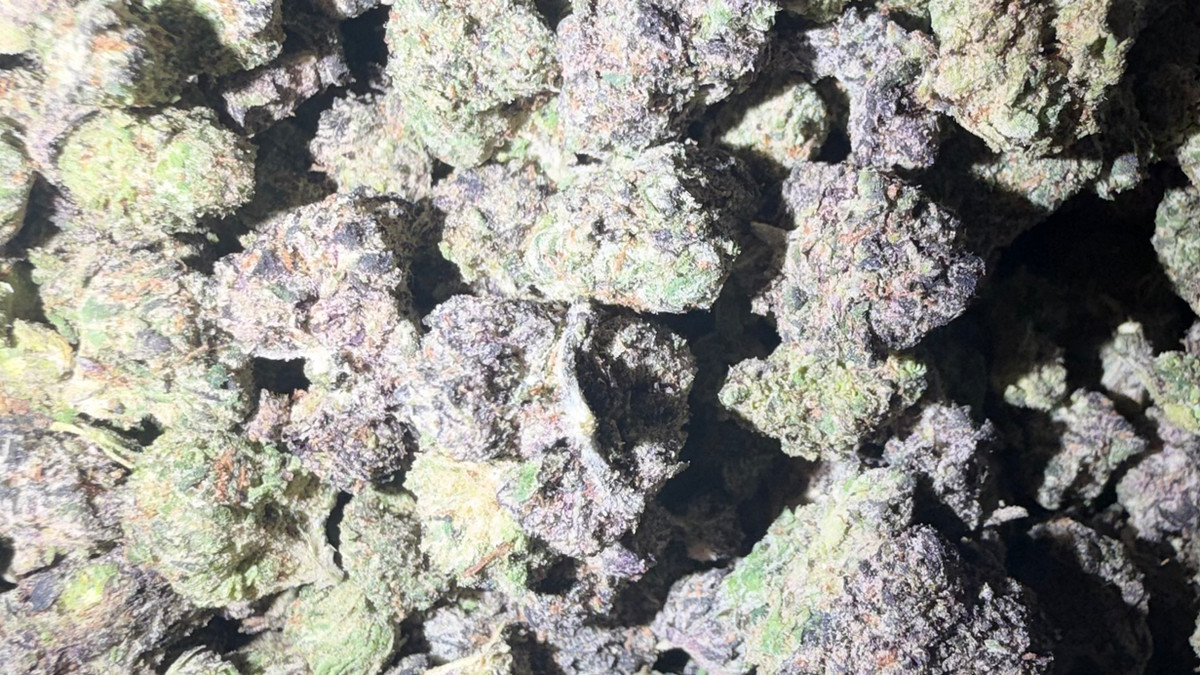
The Peanut Butter strain is an indica-dominant hybrid renowned across the cannabis community for its unique savory profile and deeply calming physical effects. Combining rich subterranean earthiness with subtle hints of roasted nuttiness, this cultivar stands out dramatically in a market often dominated by purely sweet or citrus-heavy profiles.
In terms of potency, Peanut Butter typically tests between 20% and 28% total THC. This robust cannabinoid concentration delivers a smooth, creeping body sensation paired with a clear, comforting cerebral haze, making it best suited for evening consumption or quiet weekend unwinding.
For consumers across Washington DC, Maryland, and Virginia, Peanut Butter has earned a respected position on dispensary shelves and storefront menus alike. Whether you are seeking a reliable evening strain or exploring savory terpene profiles, this guide breaks down everything you need to know about its history, genetics, chemistry, and cultivation.
Product Highlights
Before diving deep into the lineage and terpene architecture of Peanut Butter, review the snapshot summary below for a quick overview of its primary physical and chemical characteristics.
Spec | Details |
|---|---|
Strain Type | Indica-dominant Hybrid |
Commonly Reported THC Range | 20% – 28% |
Dominant Terpenes | Caryophyllene, Limonene, Myrcene |
Effect Profile | Deep body relaxation, gentle cerebral buzz, couch-lock potential |
Best Time of Day | Late afternoon, evening, or night |
Available Formats | Cured Flower, Pre-Rolls, Concentrates, Vape Carts |
Lineage and Genetics
Understanding the heritage of Peanut Butter provides valuable insight into why this strain exhibits such distinct sensory and physiological qualities. It primarily inherits its foundation from the legendary Peanut Butter Breath family tree, rooted in genetics bred by ThugPug Genetics.
The lineage combines Do-Si-Dos with Mendo Breath, blending two heavy-hitting cultivars that are famous for their dense trichome coverage and rich, dessert-gas aroma profiles. Do-Si-Dos contributes bright resin production and heavy body relaxing traits derived from OG Kush and Girl Scout Cookies.
On the other parent side, Mendo Breath brings heavy subterranean earth, herbal spice, and deep physical sedation. The resulting Peanut Butter offspring captures the most desirable qualities of both ancestors, creating a stable, flavorful hybrid that delivers signature bag appeal and consistent potency.
Aroma, Flavor and Terpene Profile
Opening a jar of Peanut Butter immediately fills the room with an unmistakable aroma. Rather than the sharp fruit or intense diesel found in other popular strains, Peanut Butter offers a warm, roasted, and herbal fragrance with distinct woody and earthy undertones.
The dominant terpene in this profile is beta-caryophyllene, which provides a peppery, warm spice that interacts directly with the body's CB2 receptors. This compound works synergistically with limonene, which adds a light, uplifting note that cuts through the heavier base notes.
Myrcene and humulene complete the sensory experience, offering damp forest earthiness and herbal complexity. On the exhale, consumers typically report a smooth, rich flavor reminiscent of toasted nuts, pine, and soft wood smoke that lingers pleasantly on the palate.
Reported Effects and Common Uses
The onset of Peanut Butter begins with a gentle warm tingling at the crown of the head and behind the eyes. Within minutes, this light mental lift shifts into a wave of tranquil physical ease, relaxing tension in the shoulders, neck, and back.
While the mind remains relatively clear and unbothered, heavy physical relaxation takes center stage. High doses can easily produce a classic couch-lock effect, making this strain ideal for watching movies, reading, or preparing for sleep.
DMV consumers frequently choose Peanut Butter for quiet evening sessions after a long workday in the city or a hectic commute along the Beltway. It serves as an excellent ritual to mark the transition from busy working hours to complete night-time rest.
Formats and Hardware
Peanut Butter is available across various product categories, catering to different preference levels and consumption styles across the DMV cannabis market. Understanding how extraction methods and hardware affect your experience helps you choose the right format.
Raw cured flower and pre-rolls offer the most complete representation of the natural terpene profile. Smoking whole flower preserves the subtle balance between the roasted nutty taste and the peppery finish that defines this specific strain.
Vaporizer cartridges and disposables provide a convenient, low-odor alternative. Live resin and live rosin formulations capture the exact flavor of the living plant, whereas distillate cartridges focus primarily on high THC concentration with added strain-specific terpenes.
When using oil cartridges, ceramic coil hardware operating between 2.4V and 2.8V is recommended. Keeping temperatures lower prevents the delicate caryophyllene and myrcene terpenes from burning, preserving the smooth, nutty taste without harshness.
Batch Testing and Label Reading
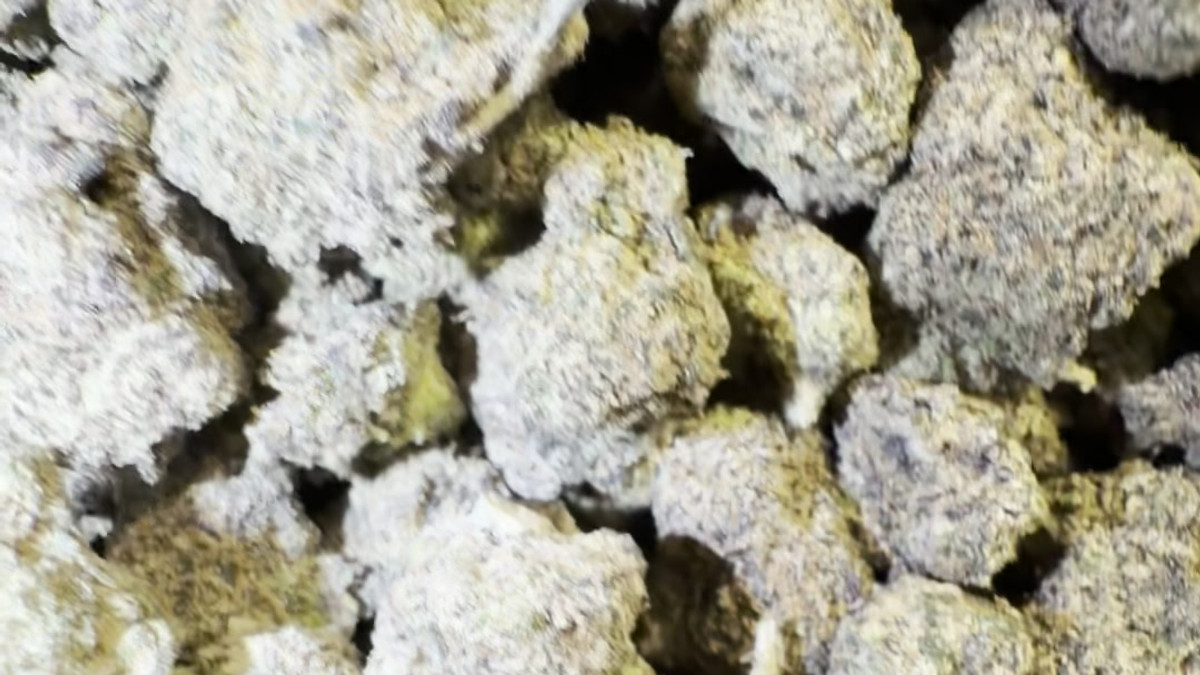
Reading a Certificate of Analysis (COA) is essential for verifying the quality and identity of any Peanut Butter batch you purchase in regulated markets. Cannabis is a natural product, and potency varies from harvest to harvest.
Look at the total THC percentage, which combines THCA and active THC using standard laboratory formulas. A batch testing at 22% total THC can feel just as potent as one testing at 26% if it possesses a rich, intact terpene total above 2.0%.
Pay close attention to the terpene breakdown on the label. A true Peanut Butter batch should highlight beta-caryophyllene as a leading compound, backed by secondary levels of limonene, myrcene, and humulene for its signature scent.
How It Compares
Comparing Peanut Butter against closely related strains helps contextualize its flavor balance, structural effects, and best usage scenarios relative to other market favorites.
Strain | Type | Flavor | Effect | Best For |
|---|---|---|---|---|
Peanut Butter | Indica-dominant Hybrid | Toasted nut, Earth, Pepper | Deep physical relaxation, Calming haze | Evening relaxation, Unwinding |
Do-Si-Dos | Indica-dominant Hybrid | Sweet mint, Earth, Floral | Balanced head-body high, Euphoria | Late afternoon stress relief |
Indica | Grape, Sweet berry, Earth | Heavy sedation, Physical couch-lock | Nighttime sleep preparation | |
Gorilla Glue #4 | Hybrid | Pungent pine, Chemical, Earth | Heavy physical couch-lock, Mind haze | Deep physical couch sessions |
Medical and Wellness Reports
While Bud Lords does not provide medical advice, consumers frequently share anecdotal reports regarding how they incorporate Peanut Butter into their personal wellness and relaxation routines.
Many users report using this strain to manage physical discomfort, body tightness, and everyday muscle stiffness after intense activity. Its heavy body relaxation helps soothe physical tension throughout the torso and limbs.
Others note that its calm, grounding mental atmosphere helps dial back nervous energy, racing thoughts, and daily stress. Additionally, its relaxing nature often leads to a strong sense of appetite stimulation, commonly known as the munchies.
How to Grow Peanut Butter
Cultivating Peanut Butter can be an exceptionally rewarding project for home growers who appreciate dark foliage, dense trichome coverage, and rich savory scents in the garden room.
Before diving into the detailed cultivation requirements, review the primary grow specs below to plan your canopy space and harvest timeline effectively.
Spec | Details |
|---|---|
Grow Difficulty | Moderate |
Indoor Flowering Time | 8 – 9 weeks |
Outdoor Harvest Window | Late September to Early October |
Yield Potential | Indoor: 400-500 g/m² | Outdoor: 500-600 g/plant |
Plant Height & Stretch | Medium to Tall (100% – 150% stretch after flip) |
Ideal Climate | Warm, dry to moderate humidity (70°F – 80°F) |
Mold & Pest Resistance | Moderate; requires low flower humidity due to dense buds |
Grow Difficulty
Peanut Butter carries a Moderate grow difficulty rating. It is fairly forgiving when it comes to minor nutrient fluctuation or short temperature swings, making it approachable for growers with a few successful harvests under their belt.
However, its dense cola structure and significant post-flip stretch require active canopy management. Novice growers must pay careful attention to humidity during late flowering to prevent mold issues within the thick floral clusters.
Canopy, Training and Pruning
During vegetative growth, Peanut Butter produces strong lateral branching with broad, dark green fan leaves. Once shifted to a 12/12 lighting schedule, expect the plant to double in size over the first three weeks of stretch.
Top the main stem early during vegetative growth to promote a wider, multi-topped canopy. Utilizing Low Stress Training (LST) alongside a Screen of Green (SCROG) netting helps distribute light evenly across all bud sites.
Perform a thorough defoliation round just before initiating flower, followed by a lighter cleanup around week three of bloom. Removing heavy fan leaves opens up interior airflow and ensures lower flower sites receive adequate light intensity.
Feeding, Climate and Environment
Peanut Butter is a moderate to heavy feeder that responds well to rich organic soils or robust hydroponic nutrient schedules. It requires steady Cal-Mag supplementation during peak vegetative growth and early bloom development.
Maintain daytime temperatures between 72°F and 80°F during vegetative growth, dropping nighttime temperatures slightly in late flower to encourage deep purple leaf coloration. Keep relative humidity around 60% in veg, tapering down to 40-45% in late bloom.
For outdoor cultivators in Washington DC, Maryland, and Virginia, late summer humidity poses a real threat of powdery mildew and bud rot. Ensure maximum airflow around plants and consider overhead rain shelter during late September harvests.
Harvest Timing and Curing
Track trichome development closely starting in week eight of flowering. For the classic relaxing Peanut Butter experience, harvest when trichomes show roughly 70-80% milky white heads and 20% amber heads.
Chop plants down and hang whole stems to dry in a completely dark room held strictly at 60°F and 60% relative humidity for 10 to 14 days. A slow, steady dry process locks in delicate volatile terpenes.
Once stems snap rather than bend, trim the buds cleanly and place them into airtight glass jars. Cure jars in a cool, dark cabinet, burping them daily for the first two weeks to stabilize moisture and develop the full nutty aroma profile.
Home Grow Rules in the DMV
Always stay informed regarding regional cultivation statutes before starting your garden. In Washington DC, adults 21 and older may cultivate up to 6 plants (maximum 3 mature) per person, capped at 12 plants per household.
In Maryland, adults 21 and over are permitted to grow up to 2 plants per household, provided they are kept completely out of public view. Virginia law allows adults 21+ to grow up to 4 plants per household, requiring clear identification tags and secured placement away from public access.
Similar Strains Worth Trying
If you enjoy the rich earthiness and relaxing physical high of Peanut Butter, several other market cultivars offer comparable terpene profiles and effect experiences.
Peanut Butter Breath is the direct parent relative, offering a very similar nutty-diesel aroma with slightly more uplifting cerebral energy during the initial onset. It remains a staple choice for cookie-genetics enthusiasts.
Lava Cake provides a smooth, sweet, and doughy chocolate flavor coupled with deep physical calm, making it a great alternative for late-evening relaxation. Do-Si-Dos offers a sharper floral-mint accent while retaining heavy body relaxing properties.
The Bud Lords Take
Our take: Peanut Butter is one of the most distinctive and satisfying strains in modern cannabis culture. In a market often saturated with hyper-sweet candy strains, its savory, nutty, and peppery foundation offers a welcome change of pace for seasoned palates.
Across the DMV community, this strain has carved out a permanent home. Whether you are sourcing flower through Washington DC's established Initiative 71 gifting culture or buying at state-licensed dispensaries in Maryland and Virginia, quality batches of Peanut Butter never disappoint.
Remember that all adult-use cannabis activities in the District of Columbia, Maryland, and Virginia are restricted strictly to adults aged 21 and older. Enjoy responsibly, respect local home grow limits, and take time to appreciate the complex terpene work behind this unique cultivar.
Frequently Asked Questions
Here is what most people ask about Peanut Butter in this area.
Is Peanut Butter an indica or a sativa?
Peanut Butter is an indica-dominant hybrid strain. While it delivers a subtle mental lift upon initial consumption, its primary effects center on deep physical relaxation and full-body calming properties.
What does the Peanut Butter strain taste like?
The strain is famous for its distinct savory profile featuring notes of toasted nuts, rich damp earth, pine, and warm black pepper derived from its high beta-caryophyllene terpene content.
How strong is the Peanut Butter strain?
Peanut Butter is considered a potent cultivar, typically testing between 20% and 28% total THC. Beginners should start slow to avoid overwhelming physical couch-lock effects.
Peanut Butter is not in the Bud Lords menu right now. Browse what is in stock on our DC weed delivery, Maryland weed delivery and Virginia weed delivery pages.
More strain guides: Jack Herer, Gelonade, Permanent Marker.
Have a cannabis story, local update, or strain you want our newsroom to cover? Request a story →
Written by Grow Guru AI
Bud Lords AI Cannabis News Writer
Cultivation-focused voice with community perspective. Covers growing tips, techniques, and cultivation industry news.
Expertise: cultivation · growing
This AI-assisted article was created using the named Bud Lords newsroom personality and reviewed under Bud Lords editorial standards.




Comments