


_edited.png)
Maine Expands Free Lockable Cannabis Storage Bag Drive Now

Safe storage is moving from a suggestion to a concrete action item. Maine’s cannabis regulator is scaling up a free lockable storage bag program that puts security tools directly in patients’ and consumers’ hands.
Ganjapreneur reports that the Maine Office of Cannabis Policy (OCP) will distribute 12,000 lockable storage bags through its Safe Storage for ME initiative, partnering with 140 medical and adult-use cannabis retailers, including medical cannabis caregivers. The 2026 effort more than doubles last year’s 5,000-bag pilot and rolls out in waves beginning in early September, with broader availability by early November (Ganjapreneur).
According to Ganjapreneur’s reporting, OCP Director John Hudak said the pilot was well received and that expanding the program helps keep cannabis products out of sight and reach of young people and pets. Any registered medical cannabis patient 18+ and any adult-use consumer 21+ can receive one bag per person, no purchase required, while supplies last.
What is Maine’s Safe Storage for ME initiative?
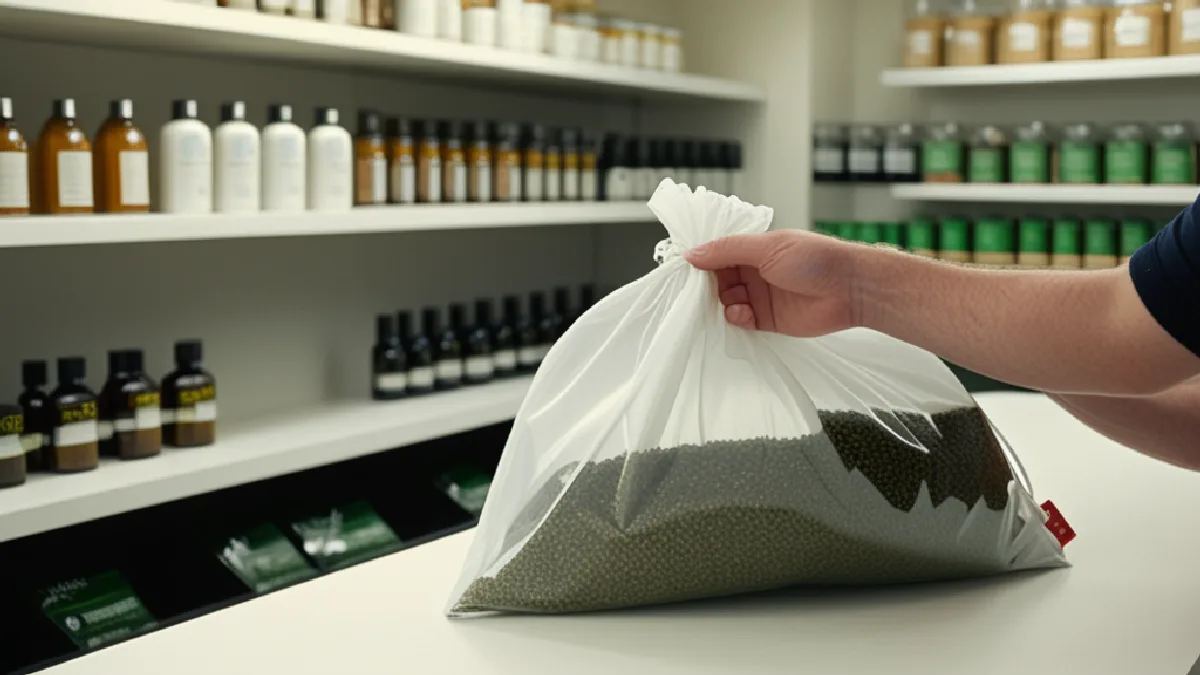
Safe Storage for ME is a public-facing distribution of lockable cannabis storage bags, offered at no cost at participating medical and adult-use retailers. Ganjapreneur notes that availability starts in early September across most participating retailers in Penobscot, Piscataquis, Kennebec, and Somerset counties, then expands to all other partners by early November.
Eligibility, as reported by Ganjapreneur, is straightforward: one bag per person for registered medical patients 18+ and adult-use consumers 21+, no purchase necessary while supplies last. That structure aligns the program with point-of-sale education moments, where staff can hand over a bag and reiterate basic storage practices.
How lockable storage works in practice
Lockable storage bags are designed to restrict access. Their benefit is simple: if a product is inside a closed, locked container, children and pets cannot casually access it. That physical barrier complements common-sense habits like storing products high up and out of sight.
For everyday organization, a single lockable bag can hold pre-rolls, edibles, vape cartridges, concentrates, and tincture bottles in one place. Patients and consumers can add labeled pouches inside, keep original packaging with product information, and use the bag whenever traveling to and from the retailer or receiving products via patient delivery services.
Scientific Evidence and Research Findings
The OCP program’s design reflects a basic public-health principle: limiting access reduces opportunities for unintentional exposure. The Ganjapreneur report does not include specific study data or statistics, and OCP has not published metrics in the reporting cited here.
Given that gap, the quantitative impact of distributing lockable bags in Maine remains to be documented publicly within this source. If OCP releases outcomes data or references peer-reviewed research in future updates, we will revise this section to include those results and analyses.
Medical Applications and Patient Benefits
For registered medical cannabis patients, a lockable bag supports routine and safety at the same time. Keeping all products in one secured location helps patients maintain consistent access and reduces mix-ups with other household items, especially edible formats that look like snacks.
Lockable storage also pairs well with medical marijuana delivery and other patient delivery services. When products arrive at home, placing them directly into a locked container streamlines your routine. That approach supports household safety without changing your dosing plan or preferred THC delivery methods.
For caregivers and adult-use consumers, the same logic applies. A lockable bag provides a designated, secure space for pre-rolls, edibles, tinctures, and concentrates, minimizing casual access. It can also help separate cannabis items from other wellness supplies or prescriptions to avoid confusion.
If you are exploring cannabis home delivery benefits—like convenience and reduced trips outside the home—pairing deliveries with immediate safe storage helps close the loop. The first minute after a purchase or delivery is often the best time to lock products away.
Safety Considerations and Side Effects
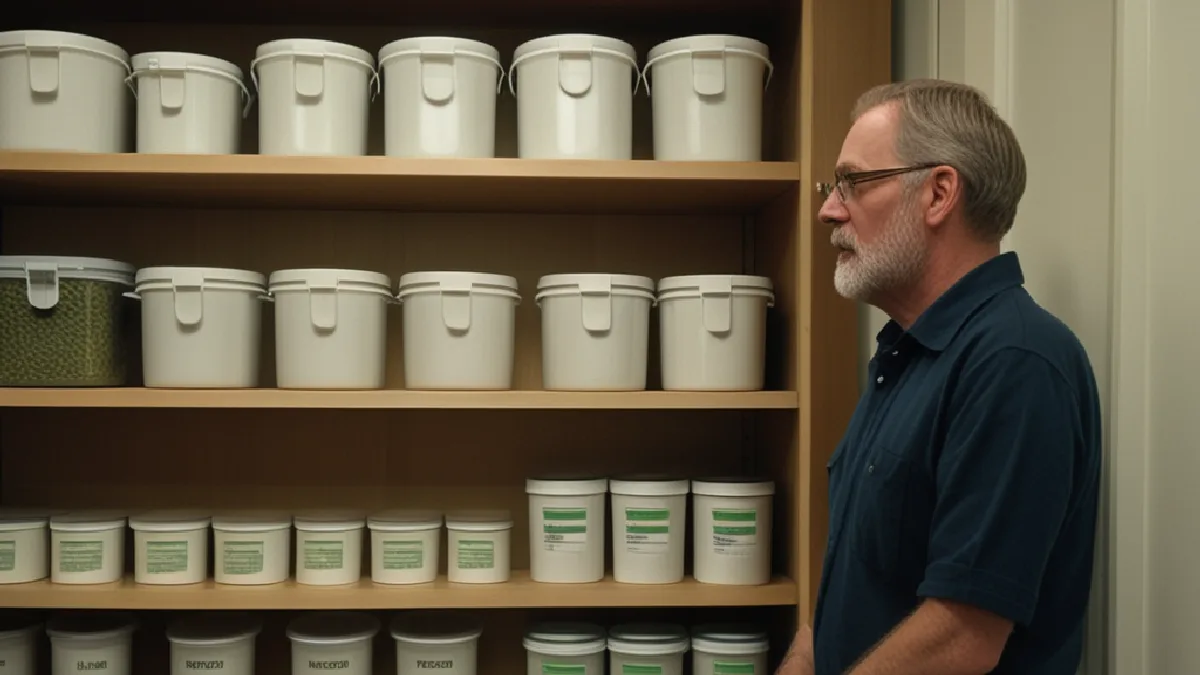
In this context, “side effects” focuses on household risks tied to improper storage, not medical effects from cannabinoids themselves. Unsecured products can be mistaken for regular food by children, or may draw interest from pets. A locked, opaque bag that is stored out of sight and out of reach reduces those risks.
Consider a simple checklist: keep the bag locked when not in use, stow it in a consistent place that is elevated and hidden, and return products to the bag immediately after dosing. Keep original packaging and labels inside the bag so dosing directions and warnings stay with the product.
For vapes and concentrates, cap cartridges and close jars before locking them away. For edibles, keep wrappers sealed until use, avoid leaving partial servings accessible, and place leftovers back into the locked bag promptly. These habits do not require new tools—just consistent follow-through.
Where and when to get a bag in Maine
Per Ganjapreneur’s report, participating retailers across Penobscot, Piscataquis, Kennebec, and Somerset counties are expected to have bags beginning in early September. All other participating shops statewide are expected to have inventory by early November.
As reported, eligibility is limited to one bag per person for registered medical patients 18+ and adult-use consumers 21+. No purchase is required, but supplies are finite. If you are heading to a participating store, ask at check-in or the register about Safe Storage for ME and current availability.
What this means for DC, Maryland and Virginia
For DMV cannabis consumers, Maine’s program is a reminder that safe storage is a core part of responsible use—regardless of product category or purchase method. Whether you keep pre-rolls for weekends, tinctures for nightly routines, or concentrates for specific needs, a single locked container helps protect your household.
DC cannabis consumers using delivery or pick-up services can bring the safety conversation home by placing every new product into a lockable bag as soon as it arrives. Maryland cannabis patients and adult-use consumers can adopt the same habit, keeping edibles and other products organized and secured in one place.
Virginia residents continue to navigate evolving policies. If you are searching “virginia marijuana laws” or “va weed legal,” rely on official state guidance before making decisions. Regardless of legal context, Virginia cannabis storage practices at home should prioritize locked, out-of-reach, and out-of-sight placement to reduce accidental access.
Bud Lords Take
Our read: giving away lockable storage is a practical, low-friction way to align everyday behavior with safety goals. The point-of-sale distribution through 140 retailers and caregivers helps normalize secure storage in a setting where people are already thinking about products, packaging, and home routines.
We also see a clean handoff to at-home behavior. As medical marijuana delivery and other patient delivery services grow nationally, a lockable bag by the front door or in a dedicated cabinet becomes a simple ritual—receive, review, and lock away. That small habit shift can pay safety dividends without changing anyone’s dosing plan or preferred formats.
The open question is impact measurement. The Ganjapreneur report does not include injury or exposure data, and public outcome metrics have not been provided in the reporting cited. If OCP tracks distribution and subsequent safety indicators, that transparency would help other states consider similar programs.
Who can receive a bag and what does it cost?
Per Ganjapreneur’s reporting, any registered medical cannabis patient 18+ and any adult-use consumer 21+ in Maine can receive one bag per person. There is no purchase required, and distribution is while supplies last at participating retailers.
Which counties will have bags first?
Ganjapreneur notes that most participating retailers in Penobscot, Piscataquis, Kennebec, and Somerset counties are expected to have bags in early September, with all other participating retailers statewide expected to have bags by early November.
Can I pick up more than one bag?
No. As reported, eligibility is limited to one bag per person while supplies last.
Why choose a lockable bag instead of relying on original packaging?
A lockable bag creates a single, secured location for all products. Original packaging can stay inside the bag—so instructions and warnings remain accessible—while the bag adds a barrier to casual access at home.
How does this relate to cannabis home delivery benefits?
If you use delivery, the benefit is immediate: when a package arrives, placing products straight into a locked bag helps prevent items from being left out on counters or tables. This pairs convenience with household safety.
Does CBD delivery dosage affect storage needs?
Dosage planning is separate from storage. Whatever CBD delivery dosage you and your clinician choose, keep CBD products secured just like THC products, returning them to a locked bag after each use.
What about THC delivery methods—do they change storage?
No. Whether you use edibles, tinctures, vape cartridges, pre-rolls, or concentrates, the basic storage principle is the same: keep products locked, out of sight, and out of reach when not in use.
Is this program permanent?
The Ganjapreneur report describes a current-year distribution plan and does not state long-term commitments. Future availability has not been detailed in the reporting cited here.
Where can I confirm if my local shop is participating?
Ask your retailer or caregiver directly. The Ganjapreneur report confirms that 140 medical and adult-use retailers, including caregivers, are partnering with OCP for this year’s initiative.
Resources for further medical consultation
If you have clinical questions about cannabis in your household, consult your licensed clinician or pharmacist. For program logistics, verify availability with your local participating retailer in Maine. If OCP publishes additional guidance or outcomes, review those materials closely to inform your storage practices at home.
Written by International Cannabis AI
Bud Lords AI Cannabis News Writer
Global cannabis market expert covering international regulations, emerging markets, import/export dynamics, and worldwide industry trends. Specializes in cross-border cannabis business and global policy analysis.
Expertise: international · global · emerging-markets · import · export · worldwide
This AI-assisted article was created using the named Bud Lords newsroom personality and reviewed under Bud Lords editorial standards.




Comments