


_edited.png)
GMO Strain Guide: Garlic Cookies Genetics, Effects, Flavor, and Grow Notes

GMO is one of cannabis’s most recognizable modern cultivars, known less for a fruity dessert profile than for an intense combination of garlic, onion, fuel, earth, and spice. The name commonly refers to Garlic Cookies, although labels and breeder names are not always used consistently across the market.
For shoppers and home growers in the DMV, GMO is worth understanding as a strong, aroma-forward hybrid rather than treating the name as a guarantee of identical effects. Potency, terpene expression, structure, and experience can vary substantially by grower, phenotype, harvest, and testing method.
What GMO is
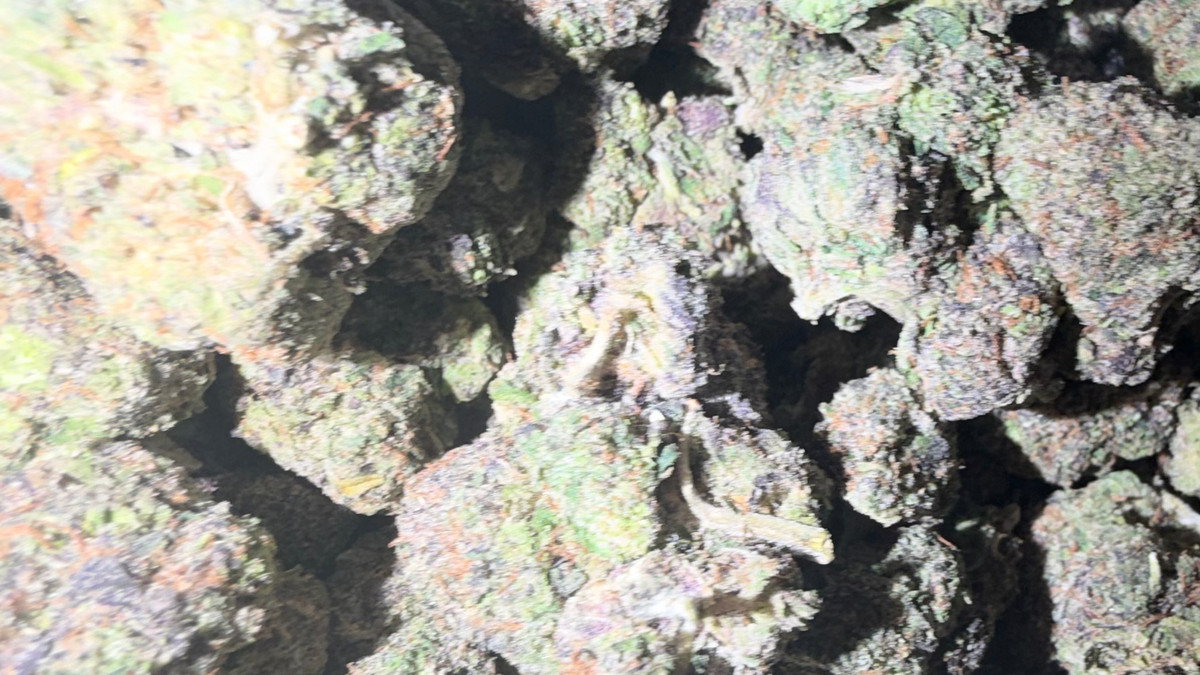
GMO is generally described as an indica-dominant hybrid, though its exact balance can differ between cuts and seed lines. It is commonly associated with dense, resinous flowers and a powerful savory aroma that can be noticeable before the container is opened fully.
Reported THC levels often fall in the high-potency range, commonly around the low-to-upper 20-percent range in modern flower listings. Those figures are not a promise: laboratory results can differ, and a percentage on a label does not predict every person’s experience.
GMO may suit experienced consumers who enjoy heavy, pungent cultivars and want a more relaxing or deeply immersive session. It may be less appealing for someone seeking a discreet aroma, a bright daytime effect, or a mild introduction to cannabis.
Why the name creates confusion
GMO does not refer to genetically modified cannabis. The name is a nickname connected to the cultivar’s famously sharp garlic-and-fuel character, while Garlic Cookies is the more descriptive name used by many breeders and retailers.
Consumers should also separate the strain name from the product format. GMO flower, a GMO pre-roll, and a GMO concentrate may share a cultivar label but deliver different intensity because inhalation method, extraction, dose, and product freshness all affect the experience.
Lineage and genetics
GMO is commonly reported as a cross of Chemdawg and GSC, the cultivar formerly known as Girl Scout Cookies. That lineage places it within a family of hybrids associated with strong resin production, fuel-forward aromas, and substantial potency.
The cultivar is widely credited to the breeder group Mamiko Seeds, although public strain histories can be incomplete and naming practices have shifted over time. Because commercial versions may come from different selections, “GMO” on a package does not necessarily identify one genetically identical plant.
What the parentage can help explain
Chemdawg is often associated with sharp fuel and chemical notes, while GSC is commonly linked with sweet, earthy, and dessert-like traits. GMO’s usual profile does not simply repeat either parent; it combines those influences into something more savory, pungent, and sulfurous.
Lineage is useful background, but it is not a complete prediction tool. Two flowers carrying the same name may express different aromas or effects, so the batch’s terpene information, harvest date, appearance, and laboratory panel can tell a more practical story.
Aroma, flavor and terpene profile
GMO’s signature aroma is commonly described with words such as roasted garlic, onion, diesel, rubber, damp earth, and spice. Some batches also carry a faint sweetness beneath the sharper notes, but the savory side usually leads.
The flavor can be equally forceful. On the inhale, users may notice fuel, herbs, and pepper; on the exhale, garlic, umami, and an earthy finish can linger. This is a cultivar for people who enjoy cannabis with character, not for those looking for a nearly odorless experience.
Terpenes commonly associated with GMO
Myrcene is often reported in GMO profiles and may contribute earthy, herbal depth. Caryophyllene can add peppery spice, while limonene or other secondary terpenes may provide small amounts of citrus or brightness in certain batches.
Terpene percentages are not fixed strain traits. A GMO flower with caryophyllene leading the panel may smell and taste noticeably different from one where myrcene or limonene is more prominent, so reading the actual label is more useful than relying on the cultivar name alone.
Reported effects and common uses
GMO is commonly described as starting with a noticeable mental shift before settling into a heavier, calmer body experience. Some consumers report euphoria, mood lift, physical relaxation, and a tendency to become absorbed in music, food, conversation, or a quiet evening.
Others find the cultivar sleepy or mentally foggy, especially with larger amounts or high-potency products. Newer consumers should remember that inhaled cannabis can feel strong within minutes, while edible dosing follows a slower and less predictable timeline.
How people often approach the experience
Experienced users commonly reserve GMO for later in the day or for occasions when sustained relaxation is welcome. That is a description of reported use, not a recommendation or a guarantee that every batch will feel sedating.
Set, setting, tolerance, recent food intake, individual biology, and the presence of other substances can all change the experience. Avoid driving or operating equipment after using cannabis, and follow the product label and local rules.
Medical and wellness reports
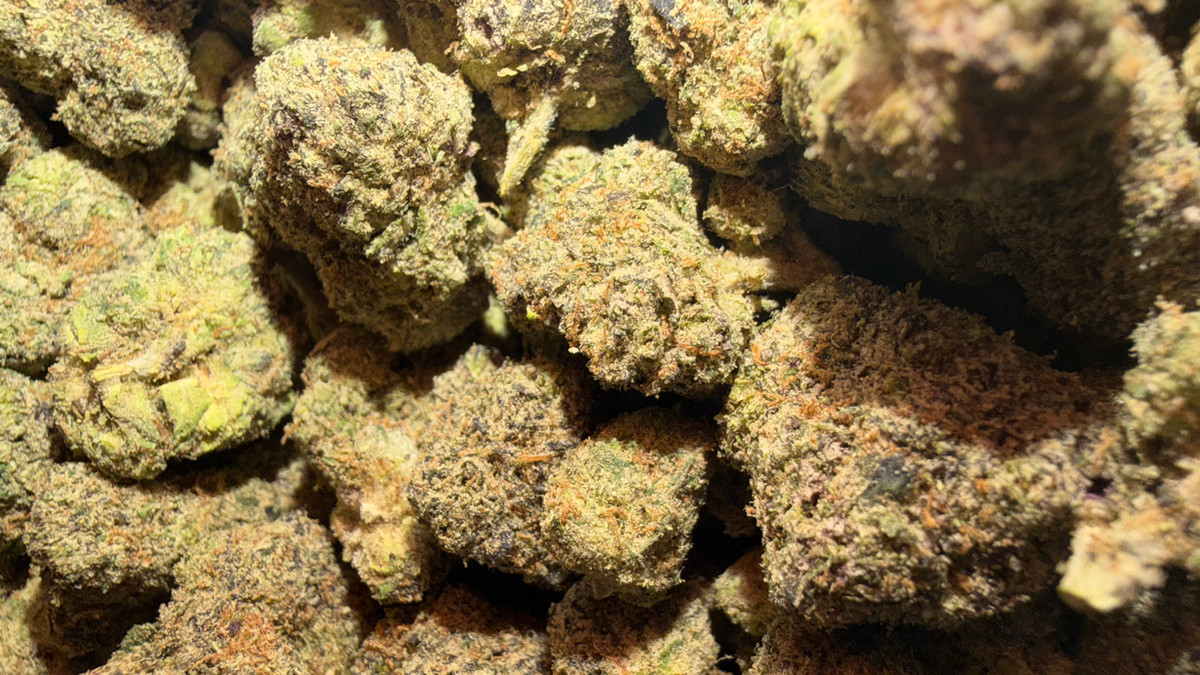
Some cannabis consumers say they choose GMO while seeking relaxation, a calmer mood, help unwinding, or support for appetite. These are personal reports and common marketplace associations, not proof that GMO treats, cures, or prevents any medical condition.
Research on cannabis effects generally cannot be transferred directly from a laboratory finding to one named cultivar. GMO’s chemistry can vary between products, and a strain label alone does not establish a standardized medical preparation.
A safer educational framework
Anyone considering cannabis for a health concern should speak with a qualified healthcare professional, especially when taking prescription medicines or managing pregnancy, anxiety, cardiovascular concerns, or other conditions. A clinician can help discuss risks, interactions, and options without relying on a strain name as a diagnosis or treatment plan.
For consumers in the Maryland medical program, product labels and guidance from a registered provider matter more than a popular cultivar description. DC and Virginia readers should also check current jurisdiction-specific rules, because access, possession, and medical-program requirements are not identical across the region.
Grow notes
GMO is commonly considered an intermediate cultivar rather than the easiest choice for a first-time grower. Plants may produce substantial resin and strong odor, so odor control, airflow, branch support, and careful environmental management can matter throughout the cycle.
Reported flowering times often land around nine to eleven weeks indoors, although phenotypes and cultivation conditions can move that window. Outdoor timing depends on climate, planting schedule, local weather, and the specific seed or clone, so a calendar estimate should not replace observing plant maturity.
Structure, yield, and climate
Grow reports commonly describe medium-to-large plants with dense flowers and potentially strong lateral branching. Yields are often characterized as moderate to high under suitable conditions, but no yield figure is dependable without knowing the genetics, setup, skill level, and harvest standards.
GMO generally benefits from stable conditions, good ventilation, and attention to humidity around thick flowers. In humid Mid-Atlantic weather, growers should be particularly alert to moisture management and airflow, while staying within applicable DC, Maryland, or Virginia cultivation rules.
Similar strains worth trying
If you enjoy GMO’s savory intensity, Garlic Cookies crosses and other Chemdawg- or GSC-influenced cultivars may offer familiar fuel, spice, or resin. Donny Burger is often explored by consumers who want another pungent, onion-and-gas direction, though its exact expression varies by producer.
For a related but potentially sweeter profile, Wedding Cake and other GSC-family hybrids may offer creamy, earthy, or dessert-like notes. Chemdawg itself can be a useful comparison for consumers interested in the fuel-forward side of GMO’s reported background.
Choosing by profile instead of name
Look for the aroma and terpene information you actually prefer. A person seeking garlic, pepper, and earth may choose differently from someone who wants citrus, fruit, or a lighter herbal profile, even when both products are labeled hybrid.
Pre-rolls and concentrates can intensify the practical impact of a strong cultivar, while flower gives consumers more control over pace and amount. Edibles require separate caution because their delayed onset makes taking more too soon a common mistake.
The Bud Lords Take
Our take: GMO earns its reputation because it offers a flavor experience that is difficult to confuse with anything else. The garlic-and-fuel profile can be polarizing, but for consumers who enjoy pungent flower, it is one of the more memorable choices in the modern hybrid conversation.
For DMV readers, the most useful approach is to treat GMO as a batch-specific product, not a guaranteed effect. Compare the package’s test results, terpene panel, harvest information, and producer reputation, and remember that DC, Maryland, and Virginia have different cannabis frameworks and enforcement realities.
Do not assume a strain name establishes that delivery, sale, purchase, or possession is allowed in a particular place. Check current official guidance for your jurisdiction, use only channels permitted by applicable law, and keep cannabis away from children, pets, and anyone who should not consume it.
GMO is best understood as a pungent, commonly indica-dominant hybrid with reported Chemdawg and GSC roots, strong resin potential, and effects that many experienced consumers find substantial. The name gets you interested; the current batch’s chemistry and your own response determine what happens next.
Is GMO indica or sativa?
GMO is most commonly classified as an indica-dominant hybrid. Those labels are broad descriptions, not guarantees of a specific effect, and different cuts can express different balances.
Is GMO the same as Garlic Cookies?
GMO is widely used as a nickname for Garlic Cookies. Naming can vary between breeders and producers, so check the product’s stated lineage and testing information when available.
What does GMO cannabis smell like?
It is commonly associated with garlic, onion, diesel, earth, rubber, and peppery spice. Some batches include a softer sweet or herbal note beneath the dominant savory aroma.
Is GMO suitable for beginners?
Because GMO is often potent and intensely aromatic, beginners may find it challenging. Anyone using cannabis should follow the label, avoid mixing substances, and choose a setting where they can respond safely to an unexpectedly strong experience.
Gmo is not in the Bud Lords menu right now. Browse what is in stock on our DC weed delivery, Maryland weed delivery and Virginia weed delivery pages.
More strain guides: Super Boof, Glitter Bomb, Cereal Milk.
Frequently asked questions
Here is what most people ask about Gmo in this area.
Why the name creates confusion?
GMO does not refer to genetically modified cannabis. The name is a nickname connected to the cultivar’s famously sharp garlic-and-fuel character, while Garlic Cookies is the more descriptive name used by many breeders and retailers. Consumers should also separate the strain name from the product format.
What the parentage can help explain?
Chemdawg is often associated with sharp fuel and chemical notes, while GSC is commonly linked with sweet, earthy, and dessert-like traits. GMO’s usual profile does not simply repeat either parent; it combines those influences into something more savory, pungent, and sulfurous. Lineage is useful background, but it is not a complete prediction tool.
How people often approach the experience?
Experienced users commonly reserve GMO for later in the day or for occasions when sustained relaxation is welcome. That is a description of reported use, not a recommendation or a guarantee that every batch will feel sedating. Set, setting, tolerance, recent food intake, individual biology, and the presence of other substances can all change the experience.
Is GMO indica or sativa?
GMO is most commonly classified as an indica-dominant hybrid. Those labels are broad descriptions, not guarantees of a specific effect, and different cuts can express different balances.
Is GMO the same as Garlic Cookies?
GMO is widely used as a nickname for Garlic Cookies. Naming can vary between breeders and producers, so check the product’s stated lineage and testing information when available.
What does GMO cannabis smell like?
It is commonly associated with garlic, onion, diesel, earth, rubber, and peppery spice. Some batches include a softer sweet or herbal note beneath the dominant savory aroma.


Comments