


_edited.png)
Mac Strain Guide: Citrus Cream x Balanced Effects x Careful Growing

What Mac is
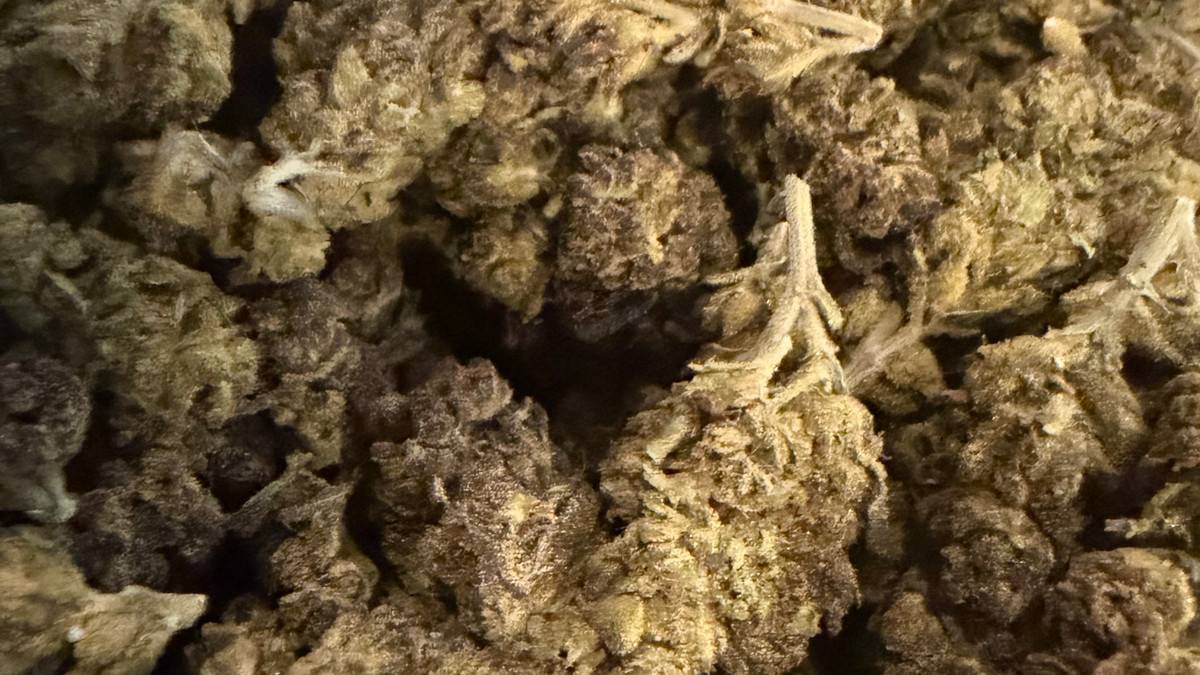
Mac, often written as MAC or Miracle Alien Cookies, is commonly described as a balanced hybrid with a bright, savory aroma and effects that can feel mentally active before settling into physical ease. It is not one perfectly standardized product: the name can cover different cuts, breeders, and batches, so the experience depends on genetics, harvest timing, curing, and testing.
Commonly reported flower potency falls around 18% to 28% THC, although some batches may test outside that range. That makes Mac a better fit for experienced adult consumers or newcomers who are comfortable starting with a small amount and waiting before consuming more. Its profile can suit daytime or early-evening use, but the more relaxing side may become prominent at higher amounts.
Product Highlights
This quick reference describes commonly reported Mac characteristics, not a guarantee about any particular product. Always use the package label and current certificate of analysis for the batch in hand.
Spec | Details |
|---|---|
Strain type | Balanced hybrid; individual cuts may lean sativa- or indica-forward |
Commonly reported THC range | Approximately 18%–28%; batch results vary |
Dominant terpenes | Often reported: limonene, caryophyllene, and myrcene; the actual mix must be confirmed by testing |
Effect profile | Bright, focused, social, euphoric, and eventually relaxing |
Best time of day | Daytime through early evening, depending on dose and personal response |
Available formats | Flower, pre-rolls, live resin, live rosin, distillate cartridges, and disposables |
Lineage and genetics
Mac is commonly reported as a cross of Alien Cookies, Colombian, and Starfighter. The lineage is widely associated with Capulator, a breeder known for developing the MAC line, but exact parentage and naming history can differ across seed sellers and commercial producers.
That uncertainty matters because “Mac” on a menu does not necessarily identify one genetically uniform cultivar. A producer may be working from a particular clone, a seed-derived expression, or a related selection using the same shorthand. If a label lists breeder information, phenotype notes, or a lot-specific terpene profile, those details are more useful than the strain name alone.
Aroma, flavor and terpene profile
Mac commonly opens with citrus, sweet cream, and tropical fruit notes, followed by pepper, earth, and a lightly gassy finish. Some expressions lean brighter and lemony; others emphasize dough, musk, or spice. Curing quality makes a major difference: properly preserved flower should smell distinct rather than dusty, flat, or harsh.
Limonene is often associated with Mac’s citrus character, while caryophyllene can contribute peppery spice and myrcene may add earthy or herbal depth. Terpenes are aromatic compounds, not a promise of a particular effect. The most reliable way to understand a product’s profile is to read its terpene percentages on the batch-specific COA.
Reported effects and common uses
Consumer reports commonly describe Mac as euphoric, mentally engaging, and social at modest amounts, with relaxation becoming more noticeable as consumption increases. Some people choose it for creative activities, conversation, music, or winding down after work. Others may find its intensity distracting, especially when the product is high in THC.
Effects vary with tolerance, food, sleep, setting, method of consumption, and dose. Inhaled products usually feel faster than edibles, while edible effects can last longer and may be harder to predict. Start low, avoid mixing cannabis with alcohol or other intoxicants, and do not drive after using cannabis.
Formats and hardware
Mac flower is the clearest way to experience differences between cultivars because the aroma comes directly from the dried and cured plant. Pre-rolls offer convenience, but their burn and flavor can vary with grind, paper, storage, and whether the product contains flower from more than one batch.
Cartridges and disposables may contain Mac live resin, live rosin, or distillate. Live resin is generally made from fresh-frozen plant material and often preserves a broader plant-derived flavor. Live rosin uses solventless mechanical separation and heat, while distillate is highly refined and may have terpenes added back after processing. Extraction changes flavor, texture, onset, and how closely the finished product resembles the flower.
A cartridge usually contains a chamber for oil, an atomizer with a coil, a mouthpiece, and a battery connection. Draw-activated hardware starts heating when you inhale; button-activated devices require a press. Lower settings, commonly around 2.2 to 2.8 volts or roughly 350°F to 450°F when temperature control is available, can preserve flavor, while higher heat may produce denser vapor but can taste harsher. Hardware specifications differ, so follow the manufacturer’s directions and stop using a device that leaks, tastes burnt, or overheats.
Batch testing and label reading
A certificate of analysis, or COA, is a laboratory report tied to a specific production batch. Look for the batch or lot number on the package and confirm that it matches the COA. A useful report may list THC, THCA, CBD, other cannabinoids, terpene percentages, contaminants, moisture, and the testing date, depending on the jurisdiction and laboratory.
THC may appear in more than one form on a label, especially for flower. THCA is the non-intoxicating precursor that can convert to THC with heat, so do not compare a raw THCA figure with a finished-product THC figure as though they mean the same thing. Percentages also vary from batch to batch; a high number does not automatically mean a better experience, and lab results are not a potency guarantee for every flower, cart, or pre-roll sold under the Mac name.
How it compares
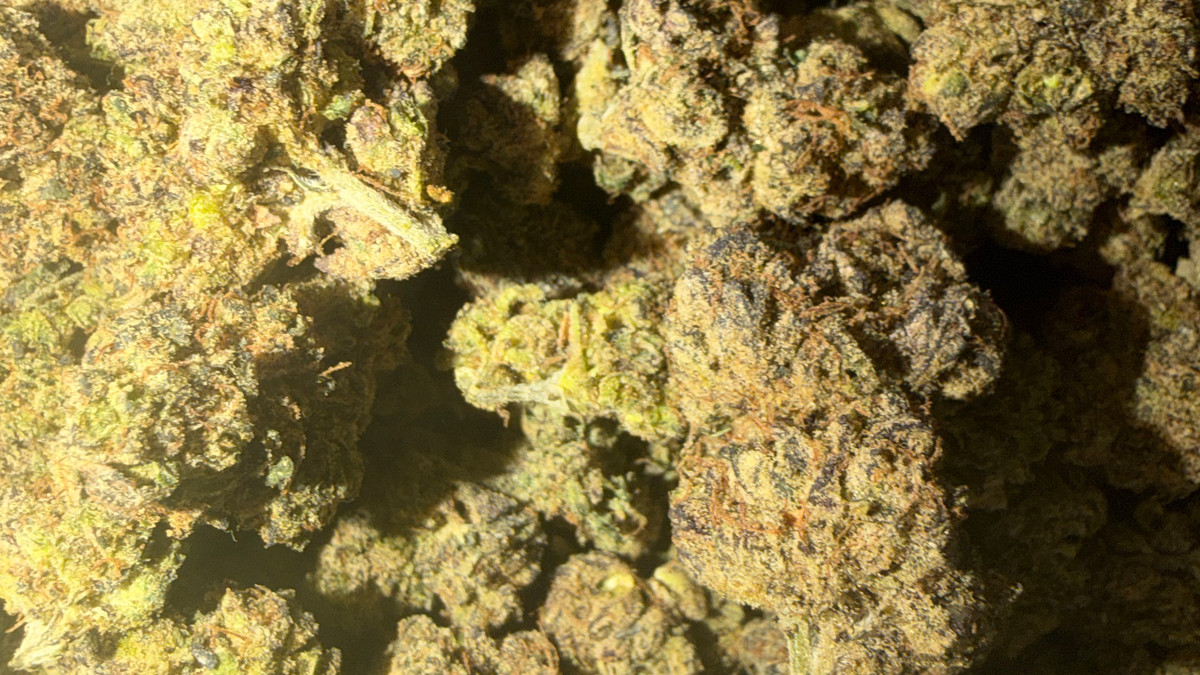
These comparisons are broad family-level references, not substitutes for a batch label. The same strain name can express differently depending on the breeder, phenotype, harvest, and processing method.
Strain | Type | Flavor | Effect | Best for |
|---|---|---|---|---|
Mac | Balanced hybrid | Citrus, cream, pepper, earth | Euphoric, alert, then relaxing | Social daytime or early evening sessions |
Indica-leaning hybrid | Sweet dough, vanilla, spice | Relaxed, heavy, mood-lifting | Evening and low-key settings | |
Cookies | Balanced hybrid | Sweet bakery, earth, spice | Uplifting with a calming finish | Flavor-focused hybrid fans |
Alien OG | Hybrid | Lemon, pine, fuel | Strong, cerebral, physically relaxing | Experienced consumers seeking intensity |
Medical and wellness reports
Some adult consumers report choosing Mac when they want a change in mood, a social lift, or a way to settle into an evening routine. Those are personal reports, not established medical outcomes. Cannabis can also produce unwanted effects such as anxiety, dizziness, dry mouth, impaired coordination, or difficulty concentrating.
Anyone considering cannabis for a health concern should speak with a qualified clinician, especially when taking prescription medicines, managing a mental-health condition, or considering cannabis during pregnancy or breastfeeding. This section is educational only and is not medical advice.
How to Grow Mac
Mac can reward a grower who pays attention to structure, airflow, and harvest timing, but it is not a set-it-and-forget-it cultivar. The following ranges are commonly reported grow guidance, not guarantees; the exact result depends on the cut, environment, container size, lighting, and cultivation skill.
For DMV growers, humidity management deserves extra attention. A vigorous canopy that performs well indoors can become a mold risk during a humid Mid-Atlantic summer if spacing, airflow, and rain protection are treated as afterthoughts.
These cultivation notes are for adults following applicable law. Use only genetics and cultivation practices permitted where you live.
Here is a practical starting profile for Mac rather than a promise of performance.
Spec | Details |
|---|---|
Grow difficulty | Moderate |
Indoor flowering time | Approximately 8–10 weeks |
Outdoor harvest window | Commonly reported around October in the Northern Hemisphere |
Yield potential | Indoor: roughly 400–600 g/m²; outdoor: roughly 500–800 g per plant under favorable conditions |
Plant height and stretch | Medium to tall; commonly reported stretch of about 1.5–2 times after the flip |
Ideal climate | Warm, dry, stable conditions with strong airflow and controlled humidity |
Mold and pest resistance | Moderate; dense flowers and humid conditions require active prevention |
Grow Difficulty
Mac is best rated Moderate. It can handle ordinary day-to-day variation better than an especially fragile cultivar, but its stretch, branching, and flower density demand planning. It is more forgiving when temperatures move modestly or a feeding event is imperfect, yet repeated overfeeding, poor root-zone drainage, or excessive humidity can still show up quickly.
First-time growers can succeed with a simple, well-ventilated setup, but intermediate cultivators will usually get more from the plant. Experienced growers may choose a demanding cut for maximum precision, while newer growers should avoid overcrowding and keep a close eye on the lower canopy.
Canopy, Training and Pruning
Mac commonly develops vigorous lateral growth with medium node spacing and enough stretch after the change to 12/12 that early shaping pays off. Topping and low-stress training can create an even canopy, while SCROG works well when branches are spread before the flowering stretch becomes difficult to control.
Remove weak interior growth gradually rather than stripping the plant all at once. Moderate defoliation can improve light penetration and air movement, but excessive leaf removal may slow recovery and expose developing flowers to unnecessary stress. Support branches before late flower if the chosen cut produces heavy colas.
Feeding, Climate and Environment
Mac is commonly treated as a moderate-to-hungry feeder, though phenotype differences are real. Build nitrogen during vegetative growth without pushing dark, clawed leaves, then transition carefully into bloom nutrition. Calcium and magnesium availability can matter under intense lighting, filtered water, or inert media, but supplements should respond to plant and substrate conditions rather than be added automatically.
A practical target is roughly 75°F to 85°F in vegetative growth and about 70°F to 80°F in flower, with lower nighttime temperatures if the room remains stable. Many growers aim near 55%–65% relative humidity in veg and approximately 45%–55% in flower, lowering it further as dense flowers finish. Strong exhaust, moving air above and below the canopy, and dry flowers before lights-off are especially valuable in DC, Maryland, and Virginia, where summer heat and humidity can encourage powdery mildew and bud rot.
Harvest Timing and Curing
Use a loupe or microscope to read trichomes rather than relying only on calendar days. Clear trichomes generally indicate immaturity; mostly cloudy trichomes are often chosen for a brighter, more active expression; and a modest amount of amber is commonly selected when a heavier, more settled effect is desired. Pistils receding and a mature, full aroma can support the decision, but neither signal should replace trichome inspection.
Dry Mac slowly in darkness with gentle air circulation, avoiding direct fan flow on the flowers. Once the outside feels dry while smaller stems still bend rather than snap, move the flowers into clean containers and monitor them closely during the first week. A patient cure in a stable, moderate-humidity environment helps protect citrus and cream notes; opening containers briefly when needed is safer than sealing flowers that still feel wet.
Home Grow Rules in the DMV
As a plain-language summary of the limits supplied for this guide, DC adults 21 and older may grow up to six plants per person, with no more than three mature plants per person and a maximum of 12 plants per household. Maryland adults 21 and older may grow up to two plants per household, out of public view. Virginia adults 21 and older may grow up to four plants per household, with labeling and out-of-sight rules.
Rules can change, and local requirements may add practical limits. Check current DC, Maryland, or Virginia law before growing; this is educational information, not legal advice.
Similar strains worth trying
Readers drawn to Mac’s citrus-and-bakery direction may also enjoy Cookies for a familiar sweet, earthy hybrid profile, Alien OG for sharper lemon and fuel notes, or Wedding Cake for a richer dessert character and more evening-leaning feel. Compare the actual terpene panel rather than choosing by name alone, because a limonene-forward Mac and a myrcene-heavy Mac may feel noticeably different.
The Bud Lords Take
Our take: Mac is compelling because it sits between easygoing and energetic without being locked into one lane. The best examples bring a layered nose—citrus, cream, spice, and earth—and enough structure in the effects to work for a conversation or a quiet reset. It is also a strain where batch literacy matters: the name gets you part of the way, while the cure, terpene panel, and THC result tell you much more.
For DC readers, remember that the District operates under Initiative 71 gifting rules, which are distinct from a conventional regulated retail model. Maryland and Virginia have their own possession, purchase, medical-program, home-grow, and retail frameworks, and those rules should not be blended together. Products discussed here are for adults 21 and older, and consumers should use licensed or otherwise lawful channels applicable to their jurisdiction.
If you are comparing Mac flower with a pre-roll or a cartridge, treat each as a separate product experience. Flower preserves the cultivar’s physical aroma, while live resin, live rosin, and distillate can shift the balance through extraction and added or preserved terpenes. The next useful step is to check the batch number, read the COA, and choose a format that matches your tolerance and the setting rather than chasing the biggest percentage.
Mac strain FAQ
Here is what most people ask about Mac in this area.
Is Mac indica or sativa?
Mac is commonly classified as a balanced hybrid. Individual cuts and products may lean more energizing or more relaxing, so the batch profile and personal response matter.
What does Mac strain taste like?
Commonly reported flavors include citrus, sweet cream, tropical fruit, pepper, earth, and light fuel. The dominant notes vary with genetics, curing, and extraction.
Is Mac a good strain for beginners?
It can be approachable in a small amount, but commonly reported THC levels may be substantial. New consumers should choose a clearly labeled product, start cautiously, and wait for the effects before consuming more.
How long does Mac take to flower?
Indoor flowering is commonly reported at approximately eight to ten weeks. Phenotype, lighting, environment, and the grower’s preferred maturity can move the finish date earlier or later.
Mac is not in the Bud Lords menu right now. Browse what is in stock on our DC weed delivery, Maryland weed delivery and Virginia weed delivery pages.
More strain guides: Super Boof, Glitter Bomb, Cereal Milk.
Frequently asked questions
Here is what most people ask about Mac in this area.
How it compares?
These comparisons are broad family-level references, not substitutes for a batch label. The same strain name can express differently depending on the breeder, phenotype, harvest, and processing method.
How to Grow Mac?
Mac can reward a grower who pays attention to structure, airflow, and harvest timing, but it is not a set-it-and-forget-it cultivar. The following ranges are commonly reported grow guidance, not guarantees; the exact result depends on the cut, environment, container size, lighting, and cultivation skill. For DMV growers, humidity management deserves extra attention.
Is Mac indica or sativa?
Mac is commonly classified as a balanced hybrid. Individual cuts and products may lean more energizing or more relaxing, so the batch profile and personal response matter.
What does Mac strain taste like?
Commonly reported flavors include citrus, sweet cream, tropical fruit, pepper, earth, and light fuel. The dominant notes vary with genetics, curing, and extraction.
Is Mac a good strain for beginners?
It can be approachable in a small amount, but commonly reported THC levels may be substantial. New consumers should choose a clearly labeled product, start cautiously, and wait for the effects before consuming more.
How long does Mac take to flower?
Indoor flowering is commonly reported at approximately eight to ten weeks. Phenotype, lighting, environment, and the grower’s preferred maturity can move the finish date earlier or later. Mac is not in the Bud Lords menu right now.
Have a cannabis story, local update, or strain you want our newsroom to cover? Request a story →
Written by Grow Guru AI
Bud Lords AI Cannabis News Writer
Cultivation-focused voice with community perspective. Covers growing tips, techniques, and cultivation industry news.
Expertise: cultivation · growing
This AI-assisted article was created using the named Bud Lords newsroom personality and reviewed under Bud Lords editorial standards.


Comments