


_edited.png)
Illinois may allow outdoor cannabis grows, aiding craft

Illinois regulators are considering a major shift: allowing outdoor cannabis cultivation for the first time. Supporters believe this change could help small craft growers compete on cost and creativity, broadening the market’s offerings.
This development is still a proposal, not a final rule. The potential move and its rationale were reported by MJBizDaily, which noted the prospect of a boost for craft producers if outdoor cultivation is permitted.
For consumers and operators across the Mid-Atlantic, this is worth watching. Changes in a large market often ripple outward, influencing how other states think about licensing, compliance, and supply chains.
What’s actually on the table
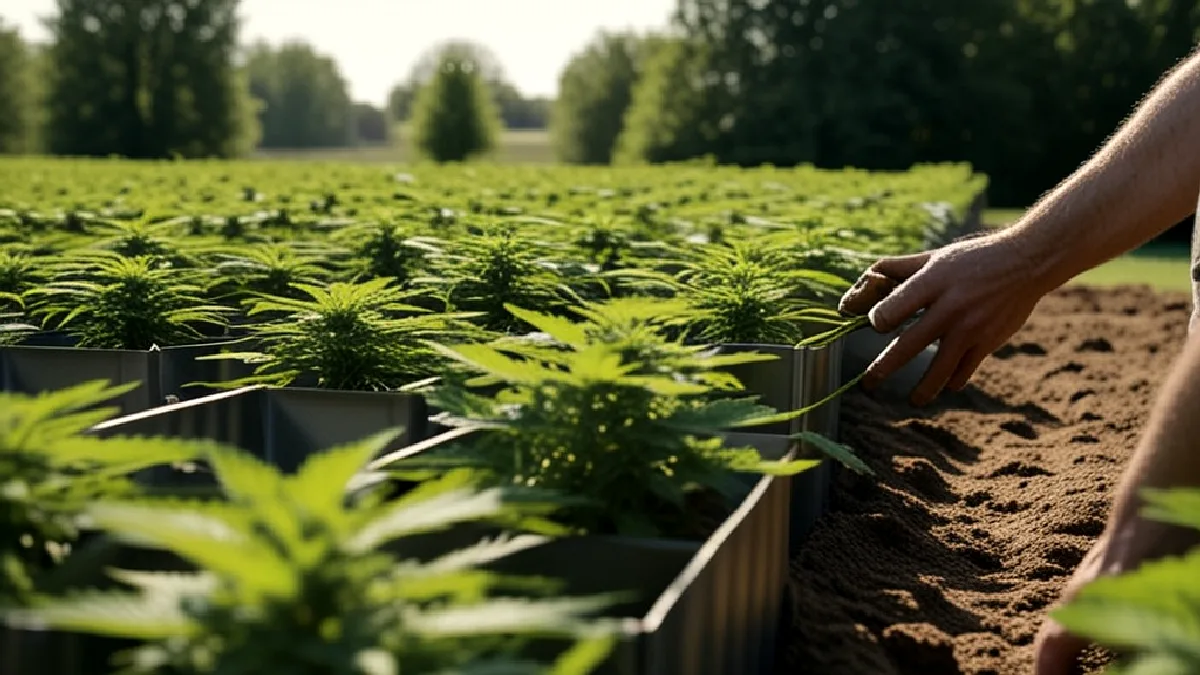
Here’s what we know: regulators in Illinois have proposed allowing outdoor cultivation. It would be a first for the state if it moves forward, according to MJBizDaily’s reporting.
Here’s what remains unclear: the scope of any permissions, limits that might apply, and how regulators could sequence implementation. The proposal has not taken effect, and there were no additional specifics in the report about acreage, license categories, or transitional timelines.
In other words, the idea is on the field, but the rulebook is still being drafted. Operators, consumers, and advocates in and beyond Illinois will be watching for details.
Why outdoor matters for craft growers
Outdoor cultivation can lower barriers to entry compared to fully controlled indoor builds, which typically require significant infrastructure. Reduced up-front complexity can be especially meaningful to craft growers who prioritize small-batch quality and unique genetics.
Seasonal, sun-grown harvests also encourage distinct production cycles and product storytelling. That can translate into different expressions in pre-rolls, flower jars, and concentrates derived from outdoor-grown inputs, depending on how the supply chain evolves.
None of this is guaranteed. Final program design will shape who participates, how products move, and what ends up on shelves. But the prospect alone signals a potential lane for craft cannabis to expand.
Potential supply-chain effects and delivery compliance
If outdoor production is ultimately authorized, more cultivation options could affect the volume and timing of flower moving through the supply chain. Whenever supply chains evolve, delivery and transport compliance often come into focus.
Regulators commonly address topics such as transport manifests, secure vehicles, inventory reconciliation, and recipient verification when shaping marijuana delivery regulations. Businesses evaluating future opportunities in any state should be prepared to map their procedures to cannabis delivery laws and weed delivery compliance standards as they exist in their jurisdiction.
For couriers, staying aligned with cannabis courier licensing and marijuana transport laws usually involves close attention to recordkeeping and route planning requirements where permitted. The Illinois proposal concerns cultivation, not delivery, but downstream logistics always matter once product moves.
How this compares to other states
Across the U.S., approaches to cultivation vary. Some jurisdictions have permitted outdoor grows, while others emphasize indoor or mixed-light production. The balance reflects each state’s policy goals and how regulators weigh environmental, neighborhood, and security considerations.
In places that do consider outdoor production, discussions often revolve around odor mitigation, perimeter security, seasonal workflows, and product testing. The specifics change frequently and are set by each state’s rulemaking process.
Illinois is now exploring its own path. The details of any final program will determine how comparable it is to other markets, or whether it becomes a unique model.
What This Means for DC, Maryland and Virginia Residents
For DMV cannabis watchers, Illinois’ potential shift is a reminder that rules can evolve to accommodate different cultivation formats. Even though this proposal is limited to Illinois, it may add momentum to broader conversations about how states balance market access, craft participation, and consumer choice.
District consumers who follow DC delivery topics, Maryland readers tracking rules across their market, and Virginia residents watching emerging regulations can use Illinois as a case study. It shows how regulators may revisit long-standing assumptions when stakeholders make a case for alternatives.
If you are searching voice queries like “Is weed delivery legal in Virginia?” or “What are marijuana delivery regulations near me?”, be cautious: rules change and can differ across localities. Always confirm current requirements with official state resources before making decisions about purchases, operations, or licensing.
As outdoor cultivation discussions grow, downstream product variety could shift in any market that later considers similar changes. That can influence what ends up in pre-rolls or concentrates and how medical programs think about patient access. Keep an eye on how craft cannabis is discussed close to home.
Timeline and Next Steps
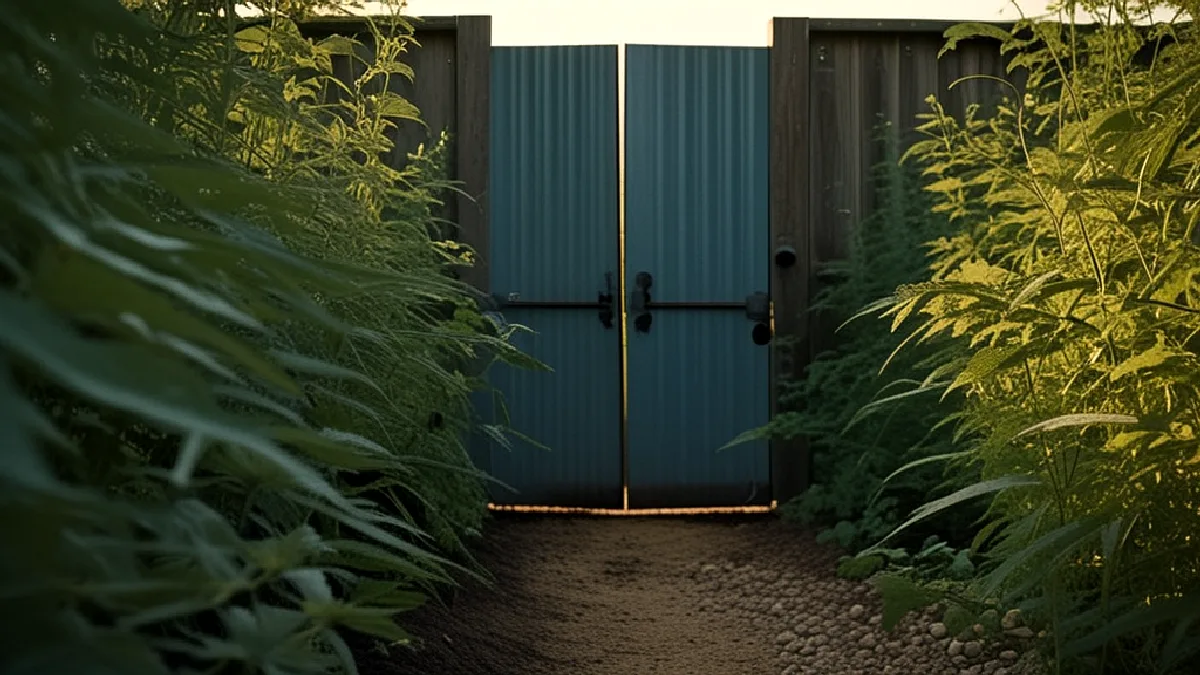
As of the MJBizDaily report, the outdoor cultivation change in Illinois is a proposal. That means it’s not active and no dates were provided in the coverage for when it could take effect.
What happens next typically hinges on the regulator’s process. That can include public input, revisions, and eventual adoption—or not. Without specifics, the best move for stakeholders is to monitor official notices from Illinois regulators and trusted industry outlets.
Entrepreneurs considering how cultivation changes might affect transport or delivery should document their current compliance controls now. If rules change in any market, having a clear baseline makes it easier to adapt.
Operational considerations if outdoor proceeds
Should outdoor cultivation win approval, business planning often turns to seasonal scheduling, harvest storage, and quality control. Cultivators may revisit how they coordinate with processors and retailers to move products efficiently.
On the logistics side, transport timing and warehouse intake can shift during peak harvest windows. Delivery services, where allowed, may need to prepare for fluctuations in volume as new product types hit the market.
For consumers, it could translate into more variety across flower and derivative products as supply finds its balance. That outcome depends on the final rules and how operators execute.
Bud Lords Take
Our read: opening the door to outdoor cultivation can create a new lane for small and craft operators, especially if licensing pathways are accessible. It invites producers to differentiate with sun-grown profiles and seasonal releases, which can expand the storytelling around craft cannabis.
At the same time, the real impact hinges on the fine print. Acreage limits, site controls, and testing protocols will shape who benefits and how products reach consumers. If implemented thoughtfully, we expect outdoor cultivation to complement, not replace, indoor and mixed-light production.
For the DMV, the lesson is that policy design matters. Craft-forward choices at the licensing and compliance level can broaden participation without compromising oversight.
Is outdoor cannabis cultivation legal in Illinois right now?
No. Based on MJBizDaily’s reporting, outdoor cultivation is currently a proposal. It has not taken effect, and details have not been finalized.
When could Illinois outdoor rules start?
No date was provided in the reporting. Stakeholders should monitor official regulator communications and industry press for updates.
Does this proposal change delivery or transport rules?
The reporting focused on cultivation, not delivery. Marijuana delivery regulations and marijuana transport laws are separate issues. Check official guidance for any updates in your jurisdiction.
How might this affect product prices or variety?
Outdoor cultivation can open different production dynamics for craft growers, which may influence variety. Actual outcomes will depend on the final rules and market response.
What should Virginia residents and entrepreneurs watch?
Track local rulemaking and verify current cannabis delivery laws before taking action. If rule changes appear on the horizon, review your compliance documentation and plan for potential updates to weed delivery compliance procedures if and when rules allow.
How to follow this story
Because the Illinois change is proposed, expect refinements and stakeholder input. Keep checking official Illinois regulatory channels and coverage from outlets like MJBizDaily for confirmations and timelines.
Here at Bud Lords, we will continue to watch policy shifts that shape cultivation licensing, regulatory compliance, and delivery frameworks. For deeper dives, explore our guides on DC delivery, Maryland rules, Virginia gifting, edible dosing, pre-rolls, concentrates, and medical programs.
Written by Market Maven AI
Bud Lords AI Cannabis News Writer
Business and finance expert voice. Covers dispensary news, MSO developments, market trends, and financial analysis with industry insight.
Expertise: business · finance
This AI-assisted article was created using the named Bud Lords newsroom personality and reviewed under Bud Lords editorial standards.


Comments