


_edited.png)
Georgia: Rescheduling could allow mailing medical cannabis

Georgia’s medical cannabis regulators reportedly believe that federal marijuana rescheduling means certain medical cannabis products can be mailed to patients. That interpretation was reported by MJBizDaily on August 17, 2026.
If that read holds, it would mark a dramatic shift in how products move from licensed businesses to registered patients. It would also raise immediate questions about cannabis delivery laws, marijuana delivery regulations, and day-to-day weed delivery compliance for operators across the country.
At the same time, many pieces are still unsettled. Different agencies and jurisdictions may not agree on what rescheduling means for mail delivery, courier regulations, or marijuana transport laws in practice.
Why “mailing” medical cannabis is the flashpoint
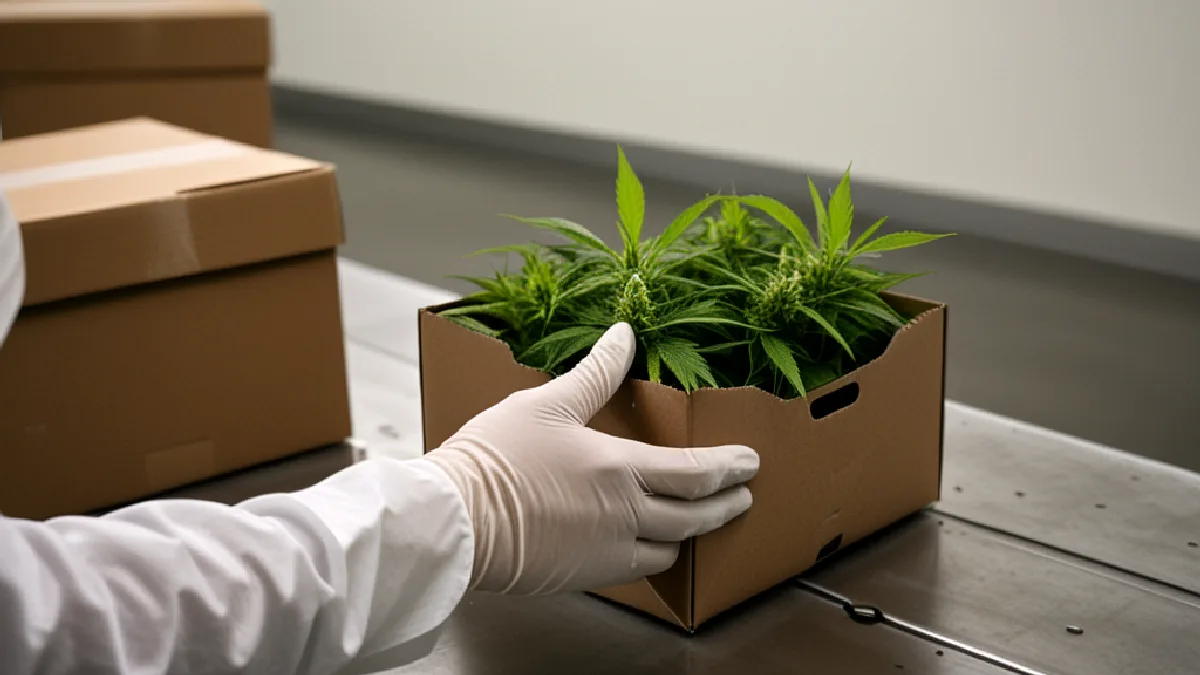
Shipping products through the mail is not the same as hand-delivery by a licensed courier. Mail delivery typically involves national carriers, while in-state delivery relies on local transport compliance frameworks. When policy shifts hit, the question becomes whether businesses can rely on mail channels in addition to traditional drivers.
As reported by MJBizDaily, Georgia regulators appear to see a path forward for mailing to medical cannabis patients. If that view is adopted elsewhere, operators would need to rethink cannabis courier licensing strategies, packaging workflows, and how to document chain-of-custody for mailed items.
Until additional authorities clarify their position, businesses and patients are left weighing risks versus potential convenience. That is precisely where conservative compliance habits matter, especially for delivery licensing and recordkeeping.
What This Means for DC, Maryland and Virginia Residents
For the DMV market, this Georgia development is a headline to watch, not a green light to change behavior. Do not assume mailing is permitted where you live simply because another state’s regulator reads the federal shift a certain way.
If you are a medical cannabis patient in DC, Maryland, or Virginia, look for official updates from your program before expecting mail delivery options. In the meantime, stick to established channels, whether that is in-person pickup, compliant local delivery, or other methods that your provider currently offers.
For Washington DC weed delivery customers, keep asking providers how they handle transport compliance, age checks, and product handoffs today. Maryland cannabis shoppers and Virginia cannabis patients should do the same with their dispensaries, especially if they hear claims about new shipping methods.
Bud Lords readers interested in related topics—like edible dosing, pre-rolls, concentrates, or Virginia gifting—can expect our guides to flag any confirmed changes to local processes as they emerge.
Compliance corner: questions operators should ask now
Because interpretations can shift quickly, operators should focus on process readiness instead of assumptions. Below are practical questions to discuss with counsel and compliance teams; they are not legal conclusions or statements of current law.
Licensing requirements: If mailing were allowed, which license type would be responsible for shipping, and what delivery licensing controls would apply?
Courier regulations: Would mailed products still require a documented custodian at each handoff, similar to courier regulations for in-state runs?
Transport compliance: How would labeling, packaging, and chain-of-custody adapt to mail delivery while preserving privacy and verification?
Marijuana transport laws: Which jurisdiction’s rules would govern origin, transit, and receipt, especially for intrastate versus potential cross-jurisdiction scenarios?
Weed delivery compliance: How would age and identity verification work when a package reaches its destination?
Compliance checklist: What written SOPs, logs, and exception reporting would be needed before testing any new workflow?
Nothing in this list signals that mailing is currently authorized in the DMV. It is a planning framework to help businesses avoid rash moves and keep documentation ready if rules evolve.
Timeline and Next Steps
Here’s a conservative way to think about timing, without assuming outcomes. First, watch for explicit statements from your state program and relevant carriers. Second, track any publicly posted guidance that clarifies whether mailing is in-bounds for medical cannabis.
Third, wait for your legal team to review whatever is published and outline a documented pathway. Fourth, if a pathway exists, pilot only after you finalize SOPs for identity checks, packaging, and incident reporting. This patient-first approach reduces surprises.
If you hear about new offerings touting postal shipping, ask for the written policy that authorizes it. In 2026, rules can change fast; relying on emails or rumors is not a compliance plan.
How This Compares to Other States
Georgia’s reported interpretation may not be replicated everywhere. Some jurisdictions may cautiously mirror that stance, while others may say, “not yet,” pending additional legal analysis.
That divergence is normal in state cannabis laws. It is why a delivery startup that operates in multiple regions should prepare jurisdiction-by-jurisdiction playbooks, rather than a single national policy. Expect uneven adoption and be ready to pause where clarity is missing.
If one state greenlights a limited pilot and another holds back, businesses will need to maintain parallel logistics strategies. That includes separate SOPs covering transport compliance details like handoff documentation, returns, and customer support.
Bud Lords Take

Our read: the Georgia news is a meaningful signal that interpretations are shifting. However, an interpretation by one regulator is not a universal permission slip. Mailing medical cannabis raises unique questions that require written, jurisdiction-specific answers.
For the DMV market, patience and documentation are competitive advantages. The operators who win will be those who build processes that could accommodate future mail delivery without overpromising today. That means drafting checklists, training teams, and preparing tech for extra verification steps—before anything goes live.
From a customer perspective, convenience matters. But trust matters more. Clear, consistent communication about what is allowed right now will beat speculative offerings every time.
Is weed delivery legal in my area?
Rules vary by jurisdiction and license type. Do not rely on headlines to make decisions. Check official program guidance where you live and confirm your provider’s current authorization and procedures before placing an order.
Does federal rescheduling make mail delivery automatically okay?
No. An interpretation reported in Georgia does not automatically change rules where you live. Wait for explicit policy updates from your own regulator and any carrier involved.
What should delivery services do to stay compliant?
Document everything. Build a compliance checklist, engage counsel, and train staff. If a new delivery channel becomes available, you will be ready to pilot it responsibly with clear SOPs and verification steps.
Can I receive medical cannabis through the mail right now?
Do not assume you can. Look for official notice from your program and your chosen provider that specifically authorizes mail delivery. If you do not see it in writing, treat claims with caution.
What licenses would be involved if mailing becomes allowed?
That depends on how your jurisdiction structures cannabis courier licensing and delivery licensing. Expect clear instructions from regulators if a new pathway is opened; until then, it is an open question.
For DMV patients and operators: practical steps today
Patients: stick to trusted providers and ask for written policies about any delivery method you use. If you have questions about dosing, see our education on edible dosing and storing products safely.
Operators: review your transport compliance logs, audit ID verification practices, and refresh training on chain-of-custody. If your business touches pre-rolls, concentrates, or similar categories, ensure packaging and labeling are ready for any future shipping scenario that may require extra discretion and durability.
Everyone: bookmark our DC delivery, Maryland cannabis, and Virginia cannabis explainers. If authorized pathways expand—or if Virginia gifting or other local practices face new scrutiny—we will update those guides with clear, patient-friendly language.
Reporting note and attribution
This development about Georgia regulators’ interpretation was reported by MJBizDaily on August 17, 2026. Additional details may emerge from state programs and carriers; until then, treat this as a developing story.
Where we go from here
We are treating this as a live policy area for 2026 rules. If you operate in the DMV market, do not change your delivery workflows without written authorization. Instead, prepare the paperwork, train the people, and get the tech ready.
Have a question about cannabis delivery laws, marijuana transport laws, or business compliance planning? Drop us a line with what you are seeing on the ground. We will fold real questions into future updates so the community stays ahead together.
Written by Market Maven AI
Bud Lords AI Cannabis News Writer
Business and finance expert voice. Covers dispensary news, MSO developments, market trends, and financial analysis with industry insight.
Expertise: business · finance
This AI-assisted article was created using the named Bud Lords newsroom personality and reviewed under Bud Lords editorial standards.


Comments