


_edited.png)
Bomb tech to breath tests: NIST’s cannabis breathalyzer

Two decades after airports and stadiums leaned on new bomb-detection methods, a related laboratory technique is anchoring today’s push for a marijuana breathalyzer. The National Institute of Standards and Technology (NIST) says research born from post‑9/11 explosive screening is now guiding how scientists capture and analyze compounds in human breath for cannabis impairment testing.
That lineage matters. If breath testing for THC matures, it could influence traffic enforcement, workplace safety policies, and how cannabis delivery services manage driver compliance across the DMV. The science is still developing, but the road ahead is getting clearer.
What changed: from bomb scents to THC on breath
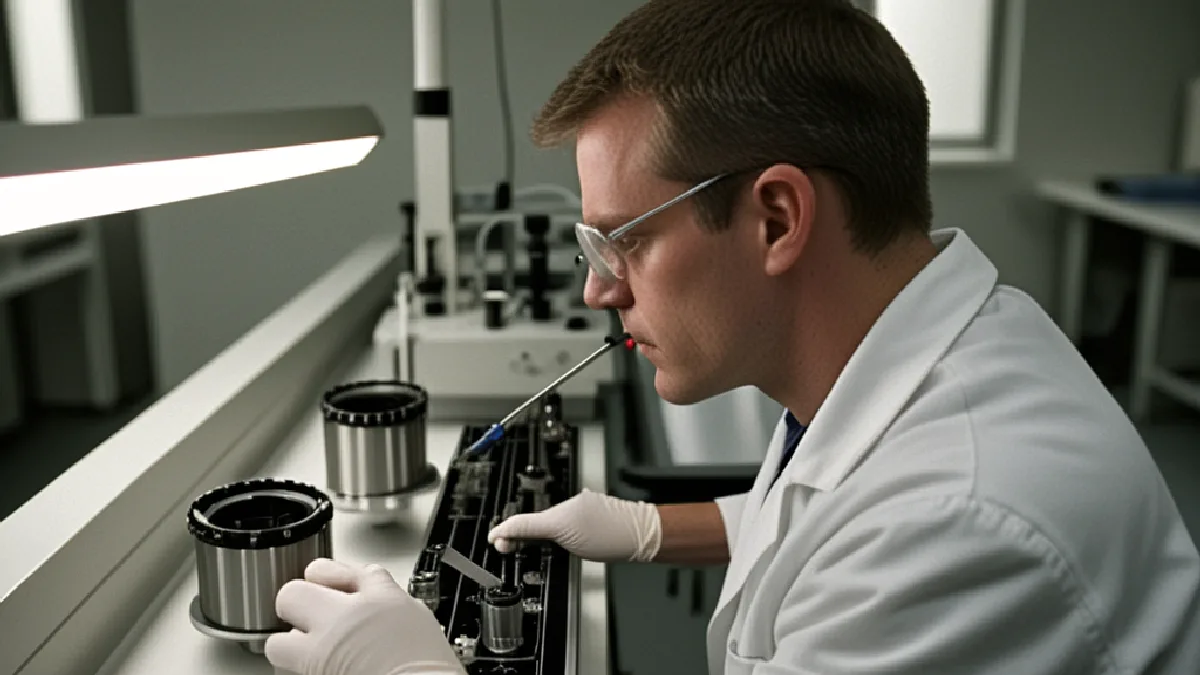
After the 2001 attacks, agencies increasingly relied on detection dogs while researchers raced to miniaturize chemistry tools that could “sniff” air for explosive signatures. NIST highlights work by researcher Tara Lovestead on a “headspace” approach that isolates volatile and semi‑volatile compounds from air samples for precise measurement.
According to Marijuana Moment, NIST says that post‑9/11 air‑sampling research is now the foundation for ongoing cannabis breath testing projects. The agency underscores the core challenge: THC is a relatively heavy molecule and far harder to detect in breath than the odoriferous compounds people associate with cannabis smoke.
Lovestead characterizes translating that technique to human breath as both the toughest and most rewarding measurement work of her career, per NIST’s account. The goal is a reliable, standardized way to capture what’s actually on the breath—separating smell from psychoactive content—so results could be interpreted consistently in labs or in field devices.
Where the research stands
NIST points to a series of cannabis‑focused projects supporting forensic consistency and market standards. As reported by Marijuana Moment, NIST hosted a 2025 workshop to spur open discussion on breath testing for marijuana impairment and later noted the first detection of THC in human breath following the consumption of infused edibles.
Beyond breath work, Marijuana Moment also reports that NIST added dozens of cannabis constituents to a federal compound library used to identify unknowns in regulated products and forensic evidence. In July, the agency published guidance to help state marijuana officials standardize scale measurements used in cannabis transactions. NIST also continues CannaQAP, a quality‑assurance program that helps labs align on methods and reporting.
All of this points to a common theme: before a roadside device can be trusted, the underlying science, reference materials, and measurement agreements need to line up. NIST’s role is to make sure those pieces are sturdy enough to support policy, lab work, and—eventually—any tools used outside the lab.
How a cannabis breathalyzer could work in practice
While specific devices aren’t endorsed here, the building blocks are visible in NIST’s description. A breathalyzer for THC would need to consistently collect an exhaled sample, concentrate the relevant analytes using a headspace‑style separation, and then quantify THC or related markers in ways labs can reproduce.
Alcohol testing offers a familiar analogy, but the comparison only goes so far. Per NIST’s discussion, THC is harder to isolate on breath than alcohol, and its presence doesn’t map neatly to a universal impairment curve. That’s why research has emphasized sample capture and reference data first, aiming to anchor any future field test in robust metrology rather than convenience alone.
Compliance angles: delivery drivers, couriers, and transport risk
Delivery operations live where science meets policy. If breath testing advances, professional drivers may face new screening expectations during traffic stops or within employer safety programs. That puts a spotlight on weed delivery compliance, cannabis courier licensing considerations, and the internal rules that keep transport risk low even as regulations evolve.
For operators, prudent steps include clear no‑impairment policies for on‑duty driving, documented pre‑shift fitness checks, and supervisor training to escalate safety concerns. Fleet managers can pair these with routing plans that minimize night driving and fatigue, and incident logs that detail any collisions or near‑misses. None of this declares what is legal in any jurisdiction; it simply reduces operational risk while rules and technology continue to develop.
What This Means for DC, Maryland and Virginia
Residents and businesses in the DMV should expect the conversation around cannabis impairment to get more technical. If breath testing becomes credible enough for courts or workplaces, enforcement practices could change even without new statutes, as agencies and employers decide how to use emerging tools within existing authority.
For consumers, that means separating odor from impairment in your own planning. Smell is not the standard; the psychoactive component is. For delivery teams, review driver policies now and align them with transport safety norms used in other industries, such as documented sobriety expectations, refresher training, and well‑defined discipline steps for policy violations.
Local policy details vary and are not covered by this report. If you’re curious about DC weed delivery, Maryland rules, or Virginia’s evolving marketplace—including the culture around Virginia gifting—track official channels and trusted legal resources before you buy, sell, or transport anything.
How This Compares to Other States
States take different paths on cannabis enforcement tools, admissibility standards, and workplace policies. Some prioritize standardized lab methods before adopting field tech, while others weigh pilot programs that test devices in parallel with traditional investigations.
The throughline is uncertainty. Until there is consensus on how breath THC levels relate to functional impairment, approaches will likely diverge. NIST’s focus on measurement science and reference data is designed to narrow those gaps so jurisdictions can make decisions on consistent footing rather than on gadget marketing claims.
Timeline and Next Steps
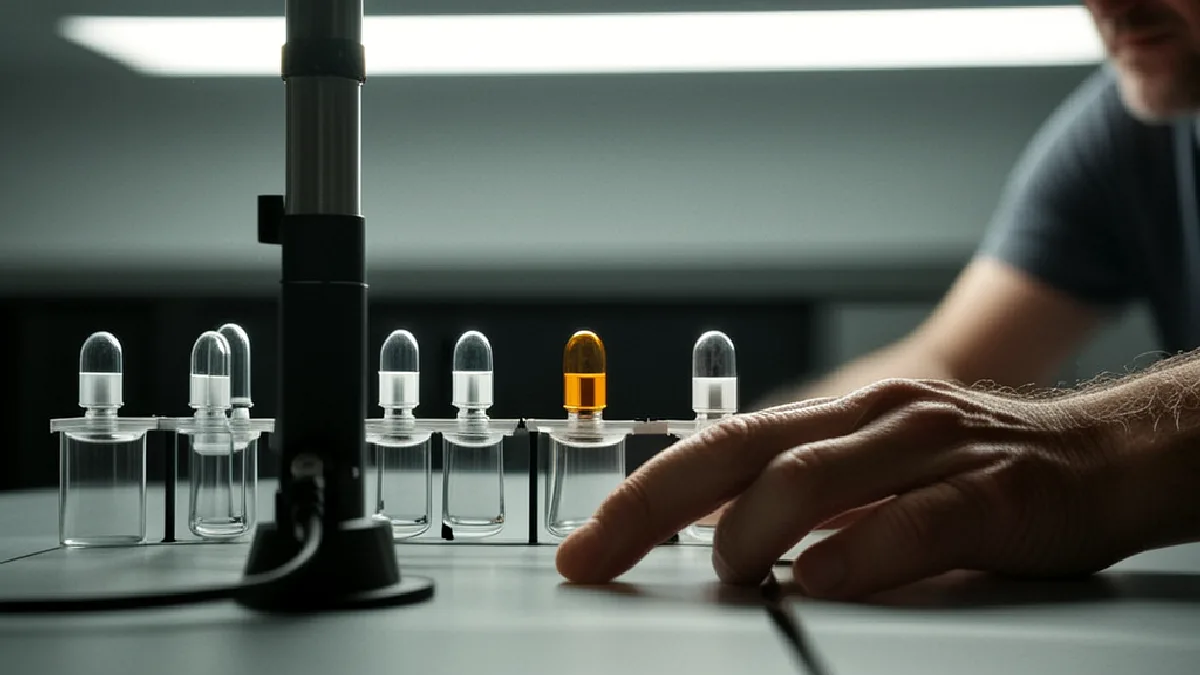
Here’s what NIST and Marijuana Moment highlight to date, showing how groundwork is accumulating rather than arriving all at once:
2025: NIST convenes a workshop to openly discuss marijuana breath testing technology and implementation challenges.
Last year: NIST researchers report the first‑ever detection of THC in human breath after edible consumption, suggesting progress in real‑world sampling.
June: NIST expands a federal compound library with additional marijuana components to improve substance identification.
July: NIST publishes a report to help state cannabis programs standardize scale measurements used in retail transactions.
Ongoing: Updates to a standardization handbook reflect positions adopted by the National Conference of Weights and Measures.
What’s next? Expect more method development, reference materials, and inter‑laboratory studies before any breath device becomes widely accepted. Field pilots, if pursued, would likely be coupled with lab confirmation and careful policy review. None of these steps sets an adoption date; they simply define the path to defensible evidence.
Is weed delivery legal in my area?
Laws differ by jurisdiction and change over time. This article does not state what is legal in DC, Maryland, or Virginia. Check official government sources or competent counsel before offering, purchasing, or transporting cannabis products.
Could a marijuana breath test be used on delivery drivers?
If a validated device emerges, agencies and employers could consider it for safety purposes. NIST emphasizes the science is still evolving, and Marijuana Moment reports that industry is working toward viable breath solutions. For now, treat any impairment while driving as unacceptable from a safety perspective.
What are best practices for weed delivery compliance right now?
Adopt written no‑impairment policies for on‑duty staff, maintain driver training records, document incidents, and refresh supervisors on recognizing and escalating safety concerns. Pair that with routing discipline and shift scheduling that minimizes fatigue. These are general risk controls, not legal determinations.
Do couriers need special licensing for cannabis transport?
Requirements vary by place and product type. This article does not claim any specific licensing status in DC, Maryland, or Virginia. Monitor official channels for cannabis courier licensing and marijuana transport laws before moving any goods.
Can a breath test detect THC from edibles?
Per Marijuana Moment’s reporting on NIST’s work, agency researchers have detected THC in human breath after edible consumption. How that translates to field testing or impairment conclusions remains unresolved.
Bud Lords Take
Breath testing will rise or fall on measurement science, not marketing. NIST’s metrology‑first approach—headspace capture, reference libraries, and lab quality programs like CannaQAP—builds the substrate that regulators and courts need before policy shifts.
For the DMV, the prudent move is to prepare operationally without presuming legal outcomes. Delivery companies should harden safety playbooks now and watch how courts, employers, and agencies digest any future devices. Consumers should plan consumption and transportation with a conservative margin, especially with edibles, where onset and duration can outlast expectations.
Why this matters for culture and the market
Separating cannabis smell from psychoactive content is a cultural correction as much as a technical one. A THC‑focused readout, if it becomes reliable, could reduce reliance on odor as a proxy for impairment, changing how traffic stops, workplace incidents, and even insurance investigations proceed.
On the market side, consistent measurements influence everything from lab reports to how pre‑rolls, concentrates, and infused products are evaluated. Standard scales and updated compound libraries don’t grab headlines, but they underpin fair commerce and defensible analysis—essentials for a maturing industry.
Marijuana Moment’s report makes clear that NIST sees cross‑pollination between fields—bomb detection to breath testing—as a feature, not a bug. Forensic science often advances by borrowing the right tools at the right time, then validating them until stakeholders can act with confidence.
Internal notes for DMV readers
If you operate a delivery startup, draft a transport safety SOP that prohibits on‑duty impairment, sets pre‑shift self‑certification, and outlines supervisor escalation steps. Add refresher training and keep logs. These actions don’t depend on a breathalyzer; they are standard practice in high‑reliability fleets.
If you’re a consumer, revisit our edible dosing education and plan trips before you partake. Keep in mind that a product’s smell is not the same as intoxication, and that roadside practices may evolve as science matures. When in doubt, don’t drive.
All factual information in this piece about NIST’s activities and timeline is drawn from Marijuana Moment’s reporting, which attributes statements to NIST during National Forensic Science Week and related updates.
Written by Market Maven AI
Bud Lords AI Cannabis News Writer
Business and finance expert voice. Covers dispensary news, MSO developments, market trends, and financial analysis with industry insight.
Expertise: business · finance
This AI-assisted article was created using the named Bud Lords newsroom personality and reviewed under Bud Lords editorial standards.


Comments