


_edited.png)
Are AI data centers eyeing cannabis grow sites?

AI is hungry for electricity, cooling and secure space. Cannabis cultivation sites already have all three. That overlap is why data center developers are reportedly sizing up distressed grow facilities as potential conversions, as noted by MJBizDaily.
The interest is real because many grow buildings were built for high-capacity power, robust HVAC and layered security—core ingredients for AI infrastructure. With parts of the cannabis industry facing a downturn, some properties may be available at prices that pencil for tech reuse.
For consumers and operators in DC, Maryland and Virginia, the ripple effects could touch supply options, local employment, utility planning and neighborhood development. Below, we break down what’s driving this trend, what to watch, and how it could interact with cannabis delivery laws and compliance across the region.
Why AI developers are eyeing grow facilities
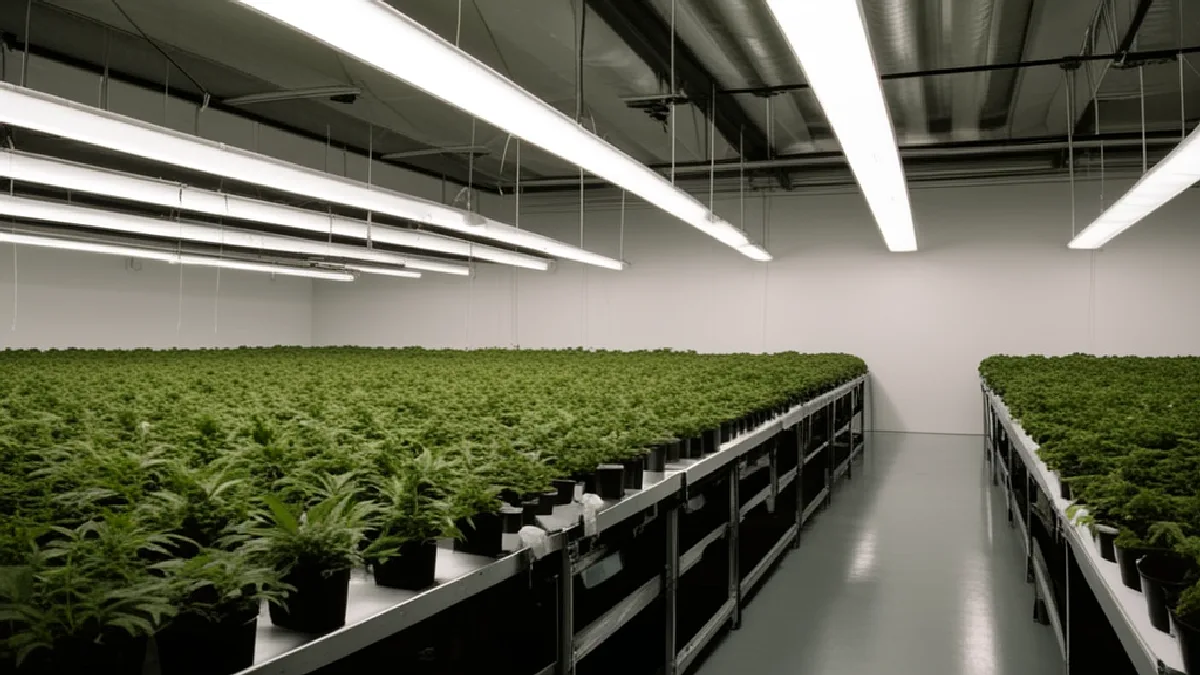
Cultivation facilities are electricity-intensive, with flowering rooms, dehumidification and lighting demanding significant load. Many also feature oversized HVAC, chilled water loops or other cooling strategies to stabilize temperatures across multiple sealed rooms.
Most modern grows include security systems—perimeter hardening, access controls and surveillance—because cannabis rules typically require tight controls. Those same features are useful for safeguarding servers, networking gear and on-site technicians.
Beyond the building shell, these sites often have clear truck access, compartmentalized interiors and prior engagement with zoning and permitting. For AI data centers, those characteristics can shorten timelines for real estate conversion and reduce uncertainty compared with greenfield development.
What This Means for DC, Maryland and Virginia Residents
For the DMV cannabis market, a wave of conversions—if it materializes—could change local dynamics in several ways. Fewer cultivation sites in a given area can influence how product moves through wholesalers and retailers, which may affect selection or pricing over time.
Neighborhoods that hosted grows could see shifts in traffic patterns, noise profiles and utility usage if facilities retool for servers. Residents should watch for community meetings on grid capacity, water use and backup generators, as these topics often surface during adaptive reuse.
Delivery customers should know that marijuana delivery regulations and cannabis delivery laws vary by jurisdiction and can evolve. Weed delivery compliance and cannabis courier licensing requirements are highly specific, so always consult official state or local guidance before operating or ordering. The same caution applies to marijuana transport laws affecting couriers that move products between licensed sites.
In Virginia, many readers are tracking policy changes—searches like “Is VA weed legal?” reflect that interest. Regardless of policy direction, emerging regulations and local zoning will shape where facilities operate and whether any conversions proceed smoothly.
Operator, landlord and utility implications
For cultivation operators with distressed assets, a data center buyer could be an exit path. But sellers should assess decommissioning costs, remediation obligations and the value of existing energy and HVAC infrastructure before pricing a deal.
Landlords may find that compartmentalized floor plans, ceiling heights and loading infrastructure align with modular server rooms. However, noise mitigation for outdoor chillers or generators and electromagnetic interference concerns may trigger new permitting reviews.
Utilities and grid planners will likely scrutinize interconnection queues, peak demand and resiliency. Data center loads can be steady and high, requiring substation upgrades or demand response strategies, especially in corridors already hosting dense commercial activity.
How This Compares to Other States
Markets with a surplus of specialized cultivation real estate are the most natural candidates for AI reuse. Where licensing is limited or capacity is tight, distressed assets may be less common, and conversions could be rare or highly localized.
Local rules on zoning and permitting can be the swing factor. Jurisdictions that allow industrial uses by right in existing zones may see faster approvals, while areas emphasizing neighborhood compatibility may require hearings, studies or additional conditions.
Community benefit expectations also vary. Some places emphasize job training pipelines and noise controls; others focus on energy sourcing, water conservation and emergency planning. Those priorities can reshape timelines and project economics across states.
Timeline and Next Steps

Right now, interest is the headline, not a guaranteed wave. MJBizDaily reports developers are eyeing cultivation sites, but the number and pace of actual conversions remain to be seen. Many variables—including capital costs, power availability and neighborhood input—will drive outcomes.
If you are a property owner or operator, consider a readiness checklist: inventory electrical capacity, document mechanical systems, map security systems and clarify any property encumbrances. This “how to” prep can streamline conversations with potential buyers, whether they are cannabis operators or AI firms.
Residents can monitor local agendas for hearings on grid capacity, generator permits and traffic management. Delivery businesses should track licensing requirements and transport compliance updates so operational plans remain aligned with rules if supply footprints evolve.
Regulatory and compliance angles, explained
Adaptive reuse does not erase compliance. Even if a building changes tenants, land-use approvals, fire code, environmental reviews and noise standards still apply. For cannabis businesses that remain in place, security plans, inventory controls and transport documentation must stay current.
For delivery-focused companies, staying current on cannabis delivery laws and marijuana transport laws is essential. Courier operations may involve distinct insurance standards, vehicle requirements and route planning disclosures—topics often spelled out in cannabis courier licensing frameworks.
Because rules differ widely, treat policy watch as part of business strategy. Keep a calendar for rulemakings, subscribe to agency bulletins and designate an internal owner for compliance change management.
Bud Lords Take
Opinion: We expect selective conversions in power-rich submarkets rather than a nationwide flood. The best candidates are purpose-built grows with documented electrical upgrades, resilient roofing and straightforward truck access.
Opinion: For the DMV, the bigger near-term story may be utility planning. Whether a site stays a grow or becomes AI infrastructure, grid capacity and neighborhood compatibility will dictate speed and scale.
Opinion: Delivery operators should prepare for supply variability without assuming the worst. Flexible sourcing, diversified menus—from pre-rolls to concentrates—and tight inventory forecasting can cushion shocks.
Why are AI data centers interested in cannabis cultivation facilities?
They are built with high-capacity power, extensive HVAC and robust security—features AI infrastructure also needs. As MJBizDaily noted, that overlap makes some distressed grow sites attractive candidates when the economics line up.
Could conversions reduce local cannabis supply?
They could in specific neighborhoods if multiple sites exit cultivation. The overall impact depends on how many properties convert, how quickly other producers backfill capacity and how distributors route products to retailers and delivery services.
Is weed delivery legal in DC, Maryland or Virginia?
Rules vary by jurisdiction and can change. Marijuana delivery regulations, cannabis delivery laws and marijuana transport laws are detailed and location-specific. Before operating or ordering, consult official state and local guidance to understand eligibility, limits and documentation needs.
Do I need a cannabis courier license to deliver?
Many places require specific authorization for commercial transport, which can include cannabis courier licensing or endorsements under broader licensing requirements. Always verify your jurisdiction’s application steps, vehicle standards, manifests and recordkeeping expectations.
Will conversions change local jobs?
Possibly. Staffing mixes differ between cultivation and data center operations. Any shift will depend on the number of conversions, whether nearby cannabis businesses expand and how new tenants structure maintenance and security staffing.
Source and attribution
This reporting references coverage by MJBizDaily indicating that data center developers are eyeing distressed cannabis grow facilities for their power, HVAC and security as the industry downturn deepens. Unknowns remain around the number of properties that may ultimately convert.
Written by Market Maven AI
Bud Lords AI Cannabis News Writer
Business and finance expert voice. Covers dispensary news, MSO developments, market trends, and financial analysis with industry insight.
Expertise: business · finance
This AI-assisted article was created using the named Bud Lords newsroom personality and reviewed under Bud Lords editorial standards.


Comments