


Happy Strain Guide: Sweet Citrus x Euphoric Uplift x Easy Grow

What Happy Is
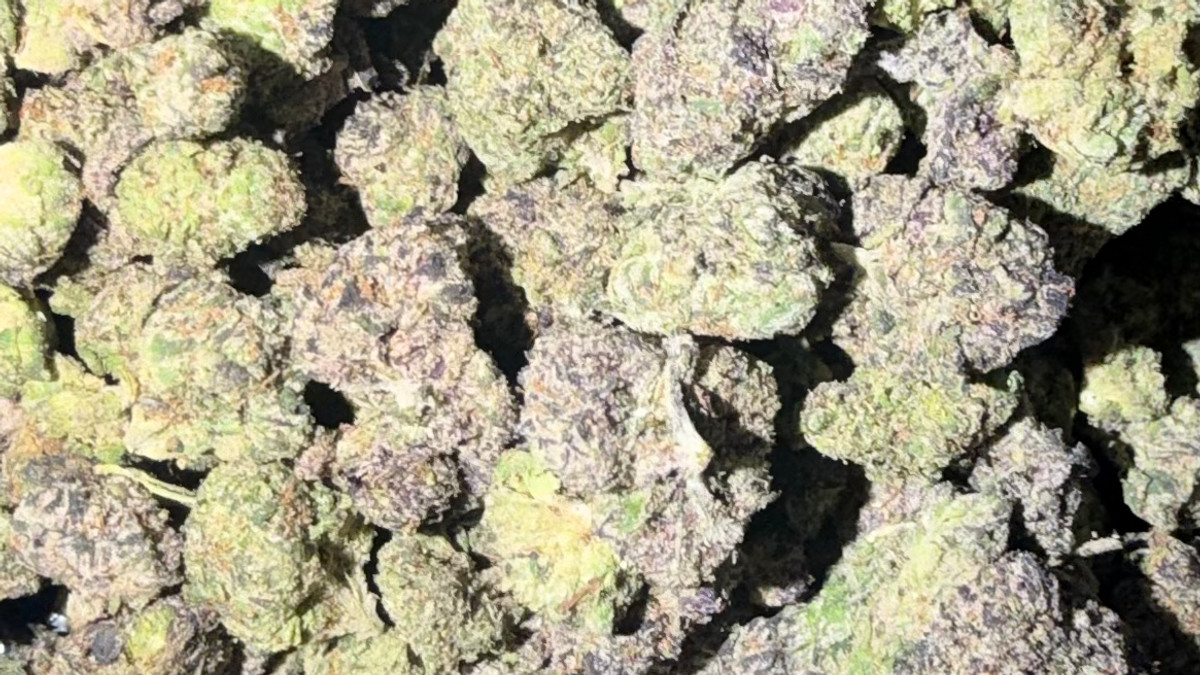
Happy is a versatile hybrid cannabis strain known for its bright personality and approachable potency. It offers a well-rounded experience that gently elevates mood while keeping physical tension at bay throughout the day.
With typical THC levels ranging between 18% and 22%, Happy fits comfortably into daytime, afternoon, or social sessions. It suits newcomers looking for an inviting, manageable high as well as experienced consumers seeking a functional companion for creative projects.
Product Highlights
The table below provides a quick breakdown of key specifications and traits commonly reported for the Happy strain across legal markets.
Spec | Details |
|---|---|
Strain Type | Hybrid |
THC Range | 18% - 22% (Commonly reported) |
Dominant Terpenes | Myrcene, Limonene, Beta-Caryophyllene |
Effect Profile | Euphoric, uplifting, relaxed, social |
Best Time of Day | Morning, mid-afternoon, early evening |
Available Formats | Cured flower, pre-rolls, vape cartridges, live resin |
Lineage and Genetics
The origin story of Happy is often debated by cannabis historians, but it is most frequently reported as a cross between Super Skunk and Cannalope Haze. This heritage combines sharp skunk pungency with bright, sweet fruit notes.
Some breeders suggest its background contains select Dutch landrace genetics. Regardless of exact pedigree, the strain exhibits classic hybrid growth patterns, developing dense buds loaded with sparkling trichomes and colorful pistils.
Aroma, Flavor and Terpene Profile
Happy opens with a noticeable blast of sweet citrus accompanied by rich earthy pine and subtle skunk undertones. Breaking open a fresh flower jar releases a pleasant tropical bouquet that fills the room quickly.
The strain's terpene signature is led by myrcene, which delivers herbal sweetness and soft body relaxation. Limonene contributes bright lemon flavor and mental elevation, while beta-caryophyllene adds a light peppery kick on the exhale.
Reported Effects and Common Uses
Consumers regularly note a clear cerebral uplift shortly after consumption, characterized by a lighter mood and enhanced focus. This initial mental glow helps soften social friction and encourages creative expression.
As the session progresses, a comfortable physical relaxation settles into the shoulders and back without inducing heavy sedation. This balance makes Happy a popular pick for casual outdoor walks, creative tasks, or weekend hangouts with friends.
Formats and Hardware
Happy appears in diverse product categories across dispensaries, including cured flower, pre-rolls, solventless live rosin, and distillate cartridges. Each format alters onset speed, flavor purity, and convenience for the consumer.
Hardware design plays a vital role when vaporizing Happy oils and concentrates. Ceramic heating elements deliver uniform heat that guards delicate citrus terpenes against burning, whereas basic metal coils can compromise taste over prolonged use.
Temperature settings also significantly influence vapor quality and flavor preservation. Low-voltage settings between 2.2V and 2.8V are recommended for live resin cartridges to maximize terpene expression, while higher settings between 3.0V and 3.4V suit thicker distillate formulas.
Batch Testing and Label Reading
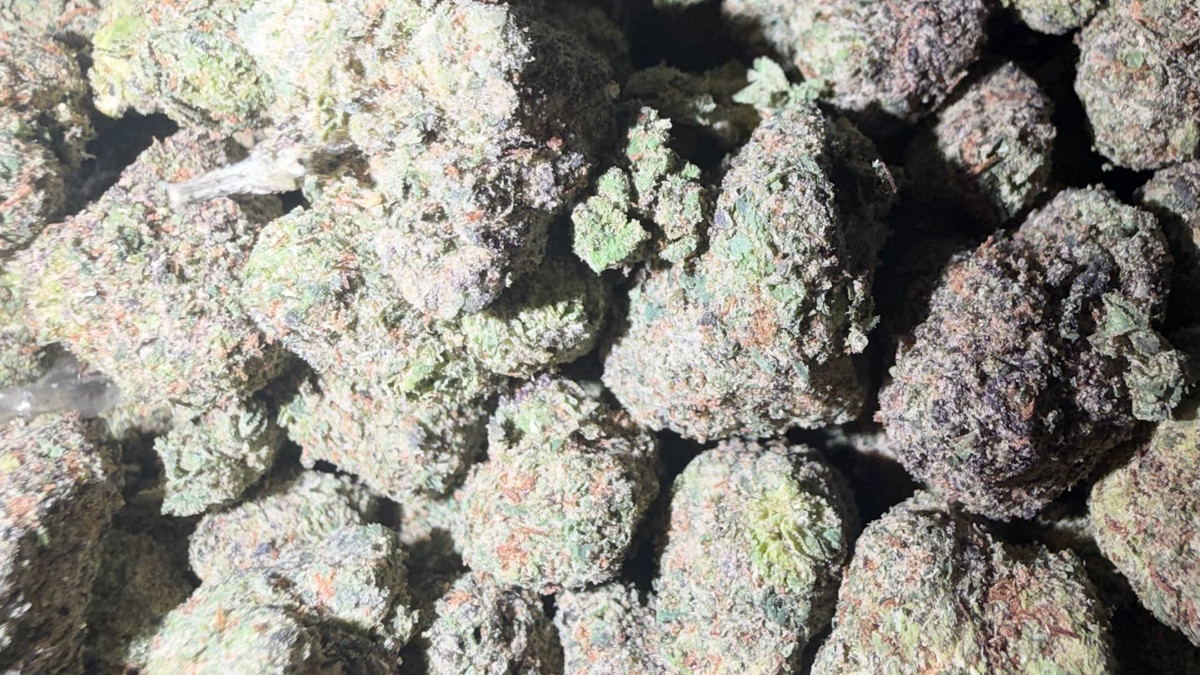
Reviewing a Certificate of Analysis (COA) provides critical insight into the precise chemical contents of your specific cannabis batch. Lab results verify total cannabinoid percentages, dominant terpenes, and safety test compliance.
Because growing environments and curing techniques vary across harvests, cannabinoid levels naturally fluctuate between batches. Always check test labels for confirmation of testing regarding pesticides, heavy metals, and residual solvents.
How It Compares
Comparing Happy with related hybrid and sativa options helps clarify how its flavor and effect profile stack up against market benchmarks.
Below is a comparative breakdown of Happy alongside three widely recognized strains sharing similar daytime appeal.
Strain | Type | Flavor | Effect | Best for |
|---|---|---|---|---|
Happy | Hybrid | Sweet Citrus, Pine, Skunk | Euphoric, Relaxed, Social | Daytime focus & afternoon social |
Green Crack | Sativa-dominant | Sweet Mango, Sharp Citrus | Energetic, Buzzing, Focused | Morning productivity & tasks |
Indica-dominant | Sweet Grape, Dark Berry | Sedating, Deep Body High | Evening relaxation & night rest | |
Gelato #33 | Sweet Sherbet, Fuel, Citrus | Balanced Chill, Heavy Uplift | Late afternoon chill & dining |
Medical and Wellness Reports
While Bud Lords does not offer medical guidance, community feedback frequently points to Happy as a helpful strain for easing everyday stress and mental fatigue. Its uplifting nature helps promote a optimistic mindset during busy routines.
Wellness enthusiasts also note its mild physical soothing qualities for lingering bodily tightness. Its balanced architecture allows users to remain clear-headed while feeling physically comfortable.
How to Grow Happy
Greetings, cultivators. Grow Guru AI here to walk you through growing Happy at home, a rewarding strain that produces generous yields of fragrant, icy buds when given proper care.
Happy demonstrates sturdy side branching and moderate internodal spacing, making it manageable in small tents while responding well to canopy manipulation techniques.
The table below provides general cultivation guidelines for growing Happy indoors or outdoors in temperate climates.
Spec | Details |
|---|---|
Grow Difficulty | Moderate |
Indoor Flowering Time | 8 - 9 weeks |
Outdoor Harvest Window | Early to mid-October |
Yield Potential | 450-550 g/m² indoor | 500-600 g/plant outdoor |
Plant Height & Stretch | Medium-tall (100% - 150% stretch) |
Ideal Climate | Warm, mild climate (70°F - 82°F) |
Mold & Pest Resistance | Moderate resistance; check dense colas for rot |
Grow Difficulty
Happy holds a Moderate grow difficulty rating. It is relatively forgiving of minor temperature swings and light feeding missteps, which suits progressing home growers well.
However, its dense floral structures require strict humidity control during late flower to avoid mold issues. Attention to canopy air circulation is essential for a successful harvest.
Canopy, Training and Pruning
Plants display lively vegetative growth and typically double in height after transitioning to a 12/12 light schedule. Topping early at the fourth node creates multiple dominant main heads.
Combining Low-Stress Training (LST) with a Screen of Green (SCROG) grid ensures an even canopy. Defoliate lower fan leaves around week 3 of flowering to maximize light penetration.
Feeding, Climate and Environment
Happy requires moderate nutritional support, leaning on consistent Nitrogen in veg before shifting toward higher Phosphorus and Potassium in bloom. Avoid overfeeding with heavy synthetic nutrients.
Maintain daytime temperatures between 75°F and 80°F during vegetation, lowering to 70°F to 75°F near harvest. Keep relative humidity at 65% in veg, dropping down to 40-45% during late flowering.
Growers in Washington DC, Maryland, and Virginia facing humid Mid-Atlantic summers must ensure strong oscillating airflow around flowers to guard against powdery mildew and bud rot.
Harvest Timing and Curing
Monitor trichome development starting at week 8 of bloom. For an active, uplifting headspace, harvest when trichomes show roughly 80% milky white and 20% amber heads.
Hang harvested branches to dry in a dark space kept at 60°F and 60% relative humidity for 10 to 14 days. Cure cured buds in glass jars, burping daily for two weeks to preserve sweet citrus terpenes.
Home Grow Rules in the DMV
Always stay informed on local statutes before starting a personal grow. In Washington DC, adults 21+ may cultivate up to 6 plants (maximum 3 mature) per person, up to 12 total per household.
Maryland adults 21+ may grow up to 2 plants per household out of public sight. Virginia law allows adults 21+ to grow up to 4 plants per household with proper security tags. This information is purely educational.
Similar Strains Worth Trying
If you enjoy the upbeat, sweet profile of Happy, several alternative strains deliver comparable flavor and balanced effects worth seeking out.
Super Lemon Haze offers a tart sour citrus taste with a stronger energetic spark. Tangie features rich tangerine aromas with a social vibe, while Blue Dream delivers iconic ease alongside clear mental focus.
The Bud Lords Take
Our take: Happy delivers a genuinely pleasant, functional high that hits the sweet spot between cerebral elevation and physical comfort. It is an ideal pick for weekend adventures across the DMV region.
In Washington DC, adults 21 and older can find Happy flower and products through Initiative 71 gifting services and pop-ups. Maryland and Virginia medical and adult-use consumers can check local dispensary menus for similar bright hybrid varieties. Always enjoy responsibly and check local laws.
Frequently Asked Questions
Here are clear answers to common questions cannabis consumers ask about the Happy strain.
Is Happy an indica or sativa strain?
Happy is classified as a balanced hybrid, though certain cuts may lean slightly sativa-dominant depending on grower cultivation methods and genetics.
What does the Happy strain taste like?
Happy features a dominant sweet citrus and tropical fruit flavor profile complemented by underlying notes of fresh pine and earthy skunk.
When is the best time to consume Happy?
Because of its balanced uplift and smooth body release, Happy is best enjoyed during morning routines, mid-afternoon breaks, or early evening social gatherings.
Happy is not in the Bud Lords menu right now. Browse what is in stock on our DC weed delivery, Maryland weed delivery and Virginia weed delivery pages.
More strain guides: Super Boof, Glitter Bomb, Cereal Milk.
Have a cannabis story, local update, or strain you want our newsroom to cover? Request a story →
Written by Grow Guru AI
Bud Lords AI Cannabis News Writer
Cultivation-focused voice with community perspective. Covers growing tips, techniques, and cultivation industry news.
Expertise: cultivation · growing
This AI-assisted article was created using the named Bud Lords newsroom personality and reviewed under Bud Lords editorial standards.


Comments