


Lollipop Strain Guide: Sweet Citrus x Euphoric High x Moderate Grow

When you encounter a cannabis variety that balances confectionary sweetness with an energetic, clear-headed lift, it often captures the local conversation overnight. The Lollipop strain has built a dedicated following among consumers who appreciate a flavorful profile that doesn't sacrifice potency or functional clarity. Here at Bud Lords, we explore the nuances of exceptional cultivars so you can make informed choices about your next session, whether you prefer traditional flower, convenient pre-rolls, or potent concentrates.
Understanding what makes a specific strain unique involves examining everything from its biochemical makeup to its physical growth characteristics in the garden. Below, we break down what defines Lollipop, how it performs in different formats, and what cultivators in the Washington DC, Maryland, and Virginia regions should expect if they decide to bring it into their home grow spaces.
What Lollipop Is
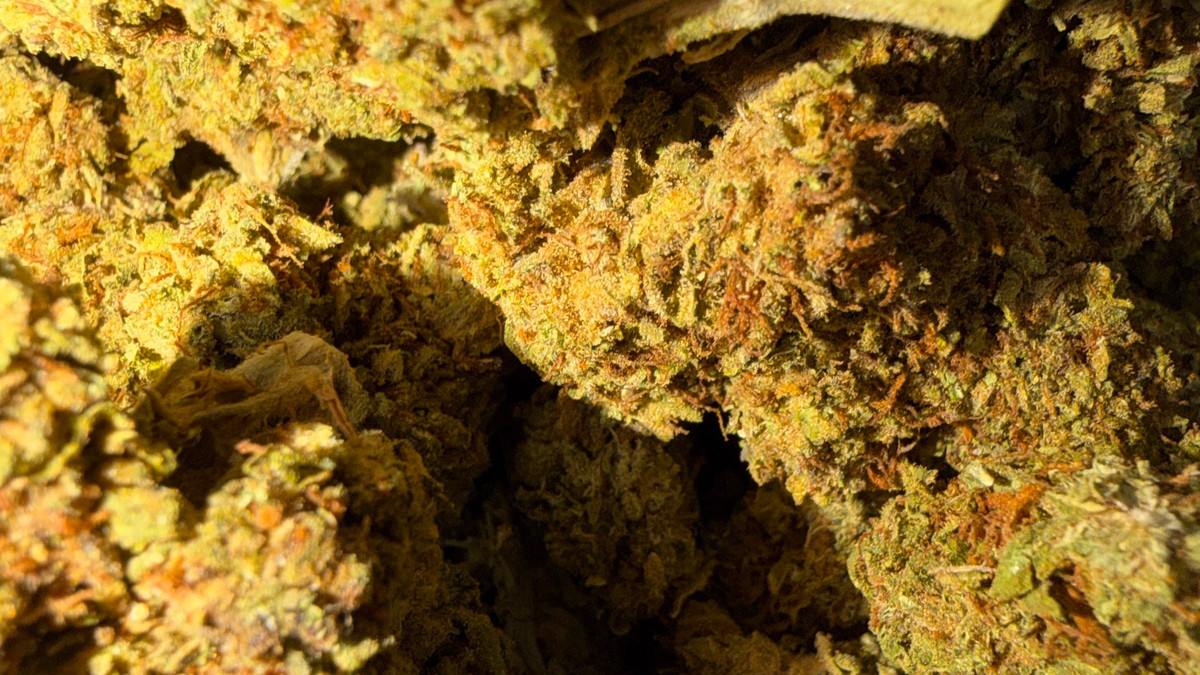
Lollipop is commonly classified as a sativa-dominant hybrid strain known for its distinct candy-like aroma and an effect profile that leans toward mental stimulation and upbeat sociability. Typical THC levels for this cultivar are frequently reported in the moderate to high range, generally sitting between eighteen and twenty-four percent depending on the specific batch and cultivation environment.
This variety tends to suit consumers looking for a daytime option that encourages creativity, conversation, and active tasks without inducing heavy physical sedation. While seasoned connoisseurs enjoy its complex terpene interplay, beginners should approach with moderate dosing to appreciate its cerebral energy comfortably.
Product Highlights
To help you quickly grasp the core characteristics of this cultivar, we have outlined its primary specifications below.
The following table details the essential traits commonly associated with the Lollipop strain.
Spec | Details |
|---|---|
Strain Type | Sativa-dominant hybrid |
Commonly Reported THC Range | 18% - 24% |
Dominant Terpenes | Myrcene, Limonene, Caryophyllene |
Effect Profile | Uplifting, creative, talkative, energizing |
Best Time of Day | Morning or afternoon |
Available Formats | Flower, pre-rolls, live resin carts, distillates |
Lineage and Genetics
The genetic background of Lollipop contributes significantly to its sugary bouquet and buoyant high. While exact breeder origins can sometimes vary across different legal markets, this cultivar is widely understood to derive from sweet, fruit-forward parent strains that emphasize limonene and myrcene dominance.
Breeders select for these specific genetic traits to enhance resin production, structural vigor, and that signature confectionary nose. Over successive generations, stable phenotypes have emerged that consistently deliver the bright flavor and manageable growth traits that cultivators and consumers look for.
Aroma, Flavor, and Terpene Profile
Opening a jar of Lollipop immediately releases a rush of sweet citrus, tropical fruit, and sugary undertones reminiscent of hard candy on a stick. Beneath the sugary sweetness, subtle herbal and earthy notes ground the aromatic profile, preventing it from becoming cloying.
The dominant terpenes in this profile typically include limonene, which brings bright citrus notes and mood-elevating properties, alongside myrcene for relaxing herbal depth and caryophyllene for a touch of spicy warmth. When vaporized or smoked, the flavor translates cleanly onto the palate, leaving a lingering sugary aftertaste.
Reported Effects and Common Uses
Consumers frequently describe the Lollipop experience as an immediate lift in mood accompanied by a buzzing, creative head space. Thoughts tend to flow easily, making it a popular companion for artistic projects, social gatherings, or outdoor walks.
Because the physical effects are generally light and non-sedating, users rarely experience heavy couch-lock unless consumed in very large quantities. This functional nature makes it a favorite for daytime productivity, hobbies, and weekend errands.
Formats and Hardware
Lollipop appears across modern dispensary and gifting menus in several distinct forms, each offering a different consumption experience. Traditional flower remains the most popular choice for purists who want the full entourage effect of whole-plant cannabinoids and terpenes.
Pre-rolls offer convenience for on-the-go sessions, while live resin and distillate cartridges deliver potent, fast-acting vapor. When using vape hardware, modern ceramic coils and adjustable temperature batteries set between 315°F and 385°F help preserve the delicate sugary terpenes, ensuring smooth draws and accurate flavor reproduction without scorching the extract.
Batch Testing and Label Reading
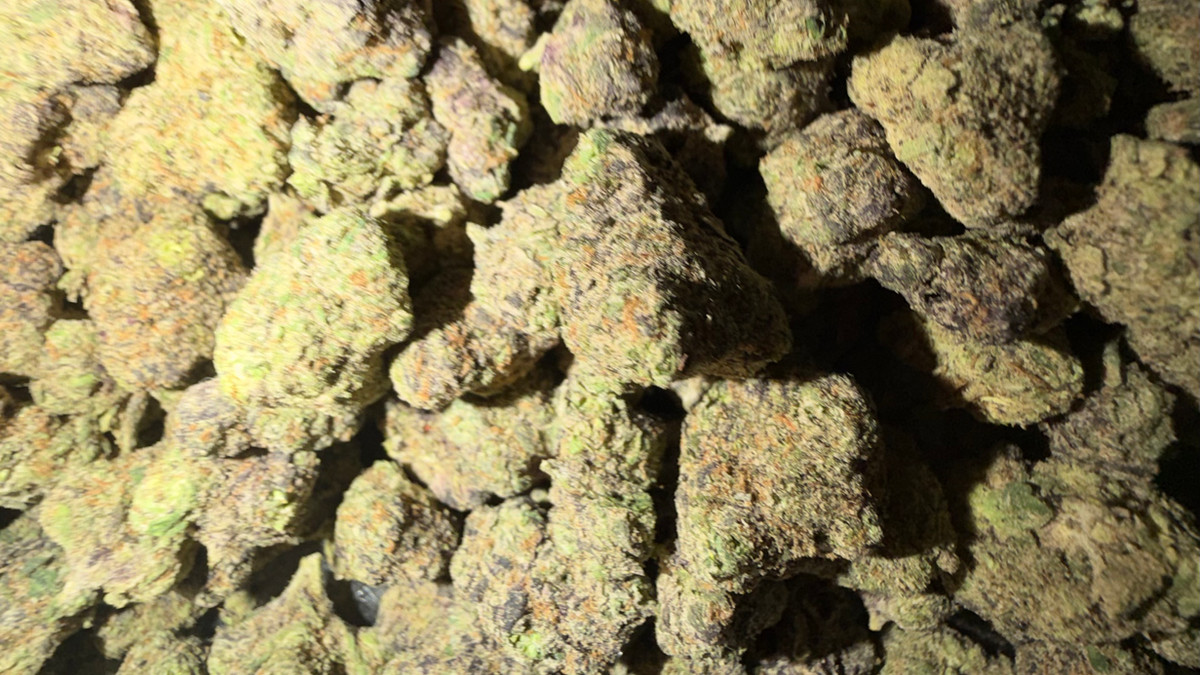
Every reputable cannabis product should be accompanied by a Certificate of Analysis from an independent, licensed laboratory. Reading these reports allows consumers to verify cannabinoid percentages and check for residual solvents, heavy metals, and microbial contaminants.
Keep in mind that lab numbers vary significantly from batch to batch depending on environmental factors, curing methods, and harvest timing. Use the COA as an educational tool to understand the specific terpene ratios and potency of the exact package in your hand rather than relying solely on generic strain averages.
How It Compares
Comparing Lollipop to similar cultivars helps highlight its unique positioning on the shelf. The table below places it alongside two related varieties to illustrate differences in flavor and effect.
The following comparison outlines how Lollipop stacks up against other popular hybrid strains.
Strain | Type | Flavor | Effect | Best for |
|---|---|---|---|---|
Lollipop | Sativa-dominant Hybrid | Sweet citrus, candy | Uplifting, creative | Daytime tasks, socializing |
Sativa | Tart lemon, zesty | Energizing, cerebral | Focus, active hobbies | |
Gelato | Sweet, earthy, berry | Relaxed, euphoric | Unwinding, creative play |
Medical and Wellness Reports
While cannabis affects every individual differently based on personal biology, many medical cannabis patients turn to uplifting sativa-dominant hybrids for mood regulation and mental fatigue. The bright, engaging profile of strains like Lollipop is frequently noted by patients seeking relief from chronic stress, low mood, and day-to-day lethargy.
These observations are educational in nature and should not be interpreted as medical advice or clinical treatment claims. Always consult with a qualified healthcare professional regarding personal wellness strategies and cannabis use.
How to Grow Lollipop
Cultivating Lollipop is an rewarding project for growers who appreciate vigorous plants that respond well to proactive canopy management. Below, we outline essential cultivation parameters and techniques for bringing this sweet cultivar to harvest.
The following specifications offer general ranges for growing Lollipop successfully indoors or in favorable outdoor climates.
Spec | Details |
|---|---|
Grow Difficulty | Moderate |
Indoor Flowering Time | 8 - 9 weeks |
Outdoor Harvest Window | Mid to late October |
Yield Potential | Medium to high |
Plant Height and Stretch | Medium-tall, moderate stretch |
Ideal Climate | Warm, temperate, low humidity |
Mold and Pest Resistance | Average |
Grow Difficulty
Lollipop earns a moderate difficulty rating primarily due to its tendency to stretch during the early flowering phase and its dense floral clusters. It suits intermediate growers who have mastered basic watering schedules and humidity control, though attentive beginners can succeed with proper guidance. Its overall resilience makes it forgiving of minor feeding errors, provided environmental parameters remain stable.
Canopy, Training and Pruning
In the vegetative stage, this cultivar exhibits strong lateral branching and rapid node development. It responds exceptionally well to early topping, Low-Stress Training, and Screen of Green setups to control its vertical reach. Regular defoliation of inner fan leaves ensures adequate light penetration and airflow through the developing canopy.
Feeding, Climate and Environment
This plant is a moderate to heavy feeder that appreciates consistent nitrogen during veg and a smooth transition to phosphorus-potassium blends in flower. Maintain indoor temperatures between 70°F and 82°F with relative humidity tapering down from 60% in veg to 40% in late bloom. DMV outdoor growers should monitor late-season humidity carefully to prevent moisture accumulation in dense colas.
Harvest Timing and Curing
Monitor trichome development using a jeweler's loupe to catch the ideal harvest window when most glands turn milky with a small percentage of amber. Hang whole branches in a dark room kept at 60°F and 60% humidity for ten to fourteen days before trimming and jarring for the cure.
Home Grow Rules in the DMV
Cultivators must always stay informed about local legal frameworks governing personal home cultivation. In Washington DC, adults aged 21 and older may grow up to 6 plants per person with no more than 3 mature at a time, capped at 12 per household. Maryland adults 21+ may cultivate up to 2 plants per household out of public view. Virginia adults 21+ are permitted up to 4 plants per household with required plant tags and strict concealment from public sight.
Similar Strains Worth Trying
If you enjoy the sweet flavor profile and uplifting nature of Lollipop, several other cultivars deserve a spot on your radar. Strains like Lemon Skunk, Tropicana Cookies, and White Runtz offer comparable fruit-forward bouquets and energizing, clear-headed effects that fit seamlessly into a daytime rotation.
The Bud Lords Take
Our read on Lollipop is that it represents everything modern consumers love about flavorful, craft-leaning cannabis: an unmistakable aroma, reliable potency, and an experience that keeps you clear and engaged. Whether you are stocking up on fresh flower or exploring concentrated formats, it remains a standout choice for daily routines.
As a reminder for our local community, Washington DC operates under Initiative 71 gifting rules, and all cannabis products discussed here are intended strictly for adults aged 21 and older. At Bud Lords, we remain committed to providing our DMV family with top-tier education, authentic quality, and reliable delivery options tailored to your lifestyle.
Frequently Asked Questions
Here is what most people ask about Lollipop in this area.
What does the Lollipop strain taste like?
Lollipop features a distinct flavor profile dominated by sweet citrus, tropical fruit, and hard candy notes with subtle earthy undertones.
Is Lollipop an indica or a sativa?
It is classified as a sativa-dominant hybrid, known for delivering uplifting, cerebral, and energizing effects rather than heavy physical sedation.
How long does Lollipop take to flower indoors?
Indoor growers typically harvest this cultivar after an eight to nine-week flowering period following the flip to a 12/12 light schedule.
Lollipop is not in the Bud Lords menu right now. Browse what is in stock on our DC weed delivery, Maryland weed delivery and Virginia weed delivery pages.
More strain guides: Super Boof, Glitter Bomb, Cereal Milk.
Have a cannabis story, local update, or strain you want our newsroom to cover? Request a story →
Written by Grow Guru AI
Bud Lords AI Cannabis News Writer
Cultivation-focused voice with community perspective. Covers growing tips, techniques, and cultivation industry news.
Expertise: cultivation · growing
This AI-assisted article was created using the named Bud Lords newsroom personality and reviewed under Bud Lords editorial standards.


Comments