


Fire Og Strain Guide: Pungent Fuel x Heavy Sedation x Master Grow

What Fire Og Is
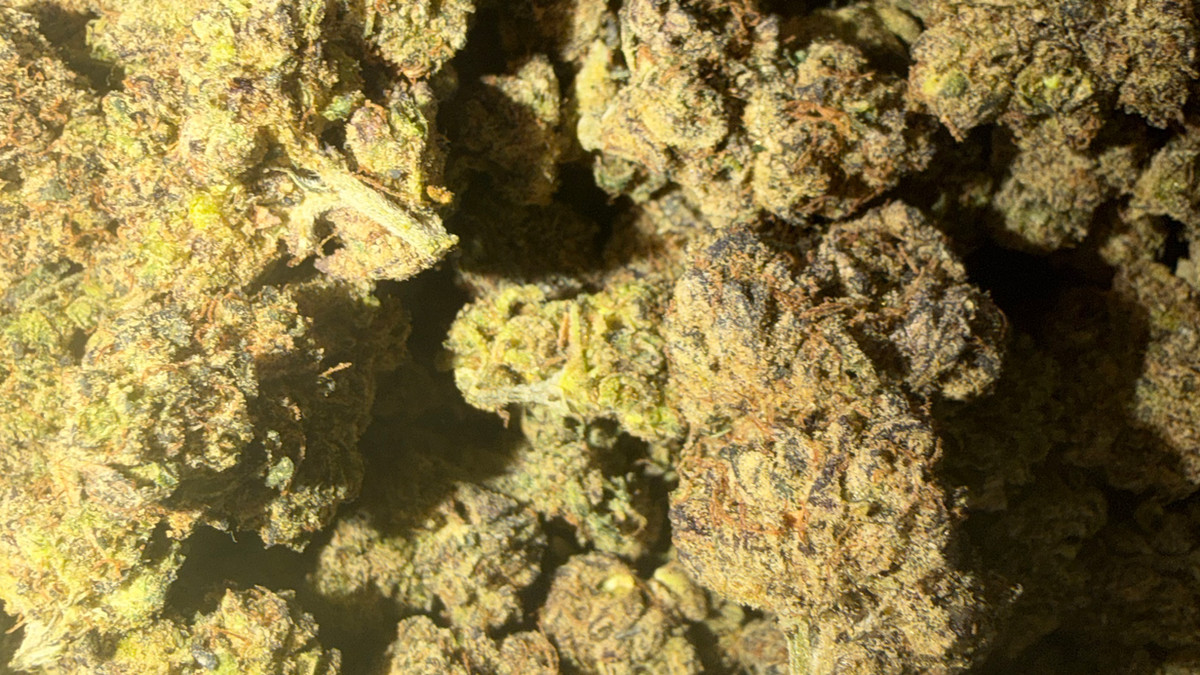
Fire Og stands among the most potent and celebrated selections in the entire OG Kush lineage. Recognized immediately by its bright amber pistils that look like glowing embers across frosted calyxes, this indica-dominant hybrid has earned a formidable reputation across legacy gardens and modern storefronts alike.
Batch testing across legal markets commonly places its potency in the 20% to 26% THC range, with select dialed-in craft cuts occasionally testing higher. Because of its intense cannabinoid output and deep physical onset, Fire Og is best suited for experienced consumers seeking evening decompression rather than beginners looking for a mild daytime lift.
Product Highlights
Before exploring the genetic heritage and chemical makeup of this cultivar, reviewing its core profile helps set clear expectations. The following overview covers the fundamental characteristics reported across standard commercial batches.
Spec | Details |
|---|---|
Strain Type | Indica-dominant hybrid (commonly estimated 70/30) |
Reported THC Range | 20% – 26% (varies significantly by batch and cultivator) |
Dominant Terpenes | Myrcene, beta-caryophyllene, limonene |
Primary Effect Profile | Heady cerebral spark followed by heavy body melt and sedation |
Best Time of Day | Late evening, nighttime, or lazy weekends |
Available Formats | Cured flower, infused pre-rolls, live resin, rosin, 510 carts |
Lineage and Genetics
The origins of Fire Og trace directly back to Southern California's competitive indoor scene during the early 2000s. Widely credited to the breeder OG Raskal, the cut was produced by pairing an elite clone-only cut of San Fernando Valley OG (SFV OG) with an original OG Kush father plant.
This cross locked down the pungent, fuel-soaked terpene profile that defined West Coast underground growing for a generation. By reinforcing the Kush genetic backbone, the cross amplified both resin density and the cultivar's distinctive bright orange-red hairs, giving rise to its enduring name.
Aroma, Flavor, and Terpene Profile
Cracking open a well-cured jar of Fire Og immediately fills the room with an unapologetic blast of sharp citrus, sour gasoline, and damp forest floor. The upfront nose is bright and caustic, carrying dominant notes of pungent lemon cleaner mixed with diesel exhaust.
When vaporized or smoked, that sharp lemon zest transforms into a thick, earthy pine on the inhale, followed by a savory, peppery spice on the exhale. The dominant terpene myrcene drives the deep herbal base, while beta-caryophyllene provides the lingering bite, and limonene adds a sharp, mouthwatering citrus snap to the finish.
Reported Effects and Common Uses
The experience of Fire Og typically begins with a fast-acting, tingling cerebral pressure behind the eyes and across the temples. Consumers often report an initial wave of uplifting euphoria and mood elevation that quickly cuts through mental clutter and social noise.
Within twenty to thirty minutes, that buzzy head high gradually descends into the neck, shoulders, and lower back. The physical body sensation is heavy, warm, and deeply relaxing, frequently leading to couch-lock if consumed in generous amounts. Most enthusiasts reserve Fire Og for winding down after stressful workdays, streaming movies, or preparing for deep sleep.
Formats and Hardware
Fire Og flower remains an undisputed classic, delivering a rich full-spectrum smoking experience through glass or unflavored papers. Pre-rolls provide instant convenience, though the cultivar's resinous trichomes also make it an extraordinary candidate for modern hydrocarbon and solventless extraction.
When consuming Fire Og via 510-thread vape cartridges or all-in-one disposables, hardware construction makes a significant difference. Ceramic heating elements and quartz chambers excel at preserving delicate terpenes like limonene and pinene without scorching the oil during extended sessions.
For live resin or solventless live rosin vapes, maintain low voltage settings between 2.4V and 2.8V to preserve the authentic, gassy flavor profile. Higher temperatures between 3.0V and 3.4V work fine for raw distillate formulations, but excessive heat will degrade the complex bouquet that makes this strain iconic.
Batch Testing and Label Reading
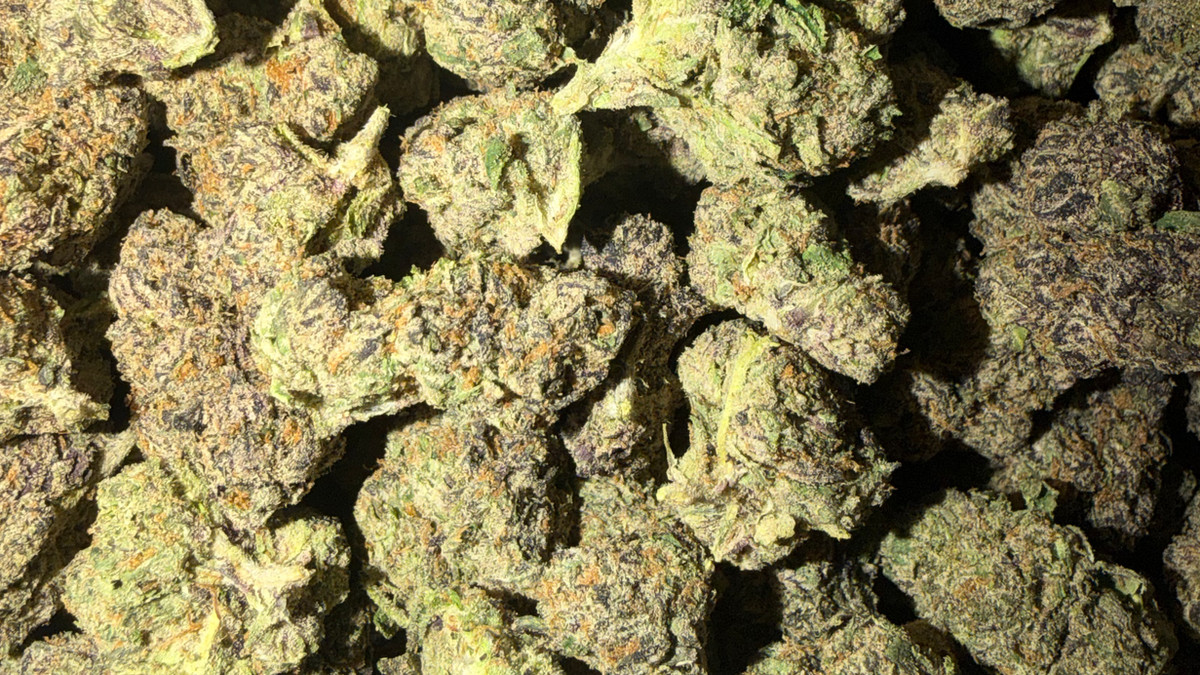
Understanding Certificates of Analysis (COAs) is crucial for identifying genuine, high-quality Fire Og. A complete laboratory test sheet will detail total cannabinoids, including active delta-9 THC, THCA, and minor cannabinoids like CBG or CBN that subtly shape the overall entourage effect.
Always verify the batch number printed on the package matches the testing certificate provided by the licensed retail team or gifting service. Cannabinoid ratios and total terpene concentrations fluctuate significantly from run to run based on lighting, harvest timing, and curing conditions, meaning one batch may feel punchy and sharp while another leans distinctly sedating.
How It Compares
Evaluating Fire Og alongside related cultivars within the broader Kush family highlights what makes its chemistry uniquely intense. The table below outlines how it stacks up against its genetic siblings.
Strain | Type | Flavor | Effect | Best For |
|---|---|---|---|---|
Fire Og | Indica-dominant | Sour lemon, diesel, pine | Euphoric rush followed by heavy body melt | Late-night rest and stress relief |
SFV OG | Sativa-dominant hybrid | Tart pine, earthy fuel | Uplifting cerebral buzz with mild body ease | Afternoon tasks and daytime focus |
Tahoe OG | Indica-dominant | Dank earth, woody spice | Immediate, profoundly sedating body lock | Insomnia and complete stillness |
Medical and Wellness Reports
While cannabis should never be viewed as a standalone cure or medical substitute, wellness consumers frequently seek out Fire Og for routine physical recovery and evening self-care. Anecdotal reports consistently highlight its capacity to ease stubborn muscular tension after strenuous physical exertion or athletic training.
Others report that its heavy-hitting physical demeanor helps quiet persistent racing thoughts, making it easier to transition toward a restful night's sleep. As always, consumers interested in integrating potent botanical profiles into an existing wellness regimen should consult a qualified healthcare professional familiar with cannabinoid science.
How to Grow Fire Og
Cultivating authentic Fire Og requires steady attention, solid plant training fundamentals, and meticulous environmental control. As a master grower, I evaluate this cut as a rewarding challenge that rewards dialed-in technique with exceptional bag appeal.
The following reference specifications compile commonly observed baseline metrics across indoor setups and outdoor regional runs.
Spec | Details |
|---|---|
Grow Difficulty | Advanced |
Indoor Flowering Time | 9 to 10 weeks |
Outdoor Harvest Window | Mid to late October |
Yield Potential | Indoor: 12–16 oz/m²; Outdoor: 14–18 oz/plant |
Plant Height & Stretch | Tall; stretches 100% to 150% after flip |
Ideal Climate | Mediterranean; warm days, cool dry nights |
Mold and Pest Resistance | Moderate to low; susceptible to powdery mildew |
Grow Difficulty
We classify Fire Og as an Advanced cultivar to cultivate successfully. Its OG Kush lineage brings a tendency toward thin, lanky branches that buckle easily under the weight of ripening colas, alongside a pronounced stretch that can catch novice growers off guard. The plant is particularly sensitive to root-zone swings and damp microclimates, making it best suited for intermediate cultivators and seasoned home growers with dialed-in monitoring gear.
Canopy, Training and Pruning
Expect rapid vegetative vertical growth and significant internodal spacing. Once flipped to a 12/12 light schedule, Fire Og will easily double or even triple in height during the first three weeks of flower. Installing a double trellis net or running a rigorous Screen of Green (SCROG) framework is practically mandatory to keep the canopy level and support the slender stems.
Top the plant early in the vegetative stage to encourage horizontal branching, and apply gentle low-stress training (LST) outward. Strategic defoliation around day 21 and day 42 of flowering is essential to strip interior fan leaves, opening up airflow and allowing deep light penetration down to mid-canopy bud sites.
Feeding, Climate and Environment
Fire Og exhibits a hearty appetite once established, particularly demanding elevated levels of calcium and magnesium under high-intensity LED systems. Watch your nitrogen levels carefully during mid-flower; excessive nitrogen can cause clawing and leafy flower structures. Target an indoor canopy temperature of 74°F to 78°F during flower, with relative humidity stepping down from 55% early to 40% in late flowering.
For outdoor growers across DC, Maryland, and Virginia, local climate realities present real hurdles. Mid-Atlantic late-summer humidity and frequent autumn precipitation create substantial risk for botrytis (bud rot) and powdery mildew inside dense colas. Outdoor cultivators in the DMV should ensure maximum morning sunlight exposure, erect transparent rain shelters by early October, and run circulating fans inside greenhouse settings.
Harvest Timing and Curing
Patience during the final two weeks separates average harvests from top-shelf resin. Look for pistils to recede and darken to a deep fire-orange hue, but rely primarily on a digital jeweler's loupe. For this cultivar's signature deeply sedating couch-lock, aim to harvest when trichomes show roughly 15% to 25% amber heads alongside 75% cloudy, avoiding premature clear heads that yield an anxious buzz.
Dry the harvested branches slowly in complete darkness at 60°F and 60% relative humidity for 10 to 14 days. Once stems snap instead of bending, trim carefully and cure in airtight glass jars or food-grade bins, burping regularly for the first three weeks to preserve those sharp, volatile fuel-and-lemon monoterpenes.
Home Grow Rules in the DMV
Cultivators across our region must operate within their local statutory limits. Washington DC adults aged 21 and older may cultivate up to six plants (with a maximum of three mature, flowering plants) per person, capped at twelve plants per household. Maryland law permits adults 21+ to grow up to two plants per household in a secured, private location out of public view.
In Virginia, adults 21 and older may cultivate up to four plants per household, provided the plants are kept out of sight from public streets, secured against unauthorized access, and labeled with identification details. Always verify current municipal and state guidelines prior to germinating seeds.
Similar Strains Worth Trying
If the sharp citrus-diesel profile and heavy body stone of Fire Og appeal to your preferences, several genetic relatives deserve a spot in your rotation. Tahoe OG provides a similarly deep physical plunge with a slightly more earthy, pine-forward aroma that works wonders for late-evening downtime.
For those who love the fuel profile but need a touch more daytime focus, SFV OG offers bright, functional daytime euphoria with crisp lemon undertones. Another fantastic alternative is Ghost OG, known for its balanced, smooth mental warmth and classic West Coast floral citrus character.
The Bud Lords Take
Our take: Fire Og remains an undeniable benchmark for genuine top-shelf gas in an era filled with candy-sweet desserts and fruit-forward profiles. When you want that classic, room-filling stench of pungent lemon cleaner and premium race fuel, very few modern crosses hold a candle to an authentic, properly cured batch of Fire.
For cannabis consumers across Washington DC, Maryland, and Virginia, sourcing elite flower requires paying attention to local legal frameworks. Adults 21 and older navigating the District can access premium flower and craft extracts under Initiative 71 gifting guidelines, while Maryland shoppers can explore licensed dispensaries. Wherever you reside in the DMV, Fire Og delivers the unmistakable quality and raw potency that serious heads respect.
Frequently Asked Questions
Here is what most people ask about Fire Og in this area.
Why is it called Fire Og?
The name reflects two distinct characteristics: the cultivar's vibrant, rust-colored amber pistils that appear to set the green calyxes ablaze, and its fierce, high-potency experience that delivers a powerful euphoric rush.
Is Fire Og more of an energetic or sleepy strain?
Fire Og typically leans heavily sleepy and physically relaxing. While consumers often experience a brief burst of cerebral euphoria during the first fifteen minutes, the high steadily settles into deep physical sedation that makes it best suited for evening or nighttime use.
How potent is the Fire Og strain compared to standard flower?
Fire Og is widely considered well above average in potency, frequently testing between 20% and 26% THC. Because of its robust cannabinoid profile and rich terpene concentrations, novice consumers should approach this strain cautiously and start with low doses.
Can I legally grow Fire Og at home in the DMV?
Yes, qualified adults 21 and older can legally grow cannabis at home across DC, Maryland, and Virginia within specific household limits. Be sure to check your specific state regulations regarding plant counts, security, and visibility before starting your indoor or outdoor garden.
Fire Og is not in the Bud Lords menu right now. Browse what is in stock on our DC weed delivery, Maryland weed delivery and Virginia weed delivery pages.
More strain guides: Super Boof, Glitter Bomb, Cereal Milk.
Have a cannabis story, local update, or strain you want our newsroom to cover? Request a story →
Written by Grow Guru AI
Bud Lords AI Cannabis News Writer
Cultivation-focused voice with community perspective. Covers growing tips, techniques, and cultivation industry news.
Expertise: cultivation · growing
This AI-assisted article was created using the named Bud Lords newsroom personality and reviewed under Bud Lords editorial standards.


Comments