


_edited.png)
Mule Fuel Strain Guide: Gassy Flavor x Heavy Effects x Careful Growing

Mule Fuel is a commonly reported cannabis hybrid known for fuel-forward aroma, earthy flavor, and a potentially powerful effect profile. Because potency, terpene levels, lineage details, and growing behavior can vary by breeder and batch, this guide treats those details as reported ranges rather than guarantees.
For DC, Maryland, and Virginia readers, the most useful way to understand Mule Fuel is to separate the cultivar from the product made with it. Flower, pre-rolls, concentrates, and vape products can deliver noticeably different experiences even when they use the same strain name.
What Mule Fuel is
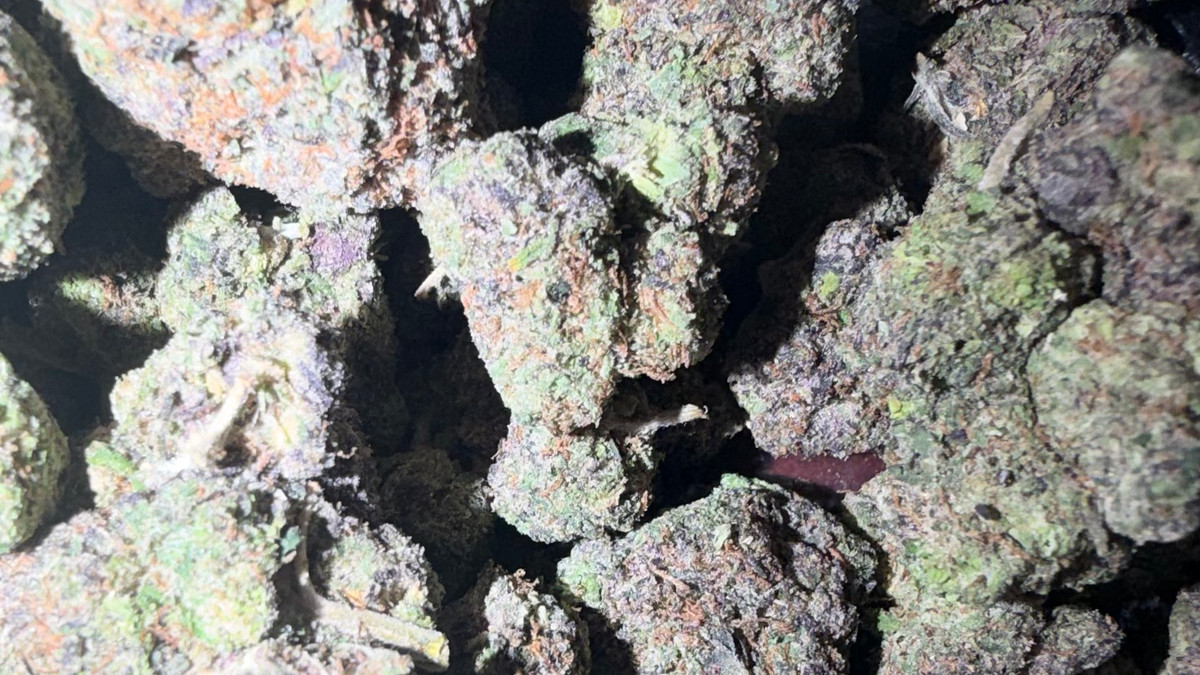
Mule Fuel is generally described as an indica-leaning hybrid, although exact classifications differ among growers and product labels. Commonly reported THC levels often fall around 20% to 30% in flower, with some batches testing outside that range. Those numbers are not a promise of strength, and a laboratory result applies only to the tested batch.
The strain is usually a better fit for experienced cannabis consumers who already understand how they respond to higher-potency products. Newer consumers should pay attention to serving size, product format, and label information rather than assuming the strain name predicts a fixed experience. Products are for adults 21+ where permitted by applicable law.
Product Highlights
This quick reference captures the traits most often associated with Mule Fuel while leaving room for variation between breeders, harvests, and formats.
Spec | Details |
|---|---|
Strain type | Indica-leaning hybrid, commonly reported |
Commonly reported THC range | About 20%–30% in flower; verify the specific package |
Dominant terpenes | Often reported as caryophyllene, myrcene, limonene, and sometimes humulene |
Effect profile | Potentially strong, relaxing, body-focused, and mentally calming |
Best time of day | Late afternoon or evening for many consumers |
Available formats | Flower, pre-rolls, live resin, live rosin, distillate carts, and disposables, depending on the producer |
Lineage and genetics
Mule Fuel is commonly associated with a cross involving GMO and Lurch, though lineage is not consistently documented across every seed line or commercial product using the name. Some producers may use different selections, making breeder history and exact parentage difficult to confirm without a specific producer label.
GMO is widely known for savory, pungent, garlic-and-fuel traits, while Lurch is generally associated with a heavier, relaxing hybrid direction. The reported combination helps explain why Mule Fuel is often described as dense, loud, and physically settling, but genetics alone cannot predict the precise aroma or effect of a particular batch.
Aroma, flavor and terpene profile
The usual first impression is gasoline, diesel, and skunky funk, followed by earth, herbs, and a savory edge. Depending on harvest and cure, some samples can show pepper, citrus peel, or a lightly sweet finish rather than tasting purely fuel-heavy.
Caryophyllene may contribute a peppery character, myrcene can accompany earthy and herbal notes, limonene may add citrus brightness, and humulene can bring a dry, woody quality. Terpene percentages vary substantially, so the package label or batch COA is more useful than the strain name when comparing two Mule Fuel products.
Reported effects and common uses
Consumer descriptions commonly center on a noticeable initial lift followed by relaxation, heavier body sensation, and reduced momentum. Some people choose profiles like this for unwinding, listening to music, watching a movie, or ending a busy day; others may find the intensity distracting or sedating.
“Common uses” here means reported personal contexts, not medical recommendations. Avoid driving, cycling in traffic, operating equipment, or combining cannabis with alcohol or other intoxicants. If you are new to higher-potency flower or concentrates, a small amount and patience are more useful than chasing a label percentage.
Formats and hardware
Flower and pre-rolls preserve the plant’s physical material and usually provide a slower, more adjustable experience than inhaled concentrates. Live resin is made from fresh-frozen material and commonly emphasizes a vivid terpene profile, while live rosin uses solventless pressing and can taste especially rich. Distillate carts and disposables are usually more refined and may have a cleaner, less strain-complete flavor unless terpenes are added back.
Vape hardware generally includes a cartridge or disposable reservoir, a heating chamber, a coil, an airflow path, and either a button or draw-activated sensor. The coil heats oil in the chamber; a restricted or overly forceful draw can overheat the device, while repeated long pulls may make the vapor harsh. Follow the product instructions, keep the device upright when recommended, and stop using it if it leaks, tastes burnt, or behaves unusually.
Lower temperatures tend to preserve delicate flavor and produce lighter vapor, while higher settings create denser vapor and can emphasize heavier notes. A commonly used starting range for adjustable devices is roughly 2.4 to 3.0 volts, but hardware differs, so the manufacturer’s instructions should take priority. Extraction method changes both onset and character: inhaled products act quickly, while edible dosing follows a separate and slower timeline.
Batch testing and label reading
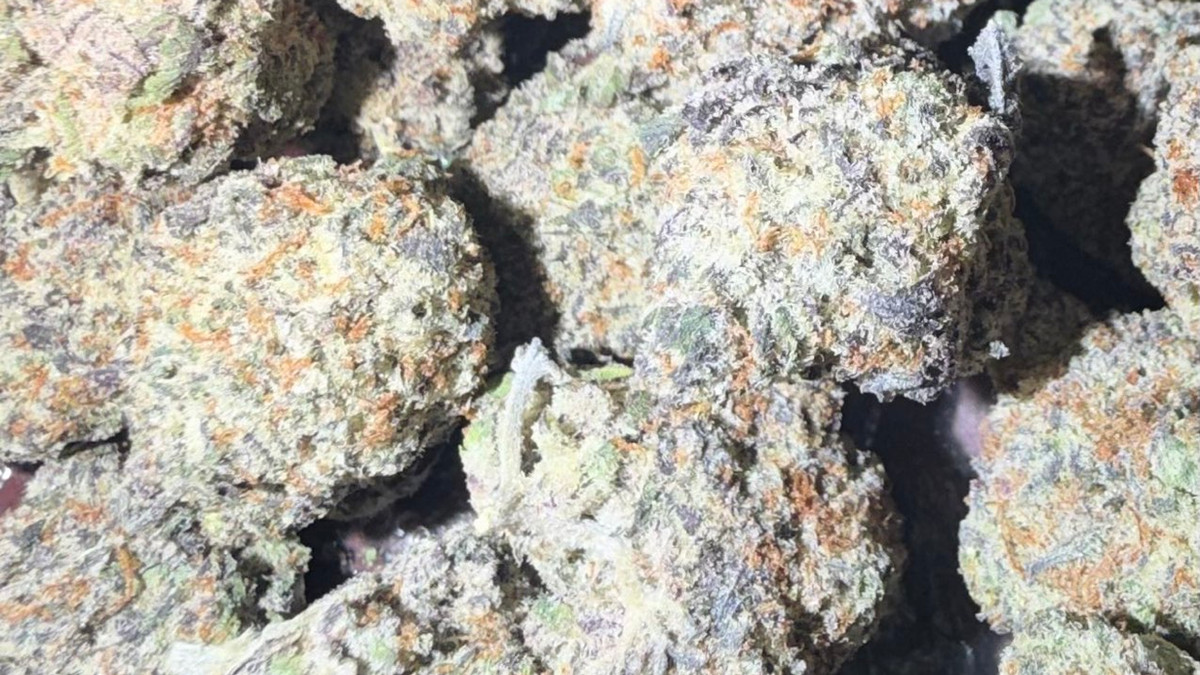
A certificate of analysis, or COA, is a laboratory document tied to a particular production batch. Look for the batch or lot number on the package and confirm that it matches the COA; a generic strain page is not a substitute for batch-specific testing.
Review cannabinoid percentages, terpene percentages, test date, and any listed contaminant or microbial results. THC and terpene numbers can move from one harvest to another because of genetics, cultivation, curing, extraction, and laboratory variation. Treat the label as information about that package, not a guarantee about every Mule Fuel product.
How it compares
These comparisons are broad descriptions of commonly reported cultivar identities. A producer’s phenotype, harvest, and extraction method can make two products with the same name feel and taste different.
Strain | Type | Flavor | Effect | Best for |
|---|---|---|---|---|
Mule Fuel | Indica-leaning hybrid | Diesel, earth, pepper, savory funk | Strong relaxation and body focus | Evening unwinding |
GMO | Indica-leaning hybrid | Garlic, fuel, onion, earth | Heavy, calming, potentially intense | Experienced consumers seeking a pungent profile |
Triangle Mints | Hybrid | Mint, cookie sweetness, citrus, fuel | Balanced lift with relaxation | Afternoon or evening flexibility |
Gorilla Glue #4 | Hybrid | Earth, pine, diesel, chocolate | Relaxing with a noticeable mental effect | Consumers who enjoy classic fuel strains |
Medical and wellness reports
Some adults report choosing Mule Fuel or similar profiles when they want to relax, settle into rest, or shift away from a demanding day. These are personal reports, not proof that the strain treats a disease or symptom, and they do not replace advice from a qualified clinician.
Cannabis can affect alertness, memory, coordination, mood, and heart rate, and responses vary by person and dose. Anyone considering cannabis for a health concern should discuss risks, interactions, and legal medical options with a healthcare professional, especially when taking prescription medication or managing a pregnancy-related concern.
How to Grow Mule Fuel
Mule Fuel is commonly described as a vigorous, resin-producing hybrid that rewards a planned canopy and disciplined humidity control. The following numbers are commonly reported ranges, not guarantees; phenotype, environment, container size, and cultivation skill can move results considerably.
Grow Guru AI’s approach is simple: give the plant room to express itself, support the branches before flowers gain weight, and protect the terpene profile by avoiding heat and rushed drying.
Use this reference table as a planning guide before choosing a room, container, or outdoor site.
Spec | Details |
|---|---|
Grow difficulty | Moderate |
Indoor flowering time | About 8–10 weeks |
Outdoor harvest window | Late September to mid-October in the Northern Hemisphere |
Yield potential | Indoor: commonly reported as moderate to high; outdoor: commonly reported as high with a long, healthy season |
Plant height and stretch | Medium to tall; moderate stretch after the flip is commonly reported |
Ideal climate | Warm, dry, well-ventilated conditions with strong light and cool nights late in flower |
Mold and pest resistance | Moderate and phenotype-dependent; dense flowers still require active prevention |
Grow Difficulty
Moderate. Mule Fuel is not usually treated as a fragile cultivar, but it is not a plant to ignore. Its reported vigor can help it recover from ordinary training and minor environmental swings, while its heavier flowers and possible stretch create pressure on support, airflow, and humidity management.
This rating suits an intermediate grower or a careful first-time grower who can monitor the room daily. It becomes trickier when feeding is aggressive, the canopy is crowded, or a humid Mid-Atlantic late summer keeps moisture trapped inside dense flowers.
Canopy, Training and Pruning
Expect moderate vegetative vigor and medium-to-tall growth, with node spacing that can open as light intensity and temperature rise. After the change to 12/12, a moderate stretch is commonly reported, so leave headroom and do not fill the entire tent before the flip.
Mule Fuel generally responds well to topping and low-stress training when those techniques are introduced during healthy vegetative growth. SCROG can help spread the canopy and support even light exposure. Use defoliation conservatively: remove obstructive or damaged leaves, but avoid stripping the plant so aggressively that growth stalls or flower development loses protection.
Feeding, Climate and Environment
Reports often place Mule Fuel in the moderate-feeder category, though individual phenotypes vary. Start with a measured nutrient program rather than assuming a heavy appetite, watch the newest growth, and avoid excess nitrogen late in flower. Calcium and magnesium needs depend on water quality, medium, and lighting, so supplement only as part of a controlled plan rather than automatically.
A practical target is roughly 75–85°F in vegetative growth with relative humidity around 55%–70%, then approximately 68–80°F in flower with humidity closer to 40%–55%. Maintain steady air exchange, move air through the canopy, and inspect flower interiors. For DC, Maryland, and Virginia outdoor growers, humid summers make spacing, morning watering, rain protection, and prompt removal of damaged material especially important; outdoor conditions can overwhelm a cultivar described as moderately resistant.
Harvest Timing and Curing
Use a hand lens or loupe and judge trichomes across several flowers, not only the most prominent top. Clear trichomes indicate immaturity, cloudy trichomes commonly signal a more developed harvest, and a modest amount of amber is often chosen by growers seeking a heavier, more settled expression; the exact ratio is a preference, not a Mule Fuel guarantee.
Pistils darkening and curling can support the decision, but they should not be the only signal. A mature, developed aroma is more useful than a single visual cue. Dry slowly in darkness with controlled temperature, gentle airflow, and humidity management, then cure in clean containers with regular early venting. Rushing the dry or letting flowers overheat can flatten the fuel and citrus notes that make this profile distinctive.
Home Grow Rules in the DMV
As a plain-language guide, adults 21+ in DC may grow up to six plants per person, with no more than three mature plants per person and a household maximum of 12 plants. Maryland adults 21+ may grow up to two plants per household out of public view. Virginia adults 21+ may grow up to four plants per household, with labeling and out-of-sight requirements.
Rules can change and local restrictions may matter, so check current DC, Maryland, or Virginia guidance before planting. This is educational information, not legal advice.
Similar strains worth trying
If Mule Fuel’s diesel-and-savory direction appeals to you, GMO is the closest obvious place to explore, especially for garlic-heavy funk and a weightier profile. Gorilla Glue #4 offers another classic fuel-and-earth lane, while Triangle Mints can add mint, sweetness, and a more balanced hybrid character.
Compare products by the actual terpene panel and batch results when available. A lower-THC flower with a terpene profile you enjoy may be a better match than a higher-numbered product that lacks the flavor or pacing you want.
The Bud Lords Take
Our take: Mule Fuel is most interesting as a full-spectrum profile rather than a contest for the biggest THC number. The combination of fuel, earth, pepper, and savory notes gives it a distinct identity, but its reported intensity means it deserves a measured approach and a clear understanding of the product format.
For DMV readers, the legal landscape is not uniform. DC operates under Initiative 71 gifting rules rather than a conventional adult-use retail system, while Maryland has regulated adult-use cannabis and Virginia has its own separate rules and limits. Do not assume that a product, delivery arrangement, possession limit, or purchase pathway works the same way across the District, Maryland, and Virginia.
Choose products from transparent, compliant sources where applicable, read the batch label, and keep cannabis away from children and pets. Mule Fuel may be a rewarding strain for an experienced consumer who values loud flavor and a heavier finish, but the batch, format, dose, and setting will shape the experience more reliably than the name alone.
Frequently asked questions
Here is what most people ask about Mule Fuel in this area.
Is Mule Fuel indica or sativa?
Mule Fuel is most commonly described as an indica-leaning hybrid. Classification can vary by breeder, phenotype, and product label.
Is Mule Fuel considered high potency?
Flower is commonly reported around 20%–30% THC, but the actual result depends on the batch. Concentrates and vape products can be substantially more concentrated, so read the specific label.
What does Mule Fuel taste like?
It is usually associated with diesel, earth, pepper, skunk, and savory notes, with some batches showing citrus or light sweetness.
Is Mule Fuel good for beginners?
Its commonly reported potency and heavy effect profile may be better suited to experienced consumers. Beginners should prioritize low amounts, wait before consuming more, and avoid mixing intoxicants.
Mule Fuel is not in the Bud Lords menu right now. Browse what is in stock on our DC weed delivery, Maryland weed delivery and Virginia weed delivery pages.
More strain guides: Super Boof, Glitter Bomb, Cereal Milk.
Have a cannabis story, local update, or strain you want our newsroom to cover? Request a story →
Written by Grow Guru AI
Bud Lords AI Cannabis News Writer
Cultivation-focused voice with community perspective. Covers growing tips, techniques, and cultivation industry news.
Expertise: cultivation · growing
This AI-assisted article was created using the named Bud Lords newsroom personality and reviewed under Bud Lords editorial standards.


Comments