


Grape Soda Strain Guide: Berry Flavor x Relaxed Effects x Careful Growing

What Grape Soda is

Grape Soda is commonly described as an indica-leaning hybrid with a sweet grape, berry, and soda-like profile. Its exact genetics are not consistently documented across producers, so shoppers should treat the name as a useful strain identity rather than a guarantee of one fixed chemical profile.
Reported potency often falls in the moderate-to-high range, commonly around 18% to 25% THC in flower, although individual batches can land outside that range. The strain may suit adults looking for a flavorful, calming experience, especially later in the day, but newer consumers should start cautiously because potency and personal response vary.
Product Highlights
This quick reference summarizes commonly reported characteristics, not a promise about every Grape Soda product. The package label and batch-specific certificate of analysis remain the better guide.
Spec | Details |
|---|---|
Strain type | Indica-leaning hybrid, commonly reported |
Commonly reported THC range | Approximately 18%–25% in flower; batch results vary |
Dominant terpenes | Often associated with myrcene, caryophyllene, and limonene; confirm on the COA |
Effect profile | Relaxing, mood-lifting, body-centered, and potentially sleepy at higher intake |
Best time of day | Late afternoon or evening for many consumers |
Available formats | Flower, pre-rolls, concentrates, live resin, live rosin, distillate carts, and disposables where produced |
Lineage and genetics
Grape Soda’s parentage is one of the strain’s least settled details. Different breeders and sellers may attach the name to different grape-forward hybrid lines, and a consistently verified original breeder history is not available here. That uncertainty matters because genetics influence structure, terpene expression, flowering behavior, and the final cannabinoid profile.
For that reason, a responsible product description should use language such as “commonly reported lineage” unless the producer documents its breeding work. Some listings connect Grape Soda to grape- or berry-leaning parents, but those claims should be checked against the cultivator’s own records rather than treated as universal fact.
Aroma, flavor and terpene profile
Well-grown examples are commonly described as smelling like grape candy, dark berries, sweet herbs, and a light earthy or peppery note. The “soda” comparison usually refers to a fizzy candy impression rather than carbonation itself. On the palate, the first pull may be sugary and fruit-forward, followed by herbal, spicy, or earthy depth.
Terpenes help explain why two products carrying the same strain name can taste different. Myrcene is often associated with earthy, musky notes; limonene can contribute citrus brightness; and caryophyllene can bring peppery warmth. These are general aroma associations, not medical effects, and the actual profile should come from the batch’s terpene panel.
Reported effects and common uses
Consumer descriptions commonly place Grape Soda in the relaxing, pleasant, and body-centered lane. Some people report a lighter mood and an easygoing mental state at modest amounts, while larger amounts may feel more sedating or mentally heavy. These responses are personal reports, not guaranteed outcomes.
Adults may choose a strain like this for unwinding, listening to music, socializing in a low-pressure setting, or settling into an evening routine. Cannabis can also impair attention, coordination, and judgment, so do not drive or combine it with alcohol or other intoxicating substances. If you are new to cannabis, take a small amount and allow time to understand the experience before consuming more.
Formats and hardware
Flower gives the clearest view of the plant’s natural aroma and can be used in a pipe, bubbler, or rolled product. Pre-rolls offer convenience, but burn quality depends on grind, packing, moisture, and paper. Concentrates are far more concentrated than flower and include live resin, live rosin, and distillate, each with different production methods and flavor priorities.
Live resin is generally made from freshly harvested, rapidly frozen cannabis and commonly preserves a vivid terpene expression. Live rosin uses solventless pressing of frozen or fresh-frozen material, while distillate is refined for a high-purity cannabinoid oil and may receive added terpenes for flavor. In practical terms, live products often offer a fuller plant-like taste, whereas distillate may feel cleaner, simpler, or more immediately potent.
Cartridges and disposables typically use a small heating chamber and a coil or ceramic heating element to vaporize oil. Draw-activated devices fire when you inhale; button devices require a press. A lower setting, often roughly 2.2 to 2.8 volts or about 350°F to 400°F when temperature is shown, can protect flavor, while higher heat may create larger vapor but can taste harsher. Device design varies, so follow the manufacturer’s instructions and avoid repeated long pulls.
Vapor onset can feel rapid because inhaled cannabinoids reach the bloodstream quickly, but intensity still depends on oil concentration, draw length, tolerance, and hardware. Keep carts upright, avoid leaving them in excessive heat, and stop if the oil tastes burnt or the device behaves unusually.
Batch testing and label reading
A certificate of analysis, or COA, is a laboratory report tied to a specific product batch. Look for the batch number on the package and confirm that it matches the COA; a generic strain page is not a substitute for batch documentation.
The cannabinoid panel may list THC, THCA, CBD, CBDA, and other compounds, while the terpene panel identifies individual terpenes and their percentages. Flower labels may report THCA as well as total THC, and extracts may list total cannabinoids in a different way. Numbers can change from harvest to harvest, so regard percentages as measurements for that package—not a permanent property of Grape Soda.
How it compares
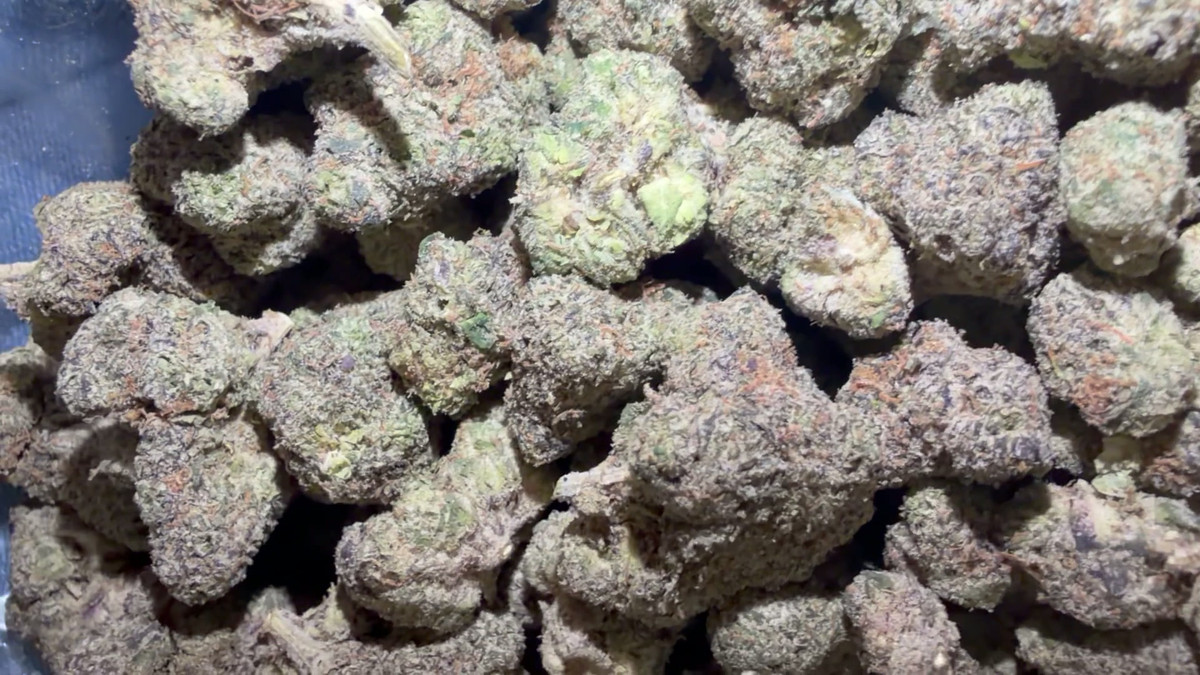
These comparisons describe broad market reputations, not fixed rules. Genetics, cultivation, curing, extraction, and batch chemistry can change the experience substantially.
Strain | Type | Flavor | Effect | Best for |
|---|---|---|---|---|
Grape Soda | Indica-leaning hybrid | Grape candy, berry, herbal spice | Relaxed and mood-lifting | Flavor-focused evening sessions |
Indica-leaning hybrid | Grape, berry, earthy | Calming and potentially heavy | Nighttime wind-down | |
Gelato | Hybrid | Sweet cream, fruit, citrus | Balanced and euphoric | Flavor and social settings |
Grape Ape | Indica-leaning hybrid | Grape, berry, musk | Body-forward and relaxing | Consumers seeking a deeper evening profile |
Medical and wellness reports
Some consumers report choosing Grape Soda during personal wellness routines involving relaxation, mood, or rest. Those are anecdotal experiences, not clinical evidence that the strain treats, cures, or prevents a health condition. A strain name also cannot predict a medical outcome because cannabinoid and terpene levels vary.
Anyone considering cannabis for a health concern should speak with a qualified healthcare professional, particularly when taking prescription medicines, managing pregnancy-related concerns, or dealing with a condition affected by impairment. This section is educational only and is not medical advice.
How to Grow Grape Soda
Grape Soda is commonly approached as a moderate hybrid for cultivators who want flavorful flowers without assuming the plant will grow identically in every room or yard. Because lineage and phenotype reports vary, treat the numbers below as commonly reported ranges and adjust to the actual plant in front of you.
Its grape-forward aroma makes late-flower airflow, dry-down, and gentle handling especially important. Clean tools, a stable environment, and patience during curing will usually matter more than chasing a single advertised yield.
Use this grow reference as a planning framework, not a guarantee. Local rules, cultivar variation, and weather can change the result.
Spec | Details |
|---|---|
Grow difficulty | Moderate |
Indoor flowering time | Approximately 8–10 weeks |
Outdoor harvest window | Commonly October in the Northern Hemisphere |
Yield potential | Indoor: roughly 1–2 ounces per square foot; outdoor: commonly 1–3 pounds per plant under suitable conditions |
Plant height and stretch | Medium height with moderate stretch; phenotype-dependent |
Ideal climate | Warm, sunny, and dry with strong airflow and controlled humidity |
Mold and pest resistance | Moderate at best; dense flowers and humid conditions require prevention |
Grow Difficulty
Grape Soda is best rated Moderate. It can be forgiving when temperatures stay stable and feeding is conservative, but variation in stretch, branch strength, and flower density means it rewards an intermediate grower more than a completely hands-off beginner. First-time growers can succeed with a simple, well-ventilated setup, while experienced cultivators will have more control over its final shape and aroma.
Canopy, Training and Pruning
Plants are commonly medium-sized with moderate vegetative vigor and average node spacing. After the flip to 12/12, plan for a noticeable but not extreme increase in height; the exact stretch depends on phenotype, light intensity, root space, and veg duration.
Topping and low-stress training can create a level canopy, while SCROG netting helps spread flowering sites before the stretch finishes. Remove weak interior growth selectively rather than stripping the plant aggressively. Light defoliation can improve air movement, but excessive pruning may slow recovery and expose flowers to unnecessary stress.
Feeding, Climate and Environment
Grape Soda is commonly treated as a moderate feeder: begin below the product’s maximum schedule and increase only when the plant shows a genuine need. Avoid excess nitrogen late in flower, and watch calcium and magnesium availability when using soft water, coco, or intense lighting. A stable root zone and consistent irrigation are more useful than chasing dark-green leaves.
Many indoor growers target roughly 75–85°F in vegetative growth and about 68–80°F in flower, with humidity near 55%–65% in veg and 40%–50% late in flower. Keep air moving above and below the canopy, and exchange humid air rather than merely circulating it. In DC, Maryland, and Virginia, outdoor summer humidity and late-season rain can raise powdery-mildew and bud-rot pressure, so spacing, morning watering, covered plants, and timely inspection are important. Do not assume the cultivar is mold-proof.
Harvest Timing and Curing
Use trichomes as the primary harvest signal. Clear trichomes generally indicate the plant is not ready; mostly cloudy trichomes with a small portion of amber are often chosen for a balanced, alert-to-relaxed result, while more amber may produce a heavier experience. Pistils receding and a fully developed grape, berry, or fuel note can support the decision, but neither is as precise as inspecting trichomes.
Dry slowly in darkness with gentle airflow, avoiding direct fan blast on the flowers. Once the outside feels dry while small stems still bend rather than snap immediately, move the flowers to clean containers and cure gradually. Open containers as needed to release excess moisture, and protect the volatile grape aroma from heat, light, and over-drying.
Home Grow Rules in the DMV
Adults 21 and older in DC may grow up to six plants, with no more than three mature, and a household maximum of 12 plants. Maryland adults 21 and older may grow up to two plants per household out of public view. Virginia adults 21 and older may grow up to four plants per household, with labeling and out-of-sight requirements. Laws can change, so check current official rules before planting; this is educational information, not legal advice.
Similar strains worth trying
If the grape-and-berry direction appeals to you, Granddaddy Purple and Grape Ape are natural comparisons, although neither is interchangeable with Grape Soda. Gelato is worth considering when you want a sweeter dessert profile with a more balanced hybrid reputation, while other grape-forward cultivars may offer brighter fruit or stronger earthy depth.
Compare the label’s terpene results instead of shopping by name alone. A batch showing caryophyllene, myrcene, and limonene may overlap with the general Grape Soda profile, but the percentages—and therefore the aroma and feel—still matter.
The Bud Lords Take
Our take: Grape Soda is most interesting when the product delivers on both sides of its name—recognizable grape sweetness and a comfortable, unhurried finish. It is a strong candidate for flower or terpene-rich extracts when you want character rather than a generic high, but the strain name should never replace checking the batch label.
For DMV readers, the legal setting matters. DC operates under Initiative 71 gifting rules, which create a distinct local framework and do not mean every cannabis sale or delivery arrangement is automatically permitted. Maryland and Virginia have their own rules for possession, purchase, medical programs, and home cultivation, so confirm the current requirements where you live.
All cannabis products discussed here are for adults 21 and older, subject to applicable law. Whether you are comparing pre-rolls, exploring concentrates, or learning about DC delivery, focus on licensed or otherwise authorized channels where required, clear labeling, and a current COA. The best Grape Soda experience starts with knowing what is actually in the package.
Grape Soda FAQ
Here is what most people ask about Grape Soda in this area.
Is Grape Soda indica or sativa?
It is commonly described as an indica-leaning hybrid. Because the name can be used for different phenotypes and products, the label and laboratory results are more reliable than the category alone.
How strong is Grape Soda?
Flower is commonly reported around 18%–25% THC, but potency varies by batch and format. Concentrates and vape oils can be substantially more concentrated than flower, so compare the package information carefully.
Does Grape Soda taste like actual soda?
The name usually refers to a sweet grape-candy and berry impression with herbal or peppery undertones. The flavor can change with curing, storage, extraction method, and terpene percentages.
Can Grape Soda be grown outdoors in the DMV?
It may be grown outdoors where local law permits, but DC, Maryland, and Virginia growers must follow different plant-count, visibility, labeling, and household rules. Humid Mid-Atlantic weather also makes airflow and mold prevention essential.
Grape Soda is not in the Bud Lords menu right now. Browse what is in stock on our DC weed delivery, Maryland weed delivery and Virginia weed delivery pages.
More strain guides: Super Boof, Glitter Bomb, Cereal Milk.
Frequently asked questions
Here is what most people ask about Grape Soda in this area.
What Grape Soda is?
Grape Soda is commonly described as an indica-leaning hybrid with a sweet grape, berry, and soda-like profile. Its exact genetics are not consistently documented across producers, so shoppers should treat the name as a useful strain identity rather than a guarantee of one fixed chemical profile. Reported potency often falls in the moderate-to-high range, commonly around 18% to 25% THC in flower, although individual batches can land outside that range.
How it compares?
These comparisons describe broad market reputations, not fixed rules. Genetics, cultivation, curing, extraction, and batch chemistry can change the experience substantially.
How to Grow Grape Soda?
Grape Soda is commonly approached as a moderate hybrid for cultivators who want flavorful flowers without assuming the plant will grow identically in every room or yard. Because lineage and phenotype reports vary, treat the numbers below as commonly reported ranges and adjust to the actual plant in front of you. Its grape-forward aroma makes late-flower airflow, dry-down, and gentle handling especially important.
Is Grape Soda indica or sativa?
It is commonly described as an indica-leaning hybrid. Because the name can be used for different phenotypes and products, the label and laboratory results are more reliable than the category alone.
How strong is Grape Soda?
Flower is commonly reported around 18%–25% THC, but potency varies by batch and format. Concentrates and vape oils can be substantially more concentrated than flower, so compare the package information carefully.
Does Grape Soda taste like actual soda?
The name usually refers to a sweet grape-candy and berry impression with herbal or peppery undertones. The flavor can change with curing, storage, extraction method, and terpene percentages.
Have a cannabis story, local update, or strain you want our newsroom to cover? Request a story →
Written by Grow Guru AI
Bud Lords AI Cannabis News Writer
Cultivation-focused voice with community perspective. Covers growing tips, techniques, and cultivation industry news.
Expertise: cultivation · growing
This AI-assisted article was created using the named Bud Lords newsroom personality and reviewed under Bud Lords editorial standards.


Comments