


Cherry Runtz Strain Guide: Cherry Flavor x Balanced Effects x Practical Grow Notes

What Cherry Runtz is
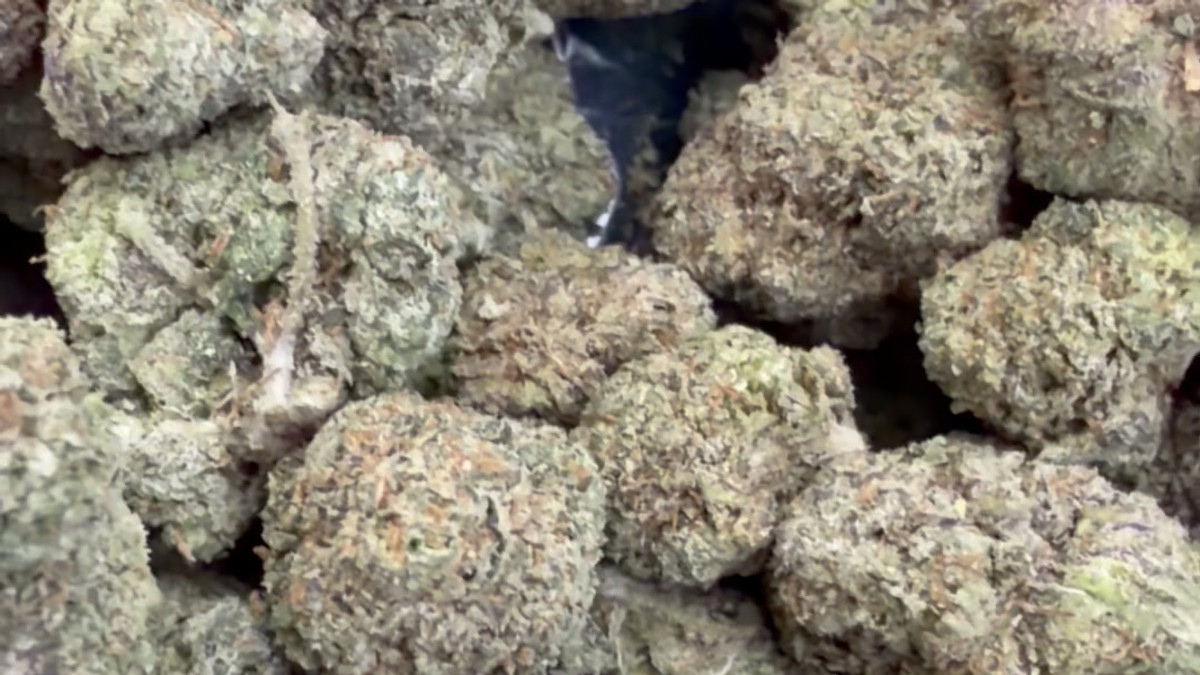
Cherry Runtz is commonly described as a balanced hybrid with a sweet cherry-and-candy profile and effects that can move from an upbeat mental lift toward physical relaxation. The name is used across more than one market and breeder catalog, so exact genetics, cannabinoid levels and plant behavior can vary by producer and batch.
Reported THC levels often fall in the high-teens to upper-20s percentage range, though a label from a particular batch is more useful than a strain-wide estimate. Cherry Runtz may suit adults looking for a flavorful hybrid for an afternoon or evening session, especially those who enjoy dessert-style cultivars without assuming the experience will be identical every time.
Because cannabis affects people differently, start with the product label, use less than you think you need, and give inhaled products time to develop before taking more. This is educational information, not medical advice.
Product Highlights
The table below summarizes commonly reported characteristics. Treat these as general markers rather than guarantees: cultivation, curing, extraction and storage can all change the final product.
Spec | Details |
|---|---|
Strain type | Hybrid; often presented as balanced or indica-leaning |
Commonly reported THC range | Approximately 18%–28%; verify the package or batch COA |
Dominant terpenes | Commonly reported: limonene, caryophyllene, myrcene and linalool; exact order varies |
Effect profile | Reportedly uplifting, happy, euphoric, relaxed and potentially sedating at higher amounts |
Best time of day | Afternoon through evening for many users; personal response varies |
Available formats | Flower, pre-rolls, concentrates, live resin, live rosin, distillate cartridges and disposable vapes, depending on the producer |
Lineage and genetics
Cherry Runtz is generally associated with the Runtz family, a widely recognized dessert-style cannabis line known for sweet fruit and candy notes. Public descriptions commonly connect Runtz to Zkittlez and Gelato, while the “Cherry” portion may indicate a cherry-forward selection, a producer’s cut or a related cross rather than one universally documented genetic formula.
That uncertainty matters. Cannabis names are not always protected or used consistently, and different breeders or brands can apply the Cherry Runtz name to plants with overlapping but non-identical ancestry. Unless a producer identifies the breeder, parents and generation, lineage should be treated as reported rather than proven.
For shoppers, the practical result is that two Cherry Runtz products can share a name while differing in structure, terpene balance, potency and effect. A batch-specific label, terpene panel and producer description provide better information than the name alone.
Aroma, flavor and terpene profile
Cherry Runtz is commonly associated with ripe cherry, berry candy, creamy sweetness and a light citrus edge. Some batches show a sharper gas or pepper note underneath the fruit, particularly when caryophyllene and more pungent secondary terpenes are prominent.
Limonene may contribute citrus brightness, while myrcene can add an earthy or herbal softness. Caryophyllene is often linked with peppery spice, and linalool can round the profile with floral notes. Terpenes do not determine an experience by themselves, but they help explain why one batch may taste brighter, creamier or more savory than another.
Freshness is part of the flavor story. Properly stored flower should retain a recognizable aroma without smelling musty, overly dry or chemically harsh. A terpene percentage is useful context, but it does not replace your own assessment of the product’s condition.
Reported effects and common uses
Consumer descriptions often place Cherry Runtz in the middle ground between mental stimulation and body relaxation. Early effects may include euphoria, mood elevation, sociability or creative focus, followed by a calmer feeling as the dose develops. Larger amounts may feel heavier and less functional.
Some adults choose hybrids like this for relaxing after work, listening to music, casual social time or low-pressure creative activities. Others may find the same cultivar distracting, sleepy or mentally intense. Tolerance, recent food intake, setting, route of administration and the batch’s cannabinoid and terpene profile all matter.
Do not drive or operate equipment after using cannabis. Edibles deserve extra caution because onset can be delayed and effects can last much longer than inhaled products; our guide to edible dosing can help explain why “taking more” too soon is a common mistake.
Formats and hardware
Flower and pre-rolls provide the most direct way to experience Cherry Runtz’s cured aroma. Concentrates can deliver a more concentrated dose, while live resin and live rosin are typically chosen for preserving more of the plant’s fresh aromatic character. Distillate carts and disposables often emphasize refined THC and added or reintroduced terpenes, so their flavor may be cleaner, sweeter or less complex than solventless extracts.
In a cartridge or disposable, the chamber holds oil and the coil or ceramic heating element vaporizes it. Draw-activated devices heat when you inhale; button devices require a press. A short, gentle draw is usually easier on the hardware than a long pull, and storing a device upright can help reduce clogging or leakage.
Temperature changes vapor texture and flavor. For adjustable devices, a lower setting around 2.4–2.8 volts or roughly 350–390°F is commonly used for lighter vapor and more terpene expression, while approximately 390–430°F can produce denser vapor with a stronger, hotter feel. Device design varies, so use the manufacturer’s guidance and avoid repeated long draws that can burn the oil or coil.
Extraction also affects onset and character. Inhaled flower and vape products act quickly, while concentrates may feel more immediate and intense because of their concentration. Live resin is made from fresh-frozen material using hydrocarbon extraction, while live rosin is solventless and pressed from fresh-frozen, processed material; neither method guarantees a particular effect, and the package remains the best guide.
Batch testing and label reading
A certificate of analysis, or COA, is a laboratory document connected to a specific production batch. Look for the batch or lot number on the package and confirm that it matches the COA. A credible report may include cannabinoid potency, terpene content, microbial screening, pesticides, heavy metals, solvents and other required safety tests depending on the jurisdiction.
THC and CBD percentages describe measured cannabinoid content, not a promise about how the product will feel. Flower results may be listed as total THC, THCA and THC, while concentrates and vapes may use different presentation conventions. Terpene percentages can help compare batches, but small numerical differences should not be treated as a precise prediction of the experience.
Numbers vary from harvest to harvest and even between parts of a crop. Read the harvest or test date, package date, storage guidance and ingredient list where available. If a product’s label and testing information are unclear, unresolved uncertainty is a reason to choose a better-documented option.
How it compares
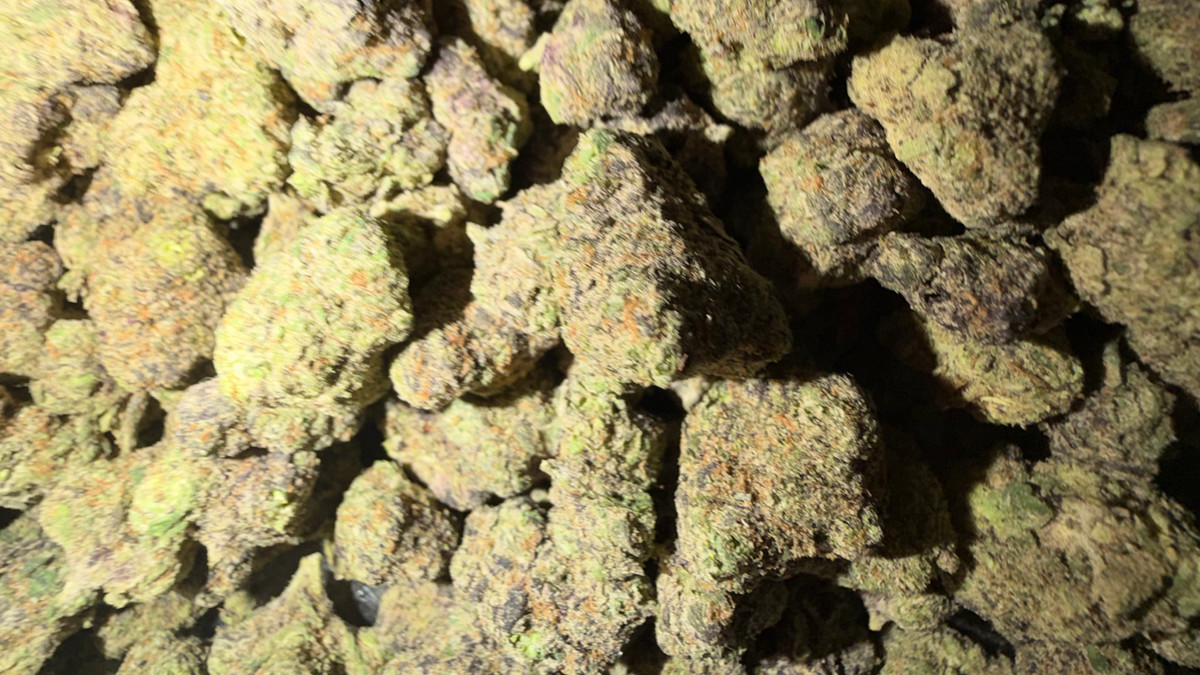
These comparisons are broad family-level reference points, not guarantees. Names can cover different cuts, and a Cherry Runtz batch may overlap with any of them in both flavor and effects.
Strain | Type | Flavor | Effect | Best for |
|---|---|---|---|---|
Cherry Runtz | Hybrid | Cherry candy, berry, cream and possible spice | Uplifting at first, relaxing as it develops | Flavor-focused afternoon or evening sessions |
Runtz | Hybrid | Sweet fruit, candy and tropical notes | Euphoric, social and calming | People exploring the broader Runtz family |
Gelato | Hybrid | Cream, citrus, fruit and light gas | Balanced euphoria with physical ease | Users who prefer dessert profiles with a sharper edge |
Zkittlez | Indica-leaning hybrid | Sweet tropical fruit and candy | Relaxing, mellow and potentially sedating | Evening flavor seekers |
Medical and wellness reports
Adults sometimes report choosing Cherry Runtz or similar hybrids for relaxation, mood, appetite or help settling into an evening routine. Those are personal reports, not established medical outcomes, and they should not be read as evidence that the strain treats, cures or prevents any condition.
If you use prescription medication, have a health condition, are pregnant or breastfeeding, or are considering cannabis for a specific symptom, speak with a qualified healthcare professional. Keep cannabis away from children and pets, and remember that high-THC products can be uncomfortable or impairing even for experienced consumers.
How to Grow Cherry Runtz
Cherry Runtz is commonly approached as a moderate-difficulty hybrid, but the exact plant can change with its cut and environment. The notes below are commonly reported ranges for experienced home cultivators, not guarantees; local rules, plant health and cultivar variation will determine the result.
Grow only where permitted, maintain secure access and use a clean, well-ventilated environment. Humid Mid-Atlantic weather deserves special attention because dense flowers and warm nights can create mold pressure.
Use this table as a planning reference rather than a promise of yield or timing.
Spec | Details |
|---|---|
Grow difficulty | Moderate |
Indoor flowering time | Approximately 8–10 weeks |
Outdoor harvest window | Commonly reported around October in the Northern Hemisphere |
Yield potential | Indoor: roughly 400–600 g/m²; outdoor: roughly 500–800 g per plant under favorable conditions |
Plant height and stretch | Medium height; commonly reported stretch of about 1.5–2 times after the flip |
Ideal climate | Warm, stable and dry in late flower, with strong air exchange |
Mold and pest resistance | Often described as moderate; dense flowers still require preventive airflow and inspection |
Grow Difficulty
Cherry Runtz is best rated Moderate. It can be forgiving when temperatures stay stable and feeding is conservative, but dessert-style hybrids may become demanding once flowering creates dense, aromatic colas. Sudden humidity changes, overfeeding, poor airflow and late-flower moisture can expose weaknesses quickly.
Intermediate growers are likely to get the most from it, while a careful first-time grower can succeed with a simple setup and close observation. Experienced cultivators may prefer it because training and climate control allow them to manage stretch, canopy density and terpene preservation rather than simply chase maximum size.
Canopy, Training and Pruning
Expect moderate vegetative vigor and medium node spacing, with commonly reported stretch of roughly 1.5 to 2 times after changing to a 12/12 light cycle indoors. Topping and low-stress training can create an even canopy, while a SCROG net can help distribute flowering sites before the stretch finishes.
Use defoliation carefully rather than stripping the plant. Remove damaged leaves and selectively open crowded interior growth, but preserve enough healthy foliage to support flowering. Branches carrying heavy colas may need support, especially if the plant stretches quickly or develops uneven tops.
Feeding, Climate and Environment
Grow reports commonly place Cherry Runtz near a moderate feeder. Avoid assuming that a strong-smelling plant needs aggressive nutrient strength; begin conservatively, watch leaf color and tips, and adjust gradually. Nitrogen is useful during vegetative growth, while late flower should be managed without forcing excessive leafy regrowth. Cal-mag needs depend on the water source and medium rather than the strain name alone.
Many indoor growers aim for roughly 75–82°F in vegetative growth and about 68–78°F in flower, with humidity near 55%–65% in veg and gradually reduced toward 40%–50% during late flower. Keep air moving above and below the canopy and provide continuous exchange. In DC, Maryland and Virginia, outdoor summer humidity and warm nights increase powdery-mildew and bud-rot pressure, so choose a breezy site, avoid wetting flowers, inspect after rain and finish before prolonged damp weather whenever possible.
Harvest Timing and Curing
Use trichomes as the primary timing cue: mostly cloudy heads with a smaller proportion of amber are commonly chosen for a balanced, clear-to-relaxed effect, while more amber may produce a heavier character. Clear trichomes generally indicate that the plant is still developing. Pistils turning inward and a fully developed aroma can support the decision, but neither should replace trichome inspection.
Dry slowly in darkness with gentle airflow and stable conditions rather than direct fan blast. Once the exterior is dry but the stems are not brittle, cure in clean airtight containers, leaving room for air exchange during the early period. Protect the cherry and candy terpenes from heat, light and excessive handling; rushing the cure can flatten the aroma or create harsh smoke.
Home Grow Rules in the DMV
As a plain-language educational summary, DC adults 21 and older may grow up to six plants, with no more than three mature, and a household maximum of 12. Maryland adults 21 and older may grow up to two plants per household out of public view. Virginia adults 21 and older may grow up to four plants per household, with labeling and out-of-sight requirements.
Home-grow rules can change, and additional restrictions may apply. Check current official DC, Maryland and Virginia guidance before germinating, transporting or sharing any plant or product. This section is educational only.
Similar strains worth trying
If the Cherry Runtz profile appeals to you, related dessert hybrids are a sensible place to explore. Runtz emphasizes the candy-fruit family connection, Gelato brings cream and citrus with a sharper edge, and Zkittlez leans toward tropical sweetness and a more relaxed finish.
For a broader search, compare products by aroma, terpene panel, test date and batch potency rather than choosing solely by the strain name. Pre-rolls and flower can show more of the cured cultivar profile, while live resin and live rosin may present brighter fresh-plant notes. Concentrates require extra care because their strength and onset can be more pronounced.
The Bud Lords Take
Our take: Cherry Runtz is most interesting when treated as a flavor-forward hybrid, not a guaranteed category of effects. The cherry-candy identity can be inviting, but the best experience depends on a well-cured batch, honest labeling and a dose that fits the person and the setting.
For DMV readers, the legal context is especially important. DC operates under Initiative 71 gifting rules, which are distinct from a conventional regulated retail model; do not assume that a product, transaction or delivery arrangement is lawful simply because it is advertised. Maryland has its own regulated cannabis framework, and Virginia’s rules differ again, including home-grow and possession requirements. Products are for adults 21 and older, and consumers should verify current local rules before buying, carrying, sharing or growing cannabis.
When comparing Cherry Runtz products, start with the batch label and COA, then consider format. A fresh flower or pre-roll may best show the cultivar’s aroma, while a cartridge or disposable offers convenience but depends heavily on hardware and oil formulation. Keep the question simple: what is in this batch, how was it made, and how might this format change the experience?
Cherry Runtz FAQ
Here is what most people ask about Cherry Runtz in this area.
Is Cherry Runtz indica or sativa?
Cherry Runtz is generally described as a hybrid, often with a balanced or slightly indica-leaning effect profile. The label and producer description may differ because the name is not used identically across all products.
How strong is Cherry Runtz?
Commonly reported flower THC levels range from about 18% to 28%, but actual potency varies by batch and format. Check the package and matching COA instead of relying on a strain-wide number.
Does Cherry Runtz taste like cherries?
Many batches are described as cherry, berry and candy-forward, sometimes with cream, citrus, pepper or gas underneath. Curing, storage and terpene concentration can change how clearly those notes come through.
Is Cherry Runtz easy to grow?
It is commonly rated Moderate. The plant can be manageable with training and conservative feeding, but stretch, dense flowers and humid late-season weather require attention, especially for outdoor growers in DC, Maryland and Virginia.
Cherry Runtz is not in the Bud Lords menu right now. Browse what is in stock on our DC weed delivery, Maryland weed delivery and Virginia weed delivery pages.
More strain guides: Super Boof, Glitter Bomb, Cereal Milk.
Frequently asked questions
Here is what most people ask about Cherry Runtz in this area.
What Cherry Runtz is?
Cherry Runtz is commonly described as a balanced hybrid with a sweet cherry-and-candy profile and effects that can move from an upbeat mental lift toward physical relaxation. The name is used across more than one market and breeder catalog, so exact genetics, cannabinoid levels and plant behavior can vary by producer and batch. Reported THC levels often fall in the high-teens to upper-20s percentage range, though a label from a particular batch is more useful than a strain-wide estimate.
How it compares?
These comparisons are broad family-level reference points, not guarantees. Names can cover different cuts, and a Cherry Runtz batch may overlap with any of them in both flavor and effects.
How to Grow Cherry Runtz?
Cherry Runtz is commonly approached as a moderate-difficulty hybrid, but the exact plant can change with its cut and environment. The notes below are commonly reported ranges for experienced home cultivators, not guarantees; local rules, plant health and cultivar variation will determine the result. Grow only where permitted, maintain secure access and use a clean, well-ventilated environment.
Is Cherry Runtz indica or sativa?
Cherry Runtz is generally described as a hybrid, often with a balanced or slightly indica-leaning effect profile. The label and producer description may differ because the name is not used identically across all products.
How strong is Cherry Runtz?
Commonly reported flower THC levels range from about 18% to 28%, but actual potency varies by batch and format. Check the package and matching COA instead of relying on a strain-wide number.
Does Cherry Runtz taste like cherries?
Many batches are described as cherry, berry and candy-forward, sometimes with cream, citrus, pepper or gas underneath. Curing, storage and terpene concentration can change how clearly those notes come through.
Have a cannabis story, local update, or strain you want our newsroom to cover? Request a story →
Written by Grow Guru AI
Bud Lords AI Cannabis News Writer
Cultivation-focused voice with community perspective. Covers growing tips, techniques, and cultivation industry news.
Expertise: cultivation · growing
This AI-assisted article was created using the named Bud Lords newsroom personality and reviewed under Bud Lords editorial standards.


Comments