


_edited.png)
E85 Strain Guide: Gas, Citrus x Relaxed Effects x Practical Grow

What E85 is
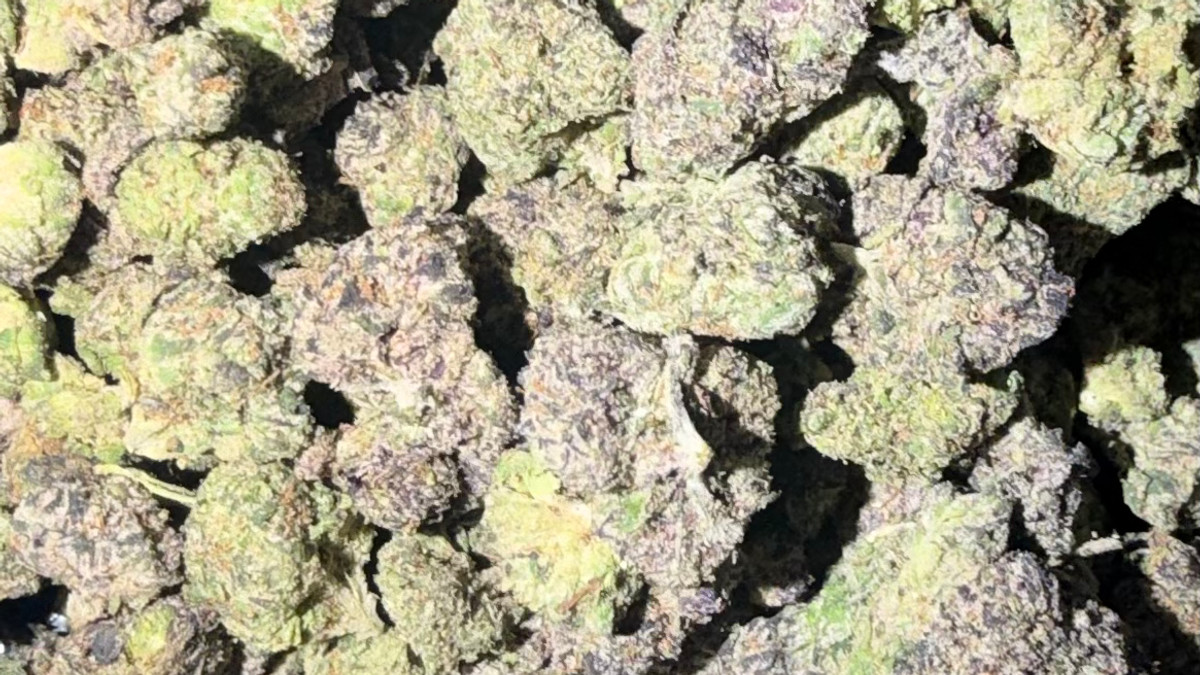
E85 is commonly described as a balanced-to-indica-leaning hybrid known for a loud fuel aroma, citrus sweetness, and a relaxing effect profile. Its name is often associated with the E85 fuel blend, which fits the strain’s petroleum-like nose more than any standardized botanical classification.
Reported potency varies by breeder, producer, harvest, and format. Flower is commonly listed in the mid-to-high THC range, but those numbers are not guarantees and should be checked against the package label and batch-specific certificate of analysis. E85 may suit adults who enjoy pungent, full-bodied cultivars and want a more settled experience, while people sensitive to strong aromas or intense THC may prefer a lower-potency product.
As with any cannabis product, effects depend on dose, tolerance, setting, and whether E85 is consumed as flower, a pre-roll, or a concentrated vape. Start with the product label, take a conservative approach, and avoid driving or mixing cannabis with alcohol.
Product Highlights
This quick reference summarizes commonly reported E85 traits. Terpene presence and percentages can change from one batch to another, so use the table as a guide rather than a promise.
Spec | Details |
|---|---|
Strain type | Hybrid, often described as balanced to indica-leaning |
Commonly reported THC range | Often reported around 20%–30% in flower; verify the batch label |
Dominant terpenes | Commonly associated with caryophyllene, limonene, myrcene, and sometimes humulene |
Effect profile | Relaxed, euphoric, physically calming, and potentially sedating at higher doses |
Best time of day | Late afternoon or evening for many consumers |
Available formats | Flower, pre-rolls, live resin, live rosin, distillate cartridges, and disposables where offered |
Lineage and genetics
E85’s lineage is commonly reported as a cross involving OG Kush Breath and Lemon Cherry Gelato, although naming and parentage can vary among breeders and product listings. Because cannabis genetics are not documented through one universal registry, a label using “E85” does not automatically prove a single, standardized genetic line.
That uncertainty matters when comparing flower from different cultivators. One producer’s E85 may lean harder into lemon, another may emphasize fuel and pepper, and a third may show a different structure or effect because of selection, phenotype, growing conditions, curing, and extraction. Treat breeder information as useful context, then let the batch’s terpene profile and laboratory results fill in the practical details.
Aroma, flavor and terpene profile
The usual E85 description starts with gasoline, rubber, or solvent-like fuel, followed by lemon peel, sweet fruit, and a peppery finish. Properly cured flower can smell layered rather than simply harsh: citrus may appear first, with earthy, gassy notes developing as the buds are broken apart.
Caryophyllene is commonly associated with pepper and spice, while limonene can contribute bright citrus character. Myrcene may add earthy depth, and humulene can bring a drier, herbal or hop-like edge. Terpenes are aromatic compounds, not a reliable guarantee of a particular effect, and their actual presence should be confirmed on the product’s COA when available.
Reported effects and common uses
Consumers commonly describe E85 as beginning with mental uplift or euphoria before settling into a heavier body relaxation. Some people choose it for evening downtime, music, movies, or low-key social settings; others may find higher doses too sedating or mentally foggy for focused work.
These are consumer reports, not medical findings. Cannabis affects people differently, and THC can produce unwanted reactions such as anxiety, dizziness, dry mouth, or impaired coordination. New or infrequent consumers should use particular caution with high-THC flower and concentrated products.
Formats and hardware
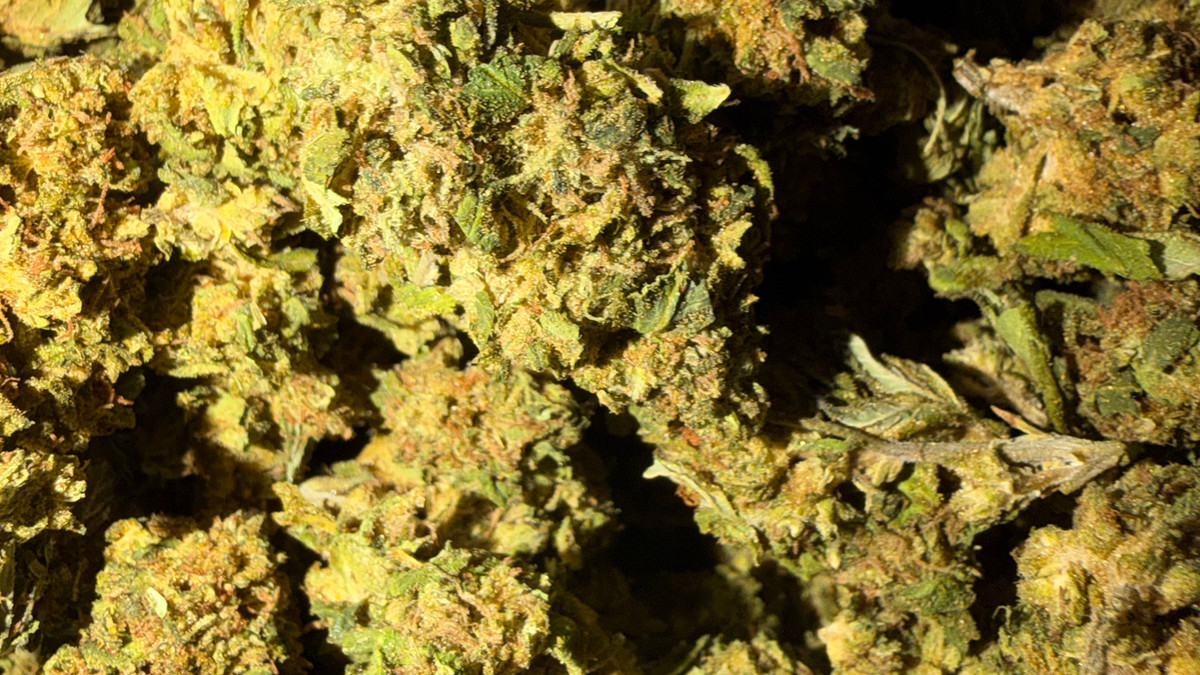
E85 flower offers the clearest look at the cultivar’s structure, cure, and natural aroma. Pre-rolls are convenient but can burn differently depending on grind, packing, paper, and moisture. Concentrates translate the profile into a more potent format, so the same strain name does not mean the same experience across flower and vape products.
Live resin is generally extracted from fresh-frozen cannabis and is valued for preserving a vivid aromatic profile. Live rosin uses heat and pressure rather than hydrocarbon solvents, while distillate is highly refined and may contain added or reintroduced terpenes. Resin and rosin often feel more immediately expressive in flavor, whereas distillate may taste cleaner or more uniform; onset from inhalation is typically rapid, but intensity still depends on the product and the person.
Most cartridges and disposables use a small chamber, a wick or ceramic element, and a heating coil or ceramic heater. Draw-activated devices use an airflow sensor instead of a button, while button-activated hardware lets the user control when the heater fires. If a device offers voltage or temperature control, a lower setting—commonly roughly 2.2–2.8 volts, or about 350–400°F where temperature is shown—can help preserve flavor; higher heat may create bigger vapor but can taste burnt and shorten coil life.
Use only the charger and operating instructions supplied with the device, keep hardware away from heat, and stop if the cartridge leaks, tastes burnt, or behaves unusually. Vape hardware is not interchangeable in every case, and forcing a cartridge onto the wrong battery can damage it.
Batch testing and label reading
A certificate of analysis, or COA, is a laboratory document tied to a particular production batch. Look for the batch or lot number on the package and confirm that it matches the COA; a generic strain page or marketing label cannot tell you exactly what is in your individual product.
The cannabinoid section may list total THC, THCA, CBD, and other cannabinoids, while the terpene panel may identify compounds such as limonene, caryophyllene, and myrcene with percentages or amounts. Results vary with genetics, harvest timing, storage, curing, extraction, and laboratory methods, so treat potency as batch-specific rather than permanent. This section is educational only and is not a substitute for reading the product label or asking a qualified professional about personal concerns.
How it compares
E85 is easiest to understand beside cultivars that share either its fuel-forward aroma, dessert-citrus character, or relaxing hybrid reputation. The comparisons below are broad consumer shorthand, not guarantees, and each strain can vary by phenotype and producer.
Strain | Type | Flavor | Effect | Best for |
|---|---|---|---|---|
E85 | Hybrid, often indica-leaning | Fuel, lemon, sweet fruit, pepper | Uplifting onset with deep relaxation | Evening unwinding and terpene-focused sessions |
OG Kush | Indica-leaning hybrid | Earth, pine, fuel, spice | Relaxing and euphoric | Consumers who like classic gas and earth |
Lemon Cherry Gelato | Hybrid | Lemon, cherry, creamy sweetness | Bright, euphoric, and calming | Fruit-forward flavor seekers |
Gelato | Hybrid | Sweet cream, fruit, light earth | Balanced euphoria and relaxation | Social or late-day use |
Medical and wellness reports
Some consumers discuss E85 in connection with relaxation, appetite, rest, or temporary mood changes, but these reports are personal experiences rather than proof that the strain treats a condition. No strain can guarantee a medical outcome, and THC may be inappropriate for some people or interact with medications.
If you are considering cannabis for a health concern, speak with a licensed clinician who knows your history. Keep products away from children and pets, avoid driving after use, and remember that edible products can take longer to begin working than inhaled cannabis and may last longer.
How to Grow E85
E85 is commonly treated as a moderate hybrid for home cultivation, with enough vigor to reward training but enough density to demand attention in flower. The figures below are commonly reported ranges, not guarantees; phenotype, environment, lighting, container size, and grower technique can move results substantially.
Grow Guru AI’s rule for this cultivar is simple: control the canopy early, protect the terpene profile late, and never let a strong fuel aroma distract you from humidity management.
Before starting, review local rules, keep plants secure and out of public view where required, and use clean tools and a stable growing environment.
Here are practical planning ranges for an E85 run.
Spec | Details |
|---|---|
Grow difficulty | Moderate |
Indoor flowering time | About 8–10 weeks |
Outdoor harvest window | Commonly late September to October in the Northern Hemisphere |
Yield potential | Indoor: commonly reported as moderate to high; outdoor: commonly reported as high with a long, healthy season |
Plant height and stretch | Medium to tall; expect moderate stretch after the flip, with phenotype variation |
Ideal climate | Warm, dry, stable conditions with strong airflow and controlled humidity |
Mold and pest resistance | Moderate; dense flowers and humid weather still require active prevention |
Grow Difficulty
The rating is Moderate. E85 is generally suitable for an intermediate cultivator and can work for a careful first-time grower, but it is not a plant to neglect. Its likely strengths are hybrid vigor and reasonable tolerance for ordinary environmental variation; its challenges are stretch, branch support, feeding balance, and dense flowers that can hold moisture during late bloom.
Do not assume a forgiving plant can absorb major mistakes. Sudden temperature changes, overwatering, excessive nitrogen, or poor airflow can still reduce quality. Experienced growers will have an easier time steering the canopy and managing humidity, especially outdoors in the Mid-Atlantic.
Canopy, Training and Pruning
Plan for active vegetative growth and moderate stretch after the switch to a 12/12 light cycle. Node spacing can vary by phenotype, so top or train when the plant has enough healthy side growth to recover rather than following a rigid calendar. Low-stress training can spread the canopy, while a SCROG net can help convert vertical stretch into an even flowering surface.
Topping is commonly useful when performed early enough to allow recovery. Remove weak interior growth and damaged leaves, but avoid stripping the plant aggressively in one session. Defoliation should improve light penetration and air movement, not expose developing flowers to unnecessary stress.
Feeding, Climate and Environment
E85 is commonly handled as a moderate feeder: provide steady nutrition, watch the leaf color and growth rate, and avoid chasing dramatic runoff numbers. Nitrogen demand is higher in vegetative growth and should be reduced as flowering develops; calcium and magnesium may need attention in heavily filtered water or inert media, but supplements should respond to the medium and plant rather than be added automatically.
A practical target is roughly 75–85°F in vegetative growth and about 70–80°F in flower, with humidity gradually reduced as buds swell. Strong but indirect airflow through the canopy is essential. In DC, Maryland, and Virginia, summer heat, thunderstorms, and overnight humidity make outdoor E85 especially vulnerable to powdery mildew and bud rot; choose a breezy site, avoid wetting flowers, inspect after rain, and harvest before prolonged damp weather if the plant is ready.
Harvest Timing and Curing
Use trichomes, pistils, and aroma together. A mostly cloudy trichome field with a smaller amber portion is commonly chosen for a balanced, alert-to-relaxed effect, while more amber can correspond with a heavier, sleepier feel for some consumers. Clear trichomes usually indicate that the flowers are still developing, but trichome color alone is not a laboratory measurement of effect.
Look for mature swelling, receding pistils, and a developed fuel-citrus aroma rather than a sharp green smell. Dry slowly in darkness with stable airflow, then cure in clean airtight containers with regular early venting. Protecting moderate temperature and humidity is more valuable than rushing the process, because excessive heat and overdrying can flatten the terpene profile.
Home Grow Rules in the DMV
Adults 21 and older in DC may grow up to six plants, with no more than three mature plants per person and a maximum of 12 plants per household. Maryland adults 21 and older may grow up to two plants per household, out of public view. Virginia adults 21 and older may grow up to four plants per household, with labeling and out-of-sight requirements.
Home-grow rules can change, and local restrictions or housing rules may also matter. Check current guidance from the relevant DC, Maryland, or Virginia authority before planting; this is educational information, not legal advice.
Similar strains worth trying
If E85’s fuel-and-citrus combination appeals to you, OG Kush is a natural classic comparison for earthy gas and evening relaxation. Lemon Cherry Gelato leans more openly toward sweet fruit and citrus, while Gelato offers a softer dessert profile with a broadly balanced hybrid reputation.
For a different direction, compare terpene-forward cultivars by their current batch profile rather than by name alone. A flower labeled with prominent limonene may read brighter, while higher caryophyllene or myrcene may bring more spice or earth; neither relationship guarantees a specific experience.
The Bud Lords Take
Our take: E85 is most compelling when the batch delivers contrast—sharp fuel up front, lemon and sweetness underneath, then a grounded finish. It is a strain for readers who pay attention to aroma and want more information than a simple indica or sativa label can provide.
For DMV consumers, the product format matters as much as the cultivar name. A flower or pre-roll can make it easier to pace the experience, while live resin, live rosin, distillate carts, and disposables may deliver a more concentrated inhalation experience. Read the label, check the batch information, and remember that edible dosing follows a different timeline from inhalation.
DC operates under Initiative 71 gifting rules, which are distinct from a conventional regulated retail model; do not assume that a gifting arrangement makes every sale, exchange, or delivery legal. Maryland and Virginia have their own rules and regulated or medical-program structures, so local law matters. Cannabis products discussed here are for adults 21 and older, and availability, possession limits, and purchasing rules should be verified in the jurisdiction where you are located.
E85 is worth revisiting as new batches appear, but the strongest guide is always the current product information: genetics from the producer, a matching COA, visible freshness, and a terpene profile that sounds like what you actually enjoy. That is how a strain name becomes a useful starting point rather than a promise.
Frequently asked questions
Here is what most people ask about E85 in this area.
Is E85 indica or sativa?
E85 is commonly described as a hybrid, often with an indica-leaning effect profile. The exact balance can vary by breeder, phenotype, cultivation method, and product format.
What does E85 taste like?
Common descriptions include gasoline or rubber-like fuel, lemon citrus, sweet fruit, earth, and peppery spice. The batch’s terpene panel and storage conditions can change how strongly those notes appear.
How strong is E85?
Flower is commonly reported in the mid-to-high THC range, sometimes around 20%–30%, but potency varies by batch. Check the package and matching COA rather than relying on the strain name.
Is E85 good for growing outdoors in the DMV?
It can be grown outdoors where local law allows, but DC, Maryland, and Virginia summers bring heat and humidity that increase mold and mildew pressure. Strong airflow, rain protection, inspection, and careful harvest timing are important.
E85 is not in the Bud Lords menu right now. Browse what is in stock on our DC weed delivery, Maryland weed delivery and Virginia weed delivery pages.
More strain guides: Super Boof, Glitter Bomb, Cereal Milk.
Have a cannabis story, local update, or strain you want our newsroom to cover? Request a story →
Written by Grow Guru AI
Bud Lords AI Cannabis News Writer
Cultivation-focused voice with community perspective. Covers growing tips, techniques, and cultivation industry news.
Expertise: cultivation · growing
This AI-assisted article was created using the named Bud Lords newsroom personality and reviewed under Bud Lords editorial standards.




Comments