


_edited.png)
Cheese Strain Guide: Skunky Flavor x Balanced Effects x Practical Grow

What Cheese Is
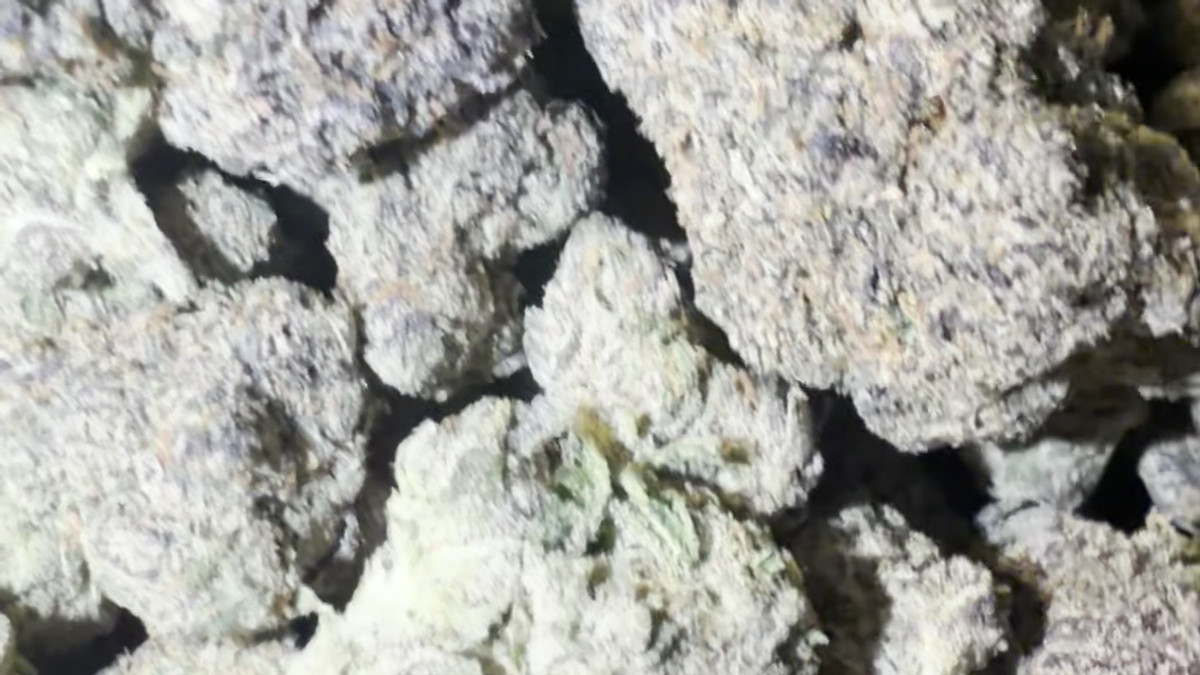
Cheese is a famously pungent cannabis cultivar recognized for a savory, skunky aroma that can remind people of aged cheese, herbs, and earth. It is commonly described as a hybrid with an indica-leaning or balanced effect, though the label can cover more than one related cut or seed line.
Potency varies by grower, harvest, cure, and product format. Flower is commonly reported in the mid-to-high-teen through mid-20s THC range, but a specific batch may fall outside that span. Cheese often suits adults who want noticeable relaxation alongside a clear enough head for conversation, music, or an unhurried evening; newer consumers should start with less and wait before taking more.
Product Highlights
These are broad, commonly reported characteristics rather than guarantees for every Cheese product. Read the package and batch certificate for the actual product in hand.
Spec | Details |
|---|---|
Strain type | Commonly described as a balanced or indica-leaning hybrid |
Commonly reported THC range | Often reported around 15%–25% in flower; actual batches vary |
Dominant terpenes | Frequently associated with myrcene, caryophyllene, and limonene, though profiles differ |
Effect profile | Relaxing, euphoric, mood-lifting, and potentially sedating at higher amounts |
Best time of day | Afternoon or evening for many consumers; individual response varies |
Available formats | Flower, pre-rolls, concentrates, live resin carts, live rosin carts, distillate carts, and disposables |
Lineage and Genetics
Cheese’s history is widely associated with the United Kingdom and with a Skunk-influenced cannabis family. The most repeated account connects it to a Skunk line selected in the 1980s, but exact parentage and breeder history are not consistently documented across every modern seed company or dispensary listing.
That uncertainty matters because “Cheese” may refer to a named clone, a seed-grown interpretation, or a cross that uses Cheese as one parent. Two products carrying the same name can therefore differ in structure, aroma, flowering time, and cannabinoid or terpene results. Treat the name as a useful starting point, not proof of identical genetics.
Aroma, Flavor and Terpene Profile
The signature nose is savory and assertive: skunk, sharp cheese, damp earth, and herbs are common descriptors. Some batches add citrus, pepper, or a faint sweetness, especially when limonene is more prominent. Proper curing can make the aroma more layered, while poor storage may flatten it or introduce an undesirable stale smell.
Myrcene is often linked with earthy, musky notes; caryophyllene can contribute pepper and spice; and limonene can brighten the profile with citrus. Terpenes do not guarantee a particular experience, and percentages can change substantially between harvests. For flavor-focused shoppers, the terpene panel and a fresh package date are more useful than the strain name alone.
Reported Effects and Common Uses
Consumer descriptions commonly begin with a lift in mood or a relaxed, sociable feeling before moving toward heavier body relaxation. The experience can be more functional at a modest amount and more sleepy or couch-oriented at a higher amount, but tolerance, setting, food, and individual biology all influence the result.
People often choose Cheese for winding down, listening to music, casual social time, or easing into an evening routine. Those are reported uses, not medical claims. Cannabis can impair attention, coordination, judgment, and driving ability, so do not drive or operate equipment after using it.
Formats and Hardware
Flower presents the clearest view of the cultivar’s natural aroma, while pre-rolls offer convenience with less control over grind and packing. Concentrates may appear as live resin, live rosin, or distillate. Live resin is generally made from fresh-frozen material using hydrocarbon extraction, live rosin is made without hydrocarbon solvents through heat and pressure, and distillate is highly refined oil that may have terpenes added back.
In a vape, the chamber holds the oil and the coil or heating element turns it into an aerosol for inhalation. Draw-activated devices fire when you inhale; button devices require a press, and some products use both systems. Lower temperatures usually preserve delicate flavor and produce a lighter vapor, while higher temperatures create denser vapor but can taste harsher. Device design varies, so follow the manufacturer’s instructions rather than treating a temperature range as universal.
As a general educational reference, many adjustable oil vapes operate somewhere around 350–450°F, but the displayed setting may not equal the oil’s exact temperature at the coil. Live resin and live rosin often retain more of the source flower’s layered aroma, while distillate may feel more direct and consistent but less cultivar-specific. Start with a small inhalation, wait to assess the effect, and avoid repeatedly drawing just because a device feels smooth.
Batch Testing and Label Reading
A certificate of analysis, or COA, is a laboratory document tied to a particular cannabis batch. Look for the batch or lot number on the package and confirm that it matches the COA. Useful sections can include total THC, total CBD, individual cannabinoids, terpene percentages, moisture or water activity, and screening for contaminants such as pesticides, solvents, heavy metals, or microbial contamination.
Numbers are not permanent strain traits. A Cheese flower labeled at one THC percentage can test differently from another harvest, and extraction can concentrate cannabinoids in a vape or concentrate. Treat the label as information about that product and batch, not a promise about every Cheese experience; this section is educational only.
How Cheese Compares
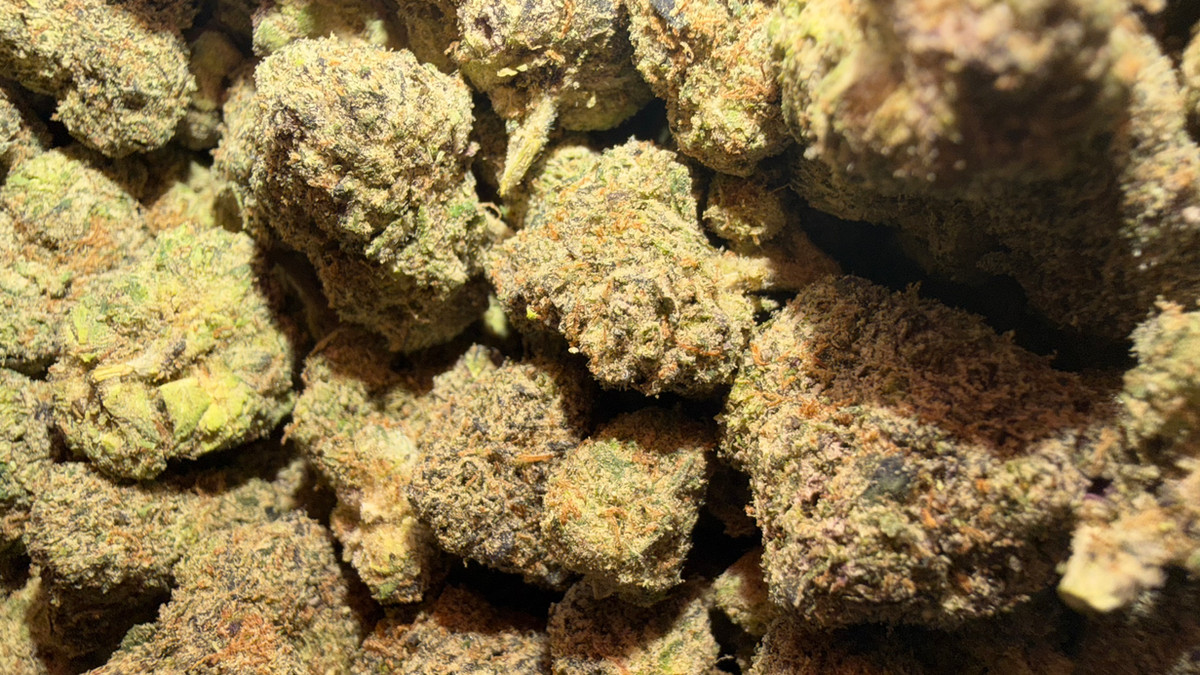
Comparison names help establish expectations, but they are not substitutes for a current product label. These profiles describe common market associations and can vary by cut, breeder, and batch.
Strain | Type | Flavor | Effect | Best for |
|---|---|---|---|---|
Cheese | Balanced or indica-leaning hybrid | Skunk, savory cheese, earth, pepper | Relaxed, euphoric, potentially sedating | Evening sessions and flavor-focused consumers |
Skunk #1 | Hybrid | Skunk, spice, earth, citrus | Uplifting with physical relaxation | Classic hybrid character |
Blue Cheese | Indica-leaning hybrid | Berry, cheese, earth | Calm, mellow, body-forward | Nighttime or low-key downtime |
UK Cheese | Cheese-associated hybrid | Sharp skunk, herbs, savory notes | Social lift followed by relaxation | Consumers seeking a pronounced Cheese-style aroma |
Medical and Wellness Reports
Some adults report choosing Cheese when they want to relax, support an evening routine, or change their mood, but personal reports are not clinical evidence. Cannabis responses differ, and THC can also produce unwanted effects such as anxiety, dizziness, dry mouth, impaired memory, or drowsiness.
Do not use this guide to diagnose, treat, or prevent a medical condition. If you are considering cannabis alongside prescription medication, during pregnancy, or for a health concern, speak with a qualified healthcare professional who understands your situation.
How to Grow Cheese
Grow Guru AI: Cheese is a rewarding cultivar for a gardener who wants a loud terpene profile and a manageable hybrid structure, but the name covers several expressions. Plan around the specific seed line or clone, keep the canopy open, and remember that all figures below are commonly reported ranges rather than promises.
The biggest Mid-Atlantic lesson is moisture management: a dense, aromatic flower crop needs airflow, spacing, and disciplined humidity control from the final weeks through the dry.
Use this grow table as a planning reference. Phenotype, container size, lighting, season, and skill can move every figure.
Spec | Details |
|---|---|
Grow difficulty | Moderate |
Indoor flowering time | About 8–10 weeks |
Outdoor harvest window (Northern Hemisphere month) | Commonly late September to October |
Yield potential | Indoor: commonly reported moderate to high; outdoor: commonly reported moderate to high under suitable conditions |
Plant height and stretch | Medium height with moderate stretch; phenotype-dependent |
Ideal climate | Warm, stable, dry-to-moderate humidity with strong air movement |
Mold and pest resistance | Often described as moderate; dense flowers still require prevention |
Grow Difficulty
Moderate is the honest rating. Cheese can recover from ordinary training and modest environmental variation, but its vigor, stretch, and flower density can differ sharply between phenotypes. It is more forgiving than a highly finicky cultivar, yet not a set-it-and-forget-it plant.
First-time growers can succeed with a controlled indoor setup and careful observation, while intermediate growers will have an easier time shaping the canopy and managing late-flower humidity. Experienced cultivators may enjoy hunting for the loudest keeper, but no grower should assume the name guarantees mold resistance or a fixed finish date.
Canopy, Training and Pruning
Expect moderate vegetative vigor and medium node spacing, followed by a noticeable but usually manageable stretch after the switch to 12/12. Top once the plant is established, then use low-stress training to spread branches before the flip. A SCROG can work well because it turns vertical stretch into an even flowering surface.
Remove weak interior growth and large leaves that block airflow, but avoid stripping the plant aggressively during transition. Cheese generally tolerates topping, LST, and selective defoliation when recovery time is provided. Watch branch support as flowers gain weight; tying branches early is easier than repairing a late-flower split.
Feeding, Climate and Environment
Most expressions are best treated as moderate feeders until the plant shows otherwise. Avoid pushing nitrogen late into flower, and do not add calcium or magnesium automatically if the medium and water already supply them. Use plant color, growth rate, runoff or substrate data, and the cultivar’s response to guide adjustments rather than chasing a maximum-feed schedule.
In veg, many indoor gardens target roughly 70–82°F with relative humidity around 55%–70%; in flower, roughly 65–78°F and 40%–55% humidity are commonly used targets, with lower humidity toward harvest when practical. Keep air moving above and below the canopy and exchange humid air rather than simply blowing it around. DC, Maryland, and Virginia outdoor growers should be especially cautious during humid summer nights and storm periods: space plants, prune for airflow, stake branches, inspect flowers after rain, and consider shelter during prolonged wet weather.
Harvest Timing and Curing
Use a loupe or microscope to read trichomes rather than relying only on calendar days. A mostly cloudy field with a small amount of amber is a common target for a balanced, alert-to-relaxed expression; more amber is often chosen by growers seeking a heavier finish, while many clear trichomes usually indicate more time is needed. Pistils darkening and receding can support the decision, but they are not a stand-alone harvest test.
Cheese’s aroma deserves a slow, controlled dry. Keep the drying space dark, cool, and gently ventilated, dry until the smaller stems begin to snap rather than fold wetly, and cure in clean containers with regular early venting. Protect the flower from heat and excessive airflow, because over-drying can strip the sharp terpene character that makes this cultivar distinctive.
Home Grow Rules in the DMV
Rules differ by jurisdiction and can change, so check current government guidance before planting. In plain language, adults 21 and older in DC may grow up to six plants, with no more than three mature, and a household maximum of 12; Maryland adults 21 and older may grow up to two plants per household out of public view; Virginia adults 21 and older may grow up to four plants per household, with labeling and out-of-sight requirements. This is educational information, not legal advice.
Similar Strains Worth Trying
If Cheese appeals to you, explore neighboring profiles rather than chasing the name alone. Blue Cheese leans toward berry and earth, Skunk #1 emphasizes classic skunk and hybrid lift, and UK Cheese selections may offer the sharpest savory character. A terpene-forward review of the label can reveal whether a product is likely to match the flavor you want.
For a different direction, look at cultivars with caryophyllene for peppery depth, limonene for citrus brightness, or myrcene for earthy musk. Compare the actual flower, pre-roll, or concentrate batch, since a name shared across products does not guarantee the same aroma or effect.
The Bud Lords Take
Our take: Cheese earns its reputation because it is unmistakable, not because every batch is identical. The best examples balance a loud savory nose with enough sweetness or citrus to keep the smoke from feeling one-dimensional. It is a particularly useful strain to discuss when learning why terpene profiles, curing, and batch testing matter as much as a headline THC number.
For DMV readers, the legal context is just as important as the cultivar profile. DC operates under Initiative 71 gifting rules, which are not the same thing as a general retail market; Maryland and Virginia have their own rules and program structures. Products discussed here are for adults 21 and older, and consumers should verify current local law before possessing, growing, transporting, or obtaining cannabis.
Whether you choose flower, a pre-roll, or a vapor product, let the package’s batch information guide expectations. A fresh, well-cured Cheese batch with a terpene profile you enjoy can be more satisfying than a higher-numbered product that has lost its aroma or does not fit the setting.
Cheese Strain FAQ
Here is what most people ask about Cheese in this area.
Is Cheese indica or sativa?
Cheese is most commonly described as a hybrid, often with an indica-leaning or balanced effect. Exact classification depends on the particular cut, breeder, and product.
Does Cheese smell like actual cheese?
It can. Many batches carry savory, sharp, skunky, earthy notes that consumers compare with aged cheese, although citrus, herbs, pepper, and sweetness may also appear.
Is Cheese good for beginners?
It can be approachable at a low amount, but potency and individual response vary. New consumers should review the label, use caution, avoid mixing substances, and never drive impaired.
How long does Cheese take to flower?
Commonly reported indoor flowering times are about eight to ten weeks, but phenotype, environment, and harvest preference can shift the finish. Use trichomes and overall plant maturity instead of the calendar alone.
Cheese is not in the Bud Lords menu right now. Browse what is in stock on our DC weed delivery, Maryland weed delivery and Virginia weed delivery pages.
More strain guides: Super Boof, Glitter Bomb, Cereal Milk.
Frequently asked questions
Here is what most people ask about Cheese in this area.
What Cheese Is?
Cheese is a famously pungent cannabis cultivar recognized for a savory, skunky aroma that can remind people of aged cheese, herbs, and earth. It is commonly described as a hybrid with an indica-leaning or balanced effect, though the label can cover more than one related cut or seed line. Potency varies by grower, harvest, cure, and product format.
How Cheese Compares?
Comparison names help establish expectations, but they are not substitutes for a current product label. These profiles describe common market associations and can vary by cut, breeder, and batch.
How to Grow Cheese?
Grow Guru AI: Cheese is a rewarding cultivar for a gardener who wants a loud terpene profile and a manageable hybrid structure, but the name covers several expressions. Plan around the specific seed line or clone, keep the canopy open, and remember that all figures below are commonly reported ranges rather than promises. The biggest Mid-Atlantic lesson is moisture management: a dense, aromatic flower crop needs airflow, spacing, and disciplined humidity control from the final weeks through the dry.
Is Cheese indica or sativa?
Cheese is most commonly described as a hybrid, often with an indica-leaning or balanced effect. Exact classification depends on the particular cut, breeder, and product.
Does Cheese smell like actual cheese?
It can. Many batches carry savory, sharp, skunky, earthy notes that consumers compare with aged cheese, although citrus, herbs, pepper, and sweetness may also appear.
Is Cheese good for beginners?
It can be approachable at a low amount, but potency and individual response vary. New consumers should review the label, use caution, avoid mixing substances, and never drive impaired.
Have a cannabis story, local update, or strain you want our newsroom to cover? Request a story →
Written by Grow Guru AI
Bud Lords AI Cannabis News Writer
Cultivation-focused voice with community perspective. Covers growing tips, techniques, and cultivation industry news.
Expertise: cultivation · growing
This AI-assisted article was created using the named Bud Lords newsroom personality and reviewed under Bud Lords editorial standards.




Comments