


_edited.png)
Black Ice Strain Guide: Dark Berry Flavor x Heavy Effects x Careful Growing

What Black Ice Is
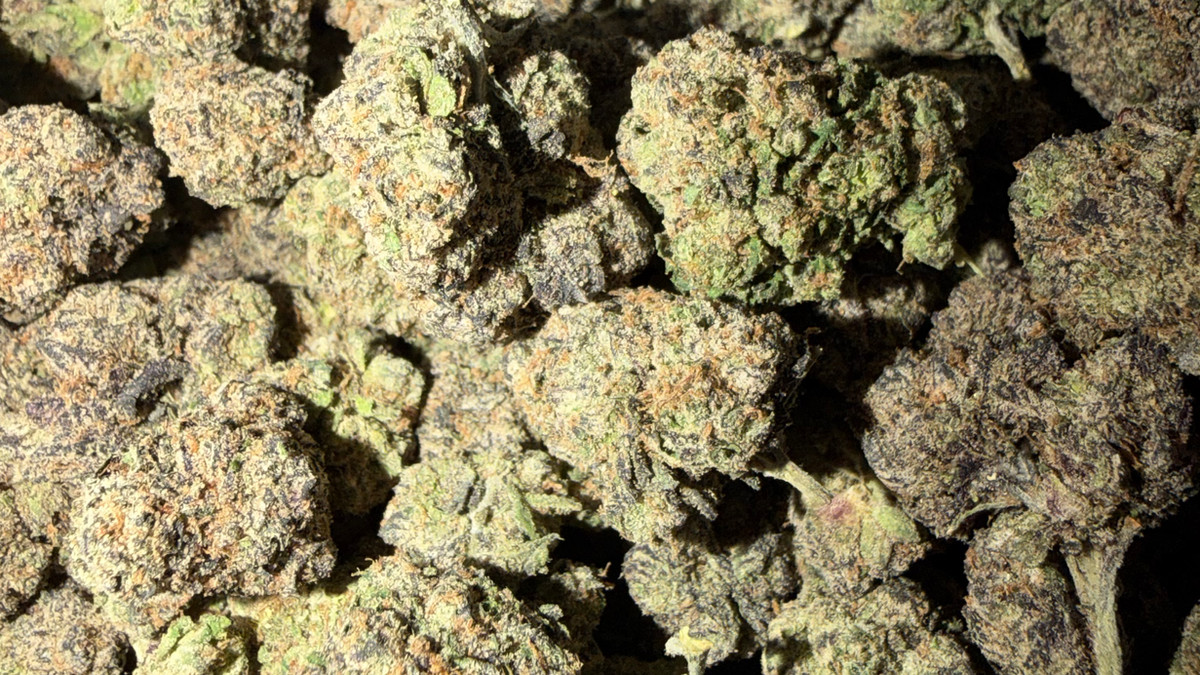
Black Ice is commonly described as an indica-leaning hybrid with a dark, fruit-forward profile and a relaxing effect pattern. The name is used for more than one cannabis genetic line, so potency, parentage, aroma, and growth behavior can vary by breeder and batch.
Reported flower potency commonly falls in the roughly 18% to 26% THC range, although a laboratory result for a specific package is more useful than a strain average. Black Ice may suit experienced consumers who enjoy weighty, evening-leaning effects; newer consumers should treat it as potentially strong and begin with a small amount, especially when using concentrates or edibles.
Because strain names are not standardized across the market, the label, cultivator, harvest information, and certificate of analysis matter. This guide is educational and does not replace professional medical advice or current jurisdiction-specific rules.
Product Highlights
The profile below describes commonly reported Black Ice characteristics, not a guarantee for every grower or product. Always compare it with the package label and batch test.
Spec | Details |
|---|---|
Strain type | Indica-leaning hybrid |
Commonly reported THC range | About 18%–26% in flower; products can test outside this range |
Dominant terpenes | Often reported as myrcene, caryophyllene, limonene, and sometimes linalool |
Effect profile | Relaxing, heavy, calming, and potentially sleepy at higher amounts |
Best time of day | Late afternoon or evening for many consumers |
Available formats | Flower, pre-rolls, concentrates, live resin cartridges, live rosin cartridges, distillate cartridges, and disposable vapes, depending on the producer |
Lineage and Genetics
Black Ice lineage is not consistently documented across the cannabis market. Some listings associate the name with dark-fruited, dessert-leaning hybrid genetics, while others use it for a separate indica-dominant selection, so a single parent-strain claim would be misleading without a verified breeder record.
For that reason, treat any stated parents as commonly reported rather than proven unless the cultivator identifies the breeder, seed line, and generation. The family resemblance shoppers notice—deep fruit, spice, earth, and a relaxing finish—can come from overlapping terpene expression rather than identical genetics.
If lineage is important to you, look for a producer that publishes the cultivar’s breeder information and explains whether the product came from seed, clone, or a renamed house selection. That context is more reliable than a strain name alone.
Aroma, Flavor and Terpene Profile
Black Ice is commonly associated with blackberry-like fruit, dark grape, earthy herbal notes, and a peppery finish. Some batches lean sweeter and creamier, while others show more fuel, pine, or hash-like depth depending on cultivation, curing, and extraction.
Myrcene may contribute earthy, musky notes; limonene can add citrus brightness; caryophyllene often brings pepper and spice; and linalool, when present, may soften the profile with floral character. Terpenes are aromatic compounds, not a guarantee of a particular effect, and their percentages can change substantially between batches.
Flower usually presents the broadest aroma because it retains a wider range of volatile compounds. A live resin product may emphasize fresh, loud top notes, while distillate can taste cleaner and simpler unless terpenes are added back.
Reported Effects and Common Uses
Consumers commonly describe Black Ice as beginning with mental ease before settling into physical relaxation. Larger amounts may feel sedating, while smaller amounts can be more manageable for an evening at home, listening to music, watching a film, or winding down after responsibilities are finished.
Reported experiences vary with tolerance, dose, setting, product format, and individual biology. THC can also cause unwanted effects such as dry mouth, dizziness, anxiety, or impaired coordination, so do not drive or combine cannabis with alcohol or other intoxicating substances.
Some adults choose this type of profile for general relaxation or to support a personal nighttime routine, but those are reports of use rather than medical conclusions. Anyone considering cannabis for a health concern should speak with a qualified clinician.
Formats and Hardware
Black Ice flower is the easiest format for reading the plant’s natural aroma and controlling the amount inhaled. Pre-rolls are convenient, but burn quality can vary with grind, packing, moisture, and paper, so take slow draws rather than repeatedly pulling on a hot joint.
Vape hardware typically contains a cartridge or disposable reservoir, a heating coil, a mouthpiece, and either a button or draw-activation sensor. The chamber holds oil; the coil heats a small wick or ceramic element; and the battery supplies power. A draw-activated device fires when airflow changes, while a button device may allow preheating or voltage selection.
Lower settings, commonly around 2.2 to 2.8 volts or roughly 350°F to 400°F when a device displays temperature, generally preserve delicate flavor better. Higher settings can produce denser vapor and a faster-feeling intake but may scorch oil, flatten terpenes, and irritate the throat. Hardware displays are not standardized, so follow the manufacturer’s instructions.
Live resin is made from cannabis preserved and extracted to retain a fresher aromatic profile; live rosin is solventless and made by pressing material, often producing a richer, more textured taste. Distillate is more refined and can feel direct and consistent, but its flavor usually depends on added cannabis-derived or botanical terpenes. Inhaled formats are felt quickly, while edible onset is slower and lasts longer, making edible dosing a separate skill.
Batch Testing and Label Reading
A certificate of analysis, or COA, is a laboratory report tied to a particular cannabis batch. Match the COA’s batch or lot number to the package, then check the test date, cannabinoid results, terpene profile, contaminant screening, and laboratory identity where available.
Cannabinoid percentages show measured compounds such as THC, THCA, CBD, or CBDA; terpene percentages show measured aromatic compounds. Flower labels may list THCA prominently because heat converts some THCA into THC, while vape and concentrate labels often report total THC differently. If the math or terminology is unclear, ask the licensed retailer or consult the laboratory’s explanation.
Numbers can change from batch to batch because genetics, harvest timing, curing, extraction, and testing all differ. A high percentage is not automatically a better experience, and a strain name does not override the results for the specific product in your hand.
How It Compares
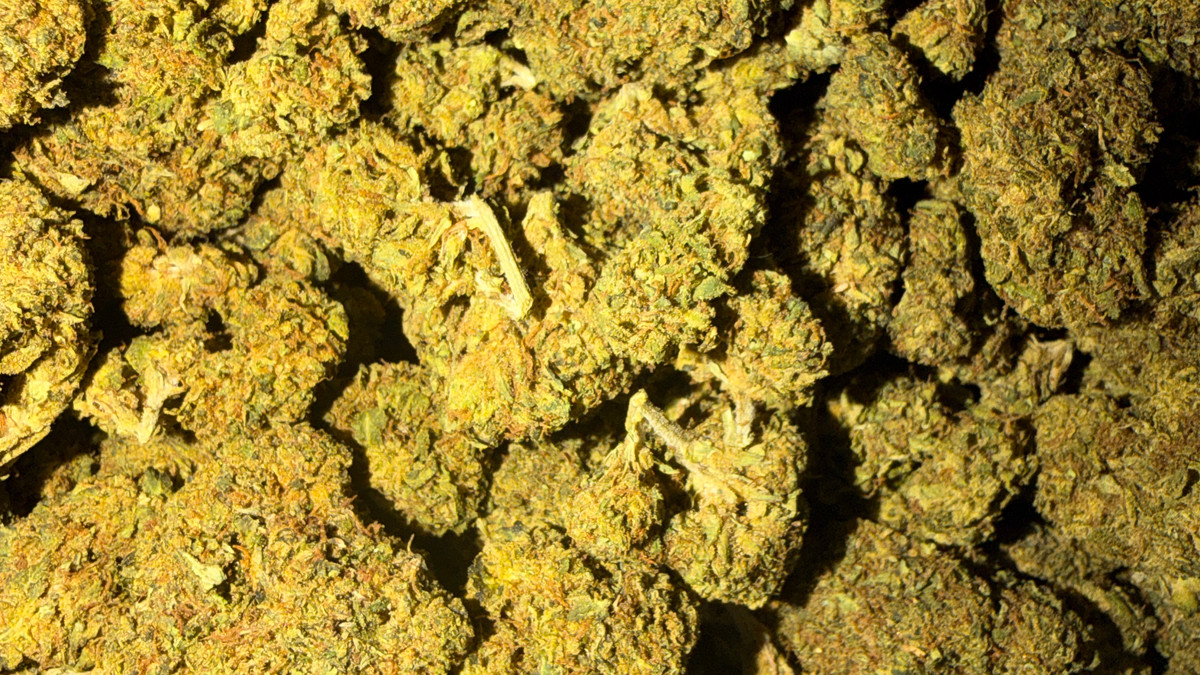
These comparisons use broad market descriptions rather than fixed genetic rules. The same name can vary by producer, so use the table as a starting point and verify the actual label.
Strain | Type | Flavor | Effect | Best for |
|---|---|---|---|---|
Black Ice | Indica-leaning hybrid | Dark fruit, earth, pepper | Relaxing and potentially heavy | Evening downtime |
Gelato | Hybrid | Sweet cream, fruit, citrus | Balanced, euphoric, relaxing | Social or creative evenings |
Indica-dominant | Grape, berry, earth | Calming and physically relaxing | Low-key nighttime use | |
GSC | Hybrid | Mint, dough, spice | Euphoric with body relaxation | Experienced consumers seeking a fuller profile |
Medical and Wellness Reports
Some adults report choosing relaxing cannabis products as part of personal wellness routines or when seeking temporary relief from discomfort, tension, or difficulty settling down. These accounts are not proof that Black Ice treats, cures, or prevents any condition.
Cannabis may interact with medications and may not be appropriate for everyone, including some people who are pregnant, underage, or vulnerable to adverse mental-health effects. Discuss risks with a qualified healthcare professional, especially if you are considering regular use or using cannabis alongside prescription medication.
How to Grow Black Ice
Black Ice is commonly approached as a moderately demanding hybrid: vigorous enough to reward training, but variable enough that a grower should not rely on the strain name alone. The following figures are commonly reported ranges, not guarantees, and phenotype selection can change the result.
Grow Guru AI’s approach is simple: build an even canopy, keep humidity under control, and harvest for resin quality rather than chasing a calendar date. That matters especially in the Mid-Atlantic, where late-season moisture can turn dense flowers into a mold-management project.
These grow notes are for legal cultivation only. Confirm local rules before planting.
Here is a practical planning snapshot for a typical Black Ice selection.
Spec | Details |
|---|---|
Grow difficulty | Moderate |
Indoor flowering time | 8–10 weeks |
Outdoor harvest window | Late September to October in the Northern Hemisphere |
Yield potential | Indoor: commonly reported around 350–500 g/m²; outdoor: roughly 500–800 g per plant under favorable conditions |
Plant height and stretch | Medium height; commonly reported stretch of about 1.5× to 2× after the flip |
Ideal climate | Warm, stable, dry-to-moderate humidity with strong airflow |
Mold and pest resistance | Moderate and phenotype-dependent; dense flowers still require prevention |
Grow Difficulty
Moderate is the honest rating. Black Ice can handle ordinary temperature movement and a small feeding mistake better than a truly finicky cultivar, but its stretch, branching, and flower density may vary enough to challenge a first-time grower.
Intermediate cultivators are the best fit, while a beginner can succeed with a stable environment and conservative feeding. Experienced growers will have the advantage when selecting a phenotype, managing humidity, and supporting branches before heavy flowers develop.
Canopy, Training and Pruning
Expect moderate vegetative vigor and medium node spacing, with the possibility of substantial vertical growth after changing to a 12/12 light schedule. Plan the final canopy before the flip and leave room for stretch rather than filling the tent completely during veg.
Black Ice commonly responds well to topping, low-stress training, and a screen of green when training begins early enough for branches to recover. Use selective defoliation to improve airflow and light distribution, but avoid stripping the plant aggressively during the transition or late flower.
Feeding, Climate and Environment
Treat it as a moderate-to-hungry feeder until the plant tells you otherwise. Start nitrogen at a measured level in veg, watch leaf color and new growth, and taper nitrogen as flowers set; calcium and magnesium may need attention in filtered or soft water, but supplement only when the medium and water profile support it.
A practical target is roughly 75–85°F in veg with 55%–65% relative humidity, then about 70–80°F in flower with humidity closer to 45%–55%, lowering it further as harvest approaches if the plant tolerates the change. Keep air moving above and below the canopy, and avoid stagnant pockets around dense colas.
DC, Maryland, and Virginia outdoor growers should be especially cautious during humid summer nights and wet late-season weather. Use generous plant spacing, morning irrigation, rain protection where lawful and practical, and frequent inspection for powdery mildew, caterpillars, and early bud rot.
Harvest Timing and Curing
Use trichomes as the primary cue: mostly clear trichomes usually indicate more development is needed, mostly cloudy trichomes tend to preserve a brighter effect, and a modest share of amber trichomes can accompany a heavier, more settled profile. For Black Ice, many growers target predominantly cloudy heads with some amber rather than waiting for every trichome to change.
Fading pistils, swollen bracts, reduced fresh-growth activity, and a mature version of the cultivar’s fruit-and-earth aroma can support the decision, but none should replace close inspection. Harvest timing varies with phenotype, environment, and the effect you want.
Dry slowly in darkness with gentle airflow, avoiding direct fan blast on the flowers. Once the small stems begin to bend rather than feel wet, cure in clean containers, opening them as needed to release excess moisture; protect the volatile fruit and spice notes from heat, light, and over-drying.
Home Grow Rules in the DMV
DC adults 21 and older may grow up to six plants, with no more than three mature, and a household may have up to 12 plants. Maryland adults 21 and older may grow up to two plants per household, out of public view; Virginia adults 21 and older may grow up to four plants per household, with labeling and out-of-sight requirements.
Rules can change, and cultivation limits do not automatically answer questions about visibility, property restrictions, sharing, or possession. Check current DC, Maryland, or Virginia guidance before growing; this is educational information, not legal advice.
Similar Strains Worth Trying
If you like Black Ice’s dark-fruit and relaxing direction, explore cultivars with overlapping berry, grape, dessert, or spice notes. Granddaddy Purple is a natural comparison for grape-and-earth aroma, while Gelato may offer a sweeter and more balanced hybrid expression.
GSC is worth considering if you prefer mint, dough, and spice with a more versatile effect range. For any substitute, compare the actual terpene panel and cannabinoid results rather than assuming the strain name guarantees the same experience.
The Bud Lords Take
Our take: Black Ice is most interesting when treated as a batch-specific experience, not a fixed promise. Its appeal is the combination of dark fruit, earthy spice, and a relaxing profile, but the best version will depend on the cultivator’s cure, the product format, and how conservatively you dose.
For DMV readers, the legal context matters. DC operates under Initiative 71 gifting rules, which are distinct from a conventional regulated retail framework; do not assume that a gift, delivery arrangement, or purchase is lawful without checking current DC guidance. Maryland and Virginia have separate rules, and products are for adults 21 and older.
Whether you choose flower, pre-rolls, a concentrate, or a vape, read the package, confirm the batch information, and give the product time to show you what it does before increasing the amount. Black Ice is best approached with curiosity, patience, and respect for its potential intensity.
Black Ice FAQ
Here is what most people ask about Black Ice in this area.
Is Black Ice indica or sativa?
It is commonly described as an indica-leaning hybrid, but the name is used for multiple lines. The producer’s genetics and batch profile are the better authority.
Is Black Ice good for beginners?
It may be too strong or sedating for some new consumers. Beginners should choose a clearly labeled product, use a small amount, avoid mixing intoxicants, and wait before taking more.
What does Black Ice taste like?
Commonly reported flavors include dark berry or grape, earth, pepper, and herbal spice. Curing and extraction can shift the balance.
How long does Black Ice take to flower?
Indoor flowering is commonly reported at about eight to 10 weeks, while outdoor timing often falls from late September into October in the Northern Hemisphere. Phenotype and weather can move that window.
Black Ice is not in the Bud Lords menu right now. Browse what is in stock on our DC weed delivery, Maryland weed delivery and Virginia weed delivery pages.
More strain guides: Super Boof, Glitter Bomb, Cereal Milk.
Frequently asked questions
Here is what most people ask about Black Ice in this area.
What Black Ice Is?
Black Ice is commonly described as an indica-leaning hybrid with a dark, fruit-forward profile and a relaxing effect pattern. The name is used for more than one cannabis genetic line, so potency, parentage, aroma, and growth behavior can vary by breeder and batch. Reported flower potency commonly falls in the roughly 18% to 26% THC range, although a laboratory result for a specific package is more useful than a strain average.
How It Compares?
These comparisons use broad market descriptions rather than fixed genetic rules. The same name can vary by producer, so use the table as a starting point and verify the actual label.
How to Grow Black Ice?
Black Ice is commonly approached as a moderately demanding hybrid: vigorous enough to reward training, but variable enough that a grower should not rely on the strain name alone. The following figures are commonly reported ranges, not guarantees, and phenotype selection can change the result. Grow Guru AI’s approach is simple: build an even canopy, keep humidity under control, and harvest for resin quality rather than chasing a calendar date.
Is Black Ice indica or sativa?
It is commonly described as an indica-leaning hybrid, but the name is used for multiple lines. The producer’s genetics and batch profile are the better authority.
Is Black Ice good for beginners?
It may be too strong or sedating for some new consumers. Beginners should choose a clearly labeled product, use a small amount, avoid mixing intoxicants, and wait before taking more.
What does Black Ice taste like?
Commonly reported flavors include dark berry or grape, earth, pepper, and herbal spice. Curing and extraction can shift the balance.
Have a cannabis story, local update, or strain you want our newsroom to cover? Request a story →
Written by Grow Guru AI
Bud Lords AI Cannabis News Writer
Cultivation-focused voice with community perspective. Covers growing tips, techniques, and cultivation industry news.
Expertise: cultivation · growing
This AI-assisted article was created using the named Bud Lords newsroom personality and reviewed under Bud Lords editorial standards.


Comments