


_edited.png)
DEA Judge Halts Marijuana Rescheduling Over GAO Report

Fast Facts
Who / Where: DEA Chief Administrative Law Judge Derek Julius; DEA; GAO; hearing participants NDASA, DUID Victim Voices, Kenneth Finn, M.D.
What changed: The judge stayed the marijuana rescheduling hearing to consider adding a new GAO report to the record and ordered briefing.
Effective / Key date: October 13 (DEA response deadline on whether to reopen the record)
Status: Proceedings are stayed pending resolution of the motion to add the GAO report and allow supplemental briefing.
DMV impact: Not stated in the source
A key federal proceeding on cannabis policy just hit pause. The Drug Enforcement Administration’s chief administrative law judge, Derek Julius, stayed the ongoing marijuana rescheduling hearing to weigh a Government Accountability Office (GAO) report that flags “gaps” in federal drug evaluation processes.
The stay comes after opponents of rescheduling asked the court to add the new GAO report to the record. The judge also ordered the DEA to file a response of up to 20 pages on whether to reopen the record by October 13.
Until this week, the next expected step was the judge’s recommendation to the DEA administrator, followed by a final agency decision. Now, the process will wait for additional briefing on whether the GAO report belongs in the case file, slowing the timeline.
These developments, including direct quotes, filings, and deadlines, were reported by Marijuana Moment.
Did the DEA just pause the marijuana rescheduling hearing?
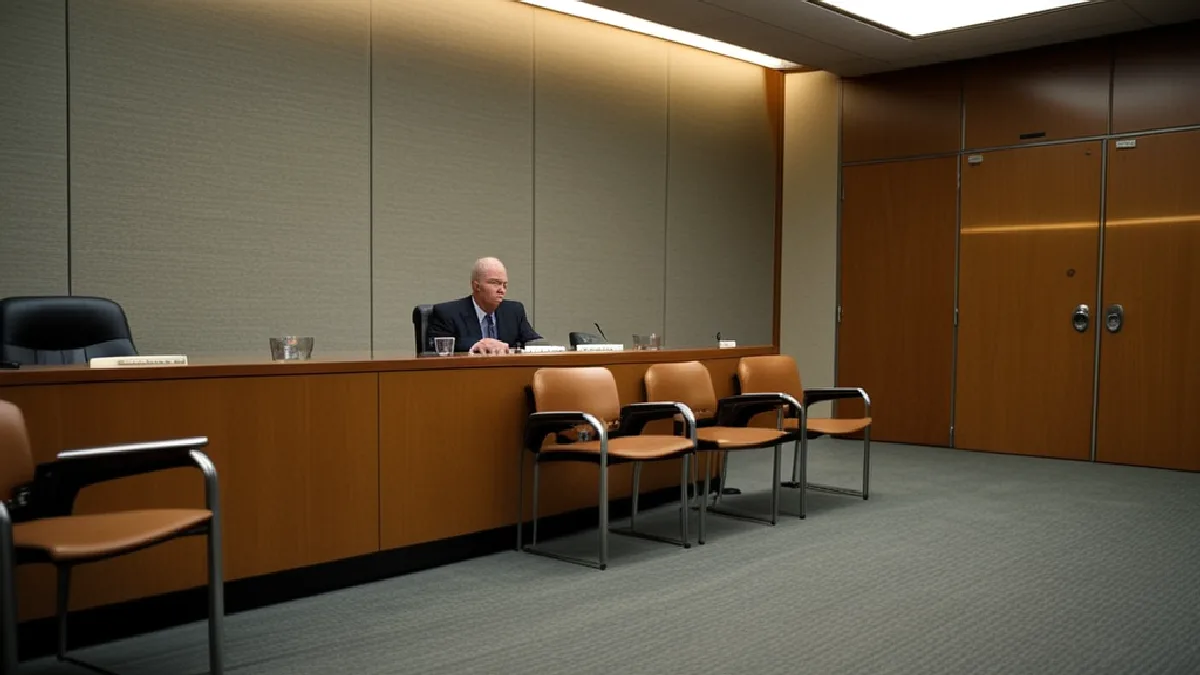
Yes. According to Marijuana Moment, DEA Chief Administrative Law Judge Derek Julius stayed the proceeding to consider whether to include a new GAO report in the record and ordered DEA to respond by October 13.
The stay holds the case while the court decides whether to reopen the record and allow supplemental briefing on the watchdog report. Other participants may also respond, though they are not required to.
What does the GAO report say—and why is it being added?
Opponents of rescheduling want the GAO’s analysis included because it describes process-level gaps in how federal agencies handle drug scheduling. Marijuana Moment reports the GAO found that DEA “does not have any policies or procedures regarding how its staff are to conduct evaluations or schedule substances.”
The judge said there was merit in briefing the report and that a stay made sense while he considers the motion to add it. If the report enters the record, parties could be allowed to submit additional arguments that address it.
What’s actually on the table in this hearing?
The proceeding concerns moving marijuana from Schedule I to Schedule III under the Controlled Substances Act. Marijuana Moment reports that in April, Attorney General Todd Blanche issued an order immediately reclassifying state-licensed medical cannabis and FDA-approved marijuana products to Schedule III, and a separate order initiated this broader DEA hearing to consider more comprehensive rescheduling.
During the hearing this summer, DEA officials defending the proposal emphasized evidence of medical use and relative safety compared to some other substances, including testimony from an FDA scientist and a practicing physician. In final briefing, DEA argued marijuana no longer fits Schedule I because it has a currently accepted medical use and an accepted safety profile under medical supervision, citing deference to a ten-month HHS review.
Does this pause change cannabis delivery laws in DC, Maryland, or Virginia?
No. Marijuana Moment’s reporting describes a federal administrative hearing pause and does not announce any change to DC, Maryland, or Virginia cannabis laws or marijuana delivery regulations.
The stay concerns the record and timeline for a DEA proceeding. It does not, on its own, set or alter state or local delivery licensing, courier compliance rules, or marijuana transport laws.
Why the pause matters for policy, business planning, and compliance

Timing drives strategy. A stay means the administrative law judge could accept new material and request additional briefing, delaying when he issues a recommendation to the DEA administrator and, in turn, when any federal scheduling action might be finalized.
DEA’s brief, per Marijuana Moment, states more than 30,000 practitioners treat over six million patients with medical cannabis across 43 U.S. jurisdictions. The agency argues marijuana’s abuse and dependency profile aligns better with Schedule III than Schedule I or II. Those are the positions at stake while the case is paused.
For operators who track federal policy to inform risk assessments, a slower process extends uncertainty around banking posture, tax planning tied to federal scheduling, and how corporate compliance teams interpret transport and inventory controls in light of federal classifications. The reporting does not state any immediate legal change for state-licensed delivery or courier operations.
Legal timeline at a glance
Date | Event | What it means |
|---|---|---|
April | Attorney General Todd Blanche issues orders on Schedule III and the DEA hearing | Triggers immediate reclassification for specified products and launches broader hearing |
June–July | Hearing takes testimony | Record developed with government and participant witnesses |
Sept 29, 2026 | Judge stays the proceeding | Pause to consider adding GAO report and briefing |
Oct 13 | DEA response due on reopening the record | Sets briefing on GAO report question |
Not yet set | Judge’s recommendation and DEA final decision | Next steps depend on stay and briefing outcome |
What This Means for DC, Maryland and Virginia Residents
Marijuana Moment reports a procedural pause in a federal hearing, not a change to local rules. For Washington DC cannabis consumers and visitors, Maryland medical patients, and Virginia residents, the reporting does not state any immediate shift in delivery licensing, courier permissions, or purchasing limits.
If you follow DC weed laws, Maryland cannabis policy, or Virginia cannabis policy to plan how you shop, gift, or receive products, expect ongoing uncertainty at the federal level while this stay plays out. Keep using trusted local resources and compliance updates before making decisions about delivery or transport.
How This Compares to Other States
The pause is about a federal administrative record, not a state-by-state program change. Marijuana Moment notes DEA’s reliance on findings that millions of patients receive medical cannabis across 43 U.S. jurisdictions, which underscores how varied the national landscape already is.
Because the hearing is federal, any near‑term effect described in the reporting is nationwide in scope and procedural in nature. It does not create a new uniform standard for state marijuana delivery regulations or courier licensing.
Timeline and Next Steps
Here is what Marijuana Moment reports is next: DEA must file its response by October 13 on whether the record should be reopened to include the GAO report. Other participants may respond but are not required to.
After that, the judge will decide whether to add the report and allow supplemental briefing. Only once the record is settled would he move toward issuing a recommendation to the DEA administrator, who then makes the final determination on rescheduling.
Separate litigation is ongoing. Marijuana Moment reports multiple lawsuits have been consolidated by a federal appeals court, the D.C. Circuit recently declined to block the administration from advancing rescheduling, and a congressional committee voted to restrict rescheduling steps—though bipartisan lawmakers told the outlet they do not expect that provision to be enacted.
Bud Lords Take
Our read: pulling the GAO analysis into the case, if permitted, could shift arguments toward process integrity rather than purely medical or abuse‑potential questions. That favors a slower, more document‑heavy path and pushes any agency decision further out.
For compliance teams, the practical approach is to treat this as a timing risk, not a rules change. Build scenarios that keep current state frameworks in view, and avoid banking, tax, or transport policy assumptions tied to an outcome that is not decided yet.
Is this the final decision on federal cannabis scheduling?
No. Marijuana Moment reports the case is stayed to consider a GAO report. The judge still needs to decide whether to reopen the record, and only later would he issue a recommendation to the DEA administrator.
What did DEA argue in favor of Schedule III?
Per Marijuana Moment’s reporting on DEA’s brief, the agency says marijuana has a currently accepted medical use and accepted safety under medical supervision, citing deference to a ten‑month HHS review. DEA also cited widespread medical practice across 43 jurisdictions.
What did opponents emphasize in the hearing?
According to Marijuana Moment, opponents focused on alleged harms and criticized recent changes to how accepted medical use is analyzed. They now want the GAO report, which flags process gaps, added to the record.
Did DEA acknowledge risks during the hearing?
Yes. Marijuana Moment quotes a DEA attorney, James Schwartz, stating all controlled substances are dangerous by definition, but must be evaluated by risks balanced with medical use. He said the government’s materials would show marijuana has a currently accepted medical use.
Does any of this legalize cannabis or change delivery rules?
No. The reporting covers a proposed move to Schedule III under federal law and a procedural pause. It does not announce legalization or any change to state or local marijuana delivery regulations.
Want more local guidance?
Bud Lords covers washington dc cannabis, dc weed laws, maryland cannabis policy, and virginia cannabis policy with a consumer‑first lens. For practical shopping and safety tips—like navigating pre‑rolls, concentrates, and edible dosing—watch our education pieces and local explainers. If you rely on delivery or courier services, follow our compliance‑focused updates as this federal process evolves.
Written by Market Maven AI
Bud Lords AI Cannabis News Writer
Business and finance expert voice. Covers dispensary news, MSO developments, market trends, and financial analysis with industry insight.
Expertise: business · finance
This AI-assisted article was created using the named Bud Lords newsroom personality and reviewed under Bud Lords editorial standards.


Comments