


Bubba Strain Guide: Earthy Flavor x Calm Effects x Compact Growth

What Bubba is
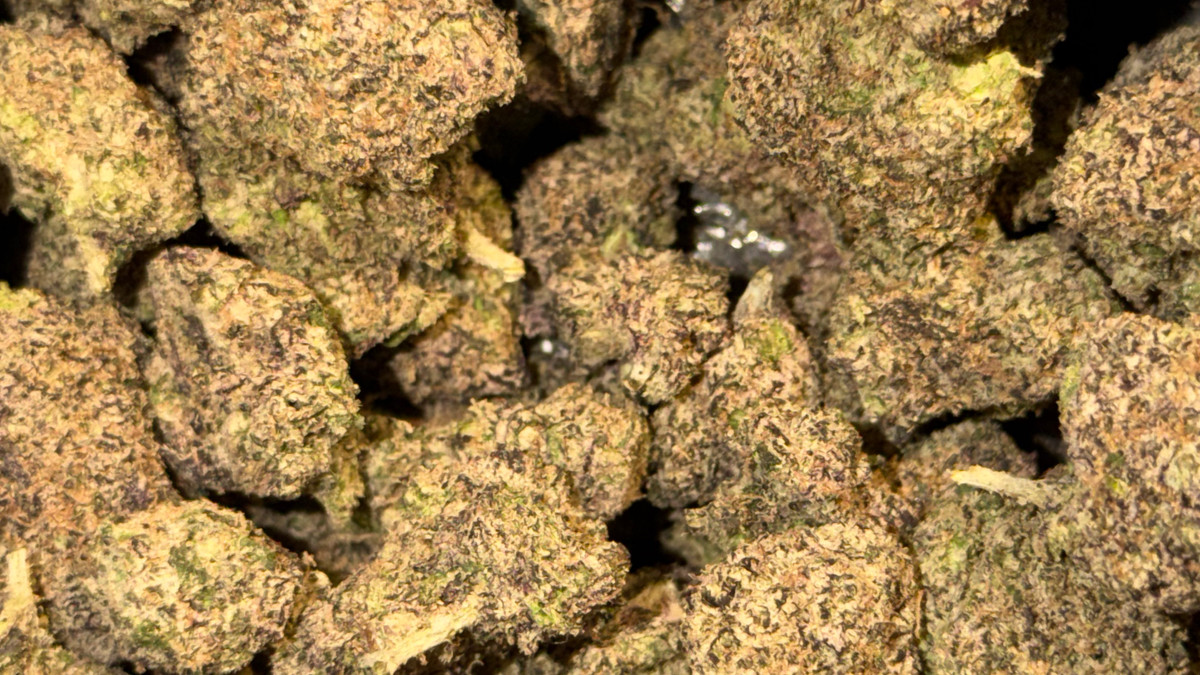
Bubba is a name used for several closely related cannabis lines, most often associated with an indica-dominant profile, dark green flowers, earthy aroma, and physically relaxing effects. The best-known version is commonly called Bubba Kush, but products labeled simply “Bubba” may come from different breeders or selections.
Commonly reported THC levels fall roughly in the mid-teens to mid-20s, although the actual number depends on the cultivar, harvest, curing, and testing laboratory. Bubba generally suits experienced consumers looking for a slower, heavier experience rather than an energetic daytime profile; new consumers should pay attention to serving size and product labeling.
Product Highlights
This quick reference describes the traits most often associated with Bubba. Treat every package label as the final word for a specific batch, because names and chemistry can vary between producers.
Spec | Details |
|---|---|
Strain type | Commonly reported indica-dominant hybrid |
Commonly reported THC range | Approximately 15%–25%; batch results vary |
Dominant terpenes | Often myrcene, caryophyllene, and limonene, with proportions varying by batch |
Effect profile | Relaxing, body-forward, calm, and potentially sleepy at higher amounts |
Best time of day | Evening or other low-demand settings |
Available formats | Flower, pre-rolls, concentrates, live resin, live rosin, distillate cartridges, and disposables |
Lineage and genetics
Bubba’s lineage is not completely settled. Bubba Kush is commonly reported as an indica-dominant line with Afghani ancestry, while some accounts connect the name to an Afghani-derived plant selected in the United States. Other Bubba-branded cultivars are later crosses, so a label alone cannot prove a single genetic history.
The name became especially associated with the late-1990s and early-2000s West Coast cannabis scene, but breeder attribution and original parentage are frequently repeated without a definitive public record. For consumers, the practical point is simple: ask which breeder or cut produced the product, and read the producer’s description rather than assuming every Bubba has identical chemistry.
Aroma, flavor and terpene profile
Bubba commonly opens with an earthy, hash-like scent that may recall damp soil, roasted coffee, or dark herbs. Depending on the batch, the background can turn sweet, piney, peppery, or lightly citrusy after grinding or heating.
Myrcene is often associated with Bubba’s musky, herbal character; caryophyllene can contribute pepper and spice; and limonene may add a brighter citrus edge. Terpenes do not guarantee a particular effect, and the most useful way to understand a batch is to compare its aroma with the terpene percentages on the certificate of analysis.
Reported effects and common uses
Consumer reports commonly describe Bubba as physically relaxing, mentally quieter, and better suited to unhurried settings than demanding tasks. Some people experience a comfortable heaviness, while others find the same quality sedating. Individual response can change with tolerance, dose, recent food intake, and the product format.
Adults sometimes choose Bubba for evening relaxation, winding down, or a calm social setting. These are reported uses, not medical claims. Avoid driving or operating equipment after using cannabis, and remember that inhaled products can feel different from edibles because onset and duration are not the same.
Formats and hardware
Flower is the clearest way to experience Bubba’s natural aroma, while pre-rolls offer convenience with less preparation. Concentrates can intensify flavor and cannabinoid delivery, but they also require more careful dosing. Live resin is extracted from recently harvested, frozen material and often preserves a vivid, fresh terpene profile; live rosin uses solventless pressing, while distillate is highly refined and may receive added terpenes.
Cartridges and disposables generally use a small chamber, a heating element, and a mouthpiece. A ceramic or metal coil heats the oil; draw-activated devices trigger when you inhale, while button devices require a press. Hardware quality affects airflow, clogging, vapor temperature, and flavor, so follow the manufacturer’s instructions rather than forcing a blocked cartridge.
Temperature is a starting point, not a universal rule. Many oil devices operate broadly around 350°F–450°F, with lower settings preserving more delicate flavor and higher settings producing denser vapor but increasing the chance of harshness. Live resin and live rosin often reward lower heat, while thicker oils may need a moderate setting; take a small draw and wait before taking more.
Batch testing and label reading
A certificate of analysis, or COA, is a laboratory document connected to a particular production batch. Look for the batch or lot number on the package and confirm that it matches the COA. A useful report may list cannabinoids, terpene percentages, moisture or water activity, contaminants, pesticides, heavy metals, and microbial testing, depending on the jurisdiction and laboratory.
THC and CBD percentages describe measured concentration, not a guaranteed personal experience. Terpene numbers can help explain aroma, but they are not a promise of a specific effect. Because cultivation, processing, storage, and testing all influence results, two Bubba products can carry the same strain name while showing different cannabinoid and terpene profiles.
How it compares
Bubba is easiest to understand beside other commonly recognized relaxing cultivars. These comparisons are broad profiles, not replacements for the label on a particular batch.
Strain | Type | Flavor | Effect | Best for |
|---|---|---|---|---|
Bubba | Indica-dominant hybrid | Earthy, coffee-like, peppery | Calm and body-forward | Evening downtime |
Afghani | Indica-dominant | Hash, spice, musk | Heavy physical relaxation | Traditional indica fans |
OG Kush | Hybrid | Diesel, pine, lemon | Relaxed but sometimes mentally alert | Flavor seekers wanting balance |
Indica-dominant hybrid | Grape, berry, earth | Calm and potentially sleepy | Fruit-forward evening profiles |
Medical and wellness reports
Some adults report choosing Bubba while seeking relaxation or support for a quiet evening, but those experiences do not establish that the strain treats or cures a medical condition. Cannabis can also produce unwanted effects, including anxiety, dizziness, impairment, or excessive drowsiness.
This section is educational only, not medical advice. Anyone considering cannabis for a health concern should speak with a qualified clinician, especially when using prescription medicines, managing pregnancy-related concerns, or dealing with a history of problematic substance use.
How to Grow Bubba
Bubba is commonly described as a compact, resinous plant with a moderate flowering schedule and a preference for steady conditions. The ranges below are commonly reported, not guarantees; phenotype, environment, training, and seed or clone quality can change the result.
For home growers, the main goal is disciplined airflow and even canopy management. Bubba can reward patience, but dense flowers and humid weather make late-flower monitoring especially important.
Use this grow information only where cultivation is permitted, and verify current local rules before planting.
Here is a practical starting point for planning a Bubba run.
Spec | Details |
|---|---|
Grow difficulty | Moderate |
Indoor flowering time | Approximately 8–10 weeks |
Outdoor harvest window | Typically October in the Northern Hemisphere |
Yield potential | Commonly reported around 1–2 ounces per square foot indoors and 1–3 pounds per outdoor plant under favorable conditions |
Plant height and stretch | Usually short to medium height, with roughly 1.5–2 times stretch after the flip commonly reported |
Ideal climate | Warm, dry, stable conditions with strong airflow and controlled humidity |
Mold and pest resistance | Moderate at best; dense flowers require regular inspection |
Grow Difficulty
Bubba earns a Moderate rating. Its compact structure and generally manageable appetite can help an intermediate grower, but dense flowers, uneven phenotypes, and late-flower humidity can create problems. It may tolerate ordinary temperature swings better than a delicate high-terpene cultivar, yet repeated stress or feeding mistakes can still reduce vigor and aroma.
This is a reasonable project for a careful first-time grower who can control the environment, but it is especially suited to intermediate cultivators. Experienced growers will have an easier time steering the canopy and protecting the flowers from stagnant air.
Canopy, Training and Pruning
Vegetative growth is often moderate, with fairly close node spacing and a naturally bushy profile. After the change to 12/12 lighting, plan for noticeable but usually manageable stretch; a rough 1.5–2 times increase is commonly reported, though the phenotype controls the final shape.
Top once the plant has established several healthy nodes, then use low-stress training to spread the main branches. Bubba can work well in a SCROG because the grower can level its shorter side branches before flowering. Remove weak interior growth and selectively thin fan leaves when needed, but avoid stripping the plant aggressively during a stressful period.
Feeding, Climate and Environment
Bubba is commonly treated as a moderate feeder rather than an extreme nutrient consumer. Start conservatively, watch the leaf tips, and avoid assuming that darker foliage means the plant needs more nitrogen. A steady nitrogen supply supports vegetative growth, while excessive nitrogen late in flower can delay finish and mute the intended aroma. Cal-mag needs depend on water quality and the growing medium, so correct a demonstrated deficiency rather than dosing automatically.
In veg, many growers target roughly 70°F–82°F with moderate humidity, while flower is often managed closer to 65°F–78°F and approximately 40%–50% relative humidity. Keep air moving above and below the canopy, and inspect dense flowers after rain or heavy irrigation. In humid DC, Maryland, and Virginia summers, outdoor growers should favor morning watering, wide plant spacing, sheltered placement, and prompt removal of damaged material; no strain is mold-proof or powdery-mildew-proof.
Harvest Timing and Curing
Use a loupe or microscope to read trichomes rather than relying on calendar dates. Clear trichomes generally indicate immaturity, mostly cloudy heads are commonly used for a stronger but still balanced profile, and a modest amount of amber is often selected when a heavier, more settled effect is desired. A grower may choose roughly 5%–20% amber, but the correct choice depends on the phenotype and personal preference.
Receding white pistils, swollen flowers, and a developed earthy aroma can support the visual check, but they should not replace it. Dry slowly in darkness with controlled airflow, then cure in clean containers opened periodically to release excess moisture. Protect Bubba’s heavier terpene notes from heat, light, and overdrying.
Home Grow Rules in the DMV
As a plain-language overview, DC adults 21 and older may grow up to six plants, with no more than three mature, and a household maximum of 12. Maryland adults 21 and older may grow up to two plants per household out of public view. Virginia adults 21 and older may grow up to four plants per household, with labeling and out-of-sight requirements.
Home-grow rules can change, and other restrictions may apply. Check current DC, Maryland, or Virginia law before cultivating; this is educational information, not legal advice.
Similar strains worth trying
If Bubba’s earthy, evening-leaning profile appeals to you, Afghani is a natural comparison for traditional hash and spice notes. Granddaddy Purple moves toward grape and berry, while OG Kush adds citrus, pine, and fuel with a potentially more balanced mental profile.
For a related experience in a product format, compare the terpene panel and extraction method rather than relying only on the strain name. A flower, live resin cartridge, and distillate disposable made from the same advertised cultivar can smell and feel noticeably different.
The Bud Lords Take
Our take: Bubba remains a useful strain for people who value depth over flash. Its earthy aroma, compact growth habit, and commonly reported body-forward effects make it easy to understand, but the name is broad enough that the batch label matters more than nostalgia.
For DMV readers, the legal context depends on where you are and what activity you mean. DC operates under Initiative 71 gifting rules, which are distinct from a standard regulated retail framework; do not assume that a gifting arrangement, delivery offer, or product exchange is lawful without checking the current rules. Maryland and Virginia have their own cannabis systems and restrictions, so location matters.
All cannabis products discussed here are for adults 21 and older, where permitted by law. Whether you choose flower, pre-rolls, a concentrate, or a product from a medical program, compare the batch number, cannabinoid results, terpene profile, and serving guidance. Bubba is at its best as an informed choice, not a promise printed on a strain name.
Frequently asked questions
Here is what most people ask about Bubba in this area.
Is Bubba indica or sativa?
Bubba is commonly described as an indica-dominant hybrid. Because the name covers multiple cuts and crosses, the exact balance can vary by breeder and batch.
Is Bubba good for daytime use?
It is more commonly associated with evening use because reported effects are relaxing and physically heavy. Individual reactions differ, so avoid driving and demanding activities after use.
What does Bubba taste like?
Earth, hash, coffee, herbs, pepper, and occasional citrus or pine are commonly reported. The terpene panel and storage conditions can shift the final flavor.
How strong is Bubba?
Commonly reported flower results range from roughly 15% to 25% THC, but potency varies by batch. Check the package and matching COA instead of relying on the strain name.
Bubba is not in the Bud Lords menu right now. Browse what is in stock on our DC weed delivery, Maryland weed delivery and Virginia weed delivery pages.
More strain guides: Super Boof, Glitter Bomb, Cereal Milk.
Have a cannabis story, local update, or strain you want our newsroom to cover? Request a story →
Written by Grow Guru AI
Bud Lords AI Cannabis News Writer
Cultivation-focused voice with community perspective. Covers growing tips, techniques, and cultivation industry news.
Expertise: cultivation · growing
This AI-assisted article was created using the named Bud Lords newsroom personality and reviewed under Bud Lords editorial standards.


Comments