


Mango Strain Guide: Tropical Flavor x Relaxed Effects x Practical Grow

What Mango is

Mango is a cannabis strain name commonly associated with tropical fruit flavor, calming effects, and an indica-leaning or balanced hybrid experience. The name is used across products and breeding lines, so the exact genetics, cannabinoid strength, and terpene mix can vary by producer and batch.
Commonly reported THC levels often fall in the mid-to-high teens through the mid-20s, but a label from a specific batch is more useful than a reputation built around the name. Mango may suit adults looking for a flavorful evening strain or a slower, more relaxed experience, while newer consumers should approach any high-THC product cautiously and pay attention to serving size.
As with any strain label, Mango describes a pattern rather than a guarantee. Cultivation methods, harvest timing, curing, extraction, and individual response can all change the final experience.
Product Highlights
This quick reference summarizes traits commonly associated with Mango, while leaving room for meaningful differences between growers, breeders, and product formats.
Spec | Details |
|---|---|
Strain type | Commonly described as indica-leaning or balanced hybrid |
Commonly reported THC range | Often reported around 15%–25%; verify the package or batch COA |
Dominant terpenes | Frequently associated with myrcene, limonene, caryophyllene, and sometimes terpinolene |
Effect profile | Relaxed, mellow, mood-lifting, and potentially sedating at higher amounts |
Best time of day | Late afternoon or evening for many consumers |
Available formats | Flower, pre-rolls, concentrates, live resin, live rosin, distillate carts, and disposables |
Lineage and genetics
Mango’s lineage is not completely standardized. Some cannabis references connect the classic Mango line with old-school indica genetics and identify Mango as an offspring or selection related to Mango Haze, while other producers use Mango as a descriptive name for a fruit-forward cross. Without breeder documentation or a verified cultivar record, a claimed parentage should be treated as commonly reported rather than proven.
That uncertainty matters because two products labeled Mango can behave differently. One may lean toward earthy, musky indica traits, while another may emphasize citrus, tropical fruit, haze-like lift, or a more balanced structure. The breeder, seed source, phenotype selection, and production method are often more informative than the name alone.
Aroma, flavor and terpene profile
Mango commonly presents ripe tropical fruit, soft sweetness, and an earthy or herbal base. Depending on the batch, consumers may also notice citrus peel, pepper, wood, or a light floral note. Properly cured flower should smell distinct and layered rather than flat, dusty, or sharply chemical.
Myrcene is often associated with Mango’s fruity, earthy character, while limonene can add citrus brightness and caryophyllene may contribute peppery warmth. Terpenes influence aroma and may shape the overall sensory impression, but they do not predict an identical effect for every person. A terpene percentage is also not a complete description of a product’s quality.
Reported effects and common uses
Common consumer reports describe Mango as beginning with a comfortable mood shift before settling into physical relaxation. Some people experience a gentle, social calm, while larger amounts may feel heavy or sleepy. Dry mouth, red eyes, increased appetite, dizziness, and anxiety are possible cannabis effects, particularly for people who are sensitive to THC.
Adults sometimes choose Mango for winding down, watching a movie, listening to music, or taking a break from a busy day. Those are reported use patterns, not medical recommendations, and cannabis should not be used as a substitute for professional care. Avoid driving or operating equipment after consuming it, and keep all cannabis secured away from children and pets.
Formats and hardware
Mango flower gives the clearest view of the plant’s cured aroma and texture, while pre-rolls offer convenience but may burn differently depending on grind, packing, and paper. Concentrates can deliver a much higher cannabinoid concentration than flower, so the format—not just the strain name—changes the intensity and how quickly effects may feel noticeable.
Live resin is generally made from freshly harvested material preserved before extraction, which can help retain a vivid terpene profile. Live rosin uses heat and pressure rather than hydrocarbon solvents, while distillate is refined for a relatively narrow cannabinoid profile and is often flavored or reintroduced with terpenes. These descriptions explain production categories, not a guarantee that one format is superior.
In a vape, the cartridge or disposable holds oil in a chamber above a heating element. The coil warms the oil, and the mouthpiece delivers the aerosol; draw-activated devices use a sensor rather than a physical button. Lower heat settings—often roughly 2.2–2.8 volts on compatible hardware—can preserve delicate flavor, while higher settings may create larger, harsher draws and consume oil faster. Temperature ranges vary by device, so follow the manufacturer’s instructions and stop if the device tastes burnt.
Extraction can change both onset and flavor. Inhaled vapor is typically felt sooner than an edible, while live products may taste more plant-forward and distillate may taste cleaner or more uniform. No device can make an unknown oil predictable, so review the label and COA before use.
Batch testing and label reading
A certificate of analysis, or COA, is a laboratory document connected to a particular production batch. Look for the batch or lot number on the package and confirm that it matches the report; a generic strain page or marketing description is not a substitute for batch-specific testing.
COAs may list total THC, THCA, CBD, CBDA, other cannabinoids, terpene percentages, and screening results for contaminants such as pesticides, heavy metals, solvents, or microbial contamination. The exact fields depend on the jurisdiction and laboratory. Numbers can vary from batch to batch because genetics, harvest timing, curing, extraction, and testing all affect results.
Use potency numbers as information, not a promise about how the product will feel. For flower, THCA contributes to the potential THC calculation after heating; for concentrates and vapes, the stated total cannabinoid percentage may be substantially higher. Educational information cannot replace the product label, current local rules, or advice from a qualified professional.
How it compares
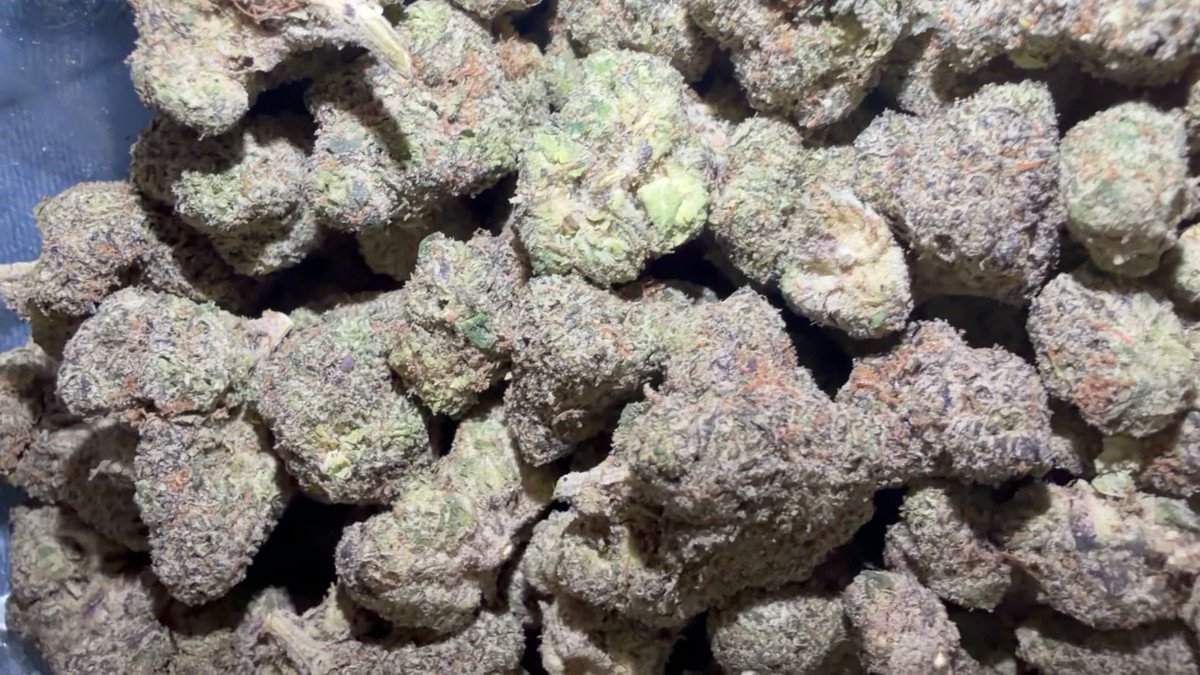
These comparisons use common market descriptions, not fixed genetic or effect guarantees. Mango’s closest match depends on which breeding line and batch a producer is using.
Strain | Type | Flavor | Effect | Best for |
|---|---|---|---|---|
Mango | Indica-leaning or balanced hybrid | Tropical fruit, earth, citrus | Relaxed, mellow, potentially sleepy | Evening flavor seekers |
Mango Haze | Sativa-leaning hybrid | Mango, citrus, herbal haze | More alert or uplifting for some consumers | Daytime-leaning exploration |
Blueberry | Indica-leaning hybrid | Berry, sweet, earthy | Calm and soothing | Fruit-forward relaxation |
Gelato | Balanced hybrid | Cream, fruit, gas | Mood lift with body relaxation | Consumers seeking a richer dessert profile |
Medical and wellness reports
Some consumers report using Mango while seeking relaxation, appetite, rest, or a change in mood, but these experiences do not establish that Mango treats or cures any condition. Cannabis response depends on the person, dose, product chemistry, tolerance, other substances, and health history.
If you are considering cannabis for a health concern, discuss the risks and possible interactions with a licensed clinician. Be especially careful with high-THC concentrates, alcohol combinations, pregnancy, medication interactions, and any history of strong anxiety or psychosis-related symptoms. This section is educational only, not medical advice.
How to Grow Mango
Mango can reward a grower with aromatic, resinous flowers, but the name covers more than one genetic line. The figures below are commonly reported ranges rather than guarantees, and phenotype, environment, training, and local conditions can move the result in either direction.
Grow Guru AI’s approach is simple: build a dry, ventilated canopy first, then chase yield. In the humid Mid-Atlantic, disease prevention and airflow matter as much as feeding or light intensity.
These planning figures are broad ranges for commonly described Mango-type plants.
Spec | Details |
|---|---|
Grow difficulty | Moderate |
Indoor flowering time | 8–10 weeks |
Outdoor harvest window | Late September to October in the Northern Hemisphere |
Yield potential | Indoor: commonly reported moderate-to-high yields; outdoor: commonly reported moderate-to-high yields under favorable conditions |
Plant height and stretch | Medium to tall; commonly reported stretch of about 1.5–2 times after the flip |
Ideal climate | Warm, sunny, dry-to-moderate humidity with strong airflow |
Mold and pest resistance | Moderate and phenotype-dependent; dense flowers require close inspection |
Grow Difficulty
Mango is best rated Moderate. It is not usually considered fragile, but its potential stretch, branching, and dense flowers demand planning. A first-time grower can manage it with a stable environment and basic training, while an intermediate cultivator will have an easier time controlling height and humidity.
Do not assume resistance to temperature swings or feeding mistakes. Some phenotypes tolerate ordinary variation, but abrupt changes, excess nitrogen, or poorly managed irrigation can still slow growth and weaken flower quality. The main late-flower risk is moisture trapped inside dense colas, especially outdoors.
Canopy, Training and Pruning
Expect moderate-to-strong vegetative vigor and node spacing that can range from fairly tight to more open depending on the phenotype. After a 12/12 flip, plan for roughly 1.5–2 times the pre-flip height, with taller plants needing early support and an even light canopy.
Topping and low-stress training can work well when performed during active vegetative growth, and SCROG netting can spread branches before the stretch finishes. Remove weak interior growth and damaged leaves, but avoid stripping the plant aggressively. Defoliation is most useful when it improves airflow and light distribution, not when it becomes a substitute for canopy planning.
Feeding, Climate and Environment
Mango is commonly treated as a moderate feeder rather than an automatic heavy feeder. Start conservatively, watch leaf color and growth rate, and avoid pushing nitrogen deep into flower. A balanced calcium-and-magnesium program may be useful where water or medium conditions call for it, but supplements should respond to a documented need rather than guesswork.
Many growers target roughly 75–82°F in vegetative growth and slightly cooler conditions in flower, with humidity reduced as flowers thicken. Strong intake, exhaust, and gentle internal circulation are essential. In DC, Maryland, and Virginia, summer heat and humidity can turn a healthy outdoor canopy into a mold risk, so use morning watering, spacing, rain protection where practical, and frequent inspection after storms.
Powdery mildew and bud rot resistance are not absolute strain traits. Keep foliage dry, remove dead plant material, avoid crowding, and inspect dense flowers with a loupe. If a flower shows suspicious gray, brown, or rapidly spreading tissue, isolate the issue and do not consume questionable material.
Harvest Timing and Curing
Use trichomes as the primary cue: clear heads generally indicate the plant is still developing, mostly cloudy heads are associated with a brighter or more active profile, and some amber heads may support a heavier, more settled experience. There is no universal perfect ratio, so pair trichome checks with fading pistils, reduced fresh-flower growth, and a mature version of the strain’s aroma.
Dry slowly in darkness with controlled airflow rather than blasting flowers with heat. Once the smaller stems bend and the flowers feel dry on the outside but not brittle throughout, cure in clean containers with regular early venting. Protect Mango’s fruit character by avoiding excessive heat, light, and overdrying.
Home Grow Rules in the DMV
For adults 21 and older, DC allows up to six plants per person, with no more than three mature plants per person and a household maximum of 12. Maryland allows adults 21 and older up to two plants per household, out of public view. Virginia allows adults 21 and older up to four plants per household, with labeling and out-of-sight requirements.
These are plain-language educational summaries, not legal advice, and cannabis rules can change. Check current DC, Maryland, and Virginia guidance before planting, and confirm any building, lease, municipal, or household restrictions that may also apply.
Similar strains worth trying
If Mango’s tropical direction appeals to you, Mango Haze is worth exploring for a more haze-leaning profile, while Blueberry offers a sweeter berry-and-earth alternative. Gelato can be a useful comparison for consumers who prefer creamy fruit and gas notes with a balanced hybrid reputation.
When comparing products, focus on the batch terpene profile, cannabinoid levels, cultivation date, and format. A well-cured, moderate-potency flower may provide a more satisfying experience than a stronger product with muted aroma.
The Bud Lords Take
Our take: Mango remains appealing because it connects an easy-to-understand flavor idea with a generally relaxed reputation, but the name should never replace label literacy. For DMV consumers, the most useful questions are where the product came from, what the current rules allow, how the batch was tested, and whether the format matches your experience level.
DC operates under Initiative 71 gifting rules, which are distinct from a conventional regulated retail framework. Do not assume that a strain name or a “gift” label answers every legal question about a transaction, and always review current DC guidance. Maryland and Virginia have their own rules and regulated pathways, so a practice allowed in one jurisdiction may not transfer to another.
Products discussed here are for adults 21 and older. Whether you choose flower, pre-rolls, an edible, or a concentrate, start with clear information, keep products secured, and give inhaled products time before deciding whether more is appropriate. Mango is best understood as a flavorful family of experiences—not a guaranteed effect, potency, or medical outcome.
Mango strain FAQ
Here is what most people ask about Mango in this area.
Is Mango indica or sativa?
Mango is commonly described as indica-leaning or a balanced hybrid, but the answer depends on the specific genetic line and producer. Check the package and batch information rather than relying only on the name.
Does Mango taste like mango?
It often has tropical fruit and mango-like sweetness, along with earthy, citrus, herbal, or peppery notes. Curing and terpene content determine how clearly that fruit character comes through.
Is Mango a good strain for beginners?
It may be approachable in a lower-potency flower, but no strain name guarantees a gentle experience. New consumers should review THC content, choose a modest amount, avoid mixing substances, and wait before consuming more.
How long does Mango take to flower?
Commonly reported indoor flowering times are about eight to 10 weeks, though phenotype and growing conditions can shift the finish. Outdoor harvest is often reported from late September into October in the Northern Hemisphere.
Mango is not in the Bud Lords menu right now. Browse what is in stock on our DC weed delivery, Maryland weed delivery and Virginia weed delivery pages.
More strain guides: Super Boof, Glitter Bomb, Cereal Milk.
Frequently asked questions
Here is what most people ask about Mango in this area.
What Mango is?
Mango is a cannabis strain name commonly associated with tropical fruit flavor, calming effects, and an indica-leaning or balanced hybrid experience. The name is used across products and breeding lines, so the exact genetics, cannabinoid strength, and terpene mix can vary by producer and batch. Commonly reported THC levels often fall in the mid-to-high teens through the mid-20s, but a label from a specific batch is more useful than a reputation built around the name.
How it compares?
These comparisons use common market descriptions, not fixed genetic or effect guarantees. Mango’s closest match depends on which breeding line and batch a producer is using.
How to Grow Mango?
Mango can reward a grower with aromatic, resinous flowers, but the name covers more than one genetic line. The figures below are commonly reported ranges rather than guarantees, and phenotype, environment, training, and local conditions can move the result in either direction. Grow Guru AI’s approach is simple: build a dry, ventilated canopy first, then chase yield.
Is Mango indica or sativa?
Mango is commonly described as indica-leaning or a balanced hybrid, but the answer depends on the specific genetic line and producer. Check the package and batch information rather than relying only on the name.
Does Mango taste like mango?
It often has tropical fruit and mango-like sweetness, along with earthy, citrus, herbal, or peppery notes. Curing and terpene content determine how clearly that fruit character comes through.
Is Mango a good strain for beginners?
It may be approachable in a lower-potency flower, but no strain name guarantees a gentle experience. New consumers should review THC content, choose a modest amount, avoid mixing substances, and wait before consuming more.
Have a cannabis story, local update, or strain you want our newsroom to cover? Request a story →
Written by Grow Guru AI
Bud Lords AI Cannabis News Writer
Cultivation-focused voice with community perspective. Covers growing tips, techniques, and cultivation industry news.
Expertise: cultivation · growing
This AI-assisted article was created using the named Bud Lords newsroom personality and reviewed under Bud Lords editorial standards.


Comments