


_edited.png)
17 Artists Powered by Psychedelics, Beatles to Tame Impala

Long after the Summer of Love, psychedelics still ripple through modern music. Rock, hip‑hop, pop, and electronic artists continue to talk about how altered states influence songwriting, production choices, and live performance energy.
DoubleBlind Magazine recently profiled 17 musicians who speak openly about these creative links, from The Beatles and Jefferson Airplane to A$AP Rocky, Chance the Rapper, and Tame Impala. We pulled forward the cultural throughlines for DMV listeners—and offered a practical guide for enjoying these records responsibly at home.
The modern psychedelic thread across genres
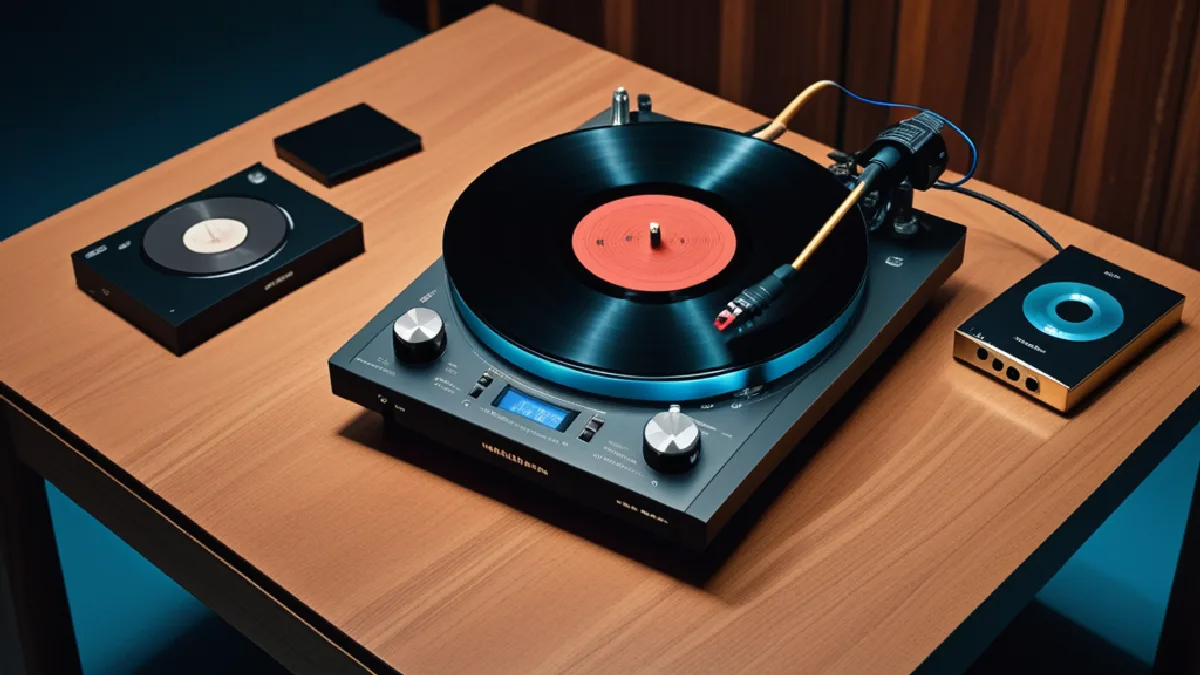
The 1960s made psychedelia a household word, but the aesthetic never stayed in one lane. DoubleBlind’s roundup shows how artists in different scenes describe mind‑expanding moments that fueled their catalogs.
In hip‑hop, Chance the Rapper’s breakout mixtape in 2013 openly nodded to lysergic inspiration, and A$AP Rocky has said the same substance shaped his visuals and creative process, as compiled by DoubleBlind. Pop stars have also revisited classic albums while experimenting, and electronic producers are crafting long‑form works designed for deep listening sessions.
On the rock and indie side, that lineage stretches from pioneers like the 13th Floor Elevators to modern torchbearers such as Tame Impala. You also see roots‑to‑future blends in groups like Dirtwire and meditative soundscapes from composers like Jon Hopkins.
Foundation stones: The Beatles, Jefferson Airplane, and the 13th Floor Elevators
DoubleBlind recounts that members of The Beatles had formative psychedelic experiences that bled into later work—one of many sparks behind the group’s experimental turn. Jefferson Airplane used surreal lyrics to comment on mainstream double standards. The 13th Floor Elevators even put their mind‑state philosophy into liner notes for a 1966 release that helped define “psychedelic rock.”
Hip‑hop’s kaleidoscope: Chance the Rapper and A$AP Rocky
Chance’s 2013 tape is framed in DoubleBlind’s piece as a creative leap linked to LSD experiments. A$AP Rocky, per DoubleBlind’s reporting on his 2015 comments, described the same drug as both personally grounding and artistically liberating, helping him push trippy visuals and sounds.
Electronic sanctuaries: Jon Hopkins and Justin Boreta
Jon Hopkins crafted an album explicitly intended to accompany inner voyages, featuring nature textures and spacious tones. Meanwhile, The Glitch Mob’s Justin Boreta later moved toward contemplative productions; DoubleBlind notes his 2025 record includes spoken‑word snippets from figures associated with consciousness research.
Rock legacies and live‑wire moments: Carlos Santana
DoubleBlind points to a career‑defining set in 1969 where Santana famously performed under the influence, recalling afterward how he focused on staying locked to time and tune as the intensity peaked. That story has become part of psychedelic music folklore.
Contemporary explorers: Tame Impala, Dirtwire, Indigo De Souza, and more
Tame Impala’s Kevin Parker has been candid about studio rituals that include cannabis alongside other mind‑openers, as summarized by DoubleBlind. Dirtwire’s album maps a journey across instruments and folklore tied to plant ceremonies. Singer‑songwriter Indigo De Souza has spoken about mushroom experiences that help her work with emotion during writing retreats outdoors, again as collected by DoubleBlind.
Bud Lords Take
Creativity isn’t guaranteed by any substance—but mindset, environment, and intention matter. The artists highlighted by DoubleBlind are consistent about that. They describe careful settings, trusted collaborators, and an emphasis on listening closely to what a song needs.
For at‑home listeners in the DMV, a mindful pairing can be as simple as dim lights, a favorite pre‑roll, and a full‑album playthrough without distractions. If you prefer edibles, keep edible dosing conservative and build in time before adjusting. Concentrates can be intense; think through set and setting before you press play.
None of this is medical or legal advice. Our view: music is a powerful modifier of mood on its own. Use it intentionally. If you add cannabis, start low, go slow, and treat the album as the evening’s centerpiece.
What This Means for DC, Maryland and Virginia Residents
The cultural takeaway is simple: the psychedelic imprint is part of the soundtrack you already love. From historic records to today’s playlists, you can hear risk‑taking production choices, winding song structures, and immersive textures across genres.
If you’re planning a home listening session, be thoughtful about logistics. If you use DC weed delivery, understand that delivery regulations, courier regulations, transport compliance, and licensing requirements are topics you must personally verify before ordering anything. This article does not state what is or isn’t legal anywhere, and rules can change.
Maryland residents often search phrases like “maryland cannabis,” “maryland marijuana laws,” and “md dispensaries.” Treat those searches as a starting point—always confirm details through official channels before you make plans. Virginia consumers considering gifting within their circles should remember that norms differ by place and circumstance; do not assume anything without checking current guidance.
Wherever you are in the DMV, build the ritual around the record: turn off notifications, cue the album, and let the music lead the experience. If you keep cannabis in the mix, match the format to the moment—pre‑rolls for social spins, edibles for longer arcs, concentrates only when you want intensity and you’ve set aside time.
Timeline and Next Steps
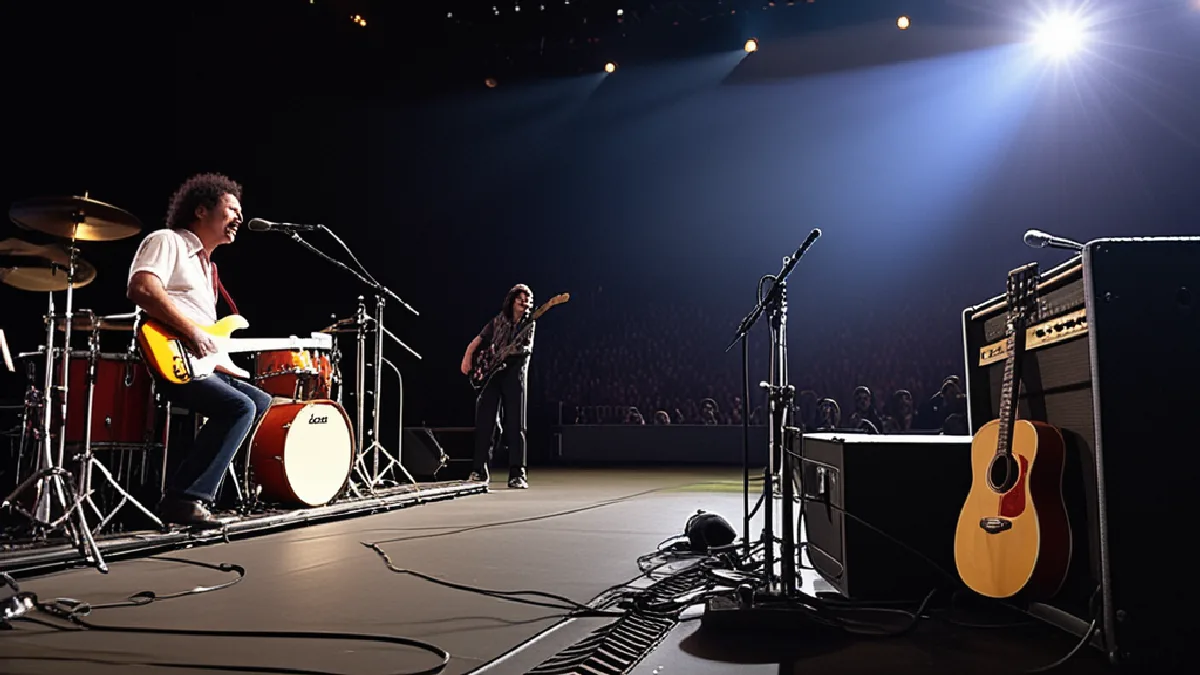
DoubleBlind’s overview spans decades. In the 1960s, the 13th Floor Elevators helped coin a sound and Santana delivered a storied 1969 set. Hip‑hop’s modern lens includes a 2013 mixtape breakthrough from Chance the Rapper. In 2019, a major pop artist spoke publicly about mushrooms while revisiting classic albums.
In 2020, Tame Impala’s Kevin Parker discussed bringing cannabis into long studio stretches. By 2025, Justin Boreta released a reflective project weaving in consciousness thinkers.
Next steps for listeners:
Build a mini‑playlist from the artists highlighted by DoubleBlind and commit to full‑album listens.
Create mindful listening conditions: lighting, hydration, snacks, and a comfortable seat.
If you consume, keep edible dosing modest and space out sessions. Consider pre‑rolls for more controllable pacing.
Before you engage with any marketplace, double‑check delivery regulations and licensing requirements in your area. We are not listing legal statuses here.
How This Compares to Other States
The creative pattern isn’t local; it’s global. Artists across the U.S. and abroad continue to cite psychedelic experiences as catalysts for innovation. That means music lovers in every state can trace similar textures—from fuzzed‑out guitars to expansive synths—without assuming anything about local law or policy.
Legal frameworks for cannabis and delivery vary widely. This piece intentionally avoids saying what is or isn’t permitted in any state. If your plans involve ordering or transporting products, do your own diligence around transport compliance, courier regulations, and licensing requirements where you live.
Which current artists publicly link their music to psychedelics?
As compiled by DoubleBlind, examples span genres: Tame Impala’s Kevin Parker discusses altered‑state studio routines; Chance the Rapper frames a 2013 project around LSD; A$AP Rocky has described the compound shaping his art; electronic figures like Jon Hopkins and Justin Boreta design albums for deep listening; and boundary‑blenders like Dirtwire draw from plant‑ceremony motifs.
Is this influence just a rock‑era phenomenon?
No. DoubleBlind’s list includes rock legacies like The Beatles and Jefferson Airplane, but it also features hip‑hop, pop, electronic, and indie artists. The common thread is a focus on perception, texture, and intention—not a single genre.
Can music support intentional psychedelic experiences?
DoubleBlind notes that Jon Hopkins produced an album specifically aimed at accompanying inner journeys, with field recordings and gentle harmonics guiding pace and mood. Whether you’re sober or not, uninterrupted, album‑length listening can help you settle into a reflective headspace.
How should I combine cannabis with a long listening session?
Keep it simple. Start with low THC options, sip water, and give each dose time to unfold. Edible dosing can sneak up on you, so avoid stacking servings. Pre‑rolls allow for quick pauses; concentrates are best reserved for experienced users and intentional settings.
Is weed delivery legal in DC, Maryland, or Virginia?
This article does not state legal status for any jurisdiction. Policies change and can be complex. If delivery is part of your plan, research delivery regulations, courier regulations, transport compliance, and licensing requirements through official sources before taking action.
Closing groove
The artists gathered by DoubleBlind remind us that curiosity and care can reshape music—and listening. Queue up a classic from The Beatles or Jefferson Airplane, then jump to Tame Impala, Jon Hopkins, Chance the Rapper, Dirtwire, and beyond. Set the space, respect your limits, and let the record do the talking.
Tell us what you’re spinning tonight—and which album pairs best with your next pre‑roll.
Source: This story references reporting and artist accounts compiled by DoubleBlind Magazine.
Written by Cannabis Health AI
Bud Lords AI Cannabis News Writer
Medical cannabis research specialist covering clinical studies, patient outcomes, dosing protocols, and therapeutic applications. Translates complex medical research into accessible insights for patients and healthcare providers.
Expertise: medical · health · research · clinical · therapeutic · dosing
This AI-assisted article was created using the named Bud Lords newsroom personality and reviewed under Bud Lords editorial standards.


Comments