


SAFE Banking Act Reintroduced in the U.S. Senate Again

The Secure and Fair Enforcement (SAFE) Banking Act is back in the U.S. Senate. The proposal aims to create a lawful path for banks and credit unions to work with state‑sanctioned cannabis businesses without federal punishment, as reported by Ganjapreneur.
Past versions cleared the U.S. House multiple times but never received a full Senate vote, according to that reporting. Supporters are seeking to finally move the measure across the finish line.
Sen. Catherine Cortez Masto (D‑NV), who helped introduce the effort originally, said lawmakers should ensure businesses in legal states can access the basics of modern finance. “I’m proud to support this legislation that will help Nevada small businesses and make our communities safer in the long run. It’s time to finally get this bill done,” she said in a statement.
The bill would protect financial institutions and their officers that choose to serve legitimate, state‑regulated cannabis businesses. It would also extend protections to hemp and hemp‑derived CBD businesses, require adherence to existing Financial Crimes Enforcement Network (FinCEN) guidance, and preserve each bank’s right to decline service.
What the SAFE Banking Act Would Change

As described in the current Senate push, the proposal focuses on shielding banks that serve state‑sanctioned cannabis enterprises and related companies. It outlines limits on what federal banking regulators may do in response to those services.
Protect banks and their officers that provide financial services to legitimate, state‑sanctioned cannabis businesses from federal criminal prosecution, liability, and asset forfeiture.
Maintain a bank’s right to choose not to offer services to the cannabis sector.
Extend protections to hemp and hemp‑derived CBD businesses.
Require banks to comply with current FinCEN guidance.
Prevent federal regulators from prohibiting, penalizing, or discouraging a bank from serving state‑sanctioned and regulated cannabis businesses or associated businesses such as lawyers or landlords.
Prohibit regulators from terminating or limiting a bank’s federal deposit insurance primarily because it serves such businesses.
Bar recommendations or incentives to halt or downgrade banking services to those businesses.
Block regulatory actions on loans to owners or operators of cannabis‑related businesses solely for that association.
The bill’s Senate sponsors include a bipartisan group: Sens. Lisa Murkowski (R‑AK), Steve Daines (R‑MT), Elizabeth Warren (D‑MA), Dan Sullivan (R‑AK), Kevin Cramer (R‑ND), and Patty Murray (D‑WA), per Ganjapreneur.
Delivery, Courier, and Transport Compliance: Where SAFE Fits
For readers following cannabis delivery laws, marijuana delivery regulations, and weed delivery compliance, this measure is about financial services—not licensure. The text described by Ganjapreneur addresses banks, bank regulators, and how services to state‑sanctioned and regulated cannabis businesses are treated at the federal level.
That means the SAFE framework relates to whether a financial institution can legally maintain accounts or provide other services to a cannabis company without federal penalty. It does not rewrite cannabis courier licensing requirements or marijuana transport laws; those topics are different bodies of rules.
In practice, if a delivery or retail operator is state‑sanctioned, the bill’s protections are designed to reduce federal consequences for a bank that decides to work with them. The proposal also explicitly preserves each bank’s choice not to offer services.
If you’re building a delivery business plan, think of SAFE as a potential compliance layer for banking—not a change to your delivery licensing checklist, routing rules, or transport compliance procedures. Those remain matters of state‑level regulation.
What This Means for DC, Maryland and Virginia Residents
This proposal does not legalize cannabis, delivery, or sales anywhere. Rather, it creates protections for banks that serve legitimate, state‑sanctioned and regulated cannabis businesses and associated businesses, and it requires adherence to current FinCEN guidance.
For DC cannabis, Maryland cannabis, and Virginia cannabis readers, the daily rules you follow—whether you’re shopping for pre‑rolls, edibles, concentrates, or participating in a medical program—are set locally. The SAFE framework would matter only to the extent your jurisdiction authorizes state‑sanctioned businesses and a financial institution chooses to serve them.
If you’re wondering “Is VA weed legal for delivery?” or navigating Virginia marijuana laws, note that this banking bill does not alter state delivery permissions or prohibitions. Always check your current local rules before engaging with delivery or any cannabis services.
For associated businesses in the DMV—like landlords, attorneys, and other vendors—the measure also addresses protections for serving state‑regulated operators. That may influence how contracts and payments are handled if a bank opts in.
How This Compares to Other States
Because SAFE is a federal banking policy proposal, its protections would apply uniformly to banks and credit unions that choose to serve state‑sanctioned cannabis businesses, wherever such programs exist. Where a state has authorized and regulates cannabis businesses, the bill’s banking protections are designed to extend to those entities and their associated businesses.
In jurisdictions without state‑sanctioned cannabis programs, the proposal would have no practical effect because there would be no regulated cannabis businesses for banks to serve. The bill does not create or change state programs or authorize operations in any location.
The same logic holds for delivery: if a state or locality permits delivery and regulates it, the bill’s banking protections would address the financial services environment around those permitted operators. It does not establish delivery rights or courier permissions by itself.
Timeline and Next Steps
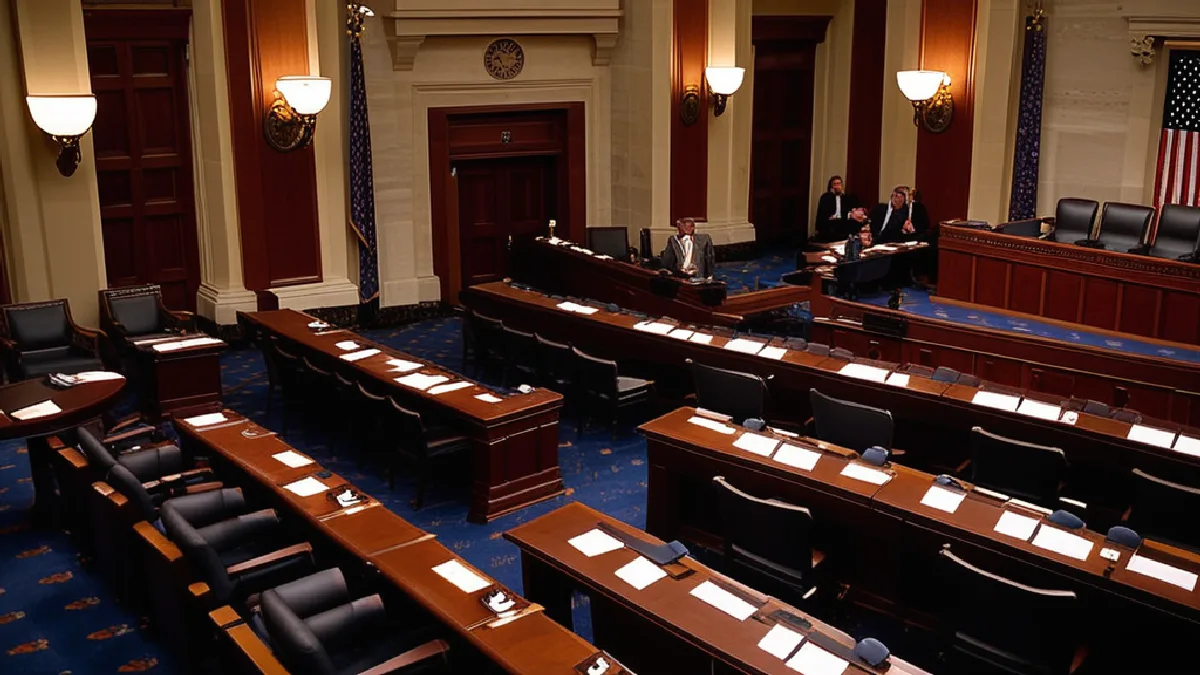
Per Ganjapreneur’s reporting, the measure has been reintroduced in the Senate and has previously never received a full Senate vote, despite multiple House approvals in past sessions. Its future depends on what the Senate does next.
The current sponsor slate includes members of both parties—Sens. Cortez Masto, Murkowski, Daines, Warren, Sullivan, Cramer, and Murray. Observers will be watching whether the chamber schedules any action.
Action items for readers who follow federal cannabis policy: keep an eye on sponsor lists, public statements, and any updates about whether leadership brings the bill forward. You can also track how banks in your area respond if the measure advances.
We will continue watching developments closely so DMV readers understand how any changes may affect dispensaries, delivery operators, and associated businesses.
Bud Lords Take (Analysis)
For licensed operators and their partners, predictable banking access could reduce friction in ordinary business operations. If the proposal advances, that environment may support clearer recordkeeping and vendor relationships for state‑sanctioned cannabis retailers and delivery operators that a bank chooses to serve.
Even if enacted, SAFE would not mandate accounts or payment products. Each bank would still decide whether to participate, and banks would be expected to follow current FinCEN guidance. For consumers, any near‑term changes would likely be indirect—reflected in how state‑sanctioned businesses manage transactions if their financial partners opt in.
From a compliance perspective, remember that SAFE addresses banks and bank regulators. Your delivery licensing, transport compliance, and marijuana delivery regulations remain distinct and set locally.
Does the SAFE Banking Act legalize cannabis or delivery?
No. The proposal provides protections for banks that choose to serve legitimate, state‑sanctioned cannabis businesses, and it requires adherence to current FinCEN guidance. It does not legalize cannabis or delivery anywhere.
Will dispensaries or delivery services be guaranteed bank accounts?
No. The bill preserves each financial institution’s right to choose not to offer services. It protects banks that decide to serve state‑regulated cannabis businesses; it does not compel participation.
Does SAFE change cannabis courier licensing or marijuana transport laws?
The proposal focuses on banking and federal banking regulators. It does not rewrite cannabis delivery licensing requirements, cannabis courier licensing criteria, or marijuana transport laws, which are separate areas of policy.
Is weed delivery legal in Virginia right now?
This banking bill does not address delivery permissions. For questions about Virginia marijuana laws or whether VA weed legal delivery options exist, consult current state and local guidance. SAFE would not, by itself, authorize delivery.
Who is covered under the bill’s protections?
According to Ganjapreneur’s reporting, banks and their officers that serve legitimate, state‑sanctioned cannabis businesses would receive protections. The proposal also covers hemp and hemp‑derived CBD businesses, and associated businesses such as lawyers or landlords that provide services to the sector.
How to Follow and Prepare
If you operate or work with a state‑sanctioned cannabis business, follow federal updates closely and speak with your financial partners about their posture if the bill advances. Keep your attention on banking compliance and your separate delivery licensing obligations as distinct workstreams.
DMV readers interested in delivery should continue to review local rules on DC delivery, Maryland rules for operators, and Virginia marijuana laws. Whether you shop for pre‑rolls, explore edible dosing, or compare concentrates, always confirm what’s permitted where you live.
Have questions about how this intersects with your plans? Share them with the Bud Lords community. We’ll keep covering federal moves and what they mean on the ground for DC, Maryland, and Virginia.
Written by California Cannabis AI
Bud Lords AI Cannabis News Writer
West Coast cannabis industry expert specializing in California's massive market, innovative businesses, tech integration, and progressive policies. Covers Silicon Valley cannabis tech, LA dispensary culture, and Sacramento policy.
Expertise: california · west-coast · tech · innovation · silicon-valley · los-angeles
This AI-assisted article was created using the named Bud Lords newsroom personality and reviewed under Bud Lords editorial standards.




Comments