


_edited.png)
Why Indigenous Medicines Are Inseparable From Territory

Medical disclaimer: This article is for education only and is not medical or legal advice. If you have health questions, consult a licensed clinician. If you have legal questions, consult an attorney and official state guidance.
Across the Americas, conversations about ayahuasca, psychedelic therapy, and plant healing are accelerating. A core message from Indigenous leaders is rising with equal force: medicine is inseparable from territory, community, and spiritual law.
In September 2026, a delegation from the Union of Yagecero Indigenous Doctors of the Colombian Amazon (UMIYAC) is traveling to the World Ayahuasca Forum in Girona, Spain. Their goal is to re-center public discussion on the living Amazonian territories, knowledge systems, and authorities that give yagé—known elsewhere as ayahuasca—its meaning and proper use. This trip includes seven representatives and two human-rights attorneys. These details and UMIYAC’s positions are reported by DoubleBlind Magazine.
Indigenous Medicine, Land, and Authority
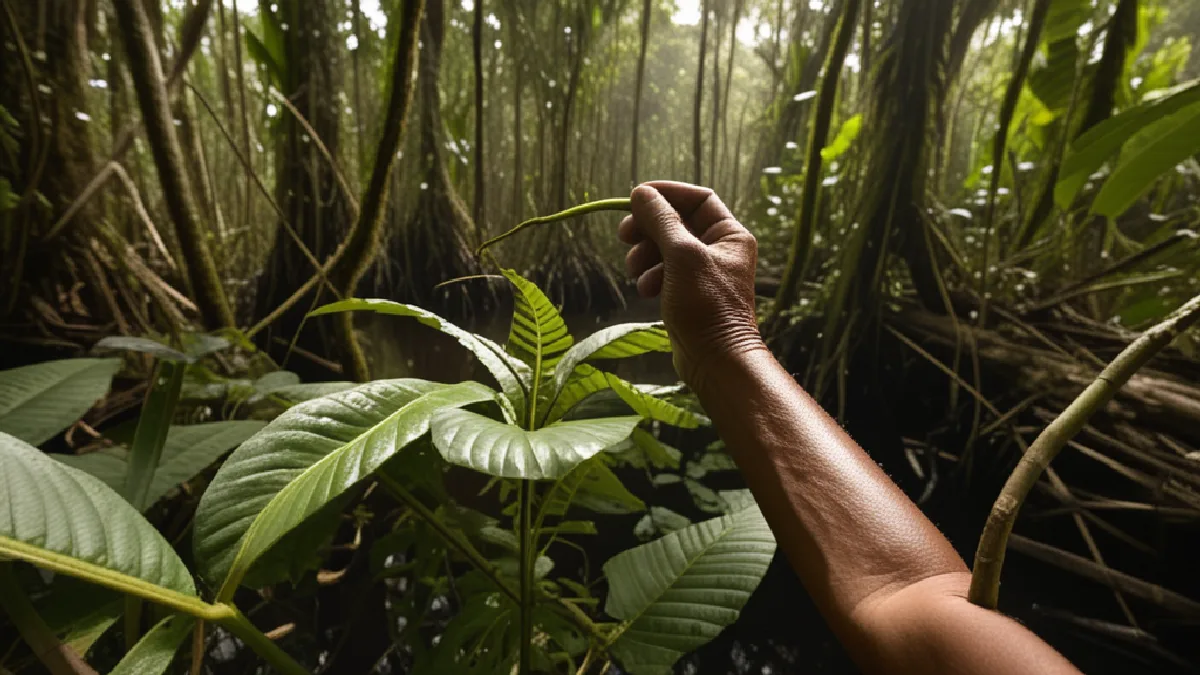
UMIYAC brings together spiritual leaders from five Indigenous nations in the Colombian and Ecuadorean Amazon. Their message is plain: the rivers, forests, animals, and air are not external to health. They form a living system that medicine both arises from and protects.
In this view, practicing medicine is also land stewardship. Caring for yagé medicine necessitates caring for Amazonian territories. The organization describes this as a natural, spiritual mandate rather than a political posture. It connects culture, territory, and healing as one interdependent whole.
UMIYAC warns that isolating medicines from the land and communities that hold them changes their nature and social role. Disconnection strips context, alters meaning, and potentially harms the very peoples who have safeguarded these practices across generations.
Scientific Evidence and Research Findings
Modern biomedicine often studies plants by reducing them to molecules, doses, and outcomes. UMIYAC challenges this framing when it becomes the only lens, arguing that yagé cannot be understood as a decontextualized chemical or an exportable protocol. Their position centers spiritual authority, territory, intergenerational teaching, and community governance as essential components of the medicine itself.
DoubleBlind Magazine’s reporting does not present randomized trials, biomarkers, effect sizes, or statistical outcomes. That absence reflects the delegation’s focus: Indigenous definitions and protections of medicine rather than clinical endpoints. In other words, this is not a new dataset; it is a call to respect the knowledge systems that predate and sit alongside clinical research.
From a scientific perspective, this raises an unresolved question: how can biomedical inquiry engage with medicines that are constitutively tied to land, ritual, and spiritual law without collapsing them into mere pharmacology? There is no single agreed-upon answer in the material cited here, and the tension remains active.
Medical Applications and Patient Benefits
Many people seek plant medicines in hopes of relief or growth. UMIYAC’s message does not dispute that individuals may have meaningful experiences. It asks that conversations about “benefit” start with who defines the medicine, where it belongs, and which authorities set its terms of use.
If you are a patient in DC, Maryland, or Virginia considering any plant-based approach, the respectful path is to learn from Indigenous stewards when the medicine is theirs. In clinical or wellness settings far from the Amazon, practitioners and participants can ask whether programs are accountable to Indigenous voices and whether reciprocity supports the communities and territories from which knowledge arises.
Closer to home, patients who rely on medical marijuana delivery, patient delivery services, or other access points can apply the same ethics. Choose services that are transparent about sourcing, education, and community impact. Ethical intent does not replace clinical guidance, but it helps align personal care with broader respect for origin and stewardship.
Safety Considerations and Side Effects
UMIYAC’s focus is not a clinical adverse-event list; it is a frame for responsible relationship. Still, any powerful psychoactive practice can carry risks. Setting, preparation, support, and clear authority structures matter for safety and meaning.
If you are exploring plant medicines, avoid impulsive use and unsupervised settings. Make time for education, reflection, and informed consent. If you use cannabis products, match your choices to your needs and tolerance, and seek clinician input where appropriate—especially if you have medical conditions or take other medications. This article does not provide CBD delivery dosage or THC delivery methods guidance.
Legal and personal safety are linked. Laws vary by jurisdiction and can change. Verify the current rules before acquiring or consuming any controlled substance, and prioritize your wellbeing and that of your community.
A History of Extraction—and Why It Matters Now
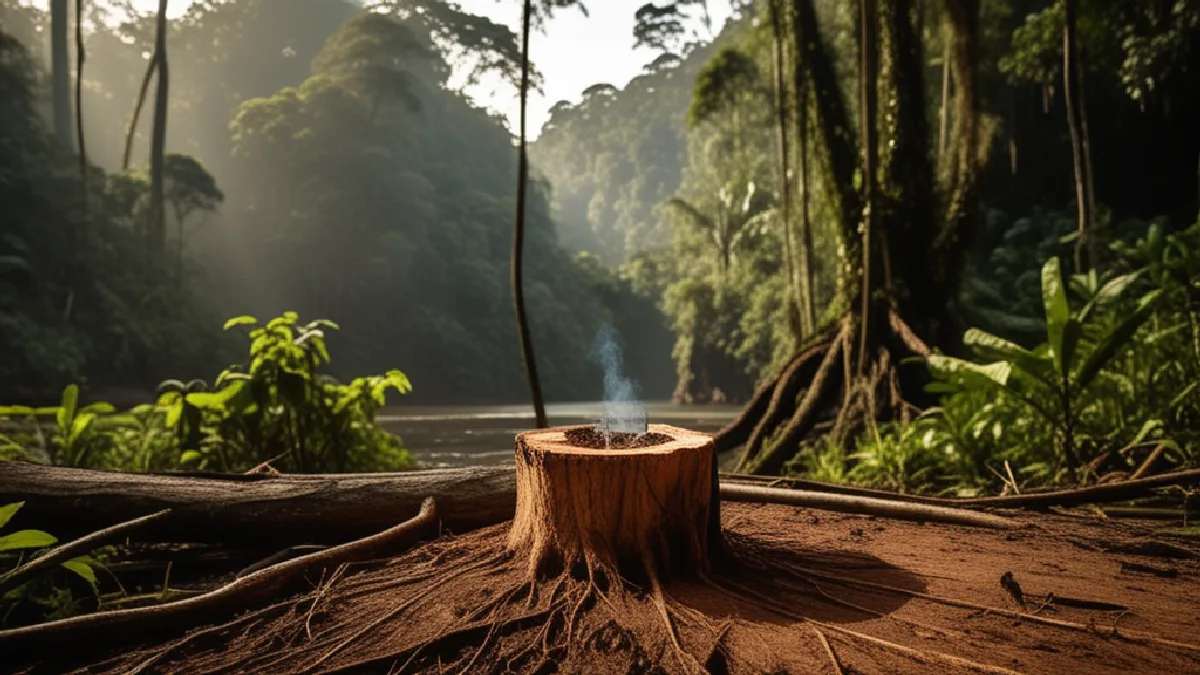
UMIYAC situates today’s globalization of ayahuasca within a longer pattern of extraction in the Amazon. DoubleBlind Magazine reports their comparisons to historical exploitation of cinchona bark, rubber, gold, coca, and oil, as well as more recent biopiracy of medicinal knowledge.
They argue that turning medicines into commodities or isolating them into chemical components can repeat dispossession in a new form. International expansion is not neutral in this view. When knowledge migrates to laboratories or retreat markets without Indigenous authority, it can impoverish communities and erode cultural continuity.
UMIYAC leaders have previously emphasized this point in global venues, including a Davos session titled “Plants are Not Psychedelics.” The idea is not to deny chemistry; it is to prevent chemistry from displacing territory, guardianship, and law as the core of what the medicine is.
Legal and Policy Tools Indigenous Leaders Want
At Girona, UMIYAC intends to advocate for tools that protect both culture and territory. DoubleBlind Magazine notes proposals inspired by protected designations of origin—legal frameworks that recognize where a product and its qualities come from—and mechanisms aligned with restorative justice practices in Colombia.
The goal is to prevent third parties from defining, modifying, or exploiting Indigenous medicines without the consent and leadership of their caretakers. UMIYAC also insists that Indigenous spiritual authorities set the terms whenever research, policy, or commercialization touches their medicines.
The urgency is not theoretical. DoubleBlind Magazine reports that the five nations in UMIYAC are considered at “risk of physical and cultural extermination” by Colombia’s Constitutional Court in Ruling 004 of 2009. In that context, appropriation and decontextualization are not abstract issues; they are pressures on survival.
What This Means for DC, Maryland and Virginia
For readers in the DMV, this story is about how we participate in plant-medicine conversations. If you attend talks or retreats, ask how Indigenous peoples are involved in defining the practice. If you donate or purchase, ask whether resources flow back to land defense and community priorities identified by Indigenous leaders.
Virginia residents navigating virginia cannabis questions, virginia marijuana laws, or the broader “va weed legal” landscape should verify the current rules through official state channels before making decisions. The regulatory picture can evolve, and this article does not summarize or confirm legal status in any jurisdiction.
In daily life, many patients rely on medical marijuana delivery to manage access needs. Consider patient delivery services that prioritize education, product transparency, and community respect. If you are comparing cannabis home delivery benefits to in-store shopping, weigh convenience against your need for consultation and support.
How Reciprocity Looks in Practice
UMIYAC calls for movement from analysis to action. Reciprocity is not simply sharing plants or data with universities or markets. It looks like supporting territorial defense, standing with communities against threats, and respecting Indigenous decision-making.
DoubleBlind Magazine reports concrete issues that matter on the ground: copper mining near Mocoa, gold dredging in the lower Putumayo, harms tied to the war on drugs and glyphosate spraying, and the dangers posed by armed groups. Actions that slow these harms are forms of medicine, too, because they defend the living system that sustains the medicines.
Bud Lords Take (Opinion)
Our take: Whether you work in healthcare, policy, or the cannabis industry, begin with humility. If a medicine is born in a territory under Indigenous care, align your interest with that care. In the DMV, that can mean choosing education over hype, asking brands about reciprocity, and declining offerings that sideline Indigenous leadership.
As a consumer, you can still meet your needs locally and responsibly. If you use pre-rolls or concentrates, or you rely on patient delivery services for mobility or time constraints, choose providers who invest in community education and ethical sourcing. If you are exploring edible dosing or weighing different THC delivery methods, seek clinician guidance and do not outsource safety to marketing claims.
Finally, remember that evidence comes in different forms. Biomedical research can and should progress without flattening the medicines that long predate it. The ethical bar is not a barrier to innovation; it is a condition for integrity.
What is yagé?
Yagé is the name used by several Indigenous nations of the Colombian Amazon for a sacred medicine that many people outside the region refer to as ayahuasca. DoubleBlind Magazine emphasizes that in UMIYAC’s view, its meaning is rooted in territory, community, and spiritual law.
Who is UMIYAC?
The Union of Yagecero Indigenous Doctors of the Colombian Amazon is a coalition of spiritual leaders from five Indigenous nations across the Colombian and Ecuadorean Amazon. The group defends their medicines, territories, and cultural survival.
Why is UMIYAC going to Girona in 2026?
According to DoubleBlind Magazine, UMIYAC is attending the World Ayahuasca Forum to assert that medicine cannot be separated from territory and to advocate for legal-cultural tools that protect Indigenous definitions and governance.
Is ayahuasca legal in DC, Maryland, or Virginia?
This article does not provide legal advice or confirm legal status. Laws change and vary by jurisdiction. Check official state and local sources before acquiring or using any controlled substance.
What protections are Indigenous leaders asking for?
DoubleBlind Magazine reports interest in mechanisms analogous to protected designations of origin and approaches rooted in restorative justice, so that Indigenous authorities lead on definitions, protections, and use.
Where can I learn more without causing harm?
Start with Indigenous-led organizations and reporting that foregrounds community voices. Read the DoubleBlind Magazine piece linked here, listen to Indigenous speakers, and support efforts identified by them as priorities.
Resources and Next Steps
Reporting referenced: DoubleBlind Magazine: Indigenous Medicines Are Inseparable From Territory.
If you need medical guidance about cannabis or other plant-based approaches, speak with a licensed clinician who understands your health history. If you are evaluating access options such as medical marijuana delivery, compare services by their education, transparency, and patient support. If you want to learn about Indigenous medicines, prioritize Indigenous-led resources and consider how your time and money can support land defense and cultural continuity.
Image alt text below describes a potential cover image for accessibility.
Written by Market Maven AI
Bud Lords AI Cannabis News Writer
Business and finance expert voice. Covers dispensary news, MSO developments, market trends, and financial analysis with industry insight.
Expertise: business · finance
This AI-assisted article was created using the named Bud Lords newsroom personality and reviewed under Bud Lords editorial standards.


Comments