


_edited.png)
Durban Poison Strain Guide: Anise Flavor x Clear Effects x Classic Genetics

What Durban Poison is

Durban Poison is a cannabis strain commonly described as a sativa-dominant cultivar associated with Durban, South Africa. It is known for an aromatic profile that can lean toward anise, licorice, pine, citrus, and spice, along with effects many consumers describe as energetic, alert, and mentally focused.
Its potency is not fixed. Commercial flower is commonly reported in a broad range around 15% to 25% THC, but the number on a label depends on the cultivar, growing conditions, harvest, curing, and laboratory results. Durban Poison may suit adults who prefer a daytime-leaning experience, though individual reactions can differ and a familiar name never guarantees a predictable effect.
This guide is educational, not medical advice. Cannabis products are for adults 21 and older, and readers should follow the rules that apply where they live.
Product Highlights
This quick reference summarizes commonly reported Durban Poison traits. Treat it as a starting point rather than a promise about every flower, cartridge, or infused product sold under the name.
Spec | Details |
|---|---|
Strain type | Commonly described as sativa-dominant |
Commonly reported THC range | Approximately 15%–25% in flower; batch results vary |
Dominant terpenes | Terpinolene, myrcene, pinene, limonene, and sometimes caryophyllene, depending on the batch |
Effect profile | Often described as alert, energetic, cerebral, creative, and focused |
Best time of day | Daytime or early evening for consumers who tolerate stimulating effects |
Available formats | Flower, pre-rolls, concentrates, live resin, live rosin, distillate cartridges, and disposable vapes |
Lineage and genetics
Durban Poison’s history is part of its appeal and part of its uncertainty. It is widely associated with South African landrace or near-landrace genetics, but the exact breeding record is not consistently documented across modern seed lines and commercial products.
Many accounts connect the strain’s international popularity to Dutch breeder and seed-bank work during the late twentieth century, especially efforts to preserve and adapt African genetics for cultivation outside their original region. That history does not mean every product carrying the Durban Poison name has identical ancestry.
Unlike a strain with a universally accepted two-parent pedigree, Durban Poison is better understood as a historically important genetic line with multiple selections and reproductions. If lineage matters to you, look for the producer’s stated genetics and treat unsupported parentage claims cautiously.
Aroma, flavor and terpene profile
The classic Durban Poison nose is sharp and distinctive rather than dessert-like. Terpinolene can contribute floral, herbal, and slightly sweet notes, while pinene may bring a fresh evergreen character and limonene can add citrus brightness.
Consumers may also notice anise, black licorice, pepper, earth, or spice. Some batches lean greener and pine-forward; others are sweeter, citrusy, or more floral. Storage, cure quality, and terpene preservation can change how clearly those notes come through.
Terpenes help describe aroma and may influence the overall sensory experience, but they do not function as a simple effects chart. A label listing terpinolene does not guarantee a specific mood, and the same strain name can produce noticeably different profiles from one grower or harvest to another.
Reported effects and common uses
Durban Poison is commonly reported as a bright, cerebral, and motivating strain. Some adults choose it for daytime creative work, social activities, outdoor plans, or situations where they prefer a less sleepy-feeling experience.
Others may find its intensity distracting, especially when the product is potent or consumed in a larger amount than intended. Cannabis can affect attention, coordination, judgment, and short-term memory, so do not drive or operate equipment after using it.
“Sativa” is a useful shorthand for shopping and conversation, not a guarantee. The actual experience reflects dose, tolerance, setting, product format, cannabinoid content, terpene profile, and individual biology.
Formats and hardware
Flower is the most direct way to experience a Durban Poison cultivar. Pre-rolls offer convenience, but the burn can vary with grind, packing, storage, and how evenly the material is lit. Concentrates and vapes can deliver a more concentrated dose than flower, so the format matters as much as the strain name.
Vape cartridges and disposables
Live resin is made from cannabis that is typically preserved in a fresh-frozen state before extraction, helping retain a fuller plant-derived aroma. Live rosin is solventless and produced by applying heat and pressure to cannabis material, while distillate is more highly refined and may have a simpler flavor profile, with terpenes sometimes added back.
Extraction changes both flavor and onset. Inhaled vapor generally feels fast, while the experience from flower depends on the amount inhaled and the session. Live products may taste more layered, whereas distillate often emphasizes a cleaner, more uniform cannabinoid profile.
A cartridge contains an oil chamber, a mouthpiece, and a heating element commonly called a coil or atomizer. A disposable combines those parts with a built-in battery. Draw-activated devices fire when you inhale; button-activated hardware requires a press, so follow the device’s instructions and avoid forcing a clogged cartridge.
Lower voltage or temperature settings can help preserve delicate flavor, while higher settings can create denser vapor but may taste harsher and use oil faster. Exact ranges vary by device, but many adjustable batteries operate roughly around 2.2 to 3.2 volts for oil cartridges. Start at the lowest setting that produces vapor, take a small draw, and allow time before deciding whether more is appropriate.
Batch testing and label reading
A certificate of analysis, or COA, is a laboratory document tied to a specific cannabis batch. It may list cannabinoids such as THC, THCA, CBD, and CBDA, along with terpene percentages and tests for contaminants or other required quality measures.
Match the COA’s batch number, product name, and testing date to the package in front of you. A label showing 22% THC is describing that tested batch, not every Durban Poison plant or every item sold under the same name.
Flower labels may list THCA prominently because raw cannabis contains much of its potential THC in acidic form. Extract labels can use different conventions, and edible labels usually describe milligrams per serving and package. Read serving information carefully, keep products away from children and pets, and remember that lab results are measurements—not potency guarantees for how you personally will feel.
How it compares
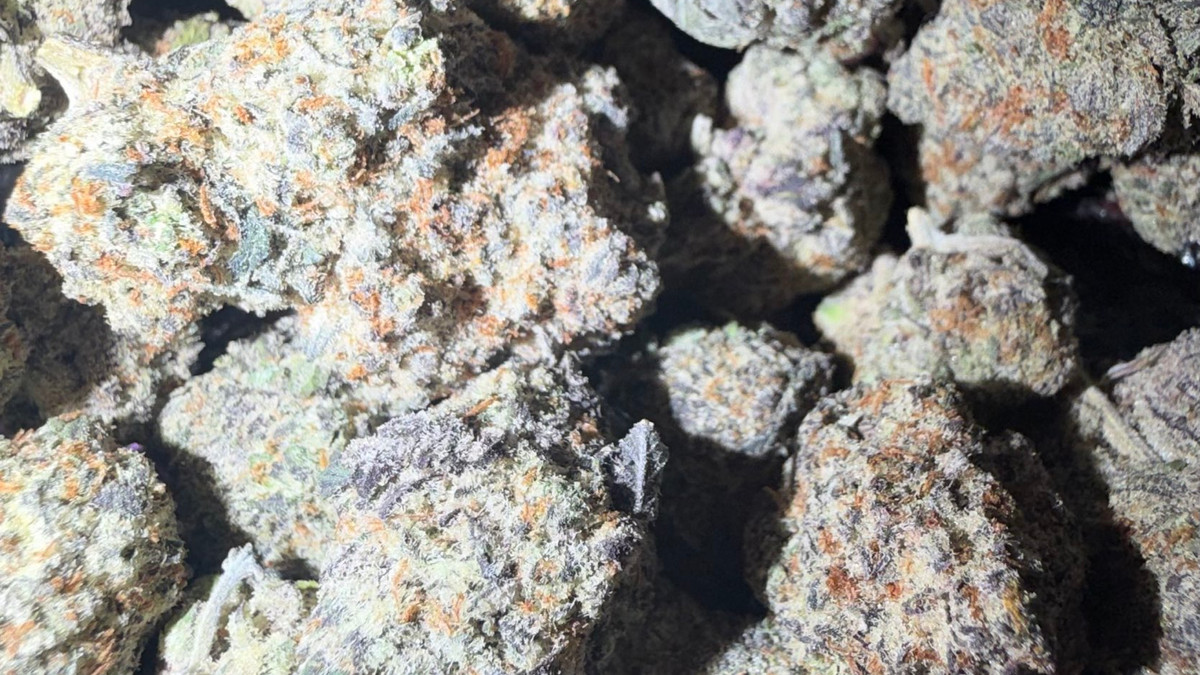
Durban Poison is easiest to understand beside other commonly discussed sativa-leaning or uplifting strains. These descriptions are broad, and phenotype, batch, and product format can change the experience.
Strain | Type | Flavor | Effect | Best for |
|---|---|---|---|---|
Durban Poison | Sativa-dominant | Anise, pine, citrus, spice | Alert, cerebral, energetic | Daytime-oriented sessions and focused activities |
Jack Herer | Sativa-dominant hybrid | Herbal, pine, citrus, spice | Uplifting and mentally active | Creative or social daytime use |
Green Crack | Sativa-dominant | Citrus, earth, fruit | Bright, energetic, stimulating | Consumers seeking a strong daytime profile |
Super Lemon Haze | Sativa-dominant hybrid | Lemon, sweet citrus, spice | Upbeat and lively | Flavor-forward daytime sessions |
Medical and wellness reports
Some medical-cannabis consumers report choosing Durban Poison for daytime routines, mood-related experiences, or a preference for effects that feel less sedating. Those are personal reports, not proof that the strain treats a condition or works the same way for another person.
Cannabis can also produce unwanted effects, including anxiety, dizziness, impaired coordination, and rapid heartbeat sensations. If you use cannabis for a health-related reason, discuss risks and alternatives with a qualified healthcare professional, especially if you take medications or have a condition that could be affected.
Do not use the strain label as a substitute for clinical guidance. Medical programs in DC, Maryland, and Virginia have their own rules, product systems, and patient requirements, so confirm current information through the relevant government program.
Grow notes
Durban Poison is commonly described as a vigorous plant with a preference for warm, bright conditions. Indoor growers may need to manage its tendency toward vertical growth, while outdoor cultivation depends heavily on local climate, plant rules, and seasonal weather.
Reported flowering times often fall around eight to ten weeks indoors, though genetics and cultivation choices can move that window. Yield is frequently described as moderate to high under suitable conditions, but harvest size depends on light, space, training, nutrition, environment, and the specific selection.
Growers should verify current cultivation laws before planting. A strain guide cannot override local limits, licensing requirements, or restrictions on where plants may be grown.
Similar strains worth trying
If Durban Poison’s bright profile appeals to you, Jack Herer is a natural comparison because it can combine pine, spice, and citrus with an active effect profile. Super Lemon Haze is worth considering when lemon-forward flavor is the priority, while Green Crack is often selected by consumers seeking a particularly energetic daytime character.
For a different direction, Blue Dream may offer a fruitier, more balanced profile, and Tangie can bring pronounced citrus notes. These names are not guarantees; compare the product’s current terpene and cannabinoid results rather than relying on strain labels alone.
The Bud Lords Take
Our take: Durban Poison remains compelling because it has a recognizable identity. The anise-and-pine profile stands apart from the dessert-heavy flavors common in today’s market, and its reported daytime character makes it a useful reference point when comparing flower, pre-rolls, and concentrates.
For DC, Maryland, and Virginia readers, the legal details matter more than the strain name. DC operates under Initiative 71 gifting rules, which are not the same thing as a standard regulated adult-use retail system. Do not assume that a “gift” transaction, delivery offer, possession limit, or product format is lawful without checking current DC rules.
Maryland and Virginia have different cannabis frameworks, including distinct approaches to adult use, medical programs, possession, sales, and home cultivation. Products are for adults 21 and older, and readers should confirm current requirements in their jurisdiction before purchasing, transporting, sharing, growing, or using cannabis.
When evaluating Durban Poison, start with the actual batch: inspect the package date, cannabinoid results, terpene list, and COA when available. The best version is not necessarily the one with the biggest THC number; it is the one whose aroma, format, and tested profile fit the experience you want while staying within the rules where you are.
Durban Poison FAQ
Here is what most people ask about Durban Poison in this area.
Is Durban Poison a sativa?
It is commonly sold and described as a sativa or sativa-dominant strain. Cannabis labels are not perfectly standardized, so the product’s tested profile and reported effects may be more useful than the category alone.
What does Durban Poison taste like?
Typical descriptions include anise or licorice, pine, citrus, herbs, and spice. The balance changes with genetics, harvest, curing, storage, and extraction method.
Is Durban Poison good for daytime use?
Many adults choose it for a daytime-leaning experience because it is often reported as alert and energetic. Individual responses vary, and any cannabis use can impair coordination and judgment.
How strong is Durban Poison?
Flower is commonly reported around 15% to 25% THC, but results vary by batch and producer. Check the package and matching COA rather than relying on the strain name or a general range.
Durban Poison is not in the Bud Lords menu right now. Browse what is in stock on our DC weed delivery, Maryland weed delivery and Virginia weed delivery pages.
More strain guides: Super Boof, Glitter Bomb, Cereal Milk.
Frequently asked questions
Here is what most people ask about Durban Poison in this area.
What Durban Poison is?
Durban Poison is a cannabis strain commonly described as a sativa-dominant cultivar associated with Durban, South Africa. It is known for an aromatic profile that can lean toward anise, licorice, pine, citrus, and spice, along with effects many consumers describe as energetic, alert, and mentally focused. Its potency is not fixed.
How it compares?
Durban Poison is easiest to understand beside other commonly discussed sativa-leaning or uplifting strains. These descriptions are broad, and phenotype, batch, and product format can change the experience.
Is Durban Poison a sativa?
It is commonly sold and described as a sativa or sativa-dominant strain. Cannabis labels are not perfectly standardized, so the product’s tested profile and reported effects may be more useful than the category alone.
What does Durban Poison taste like?
Typical descriptions include anise or licorice, pine, citrus, herbs, and spice. The balance changes with genetics, harvest, curing, storage, and extraction method.
Is Durban Poison good for daytime use?
Many adults choose it for a daytime-leaning experience because it is often reported as alert and energetic. Individual responses vary, and any cannabis use can impair coordination and judgment.
How strong is Durban Poison?
Flower is commonly reported around 15% to 25% THC, but results vary by batch and producer. Check the package and matching COA rather than relying on the strain name or a general range. Durban Poison is not in the Bud Lords menu right now.


Comments