


_edited.png)
Blue Dream Strain Guide: Genetics, Effects, Terpenes, and Growing Notes

Blue Dream is one of the most recognizable cannabis strain names in the United States. It is commonly described as a sativa-leaning hybrid with a berry-forward aroma, relaxed body feel, and mentally bright character.
That reputation does not mean every Blue Dream product will feel identical. Cultivation choices, harvest timing, curing, cannabinoid levels, terpene balance, and labeling all shape the experience, so the name is a useful starting point rather than a guarantee.
What Blue Dream is

Blue Dream is generally classified as a sativa-dominant hybrid. Consumers often choose it when they want an experience that feels uplifting and functional without giving up some physical ease, although individual responses can vary substantially.
Commonly reported potency ranges are broad, and there is no single potency standard for the strain. Flower may appear across a wide THC range depending on the grower and batch, while concentrates and infused products can be much stronger by design. Check the product label instead of relying on the strain name.
Blue Dream may suit experienced consumers who enjoy fruity, aromatic flower and a balanced effect profile. Newer consumers should be especially mindful that a familiar name does not make a product mild; starting with a small amount and waiting before taking more is a safer approach.
Lineage and genetics
Blue Dream is commonly associated with Blueberry and Haze genetics. Those parent names help explain its usual combination of sweet berry character, energetic mental effects, and a broader hybrid structure.
The exact breeding history is not completely documented in a way that makes every modern Blue Dream plant genetically identical. Different producers may use distinct selections, cuts, or breeding work while keeping the same strain name, which can create noticeable differences from one batch to another.
Blueberry is widely known for contributing fruit and sweetness to the family, while Haze lines are commonly linked with spice, incense, citrus, and a more cerebral profile. These associations are useful for understanding the strain’s reputation, but they should not be treated as a guarantee for every expression.
Aroma, flavor and terpene profile
Blue Dream is often recognized by a sweet berry aroma layered with floral, herbal, citrus, or lightly earthy notes. In well-cured flower, the scent can be expressive without being overwhelmingly heavy.
The flavor commonly follows the nose: berry and fruit up front, with herbal or pine-like notes appearing underneath. Some batches lean brighter and citrusy, while others feel more floral, spicy, or earthy.
Terpene results can differ by grower and harvest. Myrcene, pinene, caryophyllene, and terpinolene are often discussed in connection with Blue Dream, but a laboratory report is the best way to know which compounds are actually prominent in a particular product.
Terpenes influence aroma and may contribute to the overall character of an experience, but they do not independently predict exactly how a product will affect one person. Storage also matters: heat, light, air, and time can reduce aroma and change the way flower presents.
Reported effects and common uses
Consumers commonly describe Blue Dream as beginning with a bright, mentally active feeling before settling into a comfortable body experience. Some use it during daytime or early evening, while others find its potency or mental stimulation better suited to a slower setting.
Reported effects can include euphoria, creativity, sociability, relaxation, and increased sensory appreciation. Possible unwanted effects include dry mouth, dry eyes, dizziness, anxiety, racing thoughts, or feeling overly sedated, especially after consuming more than intended.
Blue Dream is sometimes chosen for creative activities, casual social settings, music, outdoor time, or unwinding after responsibilities are complete. Those are consumer-reported uses, not promises about performance or mood, and cannabis can affect attention, memory, coordination, and judgment.
Avoid driving or operating equipment after using cannabis. Combining cannabis with alcohol or other intoxicating substances can make impairment harder to predict, and products should be kept away from children and pets.
Medical and wellness reports
Some medical cannabis consumers report exploring Blue Dream for stress, low mood, discomfort, appetite changes, or difficulty relaxing. These reports describe personal experiences rather than established treatment outcomes, and they do not show that the strain treats or cures any condition.
A strain label is not a medical formula. Cannabinoid concentration, terpene content, dose, route of administration, other medications, health history, and personal tolerance may all affect the result.
Anyone considering cannabis for a health concern should speak with a qualified healthcare professional, particularly when pregnant, managing a chronic condition, experiencing significant anxiety or psychosis-related symptoms, or taking prescription medication. Medical cannabis rules and product access also differ across DC, Maryland, and Virginia.
Grow notes

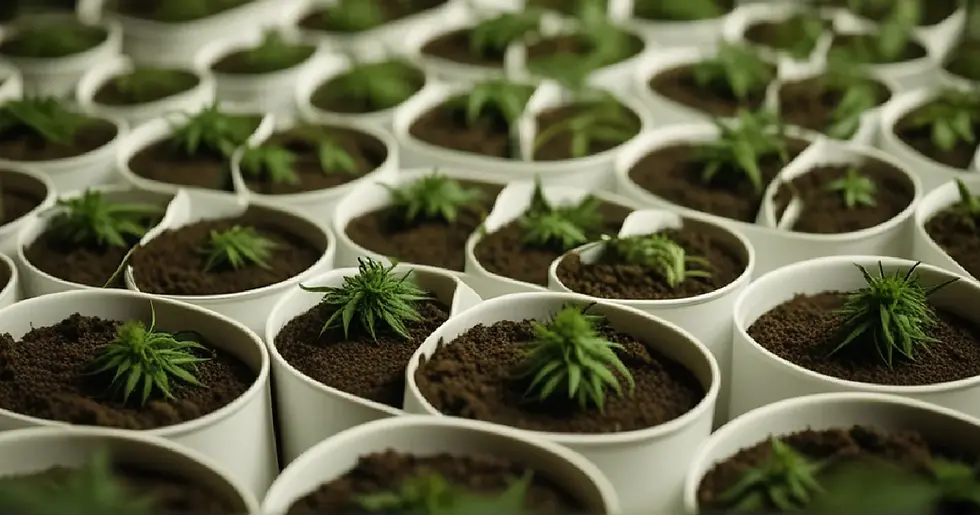
Blue Dream is commonly described as a moderately manageable plant for growers with some experience. Its sativa influence may produce taller plants and substantial branching, so planning for vertical space and supporting flowering branches can be important.
Reported flowering times often fall around nine to ten weeks indoors, but timing varies by phenotype and cultivation method. Outdoor performance depends on local conditions, with stable warmth, strong light, airflow, and protection from excessive moisture supporting healthier development.
Yields are frequently described as moderate to high under favorable conditions, though no yield is guaranteed. Training, container size, nutrition, lighting, pest management, genetics, and harvest decisions all influence the final result.
For home growers, local law matters before any seed or plant is acquired. Rules differ across the DMV, and legal possession does not automatically mean every form of cultivation, processing, sharing, or sale is permitted.
Similar strains worth trying
Consumers drawn to Blue Dream’s berry and balanced profile may want to explore Blueberry, especially if sweet fruit and a more traditionally relaxing direction appeal to them. Haze varieties can be worth comparing when the brighter, more cerebral side is the main attraction.
Jack Herer is another commonly discussed option for people seeking a lively, herbal, and uplifting profile. Green Crack is often considered by consumers looking for a sharper, more energetic experience, although its intensity may not suit everyone.
For a fruit-forward hybrid with a different balance, some consumers explore Gelato or Sunset Sherbet. Strain names overlap across producers, so compare cannabinoid and terpene lab information whenever it is available rather than assuming two products will match.
The Bud Lords Take
Our take: Blue Dream remains popular because it occupies an approachable middle ground. It can bring fruit, aroma, mental lift, and physical ease together without requiring a consumer to choose between a purely sleepy product and a purely stimulating one.
The tradeoff is inconsistency across the market. A Blue Dream pre-roll, flower jar, edible, or concentrate may deliver a very different experience because the product format, dose, freshness, extraction method, and batch chemistry change the equation.
For DMV readers, the most useful habit is to focus on the specific product in front of you. DC, Maryland, and Virginia have different cannabis rules and program structures, so confirm current local requirements before possessing, cultivating, sharing, or accessing cannabis through any channel.
If you are comparing Blue Dream with other options, start with the experience you want, then review the label, serving information, and available laboratory data. For edibles, remember that effects can take longer to appear and last longer than inhaled cannabis; concentrates generally require additional caution because their cannabinoid content is more concentrated.
Blue Dream is best understood as a family of related expressions rather than a promise printed on a package. When the genetics, cultivation, curing, and labeling are solid, its berry-led profile and balanced reputation explain why it continues to be a familiar reference point for cannabis consumers.
Blue Dream FAQ
Here is what most people ask about Blue Dream in this area.
Is Blue Dream indica or sativa?
Blue Dream is most commonly classified as a sativa-dominant hybrid. The exact balance can vary by producer, phenotype, and product, so the classification should not be treated as a precise prediction of effects.
Is Blue Dream considered strong?
It can be. Potency varies by batch and format, and concentrates or infused products may be substantially more intense than flower. Use the product label and begin cautiously rather than relying on the strain name.
What does Blue Dream taste like?
Blue Dream is commonly associated with sweet berry and fruit flavors, often accompanied by floral, herbal, citrus, pine, or earthy notes. The terpene profile can shift from one grower and harvest to another.
Is Blue Dream good for beginners?
Some beginners may appreciate its commonly reported balanced character, but suitability depends on potency, dose, tolerance, and personal sensitivity. A new consumer should choose a clearly labeled product, use a small amount, and avoid mixing it with alcohol or driving afterward.
Blue Dream is not in the Bud Lords menu right now. Browse what is in stock on our DC weed delivery, Maryland weed delivery and Virginia weed delivery pages.
More strain guides: Super Boof, Glitter Bomb, Cereal Milk.
What Blue Dream is?
Blue Dream is generally classified as a sativa-dominant hybrid. Consumers often choose it when they want an experience that feels uplifting and functional without giving up some physical ease, although individual responses can vary substantially. Commonly reported potency ranges are broad, and there is no single potency standard for the strain.
Is Blue Dream indica or sativa?
Blue Dream is most commonly classified as a sativa-dominant hybrid. The exact balance can vary by producer, phenotype, and product, so the classification should not be treated as a precise prediction of effects.
Is Blue Dream considered strong?
It can be. Potency varies by batch and format, and concentrates or infused products may be substantially more intense than flower. Use the product label and begin cautiously rather than relying on the strain name.
What does Blue Dream taste like?
Blue Dream is commonly associated with sweet berry and fruit flavors, often accompanied by floral, herbal, citrus, pine, or earthy notes. The terpene profile can shift from one grower and harvest to another.
Is Blue Dream good for beginners?
Some beginners may appreciate its commonly reported balanced character, but suitability depends on potency, dose, tolerance, and personal sensitivity. A new consumer should choose a clearly labeled product, use a small amount, and avoid mixing it with alcohol or driving afterward. Blue Dream is not in the Bud Lords menu right now.


Comments