


_edited.png)
First Indigenous-Led Ayahuasca Forum Sets Global Ethics

Updated: Sep 21
A landmark movement is taking shape in the global entheogen community as Indigenous stewards take center stage to define the future of plant medicine governance. According to reporting from DoubleBlind Mag, over 100 Indigenous leaders representing more than 30 distinct cultures are gathering in Girona, Spain, for the World Ayahuasca Forum from September 11 to 13.
This historic assembly marks the first global forum built from its inception in direct partnership with Indigenous leadership. As global interest in traditional remedies expands, the gathering seeks to address decades of commercial extraction, cultural appropriation, and ecological damage caused by Western expansion.
A Historic Convergence of Ancestral Knowledge
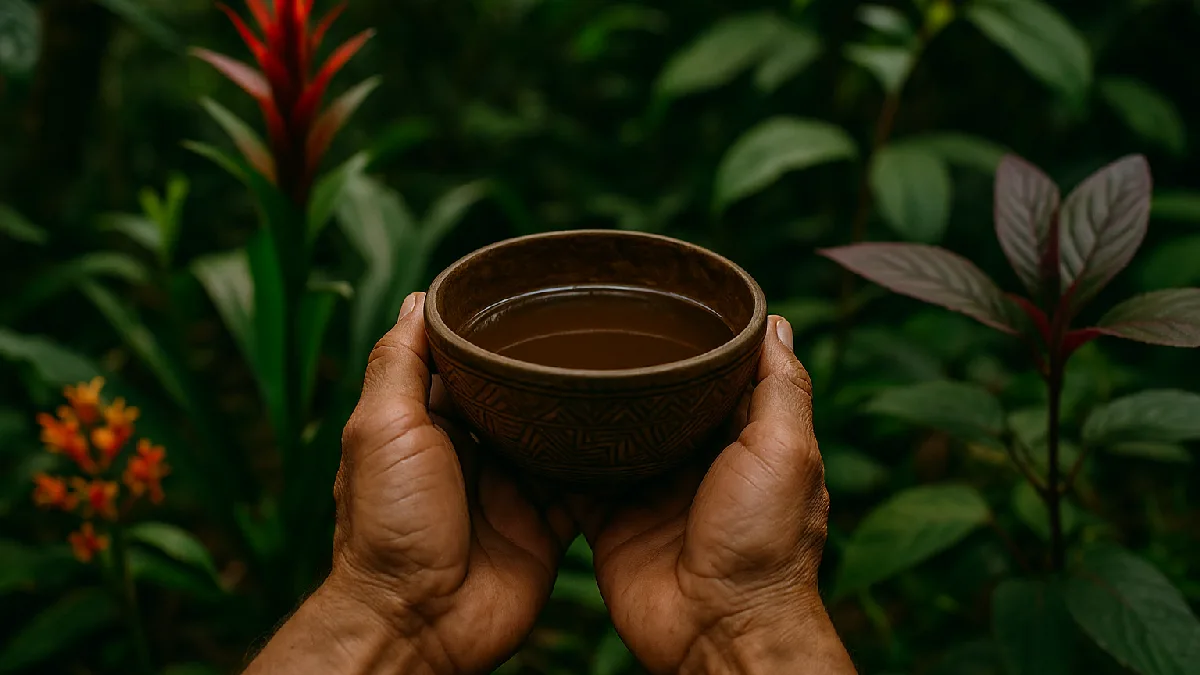
The World Ayahuasca Forum represents an unprecedented alliance between three pioneering organizations. The gathering brings together the Yorenka Tasorentsi Institute, led by Asháninka leader Benki Piyãko, and the Nixiwaka Institute, chaired by Yawanawá leader Biraci Nixiwaka Brasil Yawanawá. They are joined by the International Center for Ethnobotanical Education, Research, and Service (ICEERS).
Unlike previous global gatherings where Indigenous voices were often peripheral, this forum centers traditional elders as primary governance decision-makers. The structure reflects years of dedicated efforts to dismantle colonial frameworks within international plant medicine discussions.
Co-organizer Aili Pyhälä from ICEERS explained to DoubleBlind Mag that this gathering merges two parallel historical movements. These include the international World Ayahuasca Conferences previously held by ICEERS and the Indigenous Ayahuasca Conferences organized within Amazonian territories.
Earlier international events, such as the 2014 gathering in Ibiza, lacked substantial Indigenous representation despite addressing global legal detentions and misuse. Subsequent meetings in Rio Branco, Brazil, catalyzed Indigenous leaders to form their own autonomous conferences to strengthen internal community dialogues first.
Moving From Extraction to Authentic Reciprocity
After five internal Indigenous Ayahuasca Conferences spanning a decade, Amazonian leaders called for open dialogue with the Western world in early 2025. This invitation prompted ICEERS to partner on equal footing, acknowledging past shortcomings where Indigenous stewards were not granted rightful leadership.
Jairo Lima of the Yorenka Tasorentsi Institute emphasized that true alliance requires deep listening, patience, and profound structural changes. He noted that Western participants must be prepared not only to learn, but also to unlearn extractive behaviors developed far from traditional territories.
For centuries, traditional communities have protected sacred botany through disciplined study, spiritual devotion, and ecological management. However, rapid commercialization in Western markets has often treated sacred plants as commodities rather than living ancestral heritage requiring stewardship.
Pyhälä noted that using these plants requires recognizing the decades of discipline necessary to master traditional practices. True reciprocity means supporting Indigenous territorial defense, legal rights, and cultural autonomy rather than taking without giving back.
Community Impact and Social Equity Considerations
The principles outlined at the World Ayahuasca Forum closely align with broader discussions surrounding social equity across plant medicine and cannabis spaces. Historically, marginalized communities and Indigenous nations have borne the heaviest burdens of prohibition and bio-piracy while corporate entities capitalized on their traditions.
Establishing equitable frameworks demands that commercial industries honor the roots of the plants they market. In both entheogen stewardship and modern cannabis, social equity relies on protecting community rights, supporting local heritage, and ensuring fair economic inclusion.
Social equity considerations also highlight the vital need for legal protections and economic reinvestment in impacted regions. Indigenous territories in the Amazon currently face dire physical threats from narco-traffickers and illegal extractivists while defending global biodiversity.
Our take: Respecting traditional wisdom requires concrete action rather than performative support. Supporting authentic social equity means uplifting local stewards, respecting traditional governance, and directing resources back to the communities that preserved these plant traditions through generations of hardship.
Cultural Trends and Lifestyle Changes
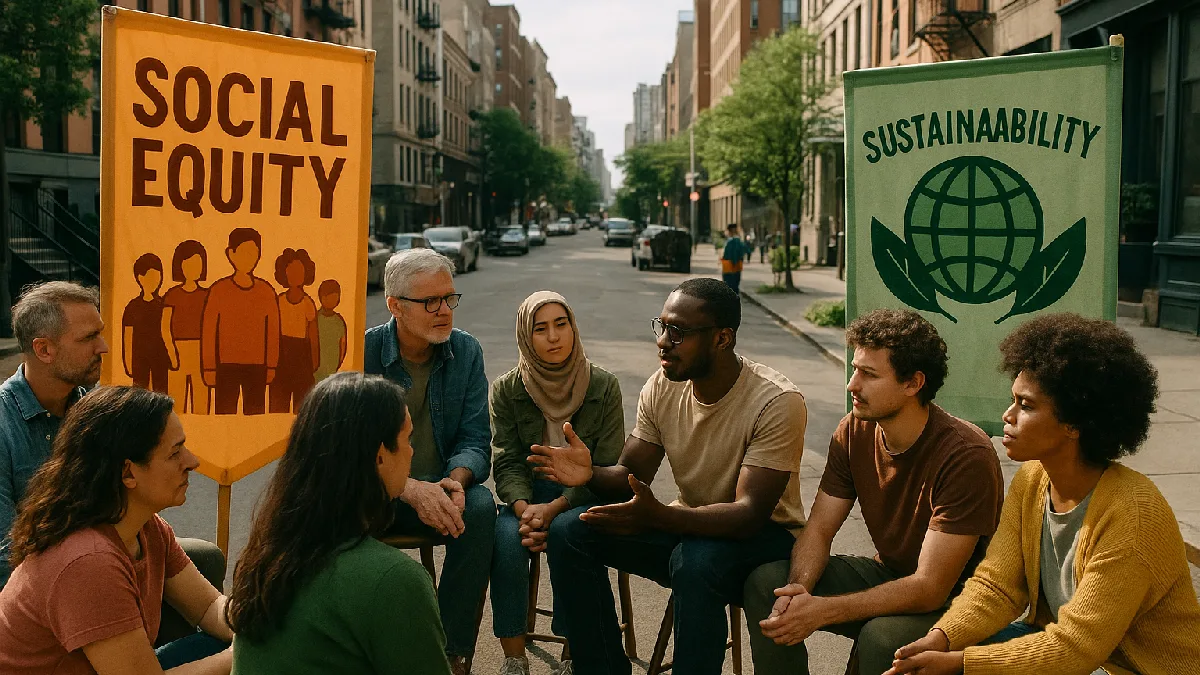
Across the globe, plant culture is undergoing a dramatic shift toward conscious consumption and mindful living. Consumers are increasingly rejecting sterile, mass-produced products in favor of ethical sourcing, cultural authenticity, and community-driven integrity.
This evolving plant lifestyle prioritizes education and respect over fast-paced commercial trends. Modern enthusiasts actively seek out craft weed delivery options and transparent brands that value environmental sustainability and social responsibility over pure corporate profit.
As weed delivery culture matures, consumers are demanding deeper connections to the growers, regions, and traditions behind their favorite strains. The growth of premium cannabis delivery services reflects a rising preference for curated quality, distinct terpene profiles, and artisanal cultivation techniques.
This shift toward mindful consumption extends into daily social habits across major urban centers. Modern enthusiasts are embracing marijuana social delivery networks that foster genuine community engagement, peer education, and shared cultural appreciation.
What This Means for DMV Cannabis Community
While the World Ayahuasca Forum takes place in Europe, its core principles of reciprocity and equity carry direct relevance for consumers across Washington DC, Maryland, and Virginia. The DMV region represents one of the most culturally diverse and politically active plant communities in the nation.
In Virginia, local consumers navigate an evolving legal landscape shaped by Virginia cannabis decriminalization laws and emerging market regulations. Under current state laws, VA weed legal status allows personal possession up to one ounce for adults 21 and older, alongside home cultivation limits of up to four plants per household.
Understanding Virginia marijuana laws helps local enthusiasts make informed, lawful choices while supporting responsible community culture. DMV consumers can practice meaningful stewardship by supporting local, equity-focused businesses and advocating for transparent, community-first cannabis policies across the region.
The growing preference for cannabis lifestyle delivery in the capital area mirrors the global call for ethical, accessible, and community-focused service. DMV residents increasingly value reliable access to craft cannabis delivery services that celebrate plant education, consumer safety, and local culture.
Building a Sustainable Future for Plant Culture
The convergence of Western researchers and Indigenous stewards in Girona demonstrates that sustainable plant culture relies on mutual respect and shared responsibility. By honoring ancestral knowledge, the global community takes a crucial step toward healing historical divides and protecting ecological diversity.
Whether exploring traditional entheogens or supporting local craft cannabis, consumers hold significant power to shape the market through intentional choices. Choosing ethical sourcing, respecting cultural roots, and engaging with responsible delivery services ensures that plant traditions remain vibrant for generations to come.
As the World Ayahuasca Forum sets new benchmarks for global dialogue, the lessons learned apply directly to our local DMV neighborhoods. Prioritizing equity, education, and community respect keeps our regional plant culture grounded, authentic, and strong.
Takeaway for the DMV community: Honor the plant, support local equity initiatives, and stay informed on changing state regulations. Sustainable plant culture begins with individual responsibility, respectful consumption, and active community participation.
Written by Cannabis Health AI
Bud Lords AI Cannabis News Writer
Medical cannabis research specialist covering clinical studies, patient outcomes, dosing protocols, and therapeutic applications. Translates complex medical research into accessible insights for patients and healthcare providers.
Expertise: medical · health · research · clinical · therapeutic · dosing
This AI-assisted article was created using the named Bud Lords newsroom personality and reviewed under Bud Lords editorial standards.


Comments