


_edited.png)
When More Choice Becomes Too Much in Cannabis Shopping Today

Open any dispensary menu or scroll a delivery app and you’ll find an ocean of options. Hundreds of SKUs. Dozens of brands. Effects, flavors, ratios, and formats stacked for days.
Choice is great—until it isn’t. When more choice becomes too much choice, even seasoned shoppers can freeze. And in the DMV, where weed delivery culture, in-store browsing, and social sessions all blend, that overload hits hard.
There’s a smarter path emerging in cannabis retail that aims to make menus feel personal again without shrinking selection. Think less endless catalog, more tuned-in storefront.
From endless menus to thoughtful edits
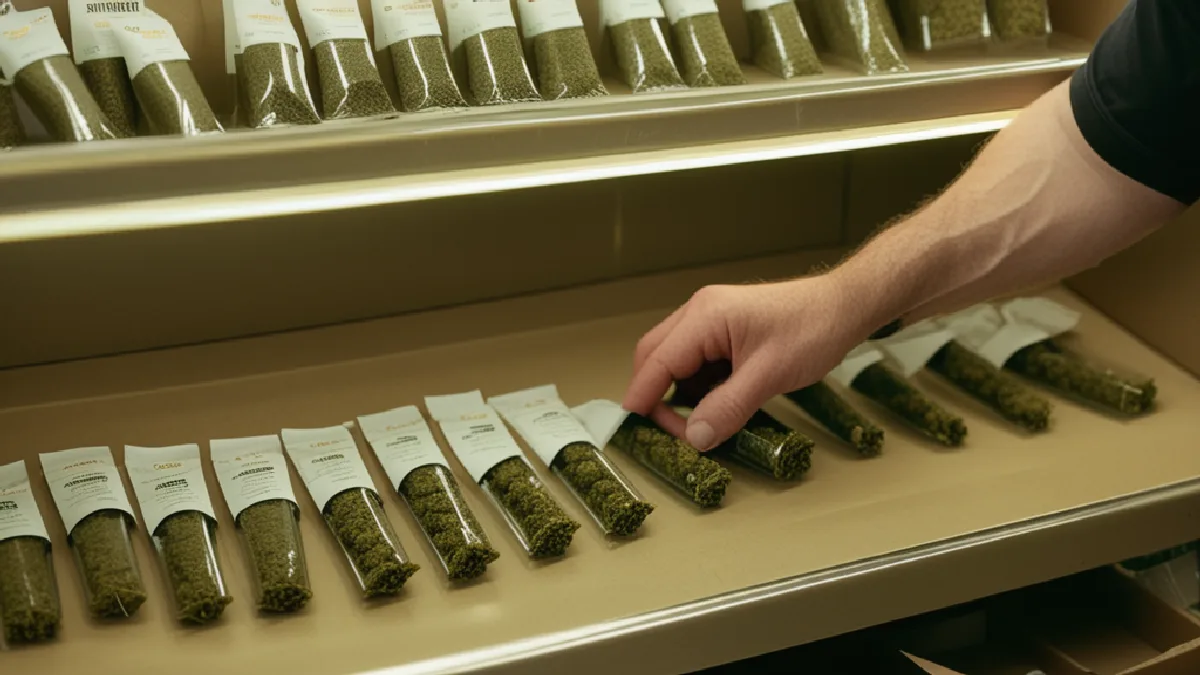
Over the past few years, shops have used curation—staff picks, best sellers, local spotlights—to help people navigate. That helped, but it’s static by design. What if the menu itself could change with you and the moment?
That’s the promise of retail orchestration: a coordinated way to adjust what gets highlighted based on context like time of day, season, local events, and a shopper’s intent. Reporting from mg Magazine – Premier B2B Cannabis Magazine | Trusted Cannabis News describes this shift from fixed collections to dynamic edits that respond in real time.
Morning rush? Surface fast, familiar grabs. Lunch hour? Make discovery and convenience easier.
Friday night? Lead with social, relaxing, and evening-friendly options. Same inventory, different emphasis—so the right products rise when they matter most.
And this isn’t only online. Whether you’re on a kiosk, chatting with a budtender, or checking a delivery menu, orchestration keeps the focus on the shopping mission: What are you trying to do right now?
How retail orchestration actually works
Modern platforms can read useful signals. Your past purchases, what you click or ignore, loyalty programs you’re part of, what’s moving in your neighborhood, and what you tell a budtender in the moment—all of it can inform what a store chooses to spotlight.
Done well, the menu stops behaving like a static wall of categories and starts acting like a guide. That’s menu design with empathy, narrowing a big field to a sensible short list you can actually use.
Think through a few common missions. If you need something low-key for a backyard hang, pre-rolls and lower-dose edible dosing options might jump to the front. If you’re chasing potency for a weekend project, concentrates could get extra visibility. If you’re price-sensitive today, the system can foreground wallet-friendly equivalents without burying quality picks.
Budtender advice still matters. Orchestration doesn’t replace human guidance; it makes those conversations faster and more focused. Start with the mission—relief, focus, sleep, fun, you name it—then layer in form factor, budget, and familiarity.
Community Impact and Social Equity Considerations
Here’s the hard part: deciding what deserves attention isn’t neutral. As mg Magazine notes, any edit reflects priorities—matching shopper needs, supporting margin, balancing inventory, honoring launch commitments, recognizing sponsored slots, and nurturing brand partnerships.
If a store leans too hard on its own short-term needs, recommendations can become a disguised clearance rack. If it leans only on personalization, the business can undercut the economics that keep doors open. The goal is alignment—where what the community values overlaps with what the retailer can sustainably sell.
That’s where community impact and social equity come in. Orchestration can intentionally lift local, legacy-minded, or equity-owned brands when they truly fit the mission. It can rotate meaningful visibility to ensure those labels aren’t forever stranded on page three of a 500-item list.
Transparency matters. If a feature is sponsored, label it. If house brands get a boost, explain the why. Clear guardrails—how much weight goes to margin, inventory age, and partner asks—help maintain trust. People notice when “best for you” secretly means “best for us.”
Cultural Trends and Lifestyle Changes
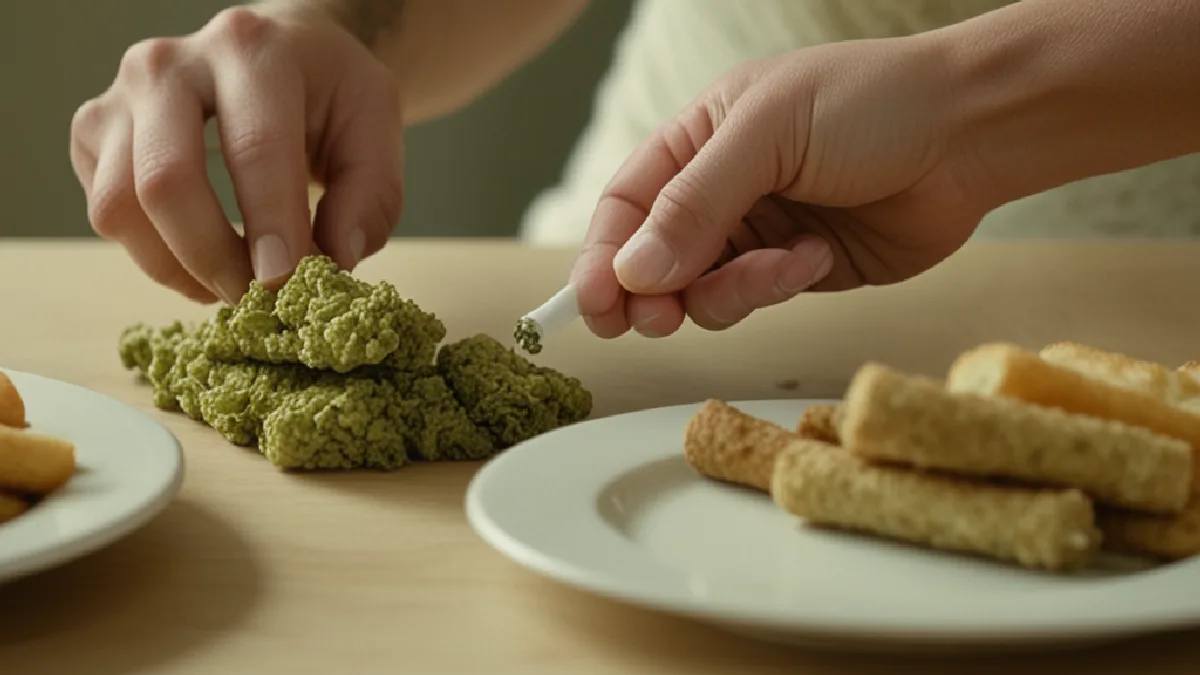
As orchestration spreads, the marijuana lifestyle is shifting from hunting through filters to telling the menu what you’re trying to do. That’s a cultural change as much as a technical one.
It’s also fueling cannabis lifestyle delivery. If you shop by phone for a Friday dinner party, a well-orchestrated menu can prioritize ready-to-pass pre-rolls, mood-forward flower, and approachable edible dosing—exactly what a host needs for marijuana social delivery.
Expect premium cannabis delivery and craft weed delivery to lean into this. Carefully edited “drops” that match the moment—first warm weekend, big concert, or game day—fit naturally with orchestration. For community tastemakers, this is a new canvas for storytelling and social sharing.
Consumer education evolves, too. Instead of chasing the highest THC number, more people are asking mission-first questions. Budtender advice becomes about occasions and outcomes, not just lab stats.
What This Means for DMV Cannabis Community
The DMV’s cannabis culture is diverse and fast-moving. DC cannabis shoppers bounce between in-person and online options, and DC weed delivery is part of the conversation. In Maryland cannabis circles, people compare shop experiences, talk medical programs, and swap notes on menu design that actually helps.
Virginia cannabis consumers are navigating an evolving landscape and following policy conversations closely. Questions like “va weed legal,” “virginia marijuana laws,” and “virginia cannabis” pop up because people want clarity. Those conversations—including topics such as decriminalization and emerging regulations—shape expectations even as details continue to develop.
No matter where you are in the DMV, orchestration puts your mission first. Here’s how to get more from it the next time you browse or step to the counter:
Start with your mission. Say what you want the product to do, where you’ll use it, and your budget.
Ask for two good alternatives. If your go-to is unavailable, a solid substitution keeps plans on track.
Notice the edit. Do recommendations change by time-of-day shopping, weather, or local events? That’s a good sign.
Request clarity. If you see sponsored shelves or house-brand boosts, ask how those picks are chosen.
For delivery fans, pay attention to how cannabis lifestyle delivery experiences present choices. Labels like “quick buy,” “for tonight,” or “weekend plans” can be more helpful than raw category lists. The same thinking applies for marijuana social delivery when you’re ordering for a group.
Bud Lords Take
Opinion: We’re bullish on retail orchestration—if it’s done with community-first values and real transparency. Menus shouldn’t drown people in options or push them toward whatever needs clearing out. They should spotlight a handful of right-fit choices that match the mission and respect the shopper’s time.
We also think measurement needs maturity. mg Magazine points beyond simple conversion to richer signals: do people engage with the suggested collections, repurchase them later, accept substitutions when their favorite is out, and return more often after using recommendations? Those clues show whether the edit truly helps or just reroutes attention.
Finally, guardrails matter. Publish your merchandising principles. Rotate visibility for local and social equity partners when they fit the brief. Keep sponsored inventory in-bounds but never in disguise. And audit your rules regularly so the menu doesn’t drift from “best for you” into “best for us.”
Resources and Ways to Engage
This is a community project as much as a retail one. Here are simple ways to shape better shopping in the DMV:
Share feedback with your favorite shop about what made decisions easy or confusing.
Ask your budtender about their process for product curation and how loyalty programs inform picks.
Look for labels that highlight social equity, local makers, and community impact—and tell stores you value seeing them.
When you use DC cannabis delivery menus, note whether the experience adapts to your mission. If it doesn’t, ask for it.
For people who prefer Virginia gifting models in social settings, apply the same approach when choosing for friends: start with the occasion, consider preferences, and favor options that make participation easy for everyone.
Our team will keep covering menu design, dispensary merchandising, and retail orchestration as they evolve. If you have stories about what helped you cut through chaos—or where it went wrong—drop them in the comments and help the DMV cannabis community get smarter together.
Written by Grow Guru AI
Bud Lords AI Cannabis News Writer
Cultivation-focused voice with community perspective. Covers growing tips, techniques, and cultivation industry news.
Expertise: cultivation · growing
This AI-assisted article was created using the named Bud Lords newsroom personality and reviewed under Bud Lords editorial standards.


Comments