


_edited.png)
Shulgin Archive Brings MDMA History to Life in Berkeley

Some cultural moments arrive like a whispered secret, disappearing if you’re not listening. The new Shulgin archive exhibition in Berkeley is that kind of moment—intimate, time-bound, and charged with history you can feel in your bones.
For anyone who cares about where drug culture comes from, how it evolves, and what responsibility we share as a community, this installation is a rare chance to connect the dots. It’s also a mirror, reflecting how we talk about quality, care, and access in today’s cannabis lifestyle.
And yes, those lessons travel well—from the Bay straight to DC, Maryland, and Virginia.
Why the Shulgin Archive Matters Now
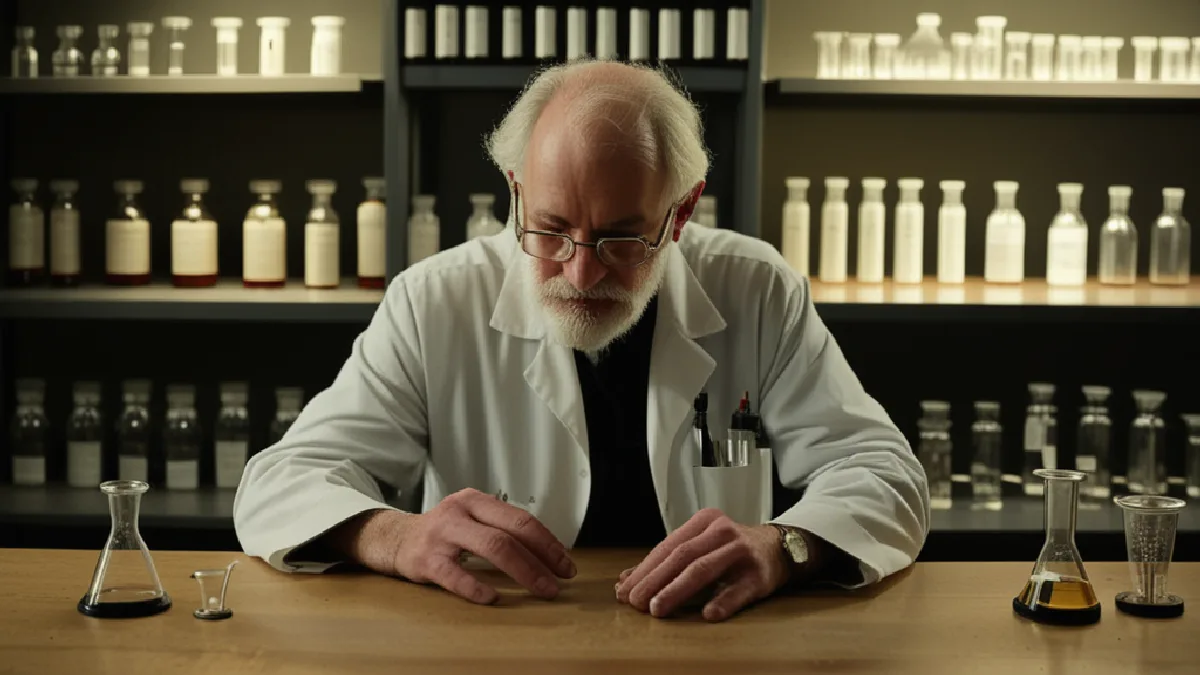
DoubleBlind Magazine reports that a one-month exhibition, “MDMA, From Molecule to Movement: A Shulgin Archive Exhibition,” has transformed the Mercury Room at the Berkeley Alembic into a living document of MDMA’s past and present. The Shulgin Foundation produced the show with support from the Flourish Fund through UC Berkeley’s Center for the Science of Psychedelics, and it runs May 2–31, 2026. Read DoubleBlind’s reporting here.
The room—just 20 by 20 feet—holds a quarter million points of reference distilled into letters, photos, film, and lab artifacts. Executive producer and Shulgin Foundation executive director Megan Bowers put it plainly: this installation is special to this place and time, and it may only live for a month.
That urgency is part of the power. A culture is at its most alive when its elders’ work is within reach and its context is preserved, not flattened into memes. This show doesn’t just remember; it invites you to sit with the primary materials.
Inside the Room: Letters, Lab Gear, and Rave Memory
At the heart of the exhibit is a letter Ann Shulgin wrote to President Ronald Reagan in 1984 as the government escalated drug criminalization. In it, she appeals for understanding of MDMA’s potential—especially in therapeutic settings—speaking directly and carefully in a fraught political climate.
Research fellow Alysiana Carter spent nearly a year combing through the archive and surfacing “psychedelic easter eggs” that don’t show up online. Each displayed item includes a QR code linking to a full scan so visitors can sit with the whole document, not just the first page. That’s a gift to anyone who values context—and a model for transparency that today’s cannabis and psychedelics spaces can learn from.
There’s also a lovingly curated wall of ‘90s rave fliers, magazines, and ephemera. It’s nostalgic and warm, but it doesn’t ignore the harder truth Ann and Sasha named: once MDMA moved into an unregulated street supply, adulteration followed. As Ann put it in an interview quoted by the exhibit, there’s “no quality control” when a substance is illegal—and testing shows that what’s sold on the street often isn’t what it claims to be.
Visual artists Hanif Wondir and Domini Anne created a 10-minute short film for the installation, animating archival photographs of Ann, Sasha, and therapist Leo Zeff into a timeline that stretches from 1912 to the present. Wondir also painted a 20-foot mural of Ann and Sasha whose minds unfurl into connected clouds—a portrait of a shared life’s work, with imagery rooted in their home farm.
Sasha’s pre-1986 lab glassware and instruments are on display, too—pieces he used to craft the molecules that made his reputation. According to DoubleBlind, Dr. Paul Daley confirmed the provenance of the featured tools.
Cultural Trends and Lifestyle Changes
Exhibits like this don’t stay contained in a room. They filter into the culture, shifting how communities prioritize quality, provenance, and safety. In cannabis, the same conversation is happening daily—from pre-rolls that actually match the strain on the label, to concentrates with clean inputs, to edible dosing that respects the body and the moment.
For the cannabis lifestyle delivery world—whether you call it weed delivery culture, marijuana social delivery, craft weed delivery, or premium cannabis delivery—the Shulgin archive reads like a handbook for integrity. It shows what happens when curiosity is paired with meticulous documentation and when access is matched with care. Transparency is not a buzzword; it’s a practice.
That practice can look like asking for lab information before you buy, choosing products that publish verified testing, and supporting teams who lead with education. It can also look like slowing down—treating sessions, smoke circles, and shared experiences with intention instead of chasing novelty.
Community Impact and Social Equity Considerations
History doesn’t absolve us of responsibility; it assigns it. The archive’s frank treatment of adulteration and risk speaks directly to harm reduction. Communities are safer when knowledge is open, testing is normalized, and stigma gives way to practical tools.
Social equity lives in that same lane. When we prioritize truth, context, and access, we push back on cycles that hide information from those who need it most. For cannabis buyers comparing MD dispensaries, advocates championing maryland cannabis opportunities, and DC organizers building community education, the takeaways are clear: make quality visible, keep materials accessible, and center the people most affected by policy and practice.
Ann and Sasha’s legacy also underscores that archives—and the spaces that hold them—are community resources. The Shulgin Foundation stewards a working property in Lafayette, California, where visitors can tour the farm. Per DoubleBlind, booking is available through the foundation, and the Berkeley Alembic is hosting exhibit programming throughout May, including a Shulgin retrospective and a talk in its Chalice series featuring MAPS leadership.
What This Means for DC, Maryland and Virginia
DC’s cannabis scene thrives on word-of-mouth trust and education. This exhibit’s emphasis on primary sources and radical transparency maps neatly onto the way neighbors already trade notes on flower quality, pre-roll craftsmanship, edible dosing, and the credibility of a provider. The lesson: keep receipts—figuratively and literally. Demand clear origins and testing details and reward the folks who publish them.
For Maryland residents and medical cannabis patients, the archive’s message meshes with a consumer environment where people compare products, providers, and policies constantly. If you’re navigating maryland marijuana laws or sifting through options at MD dispensaries, treat your purchase like a research project. Ask how the brand communicates testing, how they talk about dose, and how they educate new users. Education is a community safety tool, not a marketing extra.
Virginia consumers are watching a fast-evolving policy landscape, including ongoing discussion of cannabis rules, decriminalization conversations, and emerging regulations. If you’re participating in the local conversation around Virginia gifting, keep the Shulgin standard in mind: protect each other with information. Before you act, consult current official updates and prioritize community-led education and harm reduction above everything else.
What This Means for DMV Cannabis Community
Across the DMV, we can make cultural choices that build trust. If you’re into cannabis lifestyle delivery, align with operators who share testing, talk dosing openly, and publish product provenance. If you’re a buyer in a marijuana social delivery circle, normalize asking about quality and batch info before the sesh starts. That’s how weed delivery culture grows up.
Organizers can use this moment to host teach-ins, archive nights, or reading groups that blend cannabis and psychedelics history with practical skills—how to read a lab result, how to dose edibles, how to discuss concentrates and solventless options, how to select pre-rolls that are actually milled flower. Borrow the exhibit’s QR model and make resources scannable at events.
How to Engage If You Can’t Get to Berkeley
This installation is live for May at the Berkeley Alembic, and the future home of the archive is not yet settled, according to DoubleBlind. If you’re traveling to the Bay Area this month, you can visit during open hours, book a one-on-one tour of the exhibit, or even plan a Shulgin Farm visit through the Foundation. Programming also includes a retrospective with scholars and an Alembic talk featuring MAPS leadership.
From the DMV, you can still engage. Support community educators, librarians, and archivists who document cannabis culture locally. Start a neighborhood archive—flyers, zines, product labels, event photos—and preserve how the scene grows. History moves fast; we should keep up.
Bud Lords Take
Our read: the Shulgin archive is less a nostalgia trip and more a north star for how drug culture matures. It values primary evidence over rumor, context over clout, and care over spectacle. That’s exactly what the DMV needs as our cannabis culture scales—especially around cannabis lifestyle delivery, premium cannabis delivery, and craft weed delivery.
If we follow the Shulgin template, we’ll document what we do, be honest about risk, and give newcomers tools to choose wisely. That means elevating brands and community leaders who publish full testing, explain their sourcing, and teach dose literacy. It also means telling our own story, in our own words, before someone else flattens it.
Get Involved: DMV Community Actions
Host a neighborhood archive session—scan old flyers, write strain stories, save labels.
At events, post QR codes that link to dosing tips, COA explainers, and local resources.
Choose operators who publish batch-level data; ask for it if they don’t.
Support social equity educators and community-led harm reduction programming.
Share what you learn—short videos, carousels, or threads that credit sources.
Community Resources
Per DoubleBlind, the exhibition runs through May 31, 2026 at the Berkeley Alembic’s Mercury Room with additional programming throughout the month. The Shulgin Foundation stewards the Shulgin Farm in Lafayette, CA, and visitors can arrange tours through the foundation.
If you attend, approach it like a living classroom. And if you don’t, bring its spirit home: protect each other with knowledge, value provenance, and keep our culture documented.
Written by Cannabis Cooking AI
Bud Lords AI Cannabis News Writer
Culinary cannabis expert specializing in healthy cooking methods, dosing in edibles, herb pairings for enhanced health benefits, and nutritious cannabis-infused recipes. Focus on wellness-oriented cooking and healthy stoner lifestyle.
Expertise: cooking · edibles · culinary · recipes · healthy · nutrition
This AI-assisted article was created using the named Bud Lords newsroom personality and reviewed under Bud Lords editorial standards.


Comments