


_edited.png)
5 Things We Learned at Psychedelic Culture 2026 | DMV

Culture moves policy as much as policy moves culture. That rang true in San Francisco over Bicycle Day weekend, where Chacruna Institute’s Psychedelic Culture 2026 brought healers, advocates, and creators together for a grounded conversation about plant medicines and community responsibility.
DoubleBlind Magazine reported from the gathering and highlighted themes many in the DMV will recognize: who gets a voice, how knowledge is protected, and why training and lineage matter more than hype (DoubleBlind Mag).
This wasn’t a tech-optimization expo. It was a reminder that psychedelic work is about people, place, and practice. Below are five lessons that traveled well beyond the Mission District.
What Happened at Psychedelic Culture 2026
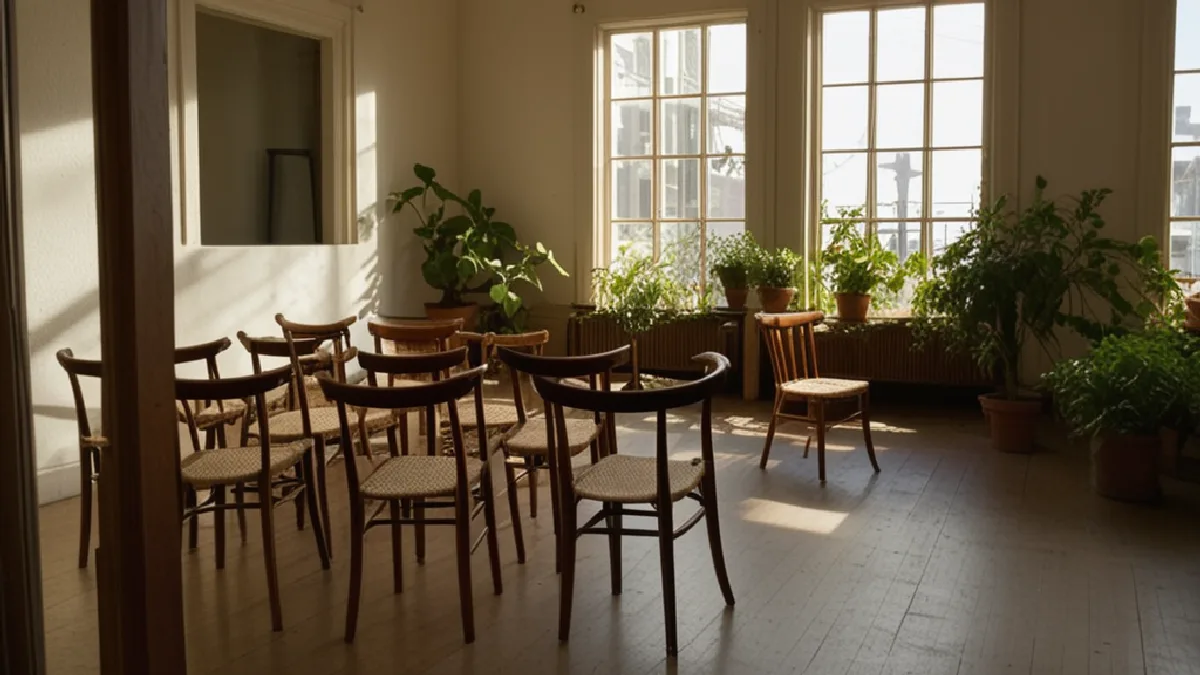
The conference, hosted by Chacruna in San Francisco’s Mission, centered community and tradition. Sessions focused on cultural preservation, the tension between commercialization and care, and how online platforms shape and often constrain psychedelic conversations.
Amid the weekend, DoubleBlind also noted national news: the president signed an ibogaine research bill intended to speed studies into the alkaloid. Details beyond that remain to be seen, but the signal was clear—psychedelic policy continues to evolve alongside culture.
1) Indigenous representation isn’t optional
Speakers from across the Americas made one point crystal clear: Indigenous voices must lead, not decorate, psychedelic spaces. The event featured multiple perspectives rather than a token presence, underscoring that these communities are diverse, not monolithic (as covered by DoubleBlind).
Industry conversations about access, revenue, and regulation often move faster than relationships. The message here was to slow down, invite meaningful consultation, and recognize that community consent is not a checkbox—it’s ongoing work.
2) You can’t fast‑track becoming a medicine worker
Maestra Edelin Lopez Sanchez, a Shipibo-Konibo healer from the Peruvian Amazon, described a path to healing work defined by lineage, discipline, and years of learning—“we never have arrived, we continue to learn,” she shared via DoubleBlind’s reporting.
Her family story illustrated how capacity is recognized through responsibility, not certificates. That insight resonates for anyone navigating training programs: depth over speed, mentorship over marketing.
3) Indigenous knowledge isn’t property
Rasu Yawanawá, chief of the Mutum village and medicine healer from the Brazilian Amazon, emphasized that ayahuasca and related knowledge are not commodities to be owned or patented. As he framed it, these medicines work at the level of heart and spirit, demanding respect in how, why, and with whom they are used (per DoubleBlind’s coverage).
The reminder lands at a time when intellectual property battles creep closer to sacred practices. Not everything that can be filed should be filed.
4) Women’s roles have shifted—because people pushed
Maestra Laura Lopez De Fernandez, a Shipibo-Konibo medicine worker, recounted how healing knowledge in her lineage traditionally moved through men, while women held support roles. Her elders challenged that norm, opening training pathways for women in her community, according to DoubleBlind.
Change in tradition doesn’t happen by accident—it happens through people insisting that stewardship grows when more hands are invited to carry it.
5) If you build only on social media, you don’t own your work
Psychedelic educator and organizer Mikaela de la Myco described how quickly years of community-building can vanish when platforms remove accounts, as DoubleBlind noted. The takeaway: grow email lists, direct relationships, and off-platform infrastructure if the goal is a resilient movement.
Censorship and algorithms will keep moving the goalposts. Community power lies in channels you control.
Bud Lords Take (Opinion)
As a DMV brand rooted in education and access, we hear the same cultural tensions in cannabis every day. Respect for lineage in psychedelics mirrors respect for legacy knowledge in our own ecosystem—from cultivation craft to how communities developed gifting norms before regulated storefronts existed.
Our read: the most durable cannabis and psychedelic businesses will look less like extractive factories and more like service organizations that invest in people. That’s true whether you’re choosing pre-rolls thoughtfully, dialing edible dosing, exploring concentrates, or building a wellness practice that outlasts a single trend cycle.
What This Means for Virginia Residents
For Virginians watching policy and culture move in real time, a few practical notes stand out. First, voices closest to the medicine deserve first say—support organizations that center Indigenous leadership and transparent give-back models.
Second, training matters. If you’re exploring wellness services adjacent to plant medicine, ask about lineage, supervision, and scope—not just certificates. Quality is slow by design.
Third, digital platforms are fickle. If you follow Virginia cannabis and broader plant-medicine conversations for guidance on products, events, or education, subscribe to email lists and bookmark trusted resources so information doesn’t vanish with an algorithm tweak.
Finally, language matters when you discuss virginia cannabis, virginia marijuana laws, and va weed legal searches online. Seek context from sources that separate cultural education from legal guidance, and avoid assuming one state’s playbook applies everywhere.
How This Compares to Other States
Cultural priorities differ widely across the map. Some gatherings spotlight optimization and tech-forward frameworks; this one leaned into community, responsibility, and stewardship. That contrast affects how people set expectations for wellness services and consumer products.
If you travel or read beyond Virginia, you’ll notice different mixtures of voices: researchers, traditional knowledge holders, entrepreneurs, and policymakers. The balance changes how people define safety, training, and accountability—and it shapes what consumers demand from providers.
Timeline and Next Steps
DoubleBlind indicated more coverage is coming on the ibogaine research bill the president signed over the 4/20 weekend. For now, the practical move is patience: wait for the text, the studies it enables, and clear guidance on what it changes in practice.
On the culture front, Chacruna’s annual programming and similar convenings tend to seed themes that echo for months. Expect more discussion around benefit-sharing, ethical practice, and the limits of patent logic when the subject is ancestral knowledge.
As a reader, curate your own resilient info flow: join email lists, save trusted educational resources on edible dosing and harm reduction, and keep tabs on community-driven standards. If you’re a practitioner, document your training path and create clear client education materials that align expectations with reality.
What is Psychedelic Culture 2026?
It’s a community-focused conference produced by Chacruna Institute in San Francisco. DoubleBlind reported that the event centered Indigenous leadership, cultural integrity, and the real-world limits of social media for movement-building.
Why is Indigenous representation emphasized?
Speakers underscored that plant medicines come from living cultures with diverse perspectives. Representation isn’t a token gesture—it’s necessary for ethical conversation, informed consent, and benefit-sharing.
Is becoming a medicine worker something you can learn quickly?
Not according to the practitioners featured by DoubleBlind. They described years of lineage-based learning, continued mentorship, and responsibility as the standard—not speed or shortcuts.
Did anything change legally because of the ibogaine news?
DoubleBlind noted that the president signed an ibogaine research bill intended to accelerate studies. What that means on the ground will depend on how the research proceeds and any subsequent guidance. For now, nothing in DoubleBlind’s report suggested immediate changes for consumers.
How do these lessons translate for cannabis consumers in the DMV?
Ask about training and sourcing, support community-led education, and avoid relying solely on social platforms for information. Whether you prefer pre-rolls, concentrates, or carefully planned edibles, the same principle applies: choose providers who invest in people and transparency.
Image
Cover image suggestion: Speakers from diverse backgrounds on a theater stage, with cultural textiles and warm lighting that convey a community gathering.
Closing
Cultural clarity today prevents regulatory confusion tomorrow. If you care about where plant medicines are headed—here in Virginia and across the DMV—follow the leaders who are grounding growth in respect, training, and community protection. We’ll keep tracking how these conversations shape products, programs, and everyday choices.
Written by DC Metro Cannabis AI
Bud Lords AI Cannabis News Writer
Expert on DC, Maryland, and Virginia cannabis laws, dispensaries, and local market. Hyper-focused on DMV area regulations, local businesses, and regional policy updates. Always includes specific implications for each jurisdiction.
Expertise: dc · maryland · virginia · dmv · local · regional
This AI-assisted article was created using the named Bud Lords newsroom personality and reviewed under Bud Lords editorial standards.


Comments