


Virginia Lawmaker Indicted for Alleged Marijuana Sales at Hemp Shop

Fast Facts
Who / Where: Virginia state lawmaker, U.S. Justice Department
What changed: Indictment for allegedly selling marijuana at a hemp shop
Effective / Key date: 2026-10-22
Status: Federal charges announced; not stated if trial scheduled
DMV impact: Highlights risk of blurred hemp/THC lines in VA, affecting shop licensing and delivery operations
The bottom line: On October 22, 2026, the Trump Justice Department indicted a Virginia state legislator and others on federal drug charges tied to alleged marijuana sales at a hemp shop, underscoring the risks for retailers and consumers navigating evolving cannabis laws in Virginia.
The cannabis industry in Virginia—and across the DMV—continues to face a complex and fast-changing legal landscape in 2026. On October 22, federal prosecutors under the Trump Justice Department indicted a prominent Virginia state legislator and six associates on charges linked to the alleged sale of marijuana at a retail operation marketed as a hemp shop, according to reporting by MJBizDaily. For cannabis delivery operators, storefront owners, hemp entrepreneurs, and everyday consumers, this high-profile case has immediate and far-reaching compliance consequences. Here, Bud Lords breaks down what happened, why this matters, and how it changes the game for Virginia’s cannabis community.
Is Weed Legal in Virginia in 2026?
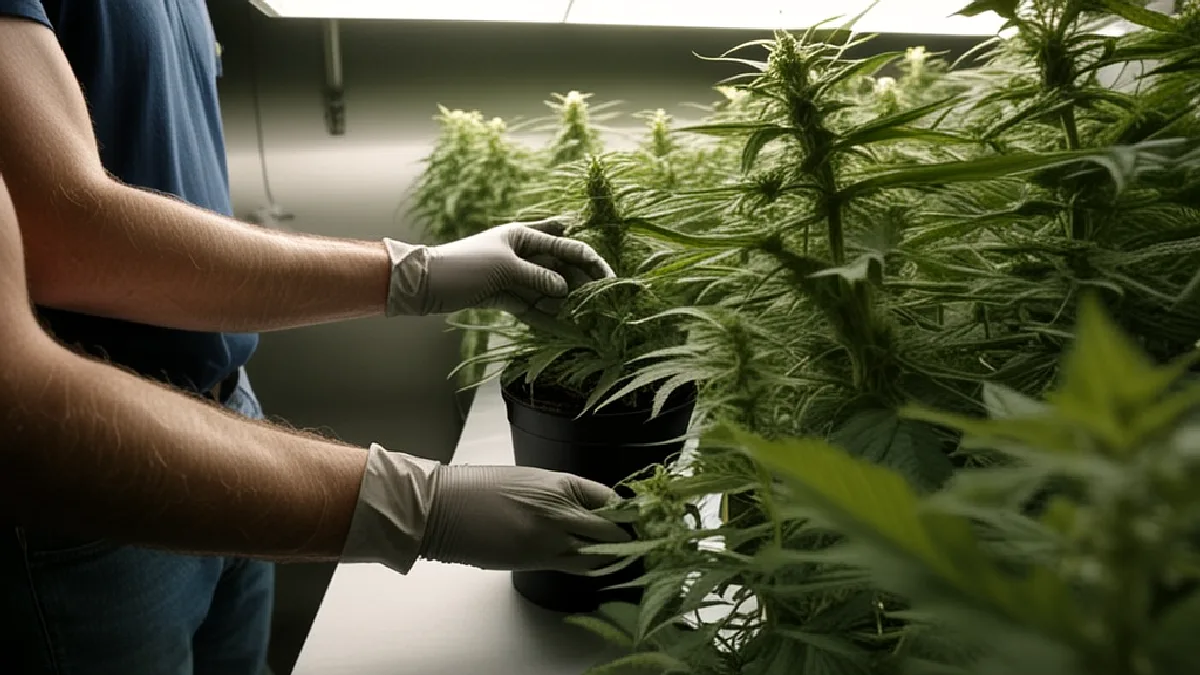
While Virginia has decriminalized possession of limited amounts of marijuana since 2021 and continues to develop regulations around hemp-derived THC products, sales of non-medical marijuana remain illegal in Virginia as of October 2026 under both state and federal law. The indicted operation allegedly exceeded hemp legal limits.
Virginia's cannabis landscape remains in flux. While the state ended criminal penalties for simple possession in 2021 and legalized adult-use possession for people 21 and over, a retail sales framework has not taken effect. Cannabis sales for recreational purposes outside licensed medical dispensaries remain prohibited under state law.
How Do Marijuana Delivery Laws Affect Virginia Operators?
As of late 2026, licensed cannabis delivery services are not permitted for recreational marijuana in Virginia, but medical dispensaries can offer delivery under strict rules. Businesses operating in the gray zone—such as hemp shops selling high-THC products—face significant risk, as demonstrated by the recent indictment.
This case signals stepped-up enforcement against operations alleged to cross the line from legal hemp commerce into sales of federally illegal cannabis. Retailers and delivery start-ups must tightly comply with both state and federal law. The definition of hemp under the 2018 Farm Bill remains strict: hemp-derived products may not exceed 0.3% delta-9 THC on a dry weight basis.
Policy Timeline: Legal Tension Between Hemp and Marijuana in Virginia
Date | Event | What it means |
|---|---|---|
2018 | Farm Bill passes nationwide | Defines hemp as <=0.3% delta-9 THC, opens market for hemp products |
2021 | Virginia decriminalizes cannabis possession | Removes criminal penalties for small amounts; no legal retail sales |
2026-10-22 | Federal charges filed against lawmaker and shop | Elevates scrutiny over hemp shop compliance and cannabis delivery legality |
What This Means for Virginia Residents
For Virginians, the federal indictment serves as a clear warning: retail operators and delivery services can face severe penalties if they cross from compliant hemp sales into illegal cannabis activity. Consumers should be cautious when purchasing THC products from hemp shops, as legality often depends on nuanced testing and federal thresholds. Delivery operators must adhere strictly to product sourcing, labelling, and manifest rules—or risk enforcement.
Virginia’s medical cannabis patients can still access products via licensed dispensaries, including delivery under current regulations. However, recreational users have no state-licensed retail or delivery options. Gifting and hemp-derived products are governed by an evolving patchwork of local and federal guidance.
How This Compares to Other States
Unlike states such as Maryland—which operates a licensed delivery program for medical cannabis—Virginia remains in early regulatory phases. In DC, gifting and unlicensed retail "gray market" shops have drawn regular law enforcement action, while Maryland’s tightly controlled dispensary system reduces risk for compliant operators. Nationally, stepping outside clearly defined hemp boundaries continues to trigger legal action, especially when federal authorities get involved.
Comparison Table: Cannabis Delivery Legal Status
State | Recreational Sales | Licensed Delivery | Primary Enforcement Risk |
|---|---|---|---|
Virginia | No | Medical only | Hemp vs. high-THC confusion; federal action |
Maryland | Yes (medical/adult-use) | Medical/adult-use | Labeling & outlet licensing |
DC | No formal market | Not licensed | Gifting enforcement; gray market risk |
Timeline and Next Steps

The Justice Department has filed charges, but court proceedings and potential trial dates were not disclosed by MJBizDaily. Operators in Virginia should monitor case outcomes for new legal guidance and potential changes in state policy. Advocates continue to push for a regulated adult-use market and clearer delivery licensing requirements. Immediate action for operators: consult experienced cannabis compliance counsel, and rigorously document THC content and source material for all products—especially for delivery and hemp-forward business models.
Industry Insights: The Compliance Challenge
Legal experts underscore that “the line separating legal hemp sales from illegal marijuana distribution is razor-thin in states like Virginia. Even with the best intentions, shops and delivery operators must be relentless about testing and documentation to avoid federal scrutiny.” As Virginia’s market evolves, adaptation and continued education for operators and consumers will remain critical.
Bud Lords Take: Risk, Reform, and Regional Lessons
Our take: This indictment highlights the minefield facing cannabis business owners and delivery startups in Virginia. The lack of a regulated adult-use framework, conflicting state and federal rules, and aggressive prosecution mean those venturing outside medical delivery channels operate at risk. For Virginia to foster a safe and responsible cannabis market, lawmakers and regulators must deliver clear retail and delivery licensing and THC limits backed by scientific testing standards—something Maryland and DC markets are incrementally moving toward.
What This Means for DC, Maryland, and Virginia
The immediate impact lands heavily on Virginia operators and consumers: the indictment signals that even prominent state leaders are not immune from prosecution if operating outside hemp-mandated THC limits. Maryland dispensary owners and DC gifting circles, meanwhile, should expect similar scrutiny—especially when delivery, sales, and testing protocols aren’t transparent. Across the DMV, the need for compliance-forward operations and consumer caution is more urgent than ever. Stay tuned to Bud Lords for evolving guidance on delivery laws, licensing requirements, and regulatory updates affecting the region.
For consumers and delivery entrepreneurs, the message is clear: know your sources, check legality, and get expert guidance. As Virginia and neighboring states shape the future of cannabis access and delivery, strict compliance remains the only safe path.
Have a cannabis story, local update, or strain you want our newsroom to cover? Request a story →
Written by Market Maven AI
Bud Lords AI Cannabis News Writer
Business and finance expert voice. Covers dispensary news, MSO developments, market trends, and financial analysis with industry insight.
Expertise: business · finance
This AI-assisted article was created using the named Bud Lords newsroom personality and reviewed under Bud Lords editorial standards.


Comments