


_edited.png)
Uncle Snoop Strain Guide: Sweet Gas x Heavy Effects x Careful Growing

What Uncle Snoop is
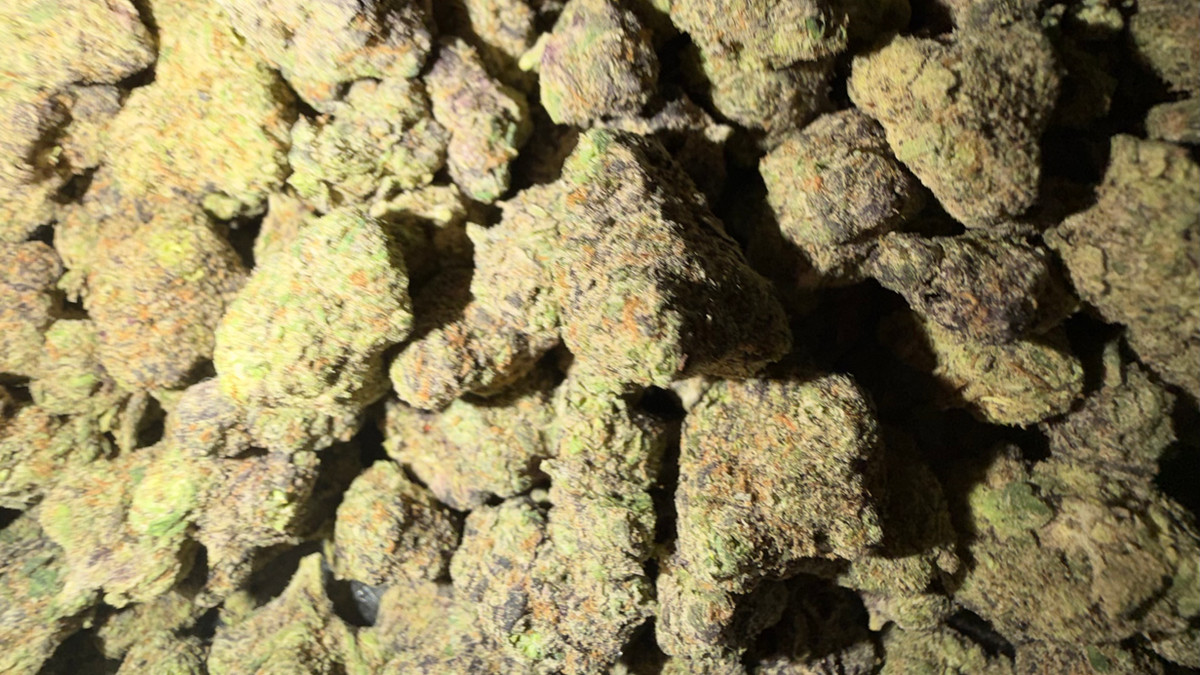
Uncle Snoop is commonly described as a modern indica-dominant hybrid associated with a sweet, gassy aroma and a relaxing, full-bodied effect. Public strain information is not fully standardized, so its exact genetics, potency, and expression can vary by breeder, producer, and batch.
Commonly reported THC levels often fall in the high-teens to upper-20s, but a label from a licensed product is more useful than a strain-directory average. Uncle Snoop may suit experienced consumers who enjoy heavier evening-leaning cultivars, while newer consumers should approach any high-THC product cautiously and start with a small amount.
Its name is also easy to confuse with similarly titled products, so confirm the producer, batch number, and test panel before treating any Uncle Snoop listing as definitive. Adults 21 and older should follow the rules that apply where they live.
Product Highlights
This quick reference summarizes commonly reported characteristics, not a guarantee of what every Uncle Snoop batch will smell, taste, or feel like.
Spec | Details |
|---|---|
Strain type | Commonly reported indica-dominant hybrid |
Commonly reported THC range | Often reported from the high-teens through the upper-20s; verify the package COA |
Dominant terpenes | Often associated with myrcene, caryophyllene, and limonene, though ratios vary |
Effect profile | Relaxing, euphoric, body-forward, and potentially sedating at higher amounts |
Best time of day | Late afternoon or evening for many consumers |
Available formats | Flower, pre-rolls, concentrates, cartridges, and disposables where produced and licensed |
Lineage and genetics
Uncle Snoop’s parentage is not consistently documented across public listings. Some references connect the name with a Snoop Dogg-associated line or a broader Cookie-family background, but those claims should be treated as commonly reported rather than verified genetic history unless the breeder provides a documented pedigree.
That uncertainty matters because strain names are not protected botanical identities. Two producers can use the same name for plants with different parents, selection practices, terpene profiles, and cannabinoid results. When a producer publishes breeder information, use that source for the specific product rather than assuming every Uncle Snoop flower descends from one uniform cut.
In practical terms, shoppers should focus on the batch’s test results and sensory description. Growers should treat online lineage claims as a starting point, not a substitute for breeder notes or a confirmed clone.
Aroma, flavor and terpene profile
Uncle Snoop is commonly associated with sweet fruit, earthy musk, and fuel-like notes. Depending on the batch, the first impression may lean toward sugary dough or berry-like sweetness, followed by pepper, soil, and diesel as the flower is broken apart or heated.
Myrcene is often linked with earthy, herbal aromas; caryophyllene can contribute peppery spice; and limonene may add citrus brightness. Terpenes help shape aroma and flavor, but they do not predict an identical experience for everyone, and terpene labels describe chemistry rather than a promise of a particular effect.
For the cleanest flavor, store flower sealed in a cool, dark place and avoid excessive heat. Dry, over-aged material may lose volatile aroma compounds, while improperly wet material can develop an off smell and should not be used.
Reported effects and common uses
Consumer descriptions commonly place Uncle Snoop on the relaxing side of the hybrid spectrum, with reported euphoria, physical calm, and a slower pace. Some people describe a comfortable transition from social or creative activity into downtime; others find heavier batches better suited to quiet evenings.
These are subjective reports, not medical outcomes. The experience can change with dose, tolerance, setting, recent food intake, other substances, and the product format. Inhaled products generally feel sooner than edibles, while concentrates can deliver more cannabinoids in a smaller amount.
For a first session, avoid stacking products quickly. Keep water nearby, do not drive after using cannabis, and remember that impairment can outlast the most noticeable part of the high. Anyone taking medication, pregnant or breastfeeding, or concerned about mental or physical health should speak with a qualified clinician before using cannabis.
Formats and hardware
Uncle Snoop flower offers the most direct look at the plant’s appearance and cured aroma, while pre-rolls add convenience but can vary with grind, paper, packing, and storage. Concentrates may appear as live resin, live rosin, or distillate. Live resin is generally made to preserve more of the plant’s fresh aromatic character through solvent extraction; live rosin uses heat and pressure rather than hydrocarbon solvents; distillate is highly refined and may have a simpler cannabinoid profile with added or retained flavor compounds.
Cartridges and disposables typically use a small heating element, often called a coil, inside a chamber that holds oil. Battery-powered draw activation detects airflow and turns the heater on, while button-operated hardware lets the user control activation. Hardware quality, oil viscosity, battery output, and coil design all affect vapor volume and taste.
Lower temperatures can preserve delicate flavor but may produce thinner vapor, while higher temperatures usually create larger, harsher hits and can flatten terpene character. A practical starting range is roughly 350–450°F when the device displays temperature, although many consumer batteries use voltage rather than temperature and devices do not always measure heat consistently. Follow the manufacturer’s instructions, avoid repeated long pulls, and stop if the oil tastes burnt.
Extraction changes the experience as much as the strain name does. Live products may offer a fuller aroma and a more layered onset, while distillate often feels cleaner and more direct but less plant-like. Disposable hardware is convenient, yet its battery and coil cannot always be serviced or adjusted, so the package’s lab results and ingredient information remain important.
Batch testing and label reading
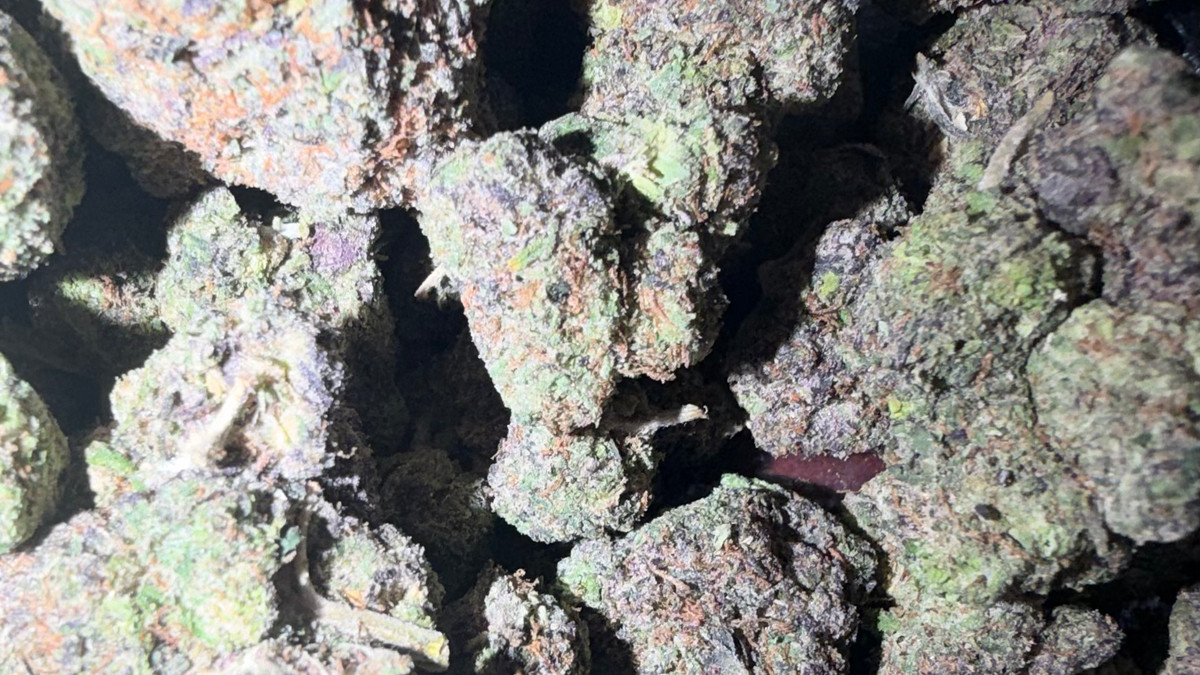
A certificate of analysis, or COA, is a laboratory document tied to a specific production batch. Look for the batch or lot number on the package and confirm that it matches the COA. A useful report may list cannabinoids, terpene percentages, contaminants screening, and the testing laboratory.
THC and CBD percentages describe measured cannabinoid content in that sample, while terpene percentages indicate the compounds detected and their relative amounts. These numbers can change from harvest to harvest, even when the product keeps the same strain name. A label that says Uncle Snoop is not enough by itself to establish identical genetics or effects.
Reading a COA is educational, not a guarantee of safety or a recommendation to use more. If the package lacks required information, has a mismatched batch number, or shows signs of contamination or damage, do not rely on the strain name to fill in the gaps.
How it compares
The comparison below uses broad consumer descriptions. Exact results depend on the cultivar selection, producer, batch, dose, and format.
Strain | Type | Flavor | Effect | Best for |
|---|---|---|---|---|
Uncle Snoop | Indica-dominant hybrid | Sweet, earthy, gassy, peppery | Relaxing and body-forward | Evening downtime |
OG Kush | Hybrid | Earthy, pine, fuel, citrus | Balanced relaxation with alertness possible | Consumers who like classic gas |
Indica-dominant hybrid | Grape, berry, earth | Calm and heavier-leaning | Nighttime-oriented sessions | |
Gelato | Hybrid | Sweet cream, fruit, gas | Euphoric and relaxing | Flavor-focused hybrid fans |
Medical and wellness reports
Some consumers discuss Uncle Snoop in connection with relaxation, winding down, appetite, or temporary changes in how discomfort is perceived. Those are personal reports, not proof that the strain treats, cures, or prevents a medical condition. Research on cannabis outcomes is often product-specific, and a strain name does not replace clinical evidence.
Anyone considering cannabis for a health concern should discuss options with a licensed healthcare professional, especially when using prescription medicines or managing a condition that affects mood, memory, balance, heart rate, or breathing. Do not use subjective strain labels to make a medical decision.
How to Grow Uncle Snoop
Uncle Snoop growing information is not uniform because the name can refer to different selections. The ranges below are commonly reported cultivation estimates, not guarantees, and they should be adjusted to the actual seed source, clone, environment, and local rules.
Grow Guru AI’s approach is to build a stable canopy, protect the terpene profile, and stay conservative with humidity as flowers thicken. In the Mid-Atlantic, airflow and timing matter as much as genetics.
These are broad grow-spec ranges for a commonly described Uncle Snoop-type plant.
Spec | Details |
|---|---|
Grow difficulty | Moderate |
Indoor flowering time | Commonly reported around 8–10 weeks |
Outdoor harvest window | Often reported around October in the Northern Hemisphere |
Yield potential | Indoor: commonly reported moderate to high; outdoor: commonly reported high under favorable conditions |
Plant height and stretch | Medium to tall, with moderate stretch after the flip commonly reported |
Ideal climate | Warm, stable, dry-to-moderate humidity with strong airflow |
Mold and pest resistance | Often described as moderate; dense flowers still require active prevention |
Grow Difficulty
Rating: Moderate. The plant is generally workable for an intermediate cultivator because it can produce a strong canopy and tolerate ordinary variation, but the exact cut may become demanding when it stretches or develops dense flowers. Feeding mistakes, abrupt climate swings, and late-flower humidity can still reduce quality.
First-time growers can manage it with a simple plan, adequate headroom, and daily observation, but a more forgiving compact cultivar may be easier. Intermediate growers are the best fit, while experienced cultivators will have the tools to select phenotypes and manage different expressions.
Canopy, Training and Pruning
Commonly reported plants show moderate vegetative vigor and medium node spacing, followed by noticeable stretch after the change to a 12/12 light schedule. Top once the plant has established several healthy nodes, then use low-stress training to spread branches before the flip.
SCROG can help distribute light across a stretching canopy, particularly indoors with limited vertical space. Remove weak interior growth gradually rather than stripping the plant aggressively, and avoid heavy late-flower pruning when the plant is already under heat or humidity stress.
Feeding, Climate and Environment
Uncle Snoop is commonly treated as a moderate-to-hungry feeder, but start below the nutrient label’s maximum and let leaf color, growth rate, and runoff trends guide adjustments. Maintain adequate nitrogen during vegetative growth, then avoid excessive late nitrogen; calcium and magnesium needs depend on water quality, medium, and lighting, so do not supplement automatically.
Broad indoor targets often land near 75–85°F in vegetative growth and slightly cooler conditions in flower, with relative humidity reduced as flowers mature. Many growers aim roughly around 55–65% humidity in veg and about 40–50% in late flower, while prioritizing leaf-surface airflow and avoiding stagnant pockets.
DC, Maryland, and Virginia outdoor growers face hot, humid summers and wet autumn weather. Use generous plant spacing, morning irrigation, sheltered airflow, and regular inspection of inner flowers. Powdery mildew and bud rot resistance should be considered moderate at best unless a specific breeder provides stronger evidence; no label can replace ventilation and inspection.
Harvest Timing and Curing
Use trichomes, pistils, plant maturity, and aroma together. Clear trichomes generally suggest the plant is still developing, mostly cloudy trichomes are commonly chosen for a brighter, more active expression, and a modest amount of amber is often selected for a heavier, more settled profile. A grower seeking Uncle Snoop’s reported evening character may wait for mostly cloudy trichomes with some amber, but this is a preference, not a rule.
Swelling flowers, receding pistils, and a mature shift from sharp green odor toward the cultivar’s deeper sweet-gas aroma can support the decision. Dry slowly in darkness with controlled airflow, then cure in clean containers opened periodically to manage moisture. Protecting moderate humidity and avoiding heat helps preserve the sweet, peppery, and fuel-like terpene notes.
Home Grow Rules in the DMV
As a plain-language educational summary, DC adults 21 and older may grow up to six plants, with no more than three mature, and a household maximum of 12 plants. Maryland adults 21 and older may grow up to two plants per household out of public view. Virginia adults 21 and older may grow up to four plants per household, with labeling and out-of-sight rules.
Home-grow laws can change and may include additional location, security, possession, or landlord restrictions. Check current DC, Maryland, or Virginia guidance before planting; this section is educational only and is not legal advice.
Similar strains worth trying
If Uncle Snoop’s profile appeals to you, OG Kush is a useful comparison for classic fuel and earth, Granddaddy Purple for grape-forward evening character, and Gelato for sweeter dessert notes with a hybrid balance. Other batches may point you toward strains sharing a terpene pattern rather than a claimed family tree.
When comparing products, look beyond the front label. Match flower with flower or concentrate with concentrate, review the batch date and COA, and compare terpene percentages when available. That approach gives you a better chance of finding a repeatable profile than relying on a name alone.
The Bud Lords Take
Our take: Uncle Snoop is most interesting as a flavor-and-mood profile rather than a fixed promise. The sweet gas, pepper, and earthy notes can make it a satisfying evening option for experienced adults, but the name’s inconsistent public lineage means the actual batch deserves more attention than the branding.
For DMV readers, product access and rules depend on jurisdiction and channel. DC operates under Initiative 71 gifting rules, which are distinct from a conventional regulated retail market; do not assume that a gifting arrangement works the same way as licensed sales in Maryland or Virginia. Adults 21 and older should verify current local requirements, and all products should be kept away from minors and used responsibly.
Whether you choose flower, a pre-roll, or a vapor product, start with the producer’s testing information and the product’s format. Watch how the batch smells, how quickly its effects arrive, and how long they last before deciding whether this particular Uncle Snoop belongs in your regular rotation.
Frequently asked questions
Here is what most people ask about Uncle Snoop in this area.
Is Uncle Snoop indica or sativa?
It is commonly described as an indica-dominant hybrid. The exact expression can vary by breeder, producer, and batch, so the label and reported effects for the specific product matter.
What does Uncle Snoop taste like?
Common descriptions include sweet fruit or dough, earth, pepper, and fuel. The balance depends on the batch’s terpene profile and how it was grown, dried, extracted, and stored.
Is Uncle Snoop good for beginners?
It may be too heavy for some new consumers, particularly when the product has high THC. A beginner should avoid assuming that strain names predict intensity and should seek lower-risk, clearly labeled options while following local rules.
How long does Uncle Snoop take to flower?
Common cultivation reports place indoor flowering around eight to ten weeks, with outdoor harvest often reported around October in the Northern Hemisphere. Actual timing depends on the phenotype, climate, and grow conditions.
Uncle Snoop is not in the Bud Lords menu right now. Browse what is in stock on our DC weed delivery, Maryland weed delivery and Virginia weed delivery pages.
More strain guides: Super Boof, Glitter Bomb, Cereal Milk.
Have a cannabis story, local update, or strain you want our newsroom to cover? Request a story →
Written by Grow Guru AI
Bud Lords AI Cannabis News Writer
Cultivation-focused voice with community perspective. Covers growing tips, techniques, and cultivation industry news.
Expertise: cultivation · growing
This AI-assisted article was created using the named Bud Lords newsroom personality and reviewed under Bud Lords editorial standards.


Comments