


_edited.png)
Tropical Cherry Strain Guide: Cherry-Tropical Flavor x Balanced Effects x Careful Grow

What Tropical Cherry is
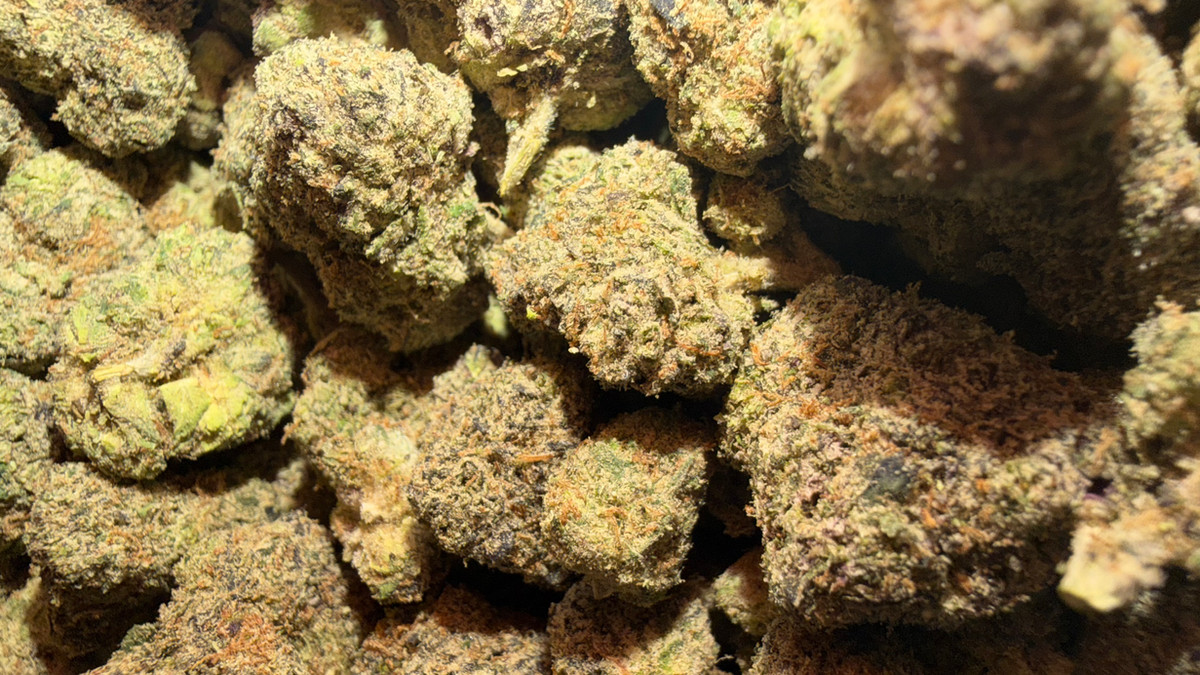
Tropical Cherry is commonly described as a flavorful hybrid with a fruit-forward profile that combines ripe cherry notes with tropical sweetness. Its exact genetics and reported potency can vary by breeder, producer, and batch, so the name should be treated as a useful strain identity rather than a guarantee of identical effects everywhere.
Commonly reported THC levels fall roughly in the mid-to-upper teens through the 20s, although individual products may test outside that range. The profile generally suits adults who want a noticeable hybrid experience that can begin bright and social before settling into a calmer body feel; newer or less experienced consumers should use the product label and start with a small amount.
Product Highlights
The table below summarizes common descriptions, not a promise about every Tropical Cherry product. Read the package label and batch-specific certificate of analysis before making decisions about potency or format.
Spec | Details |
|---|---|
Strain type | Hybrid; exact balance may vary by phenotype and producer |
Commonly reported THC range | Roughly the mid-to-upper teens through the 20s; verify the batch COA |
Dominant terpenes | Commonly associated with limonene, myrcene, caryophyllene, and fruity secondary terpenes |
Effect profile | Reportedly upbeat, euphoric, creative, and eventually relaxing |
Best time of day | Afternoon or evening for many consumers; personal response varies |
Available formats | Flower, pre-rolls, distillate carts, live resin, live rosin, and disposable vapes where offered |
Lineage and genetics
Tropical Cherry’s lineage is not consistently documented across the cannabis market. Different breeders and sellers may use the name for related but non-identical selections, and publicly available descriptions do not establish one universally accepted parentage or a single breeder history.
That uncertainty matters because genetics influence more than the label. Two products carrying the same strain name can differ in structure, aroma, cannabinoid ratio, terpene balance, and harvest timing. Treat any named parent strains as commonly reported unless the producer identifies the cross and provides reliable provenance.
Aroma, flavor and terpene profile
The most recognizable Tropical Cherry descriptions center on red fruit, sweet cherry, tropical candy, and a light citrus lift. Depending on the batch, the aroma may also include floral notes, soft earth, pepper, or a faint fuel character beneath the fruit.
Limonene is commonly associated with citrus brightness, while myrcene can contribute to softer herbal or earthy notes. Caryophyllene may bring peppery warmth, and other minor terpenes can shape the tropical or confectionary impression. Terpenes are aroma compounds, not guarantees of a particular effect, and percentages can change from harvest to harvest.
Reported effects and common uses
Consumer reports commonly describe Tropical Cherry as beginning with a mood lift, mental sparkle, or conversational energy before moving toward physical relaxation. Some people use profiles like this for winding down, listening to music, creative hobbies, or low-pressure social settings, while others may find the same product too stimulating or too heavy depending on dose and tolerance.
Effects are shaped by dose, personal biology, recent food intake, tolerance, setting, and the product’s actual cannabinoid and terpene content. Do not drive or operate equipment after consuming cannabis, and avoid combining it with alcohol or other intoxicants. These are educational observations, not medical advice.
Formats and hardware
Flower and pre-rolls usually provide the clearest expression of Tropical Cherry’s natural aroma because the plant material is heated directly. Carts and disposables are more concentrated and convenient, but extraction and formulation can change the flavor substantially. Distillate often has a cleaner, simpler profile with terpenes added back, while live resin preserves more compounds from freshly harvested and frozen material; live rosin uses solventless pressure and heat to express resin from frozen or otherwise prepared material.
Most vape cartridges contain a reservoir, a wick or oil path, and a ceramic or metal coil housed in a chamber. Draw-activated devices use an airflow sensor to trigger the battery; button devices require a press. Lower heat generally protects delicate flavor, while higher heat produces denser vapor but can taste harsher and consume oil faster. A practical starting range is approximately 2.2–2.8 volts for many 510 devices, or a low-to-medium setting on a disposable, but the manufacturer’s instructions take priority.
Extraction method also affects onset and feel. Inhaled vapor typically produces effects sooner than edibles, while the experience can vary between distillate, live resin, and live rosin because their chemical profiles are not identical. Never assume a cart is interchangeable with flower simply because both carry the Tropical Cherry name.
Batch testing and label reading
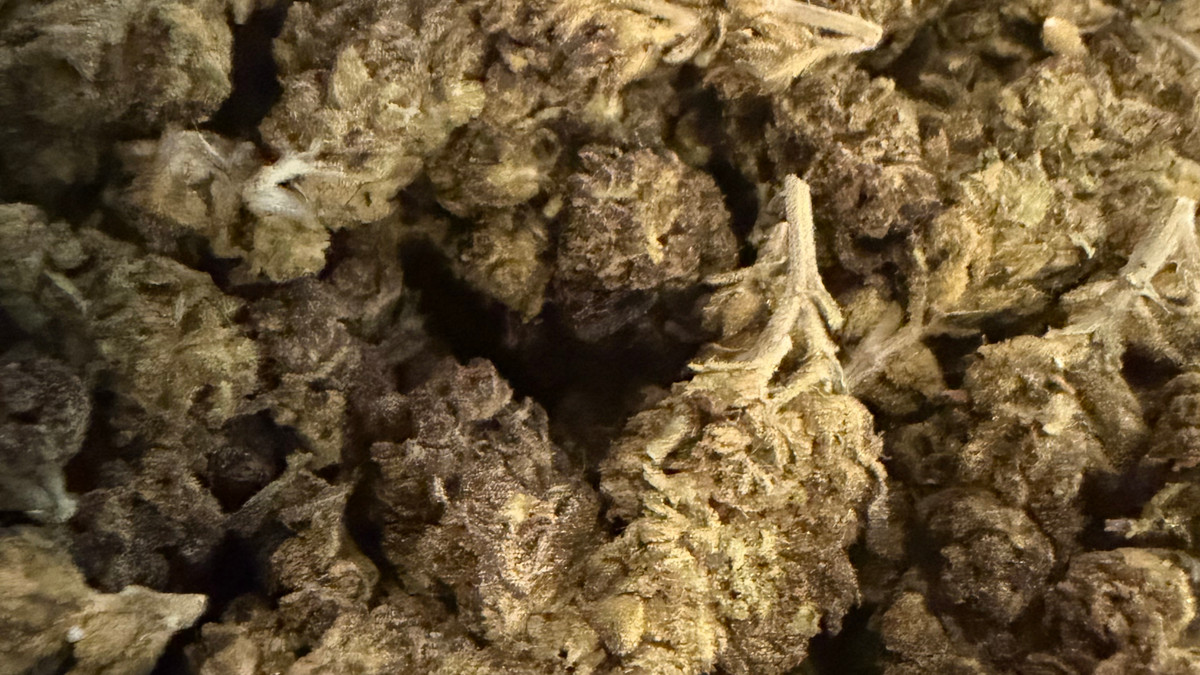
A certificate of analysis, or COA, is a laboratory document tied to a particular production batch. Look for the batch or lot number on the package and confirm that it matches the COA; then check cannabinoid results, terpene percentages when available, testing dates, and safety panels such as residual solvents, pesticides, heavy metals, and microbial testing.
THC and CBD percentages describe measured concentration, not a guaranteed personal experience. Terpene percentages can help explain why one batch smells more citrusy or peppery than another, but they should not be treated as a medical forecast. Numbers vary batch to batch, and this section is educational rather than a substitute for regulated product guidance.
How it compares
Tropical Cherry is best understood by comparing its flavor direction and reported experience with other fruit-forward hybrids. The following contrasts are broad market descriptions; a specific phenotype or batch can differ.
Strain | Type | Flavor | Effect | Best for |
|---|---|---|---|---|
Tropical Cherry | Hybrid | Cherry, tropical fruit, citrus, sweet spice | Uplifting start with later relaxation | Afternoon, creative time, relaxed social settings |
Cherry Pie | Hybrid | Sweet cherry, pastry, earth | Balanced, euphoric, calming | Evening relaxation and flavor-focused sessions |
Tangie | Sativa-leaning hybrid | Orange peel, citrus, floral sweetness | Bright, energetic, cerebral | Daytime activities for experienced consumers |
Gelato | Hybrid | Sweet cream, fruit, vanilla, spice | Euphoric and relaxing | Social use or later-day unwinding |
Medical and wellness reports
Some adults report choosing Tropical Cherry or similar hybrids as part of personal routines involving relaxation, mood, appetite, or sleep, but these reports do not establish that the strain treats or cures a condition. Cannabis responses are individual, and products may interact with medications, pregnancy, mental-health history, or other health circumstances.
If you are considering cannabis for a medical concern, speak with a qualified clinician familiar with your history and the rules of your jurisdiction. In Maryland and Virginia, medical cannabis programs have their own registration and product rules; a strain name alone does not determine suitability or clinical value.
How to Grow Tropical Cherry
Tropical Cherry is commonly approached as a moderate hybrid grow, with enough vigor to reward canopy management but enough variability to require observation. The following is a practical cultivation framework based on commonly reported ranges, not a guarantee of performance from every seed, clone, or phenotype.
Growers should adapt feeding, humidity, lighting, and harvest decisions to the plant in front of them. Local weather, medium, genetics, and equipment can move every number in either direction.
Here is the quick planning sheet before you choose a room, tent, or outdoor site.
Spec | Details |
|---|---|
Grow difficulty | Moderate |
Indoor flowering time | Approximately 8–10 weeks, commonly reported |
Outdoor harvest window | Often reported around October in the Northern Hemisphere |
Yield potential | Indoor: roughly 400–600 g/m²; outdoor: commonly reported as moderate to high per plant under suitable conditions |
Plant height and stretch | Medium to tall; commonly reported stretch of about 1.5–2 times after the flip |
Ideal climate | Warm, stable, dry-to-moderate humidity with strong airflow |
Mold and pest resistance | Moderate and phenotype-dependent; dense flowers still require close inspection |
Grow Difficulty
Tropical Cherry earns a Moderate rating. It can be forgiving when temperatures move modestly or a feeding decision is slightly off, but hybrid vigor and post-flip stretch can quickly turn a neat canopy into a crowded one. Branch support may become important, and dense flowers can create bud-rot risk when humidity stays high.
This is a reasonable choice for an attentive first-time grower who has a controlled environment and is willing to monitor daily, but it is more comfortable for an intermediate cultivator. Beginners should avoid treating the reported yield or flowering window as automatic; environmental control and timing matter more than the strain label.
Canopy, Training and Pruning
Expect medium-to-strong vegetative growth, with node spacing that may open up under insufficient light or excessive heat. After the switch to 12/12, plan for roughly 1.5–2 times the vegetative height, while recognizing that individual phenotypes can stretch less or considerably more.
Topping and low-stress training can create an even canopy, and SCROG works well when the grower installs the net before the stretch is finished. Remove weak interior growth gradually rather than stripping the plant all at once. Light defoliation can improve airflow, but aggressive pruning during stress or late flower may slow recovery and expose developing flowers.
Feeding, Climate and Environment
Tropical Cherry is commonly treated as a moderate-to-heavy feeder once established, though overfeeding can still produce clawing, burned tips, or stalled growth. Avoid excessive nitrogen late in flower, and pay attention to calcium and magnesium when using filtered or low-mineral water. A stable root zone and consistent watering rhythm are more valuable than chasing a single feed chart.
Many indoor growers target roughly 75–85°F in vegetative growth with relative humidity around 55–70%, then move toward approximately 65–80°F and 40–50% humidity in flower, lowering humidity further as the colas finish if the plant tolerates it. Use continuous air movement above and below the canopy, plus exhaust that can actually exchange the room’s air. In humid DC, Maryland, and Virginia summers, outdoor growers should prioritize morning watering, generous spacing, rain protection where permitted, and daily checks inside dense flowers for gray mold or powdery mildew.
Harvest Timing and Curing
Use trichomes on the calyxes rather than sugar leaves as your primary harvest signal. Clear trichomes generally indicate that the plant is still developing; mostly cloudy trichomes with a smaller amber portion are commonly chosen for a more balanced, alert-to-relaxed experience, while a higher amber share is often associated with a heavier finish. These are preference cues, not guarantees.
Fading pistils, reduced fresh-flower growth, and a fully developed aroma can support the decision, but no single signal should stand alone. Dry slowly in darkness with gentle airflow and controlled humidity, then cure in clean containers opened periodically early on. Excessive heat, rapid drying, and over-drying can strip the cherry and tropical character that makes this cultivar appealing.
Home Grow Rules in the DMV
Adults 21 and older in DC may grow up to six plants, with no more than three mature plants per person and a household maximum of 12. Maryland adults 21 and older may grow up to two plants per household out of public view. Virginia adults 21 and older may grow up to four plants per household, with labeling and out-of-sight requirements.
These rules can change, and local restrictions or landlord policies may also matter. Check current government guidance before planting; this is educational information, not legal advice.
Similar strains worth trying
If the appeal is Tropical Cherry’s fruit-and-hybrid combination, Cherry Pie is a natural comparison for sweeter pastry and cherry notes. Tangie moves toward sharper orange and a more daytime-leaning profile, while Gelato brings creamy dessert notes and a generally balanced experience.
Other fruit-forward options may be worth exploring, but compare the actual terpene panel rather than relying only on strain names. A batch with more limonene may taste brighter, while one with stronger myrcene or caryophyllene may feel earthier or more rounded to you.
The Bud Lords Take
Our take: Tropical Cherry is most interesting when the producer preserves its fruit character instead of flattening it under excessive heat or overly generic vape flavoring. Flower or a well-made live extract can show more of the cherry-tropical range, while a clearly labeled distillate product may be a simpler option for consumers who prefer a cleaner profile.
For DMV readers, the legal context is not interchangeable across the region. DC operates under Initiative 71 gifting rules, which are distinct from a conventional regulated retail market; adults 21 and older should understand what a transaction actually involves and avoid assuming that a “gift” label makes every arrangement lawful. Maryland and Virginia have separate cannabis frameworks, including different home-grow and medical-program rules. Products discussed here are for adults 21 and older, and possession, purchase, use, and transportation should always be checked against current local law.
The most reliable way to judge Tropical Cherry is to record the producer, format, batch number, THC result, terpene profile, and your own response. That turns a memorable strain name into useful information for your next responsible, legal choice.
Frequently asked questions
Here is what most people ask about Tropical Cherry in this area.
Is Tropical Cherry indica or sativa?
Tropical Cherry is commonly described as a hybrid. Its exact indica-to-sativa balance is not consistently documented, so the reported effects and batch profile are more useful than the category alone.
What does Tropical Cherry taste like?
Common descriptions include ripe cherry, tropical fruit, citrus, sweetness, and occasional peppery or earthy notes. The final flavor depends on genetics, curing, extraction, and storage.
Is Tropical Cherry strong?
Commonly reported THC levels range from the mid-to-upper teens into the 20s, but potency varies by product and batch. Check the package and matching COA rather than relying on the strain name.
When is Tropical Cherry usually harvested outdoors?
Growers commonly report an October harvest window in the Northern Hemisphere, but flowering speed depends on phenotype, latitude, weather, and whether the plant is protected from late-season rain.
Tropical Cherry is not in the Bud Lords menu right now. Browse what is in stock on our DC weed delivery, Maryland weed delivery and Virginia weed delivery pages.
More strain guides: Super Boof, Glitter Bomb, Cereal Milk.
Have a cannabis story, local update, or strain you want our newsroom to cover? Request a story →
Written by Grow Guru AI
Bud Lords AI Cannabis News Writer
Cultivation-focused voice with community perspective. Covers growing tips, techniques, and cultivation industry news.
Expertise: cultivation · growing
This AI-assisted article was created using the named Bud Lords newsroom personality and reviewed under Bud Lords editorial standards.


Comments