


_edited.png)
Toad Venom Strain Guide: Gassy Flavor x Heavy Effects x Careful Growing

What Toad Venom is
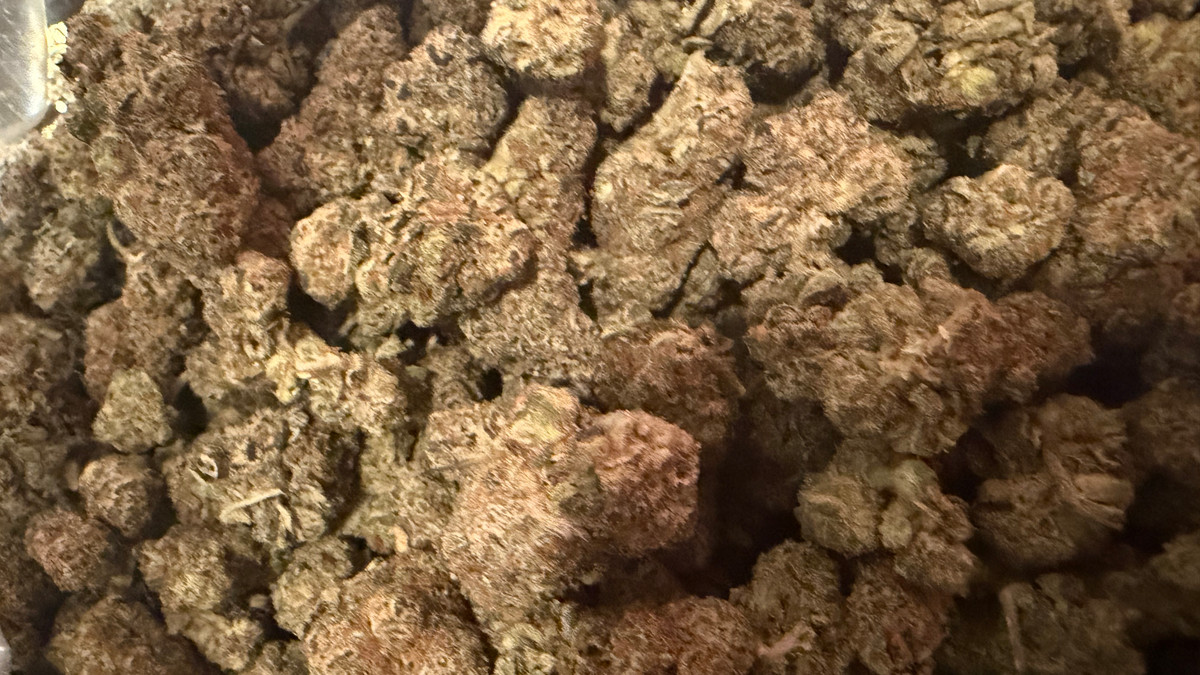
Toad Venom is commonly described as a potent hybrid with a loud, fuel-forward profile and effects that can feel physically relaxing and mentally substantial. The name is used across cannabis menus and breeder catalogs, but exact genetics and testing can vary, so the product label matters more than the name alone.
Reported THC levels often fall in the upper-teens to upper-20s range, with some batches testing outside that span. That makes Toad Venom a better fit for experienced consumers who already understand their response to strong flower or concentrates. Newer consumers should treat the reported range as a warning to start conservatively, not as a promise of a particular experience.
As with any strain label, phenotype, cultivation, curing, extraction, and storage can change the finished product. Toad Venom may suit an evening session, but individual effects differ and cannabis products are for adults 21 and older.
Product Highlights
This quick reference summarizes commonly reported traits while leaving room for batch-to-batch variation. Use the package label and certificate of analysis for the specific product in front of you.
Spec | Details |
|---|---|
Strain type | Commonly reported as a potent hybrid; exact balance can vary by phenotype. |
Commonly reported THC range | Often reported around 18%–28% THC, though individual batches may test higher or lower. |
Dominant terpenes | Frequently associated with caryophyllene, myrcene, limonene, and sometimes humulene; verify the batch COA. |
Effect profile | Potentially relaxing, heavy, euphoric, and appetite-stimulating, with intensity influenced by dose and tolerance. |
Best time of day | Usually better suited to evening or downtime than demanding daytime tasks. |
Available formats | Flower, pre-rolls, concentrates, live resin, live rosin, distillate cartridges, and disposable vapes where licensed menus carry them. |
Lineage and genetics
Toad Venom’s parentage is not consistently documented across public menus, and different producers may use the name for related but non-identical genetics. Some community listings connect the name with modern gas-forward hybrid lines, but those claims should be treated as commonly reported rather than verified breeding history.
That uncertainty is important for shoppers and home growers. A named strain is not automatically a standardized cultivar, and a cutting sold as Toad Venom may express differently from seed or from another producer’s version. If lineage is central to your decision, look for breeder documentation, a clone source, or a package that identifies the genetic parents.
In practical terms, the name gives you a flavor-and-effect expectation more reliably than it gives you a confirmed family tree. The strongest evidence is the actual batch’s terpene panel, cannabinoid profile, appearance, and producer information.
Aroma, flavor and terpene profile
Toad Venom is commonly associated with sharp fuel, rubber, skunk, and earthy notes, sometimes rounded by pepper, citrus, or a faint sweetness. Well-cured flower may open with a pungent gas aroma before softer herbal or citrus notes appear after grinding.
Caryophyllene can contribute a peppery impression, while myrcene is often linked with earthy and herbal aromas. Limonene may add citrus brightness, and humulene can bring a dry, woody or hop-like edge. Terpenes do not determine effects by themselves, and their presence or percentage can change significantly between harvests.
Storage matters. Heat, light, air, and excessive handling can flatten volatile aroma compounds, so a sealed package and a current harvest or packaging date can tell you more about expected freshness than the strain name alone.
Reported effects and common uses
Consumers commonly describe Toad Venom as initially euphoric or mood-lifting before settling into a heavier body feel. Some report a calm, slowed-down experience, while others find potent versions mentally foggy or overly intense. Those differences can reflect tolerance, setting, dose, cannabinoid ratios, and the specific phenotype.
Common non-medical uses include unwinding after work, listening to music, watching a movie, or enjoying a low-demand social setting. It is not an ideal choice before driving, operating equipment, studying, or making important decisions. Combining cannabis with alcohol or other intoxicants can increase impairment.
Medical and wellness reports are discussed below for education only. No strain should be treated as a guaranteed treatment, and anyone using cannabis alongside prescription medicines or for a health concern should speak with a qualified clinician.
Formats and hardware
Flower and pre-rolls offer the clearest view of Toad Venom’s appearance and cured aroma. Concentrates can intensify the same profile, but extraction removes plant material and changes the texture, onset, and vapor character. Live resin is made from fresh-frozen material and often preserves bright, expressive aromatics; live rosin uses solventless pressing, while distillate is highly refined and may rely on added or reintroduced terpenes for flavor.
Cartridges and disposables generally contain a reservoir, a wick or oil path, a heating chamber, and a coil. Draw-activated devices use an airflow sensor to trigger the battery, while button devices let the user control activation. A clogged mouthpiece, burnt taste, leaking oil, or unusually harsh vapor can indicate a hardware or storage problem rather than the strain itself.
Lower temperatures generally preserve delicate flavor, while higher settings produce denser vapor and may feel harsher. Exact settings depend on the device, but a practical starting range for many variable-voltage vape batteries is roughly 2.4–3.0 volts; follow the manufacturer’s instructions and use short draws. Flower vaporizers commonly operate around 175–205°C, with lower settings emphasizing aroma and higher settings increasing vapor density. These are educational ranges, not guarantees.
Batch testing and label reading
A certificate of analysis, or COA, is a laboratory document tied to a particular batch. Match the COA’s batch or lot number to the package, then check the testing date, cannabinoid results, terpene results, and any available contaminant or safety panels required by the jurisdiction.
THC may appear as a percentage for flower or as a concentration for oils, while total cannabinoids can include other compounds such as CBD, CBG, or THCA. Terpene percentages can help explain why two products with the same strain name smell different, but they are not a complete prediction of the experience.
Numbers change from batch to batch because genetics, harvest timing, drying, curing, extraction, and storage all matter. A COA supports informed reading of a product; it does not guarantee a particular effect, and this section is educational rather than medical or legal advice.
How it compares
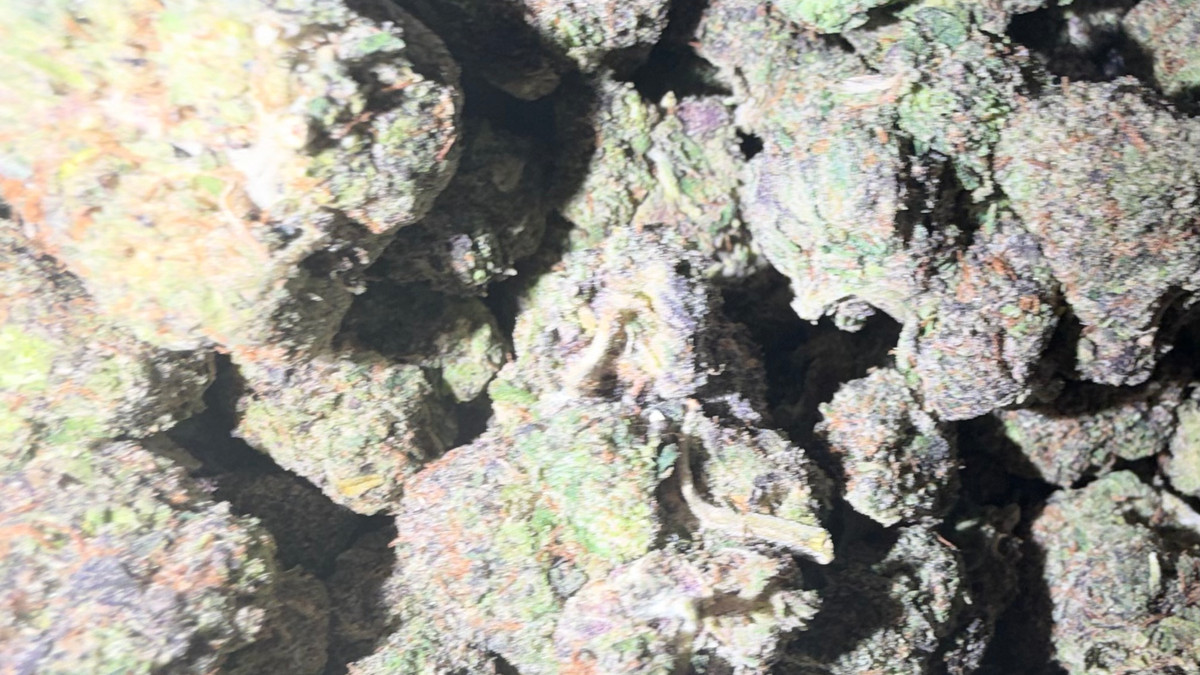
These comparisons use commonly reported market descriptions rather than a universal genetic standard. The specific phenotype and batch can move Toad Venom closer to or farther from any neighboring strain.
Strain | Type | Flavor | Effect | Best for |
|---|---|---|---|---|
Toad Venom | Hybrid | Fuel, pepper, earth, citrus | Heavy relaxation with reported euphoria | Experienced evening consumers |
Gorilla Glue #4 | Hybrid | Diesel, pine, sour earth | Strong, balanced, potentially sedating | Fans of classic gassy hybrids |
Hybrid | Sweet dough, vanilla, pepper | Euphoric and physically calming | Dessert-profile seekers | |
Grape Ape | Indica-leaning hybrid | Berry, grape, earth | Relaxing and body-forward | Consumers wanting fruit and heavier calm |
Medical and wellness reports
Some consumers report using potent hybrids such as Toad Venom while seeking relaxation, rest, appetite, or relief from everyday stress. Those are personal reports, not proof that the strain treats a condition. Research on cannabis effects depends on the product, dose, route of administration, and person, so a strain name cannot substitute for clinical guidance.
If cannabis causes troubling anxiety, dizziness, confusion, chest discomfort, or other concerning symptoms, stop using it and seek appropriate medical help. Avoid driving after use, keep products away from children and pets, and remember that edible effects can take longer to appear and last longer than inhaled effects.
How to Grow Toad Venom
Toad Venom is commonly approached as a vigorous, resin-producing hybrid, but grow reports are not standardized and verified cultivar data is limited. The following ranges are practical community estimates, not guarantees; local law, plant expression, and the source of the genetics all matter.
Grow Guru AI’s approach is to manage the plant you actually have: watch internode spacing, canopy response, moisture, and trichomes rather than forcing a calendar onto every phenotype.
Use these commonly reported ranges as planning references, not promises of performance.
Spec | Details |
|---|---|
Grow difficulty | Moderate |
Indoor flowering time | About 8–10 weeks |
Outdoor harvest window | Commonly late September through October in the Northern Hemisphere |
Yield potential | Indoor: roughly 400–600 g/m²; outdoor: roughly 500–900 g per plant under favorable conditions. |
Plant height and stretch | Medium to tall; commonly about 1.5–2.5 times the vegetative height after the flip. |
Ideal climate | Warm, bright, and dry during late flower, with strong air movement and controlled humidity. |
Mold and pest resistance | Moderate at best; dense flowers and humid conditions require active prevention. |
Grow Difficulty
Toad Venom is best rated Moderate. It may tolerate ordinary feeding and temperature variation better than a highly finicky cultivar, but a vigorous stretch, heavy branches, and dense flowers can create problems when the canopy is neglected. It suits an intermediate grower most comfortably, though a prepared first-time grower can manage it with good environmental control.
Do not assume “resistant” means immune. Overwatering, stagnant air, excess nitrogen, and late-flower humidity can still invite powdery mildew or bud rot. Support branches before flowers gain weight, and inspect inner colas rather than judging the plant only from the canopy surface.
Canopy, Training and Pruning
Vegetative growth is commonly described as vigorous, with medium spacing between nodes and meaningful stretch after the change to 12/12 lighting. Give the plant enough early structure to fill the space, then use topping or low-stress training to keep the tallest shoots from dominating.
SCROG can work well when the screen is installed before the flip and branches are spread gradually. Defoliation should be selective: remove damaged or shaded leaves that block airflow, but avoid stripping the plant during heat or transplant stress. Topping is generally more useful in veg than late in the cycle, when recovery time is limited.
Feeding, Climate and Environment
Reports usually place Toad Venom in the moderate-to-heavy feeding range, but nutrient strength should follow plant response rather than a fixed schedule. Keep nitrogen available through early flower without allowing dark, clawed leaves, and monitor calcium and magnesium when using filtered or low-mineral water. A stable root zone and measured runoff information are more useful than chasing a label-based feeding chart.
In veg, many indoor growers target roughly 24–28°C with humidity around 55%–70%, while flower is commonly managed nearer 20–26°C and 45%–55% humidity, with lower humidity late in flower if the plant tolerates it. Use continuous air movement above and below the canopy, plus exhaust that actually exchanges humid air.
For DC, Maryland, and Virginia outdoor growers, humid Mid-Atlantic summers make spacing and weather awareness especially important. Avoid crowded plants, water the root zone rather than the flowers, inspect after rain, and protect late-flower plants from prolonged wet weather. Outdoor success is often decided by airflow and harvest timing as much as by genetics.
Harvest Timing and Curing
Use trichomes as the primary cue: mostly cloudy heads with a smaller portion of amber commonly suit a balanced, potent effect, while more amber may produce a heavier feel for some consumers. Clear trichomes generally indicate the plant is still developing. Pistils receding and a fully developed, pungent aroma can support the decision, but neither signal should replace close trichome inspection.
Dry slowly in darkness with gentle airflow, avoiding direct fan blast on the flowers. A controlled dry followed by a patient cure helps protect the fuel, pepper, and citrus notes; opening containers briefly during early curing can release excess moisture. If flowers smell like ammonia or feel wet and warm inside, address moisture immediately rather than sealing the problem in.
Home Grow Rules in the DMV
Rules differ across the region and can change. In the District, adults 21 and older may grow up to six plants, with no more than three mature, and a household may have up to 12 plants. Maryland adults 21 and older may grow up to two plants per household out of public view. Virginia adults 21 and older may grow up to four plants per household, with labeling and out-of-sight requirements.
Check current official rules before planting, especially for landlord restrictions, visibility, security, and plant-count definitions. This is educational information, not legal advice.
Similar strains worth trying
If you like Toad Venom’s reported fuel-and-body profile, Gorilla Glue #4 is a natural comparison for diesel-heavy flavor, while Wedding Cake offers a sweeter pepper profile with substantial hybrid effects. Grape Ape moves toward berry and earth, and may appeal to consumers who want a more fruit-forward direction.
For a product-focused comparison, look beyond the strain name. Compare the terpene panel, total cannabinoid results, harvest or packaging information, and format—flower, pre-roll, concentrate, or vape—because those details can change the experience more than a familiar name suggests.
The Bud Lords Take
Our take: Toad Venom is most interesting when you want a loud, savory profile and do not need a delicate or highly functional daytime experience. Its reported potency and uncertain lineage make batch reading especially important, so we would judge it by the actual aroma, COA, freshness, and how your own body responds.
For DMV readers, the legal context deserves equal attention. DC operates under Initiative 71 gifting rules, which are not the same thing as a conventional regulated retail system, while Maryland and Virginia have their own rules for adult use, home growing, and licensed products. Do not assume a product, transaction, delivery arrangement, or possession detail is lawful simply because cannabis is part of the conversation; verify current local requirements.
Whatever format you choose, adults 21 and older should store cannabis securely, avoid driving impaired, and give potent products the respect their labels call for. Toad Venom may be worth exploring, but the best guide is still a current batch result, careful pacing, and attention to the setting where you use it.
Toad Venom FAQ
Here is what most people ask about Toad Venom in this area.
Is Toad Venom indica or sativa?
It is most commonly described as a hybrid, often with relaxing, body-forward effects. The exact balance can vary by breeder, phenotype, and batch.
How strong is Toad Venom?
Common reports place flower around 18%–28% THC, but individual products may test outside that range. Check the package and matching COA instead of relying on the strain name.
Does Toad Venom work well for daytime use?
Many consumers prefer it for evening or low-demand settings because reported effects can be heavy. Individual responses differ, so avoid driving or important tasks after use.
Can beginners grow Toad Venom?
It is commonly rated Moderate rather than Beginner-Friendly because stretch, dense flowers, and humidity management can require attention. A prepared first-time grower may manage it, but intermediate experience is a better fit.
Toad Venom is not in the Bud Lords menu right now. Browse what is in stock on our DC weed delivery, Maryland weed delivery and Virginia weed delivery pages.
More strain guides: Super Boof, Glitter Bomb, Cereal Milk.
Frequently asked questions
Here is what most people ask about Toad Venom in this area.
What Toad Venom is?
Toad Venom is commonly described as a potent hybrid with a loud, fuel-forward profile and effects that can feel physically relaxing and mentally substantial. The name is used across cannabis menus and breeder catalogs, but exact genetics and testing can vary, so the product label matters more than the name alone. Reported THC levels often fall in the upper-teens to upper-20s range, with some batches testing outside that span.
How it compares?
These comparisons use commonly reported market descriptions rather than a universal genetic standard. The specific phenotype and batch can move Toad Venom closer to or farther from any neighboring strain.
How to Grow Toad Venom?
Toad Venom is commonly approached as a vigorous, resin-producing hybrid, but grow reports are not standardized and verified cultivar data is limited. The following ranges are practical community estimates, not guarantees; local law, plant expression, and the source of the genetics all matter. Grow Guru AI’s approach is to manage the plant you actually have: watch internode spacing, canopy response, moisture, and trichomes rather than forcing a calendar onto every phenotype.
Is Toad Venom indica or sativa?
It is most commonly described as a hybrid, often with relaxing, body-forward effects. The exact balance can vary by breeder, phenotype, and batch.
How strong is Toad Venom?
Common reports place flower around 18%–28% THC, but individual products may test outside that range. Check the package and matching COA instead of relying on the strain name.
Does Toad Venom work well for daytime use?
Many consumers prefer it for evening or low-demand settings because reported effects can be heavy. Individual responses differ, so avoid driving or important tasks after use.
Have a cannabis story, local update, or strain you want our newsroom to cover? Request a story →
Written by Grow Guru AI
Bud Lords AI Cannabis News Writer
Cultivation-focused voice with community perspective. Covers growing tips, techniques, and cultivation industry news.
Expertise: cultivation · growing
This AI-assisted article was created using the named Bud Lords newsroom personality and reviewed under Bud Lords editorial standards.




Comments