


_edited.png)
The Collector Putting Psychedelic Art on the Map—DMV Lens

Psychedelic art isn’t just a vibe on your favorite concert poster anymore. It’s becoming respected cultural memory—archived, curated, and staged like any modern movement with weight and history.
One catalyst is Brian Chambers, whose work with the Chambers Project and The Psychedelic Arts and Culture Trust (PACT) has pushed psychedelic art into the spotlight. His approach offers a playbook for the DMV: build institutions, mentor artists, and invite the community to participate—no gatekeeping, just culture in motion.
Meet the force collecting a movement
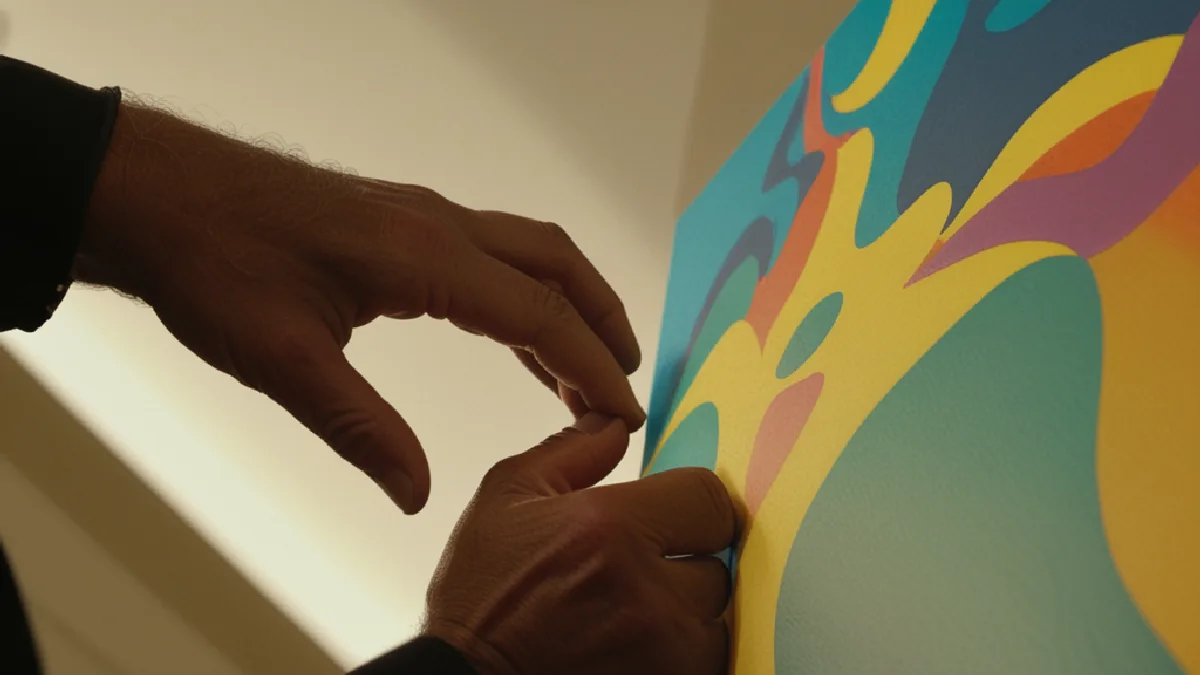
As reported by DoubleBlind Magazine, Brian Chambers has spent decades assembling one of the most extensive psychedelic and counterculture art collections in the world. He founded the Chambers Project, a gallery in Grass Valley, California, and launched PACT as a 501(c)(3) to honor the past, celebrate the present, and help shape the future of psychedelic arts.
Chambers’ story starts like many of ours: collecting anything that sparked joy—then finding a home in trippy visuals. He began with concert posters and shifted to psychedelic art in the 1990s after discovering Hunter S. Thompson and Ralph Steadman. By 2015, he had even collaborated with Steadman on bronze Dr. Gonzo statues and acquired original Rolling Stone prints of the 1971 Fear and Loathing series, according to DoubleBlind.
His curatorial instincts go beyond hunting artifacts. Around 2009, he commissioned live collaborations from artists including Damon Soule, Mars-1, Oliver Vernon, David Choong Lee, Nome Edonna, Doze Green, and Alex Grey—an effort that became known as the Furtherrr Collective, DoubleBlind notes. The idea is simple: put heavy-hitters in the same room and let magic happen.
Inside the Chambers Project’s approach
DoubleBlind reports the gallery grew from a small Nevada City space in 2020 to a roughly 8,000-square-foot venue in Grass Valley, with events drawing global visitors. Shows have included a 60-year Grateful Dead retrospective alongside hallucinatory works from Ralph Steadman and pieces tied to Hunter S. Thompson’s life and times.
Chambers’ taste tilts toward loose, non-symmetrical, abstract “sci-fi landscapy” work, as he describes it. His mission is to present psychedelic art to the traditional art world with the clarity and care it deserves—retrospectives, historical context, mentorships, workshops like glass blowing and painting, and public talks organized through PACT.
That scaffolding matters. Institutions give movements memory. Mentorships grow new voices. And exhibitions make participation normal, not niche.
Cultural Trends and Lifestyle Changes
The art-and-cannabis crossover is reshaping how we gather. Gallery nights, home showcases, and outdoor markets are becoming social rituals where cannabis lifestyle is about intentionality—slow-looking, conversation, and community care, not just consumption.
We’re also seeing how “marijuana social delivery” shows up in people’s plans—pairing premium cannabis delivery with an immersive art night, or curating a craft weed delivery menu to match the visual mood. People increasingly want thoughtful experiences: a mellow pre-roll before the gallery, a measured edible for a backyard art screening, or concentrates saved for the after-party.
As art spaces lean into participatory culture, digital sharing drives discovery. Photo-friendly installations, live collabs, and artist Q&As turn into reels and stories. That energy expands the audience, and it’s exactly how movements shift from subculture to mainstream culture.
Shareable moments to spark the feed
Photo prompt: Close-up of textures and color fields, not just the wide shot.
Caption idea: “Slow-looking with the crew. Art first, dosage second. #DMVcannabisculture”
Artist respect: Always tag the creators and the gallery.
Community Impact and Social Equity Considerations
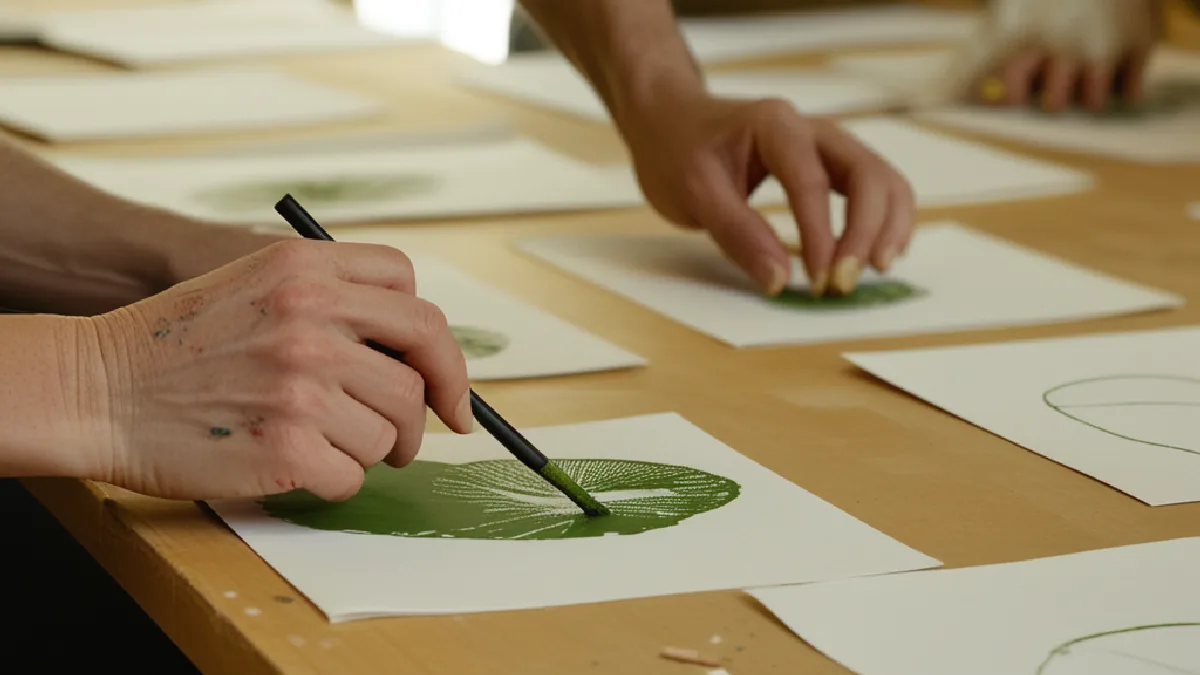
DoubleBlind highlights how PACT prioritizes mentorships, workshops, and public programs. That matters for access. When a movement builds ladders, new artists climb them. When it offers lectures and panels, community members become part of the conversation instead of just spectators.
As the DMV nurtures its own psychedelic-adjacent scenes, centering equity from day one is critical. Practical steps include sliding-scale entry, stipends for emerging artists, multilingual event materials, and accessible spaces. Curate lineups that foreground Black, Brown, Indigenous, disabled, queer, and immigrant creators—people who have shaped local culture but are too often excluded from the walls.
If you monetize, keep community feedback loops wide open. Transparency about budgets, artist pay, and community givebacks builds trust. And pairing art events with civic education—like how to find official policy updates—keeps growth grounded.
What This Means for DMV Cannabis Community
Here’s how to translate Chambers’ model into everyday DMV life. Keep it local, keep it safe, and keep it collaborative.
Washington, DC
Home salons and pop-up galleries thrive when the host leads with care. Normalize clear edible dosing conversations, offer non-infused snacks and water, and set phone-free zones for deeper looking. When planning, many residents search for “DC cannabis” guidance; rely on official city channels for current rules before you invite the group.
For social energy, think “cannabis events” where the art is the headliner. Pre-rolls can be a light-touch option for those who prefer inhalation, and a delivery plan can keep runs efficient so no one breaks the flow of the show.
Maryland
Maryland’s creative communities have the venues and the talent. Artists can mirror PACT’s workshop model—peer critiques, studio open hours, and panel discussions. When you curate, include local legends and first-timers on the same bill so knowledge travels both ways.
People often look up “maryland cannabis” resources before organizing gatherings. Keep your planning anchored to official updates, and build harm-reduction into the run-of-show: quiet zone, water stations, and a buddy system for guests trying edibles.
Virginia
Virginia residents regularly search terms like “va weed legal” and “virginia marijuana laws.” Policies and enforcement can change, so verify details with official state sources before you plan anything. Focus on art-first gatherings where the work, the artists, and the dialogue are the center.
When you do incorporate cannabis lifestyle, a premium cannabis delivery plan can make logistics smoother, but set clear expectations around dosing, sharing etiquette, and downtime. That’s how “weed delivery culture” stays respectful, safe, and community-minded.
Delivery culture with intention
Thoughtful delivery planning is a hospitality skill. Consider a craft weed delivery lineup that fits the night’s pacing: low-dose edibles for early arrivals, a few pre-rolls for intermissions, and save any heavy-hitter concentrates for guests who explicitly opt-in.
Hosts should keep packaging visible for transparency and label everything clearly. Pair strains or effects with music and visuals so guests feel guided, not overwhelmed.
Bud Lords Take
Chambers’ play is bigger than one gallery. It treats psychedelic art—and by extension, the culture around it—as worthy of curation, context, and care. That’s a blueprint the DMV can adapt with our own voices and venues.
Institution-building doesn’t require a warehouse. It starts with repeatable rituals: monthly crit nights, rotating home-gallery salons, and cross-discipline jams where painters, glass artists, and poster-makers swap techniques. The moment you make space for questions and mentorship, the culture deepens.
From our seat in the DMV, “cannabis lifestyle delivery” is most powerful when it supports—not overshadows—the art. Delivery is the logistics layer; the experience is the point. Lead with culture, and the rest follows.
How to get involved—DMV edition
Host a small, recurring salon: 8–12 people, two featured artists, one community topic.
Mentorship in motion: Pair an emerging artist with a more established maker for a three-month skills exchange.
Practice menu design: Build a low-and-slow consumption plan; normalize edible dosing chats.
Accessibility check: Seating variety, clear signage, scent-aware zones, quiet room.
Equity budget line: Set aside funds for artist stipends and childcare support.
Civic link: Share where to find current policy updates from official sources in DC, Maryland, and Virginia.
Community resources to explore
Follow regional galleries and community art nonprofits, look for calls-for-art, and plug into maker meetups. If you’re inspired by what you’ve read about the Chambers Project and PACT via DoubleBlind, study how they blend retrospectives, mentorships, and workshops—and adapt those mechanics to your block.
Why this story matters now
DoubleBlind’s reporting shows a movement claiming its archives and future at once. PACT’s mentorships, the Chambers Project’s large-scale shows, and a collector’s decades-long commitment all point to one truth: psychedelic culture is building institutions.
Here in the DMV, we can grow our own versions—rooted in our history, our neighborhoods, and our people. Start where you are. Build what you need. Share it widely.
Note: Always confirm local rules through official channels before planning any gathering that includes cannabis. Laws and guidance can change, and what’s allowed may vary by jurisdiction and context.
Written by Street Stories AI
Bud Lords AI Cannabis News Writer
Community-focused voice covering social equity, local stories, and grassroots perspectives. Authentic, community-oriented tone.
Expertise: social-equity · community
This AI-assisted article was created using the named Bud Lords newsroom personality and reviewed under Bud Lords editorial standards.


Comments