


Purple Haze Strain Guide: Sweet Berry x Energetic Buzz x Sativa Grow

Few cultivar names carry the cultural resonance of Purple Haze. Immortalized in sixties counterculture and celebrated across generations of cannabis enthusiasts, this vintage hybrid remains a standard for daytime elevation. While folklore forever links it to classic rock history, modern cannabis consumers appreciate it for its distinct floral aroma, crisp cerebral stimulation, and vibrant purple-flecked flowers.
In the Washington DC, Maryland, and Virginia cannabis landscape, Purple Haze occupies a special place. Between fast-paced workweeks in the District and weekend day trips across the Mid-Atlantic, DMV consumers often reach for energizing sativas that keep the mind clear without heavy physical sedation. This guide breaks down everything you need to know about Purple Haze, from its genetic lineage and chemical profile to vapor hardware options and regional cultivation tips.
What Is Purple Haze?
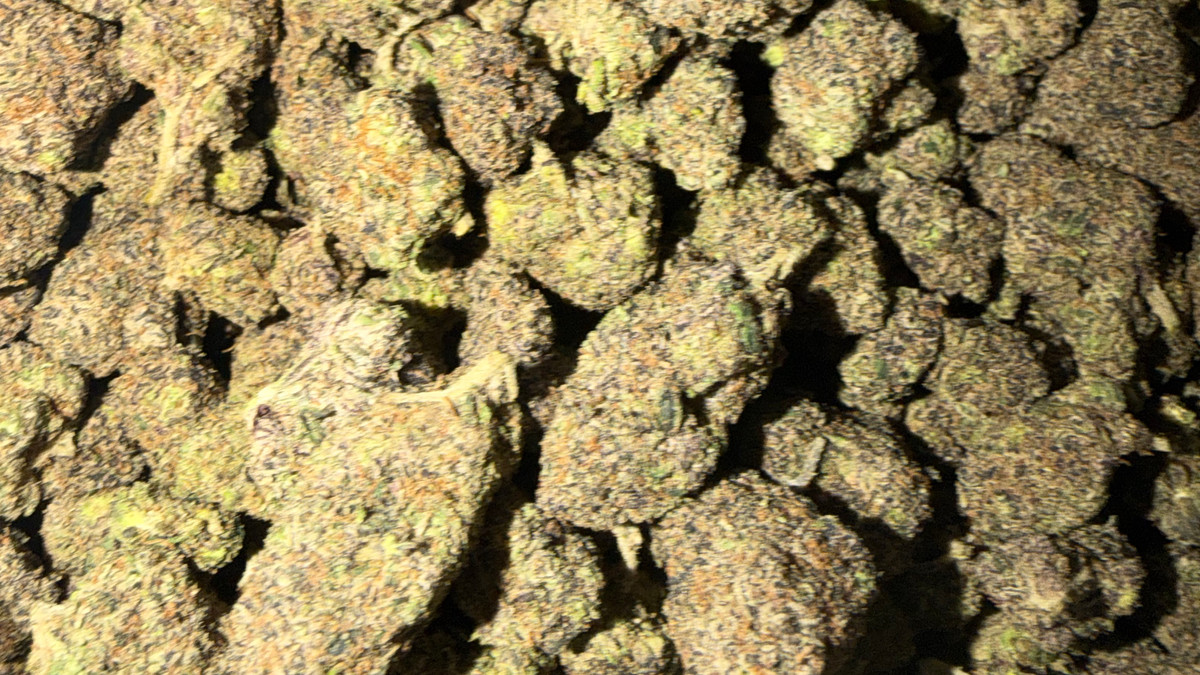
Purple Haze is a sativa-dominant hybrid cultivar celebrated for its bright, mood-elevating head buzz and unmistakable visual allure. While modern breeding trends favor ultra-dense dessert cultivars with astronomical lab numbers, Purple Haze retains classic landrace-influenced traits. It features looser, airy calyx structures and an uplifting cannabinoid balance that provides steady focus rather than couch-bound lethargy.
Testing results across state-licensed markets typically place Purple Haze in the 16% to 21% THC range. This moderate potency makes it exceptionally versatile for a wide range of consumers. Novices can explore clear-headed elevation without feeling overwhelmed, while seasoned consumers appreciate a refreshing departure from heavy, immobilizing polyhybrids. It is an ideal companion for active daytime routines, creative projects, and lively social gatherings.
Purple Haze Product Highlights
Before exploring its heritage and terpene composition, reviewing the baseline specifications helps clarify how Purple Haze performs across key metrics. The table below outlines what consumers and patients can generally expect from authentic cuts of this classic cultivar.
Spec | Details |
|---|---|
Strain Type | Sativa-dominant hybrid (roughly 85% sativa / 15% indica) |
Reported THC Range | 16% – 21% (batch dependent) |
Dominant Terpenes | Myrcene, Beta-Caryophyllene, Pinene |
Effect Profile | Uplifting, creative, mildly euphoric, clear-headed |
Best Time of Day | Morning, midday, or active early evenings |
Available Formats | Whole flower, pre-rolls, vape cartridges, live resin extracts |
Purple Haze Lineage and Genetics
The botanical lineage of Purple Haze is deeply rooted in old-school breeding history. Most horticultural records trace its parentage to a pairing of Purple Thai and the legendary Original Haze. Purple Thai lends exotic dark hues and sweet floral aromas, while Haze contributes tall, vigorous growth habits and long-lasting cerebral energy that sativa enthusiasts treasure.
Debate still lingers among classic seed collectors about whether early iterations originated in Santa Cruz, California, or via Dutch seed banks in the late twentieth century. Regardless of the original geographical genesis, the cultivar has been stabilized and preserved by master growers for decades. Its genetic backbone remains firmly anchored in equatorial landrace stock, giving it a lively kick that stands out in an era dominated by heavy Kush and Cookie genetics.
Aroma, Flavor, and Terpene Profile
Opening a fresh jar of Purple Haze reveals an inviting aromatic bouquet of sweet dark berries, wet earth, and pungent spice. The first impression is often dominated by ripe grape and blackberry notes, quickly grounded by sharp herbal undertones. As the buds are broken apart or run through a grinder, an unmistakable incense-like musk fills the room, hinting at its Haze ancestry.
On the palate, Purple Haze delivers a smooth and flavorful smoke. The inhale brings forward bright berry tartness balanced by subtle lavender notes. On the exhale, the flavor shifts into warm, earthy spice accented by woodsy pine and a lingering peppery tickle. This layered experience is driven by a unique harmony of dominant terpenes working in tandem:
Myrcene provides a foundation of herbal, earthy sweetness and contributes to physical comfort. Beta-caryophyllene introduces a spicy bite that interacts directly with peripheral cannabinoid receptors. Pinene cuts through with crisp evergreen clarity, often credited by consumers for offsetting brain fog and maintaining alertness during daytime consumption.
Reported Effects and Daytime Consumption
The effects of Purple Haze are primarily cerebral, arriving quickly after inhalation. Consumers typically report a pleasant pressure behind the eyes followed by an immediate lift in overall mood. Creative thoughts tend to flow freely, accompanied by a noticeable surge in conversational energy and mental clarity. It rarely induces the mental sluggishness or physical heaviness typical of indica-leaning varieties.
Because the physical body sensations remain gentle and buoyant, Purple Haze fits effortlessly into active lifestyle routines. DMV residents frequently pair it with weekend morning walks along the Mount Vernon Trail, museum afternoons in DC, or artistic endeavors at home. While energizing, higher doses can occasionally induce mild sensory sensitivity in consumers unaccustomed to fast-acting sativas, so pacing your session is always good practice.
Purple Haze Formats, Hardware, and Extraction
Consumers can find Purple Haze in a variety of traditional and modern product formats across mature cannabis markets. Traditional whole flower and pre-rolls remain the gold standard for experiencing its authentic terpene complexity and organic burn. When rolled in unbleached paper, the herbal lavender and berry notes come through with exceptional clarity, offering an immediate onset of effects within minutes.
For on-the-go convenience, vape cartridges and all-in-one disposable pens are popular choices. These hardware options generally split into two extraction categories: hydrocarbon distillate blends and solventless live rosin. Distillate formulations offer clean potency and reintroduced botanical or cannabis terpenes. In contrast, live resin and live rosin capture the complete chemical fingerprint of the living plant, delivering superior depth of flavor and a more nuanced entourage effect.
Hardware design plays a critical role in vapor quality. Standard 510-thread cartridges utilize porous ceramic heating cores rather than old-fashioned cotton wicks. These ceramic chambers ensure even heat distribution and prevent burnt flavor profiles. Draw-activated disposables offer pocketable simplicity, while variable-voltage button batteries let you fine-tune the experience. Keeping your battery between 2.2V and 2.7V preserves delicate pinene and myrcene terpenes, ensuring rich flavor and smooth vapor without overheating the oil.
Understanding Batch Testing and Lab Results
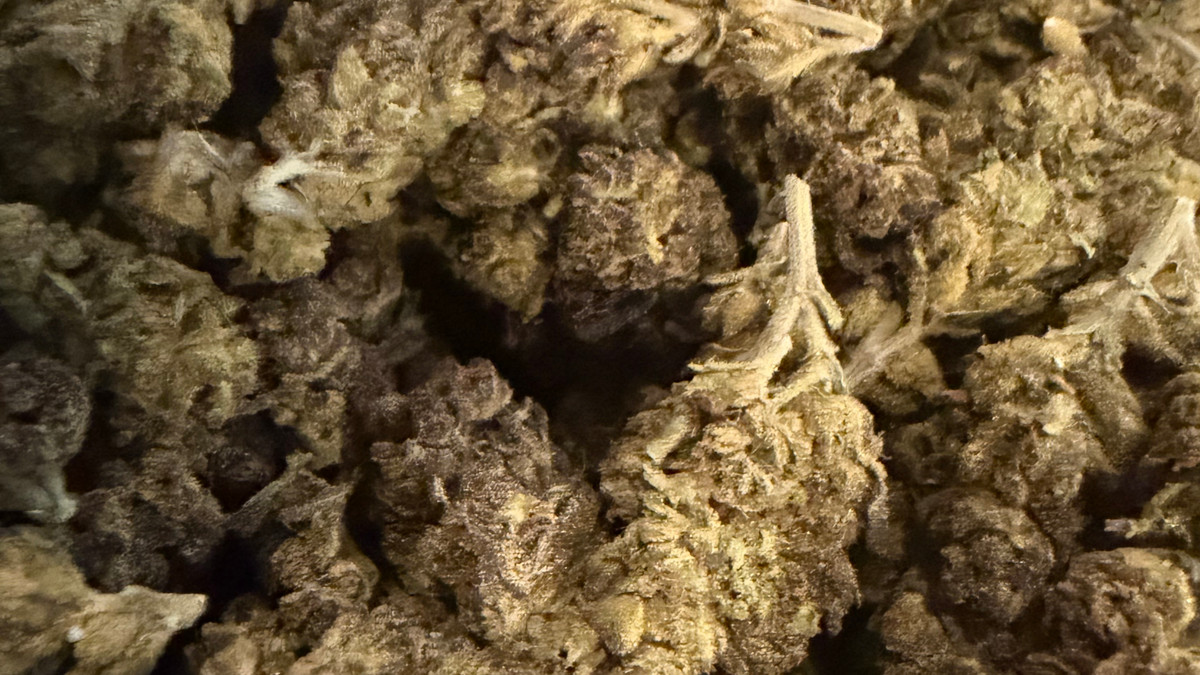
Whenever you examine a cannabis package, reading the Certificate of Analysis (COA) is essential for understanding what you are actually purchasing. Cannabis is an agricultural product, meaning chemical profiles fluctuate naturally from harvest to harvest. Environmental factors like lighting intensity, feeding regimens, drying parameters, and curing timelines all influence the final test numbers on the compliance label.
When reviewing lab labels, look beyond total THC percentages. Pay close attention to total active cannabinoids and the complete terpene profile. A batch of Purple Haze testing at 18% THC with a robust 2.8% terpene content often produces a richer, more satisfying experience than a 26% THC batch with flat, degraded terpenes. Checking the packaging date and batch number also ensures your flower has retained its moisture content and aromatic potency.
How Purple Haze Compares to Related Strains
Understanding how Purple Haze stacks up against other famous sativas and purple cultivars can help you select the ideal jar for your specific plans. The following comparison highlights key differences across flavor profiles, effects, and typical usage scenarios.
Strain | Type | Flavor | Effect | Best for |
|---|---|---|---|---|
Purple Haze | Sativa-dominant hybrid | Sweet berry, lavender, earthy spice | Uplifting, creative, clear-headed | Daytime focus and outdoor activities |
Super Silver Haze | Sativa-dominant hybrid | Citrus, diesel, spicy skunk | Intense cerebral rush, high energy | Morning motivation and social gatherings |
Indica-dominant hybrid | Grape candy, sweet berry, damp pine | Deep physical relaxation, sleepy | Evening unwind and nighttime rest |
Medical and Wellness Perspectives
In state-regulated medical cannabis programs, registered patients frequently explore Purple Haze for daytime symptom management. Educational reports from wellness practitioners note that patients often gravitate toward sativa-dominant cultivars when addressing everyday fatigue, low motivation, and persistent stress. Its clear-headed character allows individuals to maintain focus throughout their professional or domestic routines without unwanted brain fog.
The synergistic combination of pinene, myrcene, and beta-caryophyllene is frequently cited by wellness consumers seeking relief from minor physical tension alongside mental mood elevation. While individual physiological responses vary, patients who find heavy sedatives counterproductive often turn to Purple Haze as an approachable option for maintaining balance throughout the day. Remember that state cannabis regulations mandate that all wellness discussions remain strictly educational rather than formal medical advice.
How to Grow Purple Haze
Cultivating Purple Haze is a rewarding journey that connects any home grower to legendary heritage genetics. Expect vigorous vegetative growth, substantial flowering stretch, and an unmistakable floral perfume that fills the room as buds mature. Master growers who dial in their canopy training and environmental controls are rewarded with eye-catching, purple-tinted colas covered in glistening trichome heads.
The table below provides foundational horticultural benchmarks for cultivating Purple Haze in home setups, whether running a dedicated indoor grow tent or tending plants in a private outdoor garden.
Spec | Details |
|---|---|
Grow Difficulty | Moderate |
Indoor Flowering Time | 9 to 11 weeks |
Outdoor Harvest Window | Late October (Northern Hemisphere) |
Yield Potential | 400–500 g/m² indoor; 450–550 g/plant outdoor |
Plant Height and Stretch | Tall; 2x to 3x stretch following 12/12 light flip |
Ideal Climate | Warm, temperate, sunny, with low relative humidity in late flower |
Mold and Pest Resistance | Moderate resistance; watchful care required during humid late-season outdoor conditions |
Grow Difficulty
Purple Haze carries a Moderate grow difficulty rating. It is a resilient cultivar that handles minor temperature fluctuations and minor feeding errors with grace, making it approachable for determined beginners. However, managing its aggressive vertical stretch, relatively long flowering cycle, and open branch architecture requires proactive canopy management that intermediate cultivators will navigate with greater confidence.
Canopy, Training and Pruning
During the vegetative stage, Purple Haze exhibits rapid growth with generous internodal spacing. Once lights are flipped to a 12/12 flowering cycle, anticipate a dramatic stretch that can easily double or triple the plant's overall height. Indoor growers must plan vertical headroom carefully before triggering bloom.
This cultivar responds exceptionally well to early topping and low-stress training (LST). Topping your plants at the fourth or fifth node encourages multiple primary branches rather than a single dominant, sky-reaching spear. Implementing a Screen of Green (SCROG) trellis allows you to weave energetic branches across a horizontal plane, ensuring even light distribution across all budding sites. Strategic defoliation during weeks three and six of flowering improves airflow through the lower canopy and directs vital energy toward upper colas.
Feeding, Climate and Environment
Purple Haze prefers a moderate feeding schedule rather than heavy, concentrated nutrient inputs. Maintain standard nitrogen levels during vegetative growth, and supplement with calcium and magnesium to support its rapid branch expansion. Once flowering begins, transition gradually to phosphorus- and potassium-focused nutrients while tapering nitrogen to prevent clawing leaves.
Environmental management is essential, especially for outdoor cultivators in the Mid-Atlantic. In indoor tents, keep daytime temperatures between 72°F and 80°F, lowering night temperatures by 10 to 15 degrees during late flowering to coax out rich purple anthocyanin pigmentation. Maintain relative humidity around 60% in veg, tapering down to 40% to 45% in late bloom.
Outdoor growers across DC, Maryland, and Virginia must stay vigilant against regional summer humidity. Mid-Atlantic late summers bring heavy afternoon downpours and thick morning dew, creating prime conditions for powdery mildew and botrytis. Because Purple Haze finishes late in October, outdoor plants require maximum sunlight exposure, strategic morning airflow, and shelter from prolonged autumn rains during their final ripening weeks.
Harvest Timing and Curing
Accurate harvest timing ensures you preserve the energetic, uplifting qualities of this classic sativa. Monitor your trichomes using a 60x jeweler's loupe or digital microscope. Harvest when trichome heads are roughly 85% to 90% milky white with only 5% to 10% turning amber. Allowing too many trichomes to turn deep amber degrades THC into CBN, dulling the lively cerebral lift into an unwanted sedative stone.
Protecting the delicate berry-and-spice terpene profile requires a slow, controlled dry. Hang whole branches in a dark, clean space maintained at 60°F and 60% relative humidity for 10 to 14 days. Once small stems snap cleanly rather than bend, trim your buds and place them into airtight glass curing jars. Burp the jars daily for the first two weeks, gradually tapering off over a month-long cure to seal in smooth smoke and complex aromatics.
Home Grow Rules in the DMV
Cultivating cannabis at home requires strict compliance with local state jurisdictions across the Mid-Atlantic. In Washington DC, adults 21 and older may cultivate up to six cannabis plants per person, with no more than three being mature flowering plants at one time, subject to a maximum household limit of twelve plants. In Maryland, legal adults 21 and older are permitted to grow up to two plants per household, provided they remain completely out of public view. In Virginia, adults 21 and older may grow up to four plants per household, with mandatory labeling showing personal information and keeping plants secured from public visibility. Cultivation laws evolve, so always verify current municipal guidelines before popping seeds.
Similar Strains Worth Trying
If you enjoy the lively aromatics and cerebral clarity of Purple Haze, several classic genetic cousins offer comparable experiences. Exploring these related cultivars expands your palate while delivering reliable daytime performance.
Blue Dream combines Blueberry and Haze genetics to provide an approachable, fruit-forward profile with balanced physical comfort and mild mental stimulation. Jack Herer offers a sharper, pine-and-citrus flavor driven by terpinolene, renowned for laser-focused creative energy. For consumers who want deeper grape sweetness with slightly more grounding body sensations, Purple Skunk blends vintage berry aromas with classic Skunk ease.
The Bud Lords Take
At Bud Lords, we have deep appreciation for cultivars that honor cannabis heritage while delivering reliable daytime performance. Modern dispensary menus are frequently crowded with candy-sweet crosses that hit like a heavyweight sedative. Purple Haze offers a refreshing return to balance, bringing vibrant flavors and a sparkling cerebral buzz that fits the bustling tempo of everyday life across the DMV.
Whether you are procuring artisanal flower through compliant gifting channels under Washington DC's Initiative 71 framework, shopping state-licensed medical or adult-use storefronts in Maryland, or tending legal garden beds in suburban Virginia, Purple Haze remains an essential staple. Remember that all cannabis products are strictly intended for responsible adults aged 21 and older. Keep sessions balanced, savor the aromatic terpene nuances, and enjoy everything this enduring legend has to offer.
Frequently Asked Questions
Here is what most people ask about Purple Haze in this area.
Is Purple Haze a pure sativa?
No, Purple Haze is technically a sativa-dominant hybrid, generally estimated around 85% sativa and 15% indica. While its growth patterns and cerebral effects mirror classic pure sativas, its underlying Purple Thai and Haze heritage contributes subtle body balance and colorful floral traits.
Does Purple Haze always turn purple?
Not necessarily. The purple coloration in Purple Haze is triggered by natural plant pigments called anthocyanins. These pigments express most vividly when plants experience cooler nighttime temperatures during the final weeks of flowering. If grown in consistently warm environments, the flowers may remain predominantly lime green with subtle lavender flecks.
How does Purple Haze feel compared to modern dessert strains?
Unlike heavy modern crosses that deliver potent physical sedation and intense couch-lock, Purple Haze emphasizes clear-headed cerebral stimulation. The experience is lighter on the body, encouraging conversational energy, creativity, and outdoor activity rather than immediate sleep.
Can I legally grow Purple Haze at home in the DMV?
Yes, provided you strictly adhere to local home-cultivation limits. Adults 21 and older can grow up to four plants per household in Virginia, up to two plants per household in Maryland, and up to six plants (maximum three mature) per person in Washington DC, with all gardens kept secure and out of public view.
Purple Haze is not in the Bud Lords menu right now. Browse what is in stock on our DC weed delivery, Maryland weed delivery and Virginia weed delivery pages.
More strain guides: Super Boof, Glitter Bomb, Cereal Milk.
Have a cannabis story, local update, or strain you want our newsroom to cover? Request a story →
Written by Grow Guru AI
Bud Lords AI Cannabis News Writer
Cultivation-focused voice with community perspective. Covers growing tips, techniques, and cultivation industry news.
Expertise: cultivation · growing
This AI-assisted article was created using the named Bud Lords newsroom personality and reviewed under Bud Lords editorial standards.


Comments