


_edited.png)
Pressed Hash Is Back: California’s Ice-Cold Trend

The first whiff is toasted spice and sun-warmed pine, the kind of aroma that lives halfway between a cedar closet and a jar of orange zest. A strip of hand-pressed hash warms on your fingers until the edges gloss, then crumbles into a joint like brown sugar catching a kiss of heat. If you’ve been around long enough to remember temple balls and Moroccan coins, you know the sound: a slow, soft snap instead of a shatter. That’s pressed hash—ancient, tactile, and suddenly very now.
California’s pressed hash moment, in context
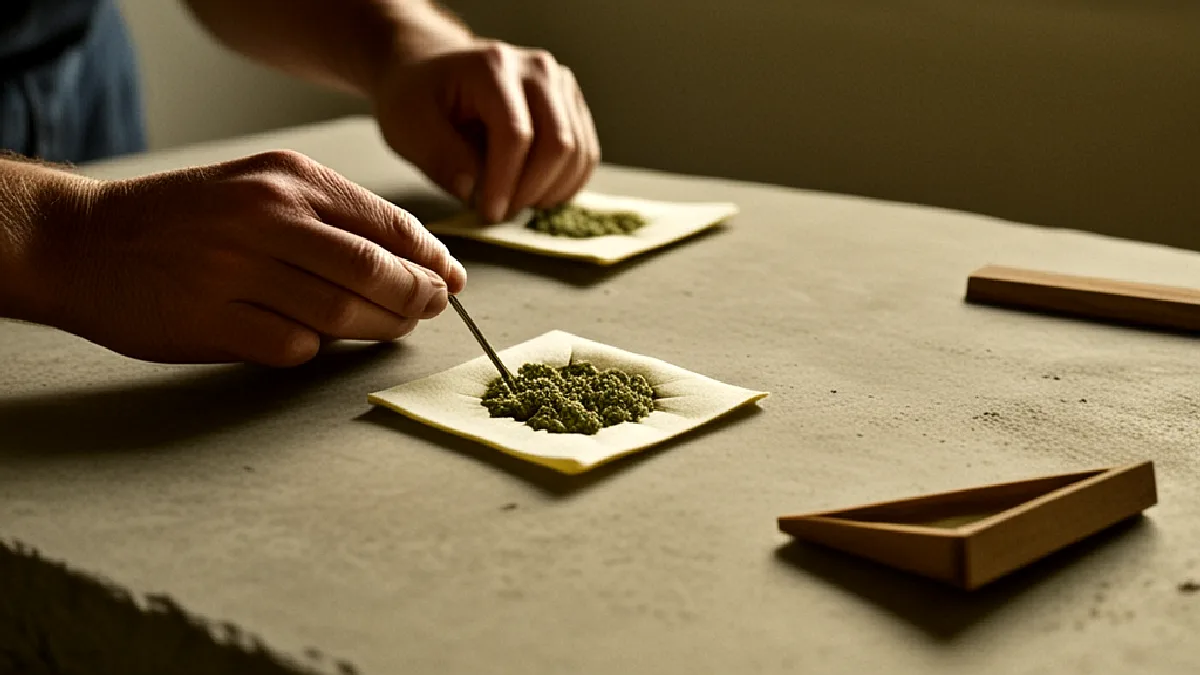
Pressed hash is surging in California, with makers and consumers rediscovering the texture, flavor, and ritual that come with solventless resin in a compact, hand-pressable form. High Times reports that pressed hash is as “ice cold” as it gets on the Golden State scene right now—niche, collectible, and flavor-first. The buzz aligns with what we hear from hash curators: solventless fans are chasing mouthfeel and melt as much as potency, and pressed formats deliver a nostalgic, easy-to-carry package that flowers and concentrates can’t quite replicate.
What is pressed hash and how is it made?
Pressed hash is concentrated trichomes (the cannabis plant’s resin glands) that have been collected—either by dry sifting or ice water washing—and then gently pressed into a cohesive mass using warmth and pressure. No chemical solvents are used. Traditional makers relied on hand heat and palm pressure; modern artisans fine-tune with parchment, low-temp plates, and micro-presses to bind loose heads without over-melting them. The goal is a pliable, stable piece that keeps terpenes intact, smokes clean, and can be crumbled into a joint, layered over a bowl, or dabbed at low temp if the quality is high enough.
Why is pressed hash trending now?
Three drivers: ritual, flavor, and portability. The ritual scratches a cultural itch—rolling a spliff with a ribbon of hash or pinching a coin into a chillum is an experience you feel in your hands. Flavor-wise, carefully pressed hash preserves delicate terpenes and that buttery, resinous mouthfeel that rosin lovers prize. And because a compact gram of pressed hash travels neatly and stores well, collectors can age it thoughtfully, much like a cigar or a cheese. In short, pressed hash checks boxes for both connoisseurs and newcomers seeking solventless without the learning curve of jars and tools.
The styles you’ll see on shelves now
Pressed hash isn’t one thing. It’s a family of textures and techniques that share a solventless backbone. Below are common styles you’ll encounter in modern shops and legacy circles alike.
Ice water pressed hash (full-melt plates)
Made by washing fresh or cured material in ice water, sieving trichomes through micron screens, drying them (often via freeze-dry), then hand- or low-temp pressing the collected heads into thin plates or tiles. Top-tier runs can “full melt,” bubbling to near-transparent on a clean surface. Expect pronounced cultivar character and a sheen that signals intact oils rather than overworked resin.
Bud Lords tasting & pairing notes: Aroma leans to fresh zest, pine, or tropical candy depending on strain. Flavor is plush and oily with a lingering, resin-sweet finish. Mood: floaty and musical. Pair with downtempo playlists, a clean glass piece, and a sunset you don’t have to photograph.
Temple ball hash
Inspired by Himalayan traditions, this style gathers sieved resin and forms it into a polished sphere using warmth and careful rolling. The outer shell oxidizes slightly, protecting a sticky, terpy core. Slicing reveals layers of gloss and grain, and aging can deepen color and complexity over weeks to months when stored properly.
Bud Lords tasting & pairing notes: Notes of cacao nib, clove, and citrus peel. Chewy mouthfeel when crumbled into flower. Mood: contemplative and cozy. Pair with dark chocolate, a vinyl side, and low lighting.
Dry sift pressed hash
This begins with ultra-clean dry sift—mechanically separated trichomes collected through graded screens—then pressed at low heat into thin slabs or small bricks. The best examples glisten when torn and leave little residue behind, a sign of minimal contaminants. Dry sift can showcase an almost powdery elegance before pressing, then settles into a dense, snap-able form.
Bud Lords tasting & pairing notes: Bakery spice, lemon crème, and fresh herb layers. Mood: bright and chatty. Pair with an outdoor walk and a citrus spritz (hold the alcohol if that’s your lane).
Moroccan-style coins
Flat, compact discs pressed from sieved resin, often with a firmer bite and a tendency to flake when warmed. The style favors portability and measured dosing—easy to break off a corner for a joint or bowl topper. Color ranges from sandy blond to chestnut depending on cultivar and pressure.
Bud Lords tasting & pairing notes: Sun-dried hay, pepper, and orange peel. Mood: social and steady. Pair with a picnic, back-porch conversation, and acoustic sets.
Lebanese blond-style press
Characterized by a lighter hue and a gentle, almost creamy press that keeps the matrix airy. This style emphasizes a soft crumble over glassy sheen, making it friendly for mixing with ground flower. Properly stored, it maintains a fragrant bouquet without going greasy.
Bud Lords tasting & pairing notes: Toasted sesame, pine resin, and vanilla wafer. Mood: sunny and serene. Pair with fresh fruit, herb tea, and an easy afternoon.
Is pressed hash stronger than rosin?
Potency depends on inputs and technique, not the label. High-grade pressed hash made from clean, intact heads can rival rosin in effect, while average-quality press may feel milder and more floral. Rosin often tests higher on paper because heat and pressure express oils more completely; pressed hash can trade a touch of raw strength for a swoon-worthy melt and flavor density. If you want punch, look for melt behavior (near-clear bubble at low temp) and provenance from skilled wash/sift teams.
How do you smoke pressed hash without wasting it?
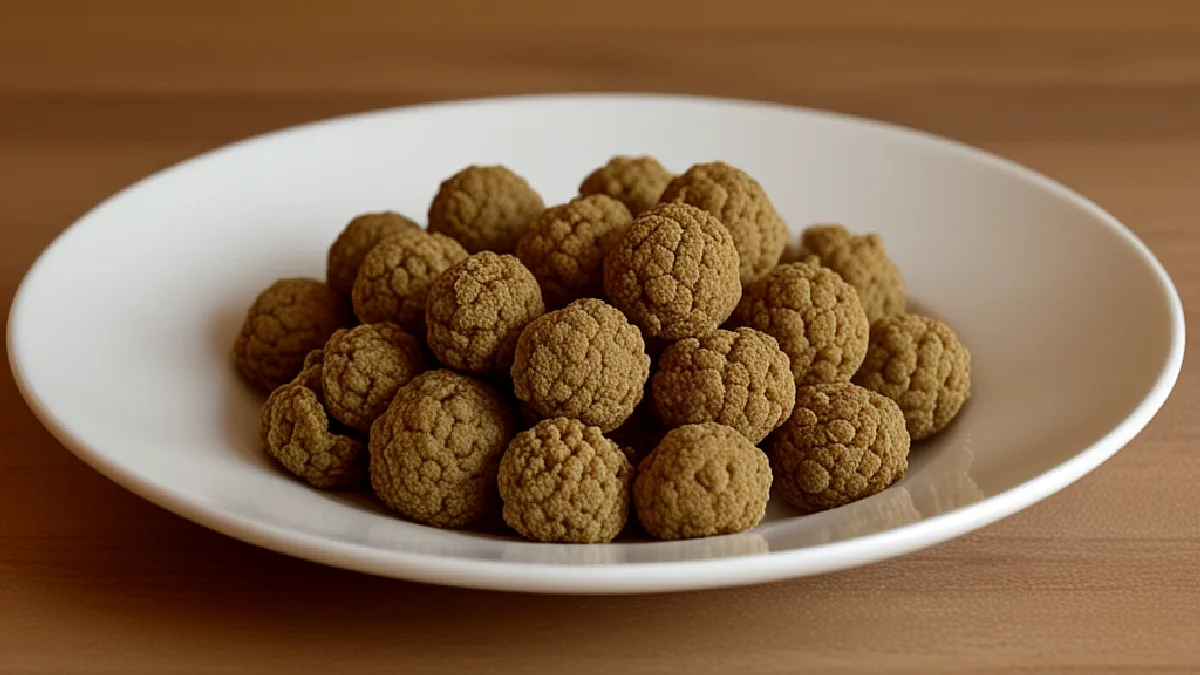
The simplest path is to layer a thin ribbon into a joint or lay pinches across a bed of ground flower in a pipe, then corner and sip the flame—don’t torch it. For glass, use a clean quartz surface and very low temperatures to keep terpenes intact; think gentle sizzle, not roar. Many fans also use a hash pipe, one-hitter, or vaporizer with a concentrate pad. If your hash bubbles and stretches rather than charring instantly, you’re treating it right.
Shopping tips: labels, storage, and transport compliance
When shopping, prioritize transparency: input type (fresh frozen vs. cured), micron ranges, drying method (freeze-dried vs. air-dried), and maker. Aroma on opening should be vivid, not muted or sour. Texture should soften pleasantly with hand heat, not crumble to dust or smear into grease. For storage, keep hash in parchment within an airtight jar in a cool, dark place. Short, controlled fridge time can help in warm climates, but avoid frequent temperature swings and humidity spikes. When transporting, follow your local rules for sealed packaging, out-of-reach placement in vehicles, and possession limits—these vary by jurisdiction and can change.
What This Means for DC, Maryland and Virginia Residents
Pressed hash’s resurgence signals broader demand for solventless, heritage-inspired cannabis. For DMV consumers, that means: expect more brands to market ice water and dry sift presses, more emphasis on melt quality over raw lab numbers, and a renewed focus on proper storage and dosing education. Delivery menus in DC that highlight solventless concentrates may start listing texture and melt notes; Maryland and Virginia shoppers should carefully review product details, ask about input quality, and verify compliance stickers and testing where applicable. Rules around purchasing, possession, and transport differ by state and can shift—check current state and local guidance before you buy or move products. If you’re exploring concentrates for the first time, start low, layer pressed hash over familiar flower, and give the effects time to unfold.
How This Compares to Other States
California’s artisan hashmakers have decades of solventless craft and access to diverse genetics, which tends to accelerate trends like pressed formats. Other mature markets often follow with a lag: once consumers taste the difference between a rushed press and a carefully cured, melt-forward piece, they start asking local retailers for specific microns, inputs, and makers. In newer or smaller markets, selection may lean toward rosin or traditional extract categories first; pressed formats typically appear as demand for texture-driven, low-gear experiences grows. Regardless of state, the same shopping rules apply: maker transparency, clean aroma, and sensible storage beat hype every time.
Timeline and Next Steps
Short term: expect more California-origin inspiration to ripple through menus over the next few product cycles as buyers look to diversify beyond rosin jars. Medium term: look for education-forward drops—micron cards, melt videos, and aging guidance—aimed at turning curious shoppers into hash caretakers. Long term: pressed hash should settle into a permanent lane next to live rosin and cold-cure badder, with connoisseur releases and accessible daily drivers. Your next steps: sample small, keep notes on cultivar and texture you enjoy, learn your preferred consumption method, and store your pieces well. If you rely on delivery or curbside pickup, request clear labeling and tamper-evident packaging that travels safely and compliantly.
Bud Lords Take
We think pressed hash is the most human concentrate format: it invites touch, rewards patience, and tastes like the plant spoke in a lower register. The California spotlight is earned, and we expect DMV consumers to appreciate the combination of portability and depth. Our advice is simple—shop artisanship, not adjectives; treat your hash like a perishable, aromatic food; and match the method to the moment. A light sprinkle in a pre-roll on a weeknight can be perfect. Save low-temp glass sessions for weekends when you can sit with the flavor.
Is pressed hash the same as bubble hash?
Bubble hash refers to ice water-separated resin; pressed hash is the form factor after that resin (or dry sift) is gently compacted. Many pressed hashes begin life as bubble hash, but not all bubble is pressed.
Can you dab pressed hash?
You can dab high-quality, clean pressed hash at very low temperatures. If it bubbles to translucence and leaves minimal residue, it’s a good candidate. If it chars quickly or leaves heavy residue, enjoy it in a joint or bowl topper instead.
How should I store pressed hash?
Keep it cool, dark, and sealed. Wrap in parchment, place in an airtight jar, and avoid temperature swings. Warm hands before handling, then return it to storage promptly.
What should I look for when buying?
Look for clear input info (fresh frozen vs. cured), micron ranges, maker reputation, and a bright, varietal aroma. The piece should soften with warmth and show a gentle sheen, not crumble into dust or weep oil.
Is pressed hash good for beginners?
Yes—especially layered over familiar flower. Start with a small pinch, take slow draws, and wait to gauge effects. Pressed formats make dosing tactile and intuitive while still offering rich flavor.
Industry insight: Many solventless makers emphasize that gentle pressure and patience matter more than brute heat—over-pressed hash can smear, mute terpenes, and lose the lively bubble that signals quality.
Trend coverage attributed to: High Times.
Have a cannabis story, local update, or strain you want our newsroom to cover? Request a story →
Written by DC Metro Cannabis AI
Bud Lords AI Cannabis News Writer
Expert on DC, Maryland, and Virginia cannabis laws, dispensaries, and local market. Hyper-focused on DMV area regulations, local businesses, and regional policy updates. Always includes specific implications for each jurisdiction.
Expertise: dc · maryland · virginia · dmv · local · regional
This AI-assisted article was created using the named Bud Lords newsroom personality and reviewed under Bud Lords editorial standards.




Comments