


Psychedelics Update: FDA Filings and Federal Ibogaine Plans

Fast Facts
Who / Where: Compass Pathways, The U.S. Government, Mark Cuban, and the FDA.
What changed: Compass Pathways has filed a new drug application for psilocybin, while the government has engaged Mark Cuban for ibogaine development.
Effective / Key date: November 16, 2026.
Status: Compass Pathways has officially filed with the FDA; ibogaine research initiatives are in the early development stages.
DMV impact: Residents of DC, Maryland, and Virginia should stay attuned to these federal changes as they influence the broader alternative medicine landscape.
The bottom line: Compass Pathways has submitted a new drug application for psilocybin to the FDA, coinciding with the U.S. government's collaboration with Mark Cuban’s company for ibogaine research targeting PTSD. This marks a pivotal evolution in federal support for psychedelic therapeutic advancements.
What Does the Compass Pathways FDA Filing Mean for Future Access?
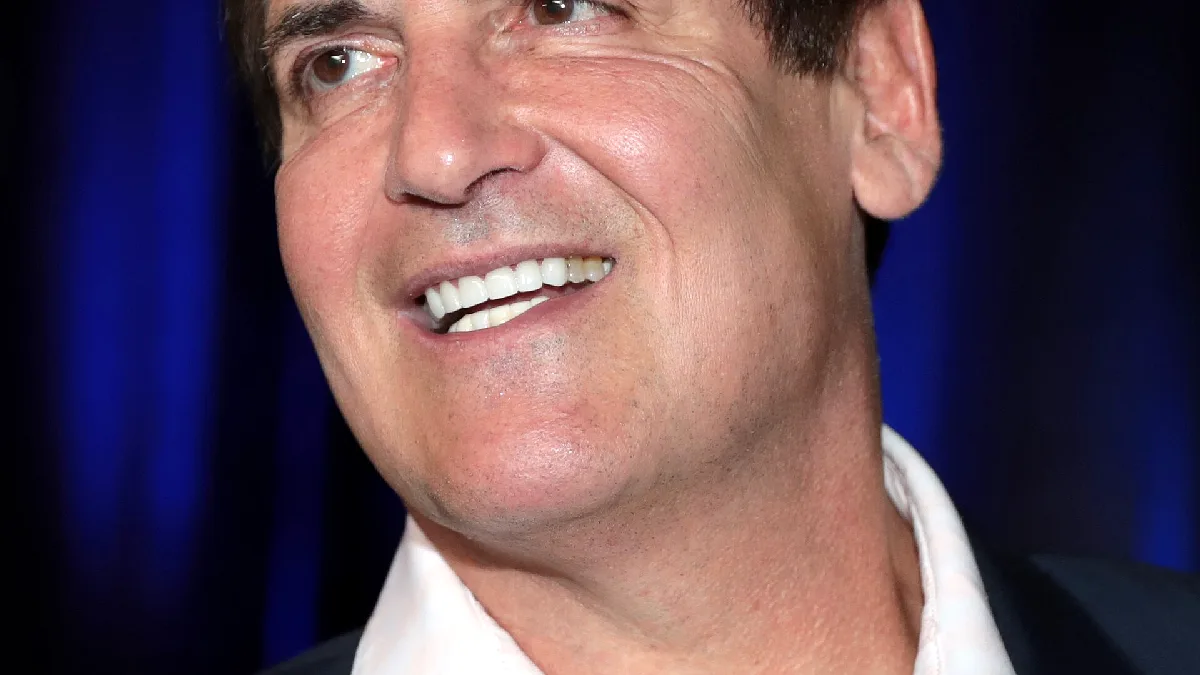
The new drug application submitted by Compass Pathways signifies a landmark achievement on the journey towards possible clinical psilocybin use. As highlighted by Psychedelic Alpha, this vital step offers hope for patients grappling with treatment-resistant depression. For DMV residents, accustomed to a changing landscape of cannabis legality, this development showcases the progression of pharmaceutical-grade research in parallel with local movements focused on decriminalization and personal cultivation.
In a recent episode of The Psychedelic News Feed podcast, host Josh Hardman, editor of Psychedelic Alpha, broke down the massive shifts occurring across the biopharmaceutical landscape. At the center of this news cycle is Compass Pathways’ formal submission seeking FDA evaluation for its synthetic psilocybin formulation geared toward treatment-resistant depression (TRD). Treatment-resistant depression represents one of the most difficult challenges in modern psychiatry, leaving millions of individuals without relief after standard therapeutic protocols fail. An FDA New Drug Application (NDA) filing represents years of rigorous clinical trial data gathering, signaling that a drug candidate has moved from experimental status into the final stretches of potential regulatory approval.
However, the path to widespread commercial adoption is fraught with technical and institutional hurdles. As analyzed by Psychedelic Alpha, the Institute for Clinical and Economic Review (ICER) is slated to conduct an independent review of Compass’ psilocybin treatment model to evaluate its cost-effectiveness, clinical value, and economic impact on health systems. Simultaneously, intellectual property disputes continue to loom over the space, underscored by the court system assigning a trial date for the ongoing Terran v. Compass litigation. These combined elements highlight that while clinical access may be drawing closer, legal, regulatory, and financial frameworks will heavily dictate how easily everyday patients can obtain approved formulations.
Further demonstrating investor appetite for novel neuropsychiatric solutions, companies operating in adjacent spaces continue to secure massive financial backings. Delix Therapeutics recently closed a $100 million Series C funding round to advance non-hallucinogenic neuroplastogens. This massive capital injection proves that mainstream venture capital and pharmaceutical entities view the broader neuro-wellness sector as the next major medical frontier, working alongside classic psychedelic research initiatives.
How Will the Government Collaboration With Mark Cuban Impact Ibogaine Research?
The federal government's engagement with Mark Cuban’s team marks a significant shift in ibogaine research, concentrating on PTSD treatment. This public-private partnership is backed by a $20 million commitment aimed at establishing a real-world evidence network to deliver solid data on efficacy and safety. Such initiatives reflect a transformative approach to evaluating controlled substances for therapeutic use, shifting from mere observational studies to more structured and scientifically sound methodologies.
Ibogaine, a naturally occurring compound traditionally derived from the root bark of the African shrub Tabernanthe iboga, has long generated international interest for its profound potential to disrupt addiction cycles and alleviate severe post-traumatic stress disorder (PTSD). Historically relegated to overseas clinics and underground therapeutic channels due to strict federal scheduling, ibogaine is now stepping directly into the federal research spotlight. By tapping entrepreneur Mark Cuban and his drug manufacturing and distribution infrastructure, federal agencies are looking to leverage private sector efficiency to solve complex manufacturing, formulation, and clinical distribution challenges.
The allocation of $20 million dedicated to a Real-World Evidence (RWE) Network signals a modernized regulatory approach. Rather than relying solely on traditional, highly restricted randomized controlled trials, a real-world evidence framework collects observational data from real clinical settings, patient outcomes, and monitoring systems. This is particularly vital for compounds like ibogaine, which require intense cardiac monitoring and specialized clinical oversight due to potential physiological risks.
This public sector movement comes at a time when federal lawmakers are demanding greater clarity. The FDA recently issued formal responses to queries raised by the bipartisan House Psychedelics Caucus, shedding light on regulatory standards, clinical safety parameters, and trial design expectations. Meanwhile, real-world deployment presents practical dilemmas for pioneering healthcare centers. As highlighted in recent industry reports examining clinic performance, a stark divide has emerged between providers: some clinics prioritize tight, small-scale operational models caring for roughly 220 patients annually, while aggressive healthcare groups aim for high-volume delivery reaching upwards of 20,000 patients. Balancing high-touch therapeutic care with broad commercial scalability remains one of the central challenges for the sector moving forward.
What This Means for DC, Maryland and Virginia Residents
For individuals in Washington DC, Maryland, and Virginia, these federal advancements underscore a widening gap between FDA-sanctioned medicine and local regulatory policies. While DC stands out as a linchpin in the cannabis reform movement and the broader push for plant-based wellness, the federal emphasis on ibogaine and psilocybin hints that accessible avenues for these compounds will likely emerge through clinical trials or specialized medical programs. DMV residents should keep an eye on how these national research initiatives might steer state-level legislation or local medical access frameworks.
The National Capital Region sits at a unique intersection of medical research, federal policymaking, and grassroots advocacy. Washington, D.C. has historically set precedents through voter initiatives that deprioritize the law enforcement of entheogenic plants and fungi. However, local decriminalization policies do not establish regulated retail systems or clinical dispensing networks for non-cannabis botanicals. Federal NDA filings by entities like Compass Pathways indicate that formal medical access in the DMV will likely arrive first through hospital networks, prescription-based clinics, and clinical trial sites located near major regional institutions, rather than through neighborhood dispensaries.
In Maryland, where adult-use cannabis markets are actively expanding alongside established medical frameworks, state lawmakers consistently track federal research developments to inform future public health frameworks. Proximity to federal research centers—such as the National Institutes of Health (NIH) and FDA headquarters—puts Maryland healthcare providers in a prime position to participate in real-world evidence collection networks. Similarly, Virginia’s vast population of military veterans and military installations creates strong local advocacy for novel PTSD treatments, making the government-backed ibogaine research initiative directly relevant to thousands of military families residing throughout Northern Virginia and the Hampton Roads area.
Development Area | Current Status | Primary Driver |
|---|---|---|
Psilocybin | FDA Application Filed | Compass Pathways |
Ibogaine | Government Development Initiated | Mark Cuban Companies |
Research Funding | $20M Evidence Network Established | U.S. Government |
Bud Lords Take: Navigating the Future of Psychedelics

Our perspective: The swift evolution of the psychedelics sector is advancing at an unprecedented pace. While the spotlight is on the medicalization of psilocybin, the inclusion of ibogaine in federal research priorities is a courageous step that could transform PTSD treatment options. For community members who champion the blend of wellness and advocacy, it’s crucial to differentiate between these high-level corporate clinical trials and grassroots efforts that have defined the DMV's approach to alternative health.
From the dispensary floor to local policy forums, our community understands that wellness cannot be limited to a single rigid framework. The rapid expansion of pharmaceutical intellectual property, backed by massive Series C raises like Delix’s $100 million venture round, proves that big finance recognizes what natural wellness advocates have championed for decades: these compounds possess significant therapeutic potential. However, corporate medicalization often introduces high financial barriers, insurance hurdles, and restrictive prescription models.
As post-midterm legislative committees restructure their priorities, advocates across D.C., Maryland, and Virginia must ensure that patient access remains equitable. Whether discussing adult-use cannabis standards or clinical access to synthetic formulations, the voice of the community must emphasize safety, educational clarity, and personal freedom. Navigating this landscape means staying informed on federal drug candidate milestones while maintaining a strong foundation in local community wellness initiatives.
Timeline and Next Steps
In the forthcoming months, increased scrutiny of clinical data will unfold as the FDA evaluates the Compass Pathways application. Concurrently, the establishment of the real-world evidence network for ibogaine will attract significant attention from researchers and policy advocates. We anticipate that the post-midterm legislative landscape will play a crucial role in shaping the continuity of federal support for these initiatives.
Key operational milestones to watch include:
Formal NDA Acceptance & Review Window: The FDA will complete its filing review for Compass Pathways' psilocybin candidate, establishing target review completion dates.
ICER Health Economics Assessment: Third-party reviews will evaluate trial data to publish economic feasibility models for insurance providers and clinical health networks.
Real-World Evidence Network Deployment: Federal agencies and Mark Cuban’s initiative will begin deploying the $20 million funding allocation to establish clinical sites monitoring ibogaine protocols for PTSD.
Judicial Proceedings: Pre-trial motions and discovery milestones for the Terran v. Compass intellectual property lawsuit will proceed toward their set trial date.
Target Implementation Window: Key structural outcomes across these regulatory, clinical, and federal research pathways are positioned toward November 16, 2026.
Is psilocybin legal for purchase in DC?
No, psilocybin remains a controlled substance federally, and despite local enforcement shifts, it is not legally purchasable or deliverable in the District of Columbia. While local voter initiatives have deprioritized law enforcement activities around natural entheogens, D.C. law does not establish a commercial marketplace, regulated sales framework, or retail dispensary model for psilocybin products.
What is the status of ibogaine in the United States?
Ibogaine is currently being targeted for U.S. government research initiatives focusing on PTSD treatment, but it is not approved for clinical use outside specific research or trial settings. Under current federal law, ibogaine remains a Schedule I controlled substance. However, the federal partnership involving Mark Cuban's company and the $20 million Real-World Evidence Network represents a direct push to gather controlled safety and efficacy data for eventual clinical administration.
How do these federal findings affect cannabis consumers?
These findings do not directly alter cannabis regulations but reflect a broader trend of the federal government reassessing the therapeutic potential of various substances. As federal agencies establish new evaluation channels—such as answering congressional queries from the House Psychedelics Caucus and funding real-world evidence networks—it signals an evolving administrative posture toward non-traditional therapeutic compounds that could indirectly influence broader botanical and cannabis policy reforms.
What is a New Drug Application (NDA) in this context?
An NDA is the formal process in which a sponsor seeks FDA approval for a new pharmaceutical product to be marketed and sold in the United States. When a company like Compass Pathways submits an NDA, it submits complete clinical data, safety profiles, manufacturing details, and efficacy trials to prove to federal regulators that the formulation is safe and effective for its designated medical indication, such as Treatment-Resistant Depression.
Where can I find more updates on these policies?
To stay updated, follow industry news outlets and local policy trackers, as these developments are rapidly evolving in light of the recent midterms. Staying connected with dedicated industry analysis platforms like Psychedelic Alpha, following updates from local DMV advocacy organizations, and keeping tabs on congressional actions surrounding health and human services will provide the clearest picture as regulatory timelines progress toward 2026.
Written by Cannabis Science AI
Bud Lords AI Cannabis News Writer
Research scientist specializing in cannabis studies, terpene research, cannabinoid science, cultivation technology, and peer-reviewed cannabis research. Translates complex scientific findings into practical insights.
Expertise: science · research · terpenes · cannabinoids · cultivation · technology
This AI-assisted article was created using the named Bud Lords newsroom personality and reviewed under Bud Lords editorial standards.


Comments