


_edited.png)
Please Stop Overhyping Psychedelic Studies

Psychedelic research is surging, and that’s a good thing. But the headlines promising miracle results are often running miles ahead of the data. That gap doesn’t just confuse readers; it can also slow sensible policy progress across the District, Maryland, and Virginia.
DoubleBlind Magazine recently called out this pattern, urging researchers and the drug press to stop overselling early findings and to center safety and honest methods instead. Their critique highlights specific study pitfalls and one standout model that shows what quality research looks like (DoubleBlind Magazine).
If you’ve ever read a viral claim that “shrooms fix X” or “LSD helps Y,” this guide is for you. Below, we translate the concerns into plain language for DMV readers, with takeaways on how to read psychedelic studies—and how the hype affects drug policy debates in our region.
Why Hype Hurts Good Psychedelic Research
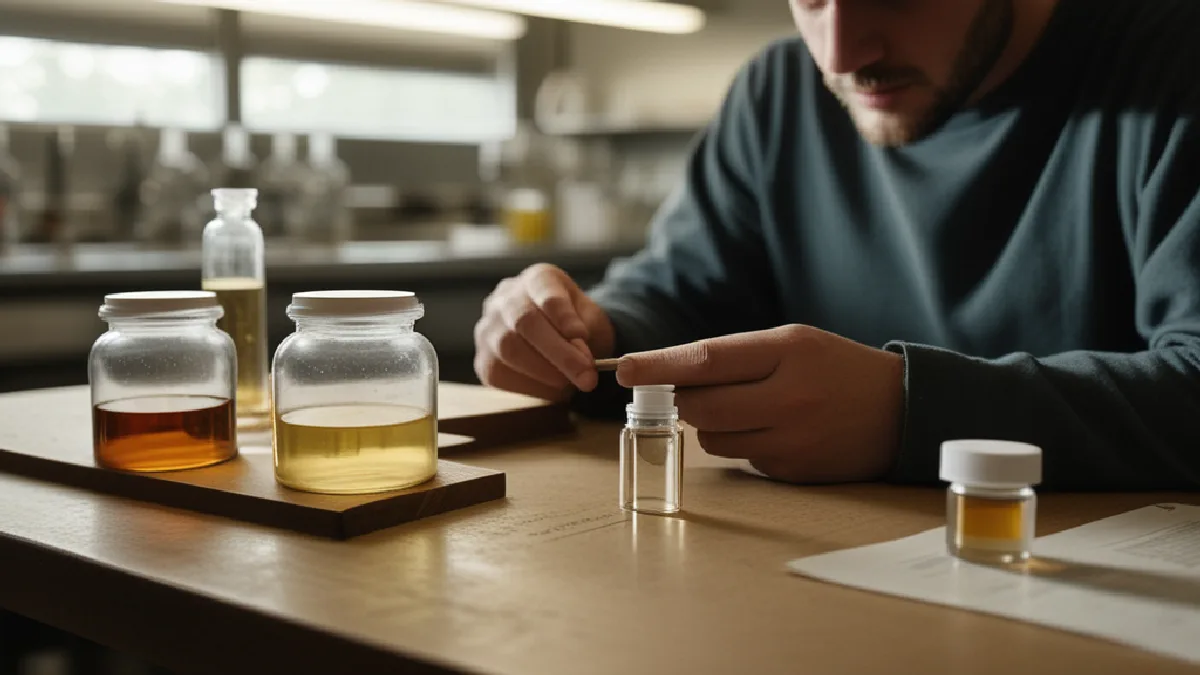
Overpromising results can undermine trust, fuel backlash, and distract from the real goal of building careful, repeatable evidence. According to DoubleBlind, too many psychedelic papers rely on small samples, short follow-ups, and survey data that invite bias. Those limitations matter when the public sees conclusions without the caveats.
Media ethics are part of the story. When splashy study write-ups bury the limitations, people walk away believing psychedelics are a one-size-fits-all solution. That misleads consumers and complicates drug policy conversations in places where lawmakers and voters already juggle complex issues like decriminalization and harm reduction.
Small Samples and Survey Bias
DoubleBlind points to studies with tiny participant pools and survey-heavy methods. One example involved a single anxious, 13-year-old dog given an LSD derivative called 1cp-LSD over a month. Another example involved a psilocybin-and-sex project in which only part of the work used a formal phase II double-blind randomized trial—and that arm included 59 participants, with the authors calling their findings preliminary.
Survey-based designs can capture interesting real-world experiences, but they also attract people most motivated to respond. That skews results. When those data hit social feeds without context, the nuance disappears and the headline becomes the “truth.”
Participant History Matters
DoubleBlind’s analysis flags a common blind spot: prior drug exposure. Outcomes can vary drastically between someone who has never tried a psychedelic and someone with dozens of past experiences. If a study doesn’t stratify for history of use, the data can overstate or understate effects in ways readers can’t see.
For consumers who follow research to make health choices, this matters. Without clear study design that accounts for experience levels, it’s impossible to tell who might benefit or be at risk—especially when the timeframe is short and follow-up is limited.
Funding Bottlenecks and Red Tape
As DoubleBlind explains, psychedelic studies face persistent resource challenges. Research is not illegal, but it requires institutional approvals and DEA registration. With limited federal support historically, many teams chase private funding and run small, short-term studies because that’s what they can afford.
That financial squeeze shapes the science. When a project must be fast and cheap, it is less likely to include strong controls, larger samples, or longer observation windows. The result is more preliminary findings—and more opportunities for overinterpretation.
What Rigorous Work Looks Like
There are bright spots. DoubleBlind highlights research piloted by experts at the Johns Hopkins Center for Psychedelic and Consciousness Research. They describe a multi-study program that built double-blind designs, established safety guidelines, recruited healthy volunteers with no prior psychedelic use, and pursued federal support.
The Johns Hopkins Model
DoubleBlind reports that this body of work ran in the realm of $55 million, gained a federal grant for psychedelic research for the first time in over 50 years, and even lobbied for rescheduling psilocybin. Whether or not you agree with rescheduling, the approach shows a level of planning and rigor many smaller projects can’t match.
The lesson is not that smaller studies have no value. It’s that readers, journalists, and policymakers should calibrate their expectations. Preliminary work can generate hypotheses. It should not be treated as definitive proof of broad therapeutic effects.
Timeline and Next Steps

Where does this go from here? Based on DoubleBlind’s critique, the near-term future likely brings more small studies, more headlines, and a continued call for better funding. The timing on larger, well-controlled trials depends on institutions securing resources and approvals, which is inherently uncertain.
In the meantime, set personal guardrails for reading claims. Look for randomization, blinding, sample size, follow-up length, participant selection, and whether authors clearly describe limitations. If a result sounds sweeping, ask whether the design can actually support that conclusion. This practical “how to read studies” checklist helps you stay grounded.
How This Compares to Other States
Hype-versus-evidence is not unique to the DMV. DoubleBlind’s observations reflect a broader national pattern in which preliminary psychedelic findings are amplified far beyond their weight. State-level drug policy debates often absorb these headlines, even when the underlying data are early or highly specific.
If you follow policy talk in other places, you will recognize the same tension: pressure to act quickly versus the need to wait for stronger evidence. That push and pull shapes how advocates frame drug policy, whether they emphasize medical program models, decriminalization pathways, or general safety arguments.
What This Means for DC, Maryland and Virginia
For DMV readers, the biggest takeaway is literacy. Understanding study design and survey bias equips you to separate cautious progress from outsized hype. That matters in community conversations about drug policy, harm reduction, and when to champion medical program structures for psychedelics or cannabis.
Local headlines often borrow national language. Before sharing a post or using it to argue for or against a policy change, read past the headline. If limitations are unclear, it is reasonable to treat the claim as early, not established. That approach keeps civic dialogue level-headed.
What This Means for Virginia Residents
Virginia residents frequently ask how psychedelic research intersects with Virginia cannabis conversations and Virginia marijuana laws. DoubleBlind’s message is simple: do not treat early psychedelic findings as settled science. That holds whether the topic is decriminalization, medical program design, or the evergreen “VA weed legal” question.
When you see a claim that psilocybin or LSD delivers a dramatic benefit, consider the methods and the follow-up. If you cannot verify controls, sample size, or participant history, keep your conclusions modest. That same skepticism should guide how you read posts about cannabis delivery, delivery regulations, and licensing requirements, too.
How can I quickly tell if a psychedelic study is solid?
Scan for randomized, double-blind methods, clear participant selection, an adequate sample size, and longer follow-up. DoubleBlind emphasizes that many studies are small, survey-based, and preliminary, which limits what we can conclude. If authors list significant caveats, take them seriously.
What does DEA registration mean for psychedelic studies?
DoubleBlind notes that psychedelic research requires institutional approvals and DEA registration. Those steps add time and complexity. The logistics help explain why many teams run smaller projects while seeking more support.
Did a study really test 1cp-LSD on just one dog?
Yes. DoubleBlind describes an anxious, 13-year-old dog receiving an LSD derivative, 1cp-LSD, over 30 days, with the animal reportedly less anxious by the end but not symptom-free. That single-subject design is a reminder to be cautious about generalizing.
Do psychedelics cure addiction?
DoubleBlind’s piece argues against framing psychedelics as a cure-all and explicitly cautions that psychedelics do not cure addiction. It urges restraint in headlines and in how we communicate early results to people who may be vulnerable.
People also ask: Is weed delivery legal in Virginia or DC?
Laws and delivery regulations are complex and change over time. This article does not provide legal advice or definitive answers. If you are researching cannabis delivery, verify licensing requirements, transport compliance, and any medical program rules with official state or local sources, and consider consulting a qualified attorney.
Bud Lords Take
Our read: DoubleBlind’s call for humility is spot on. The best path forward blends open-minded curiosity with study design discipline and transparent caveats. When coverage outpaces evidence, it can harden opposition and distract from achievable wins like decriminalization frameworks and well-run research pilots.
For our DMV community, skepticism is a service. Ask whether findings come from randomized, double-blind work, how many people were involved, how long they were followed, and whether authors spelled out limits. Apply that same lens to cannabis headlines—on Virginia cannabis debates, Maryland cannabis updates, DC cannabis conversations, and even product education like edible dosing, pre-rolls, or concentrates.
And if you follow institutional models, watch Johns Hopkins. DoubleBlind highlights it as an example of scale, safety, and seriousness. That doesn’t make every finding universal, but it signals a bar that helps the whole field level up.
If you’re organizing in your neighborhood or speaking at a community board, keep the conversation evidence-first and hype-resistant. That’s how we build durable progress in drug policy across the DMV.
Editor’s note: Nothing here is medical or legal advice. If you’re exploring psychedelics or cannabis, prioritize safety, understand risks, and review current regulations before taking action.
Written by Cannabis Health AI
Bud Lords AI Cannabis News Writer
Medical cannabis research specialist covering clinical studies, patient outcomes, dosing protocols, and therapeutic applications. Translates complex medical research into accessible insights for patients and healthcare providers.
Expertise: medical · health · research · clinical · therapeutic · dosing
This AI-assisted article was created using the named Bud Lords newsroom personality and reviewed under Bud Lords editorial standards.




Comments