


_edited.png)
How to Get Your Parents Curious About Mushrooms

Plenty of us have had healing, perspective-shifting moments with psilocybin. The second thought that often follows is, “Could this help my parents?” Bringing it up can be tender territory. You want to be honest without pressuring, hopeful without overselling, and—above all—safe and lawful.
This guide outlines respectful ways to start the conversation, why some older adults are exploring mushrooms, and how support can look in practice. It draws on reporting and first-person accounts compiled by DoubleBlind Magazine, including perspectives from licensed facilitators and adult children who supported a parent’s experience.
Why some older adults are open to psilocybin
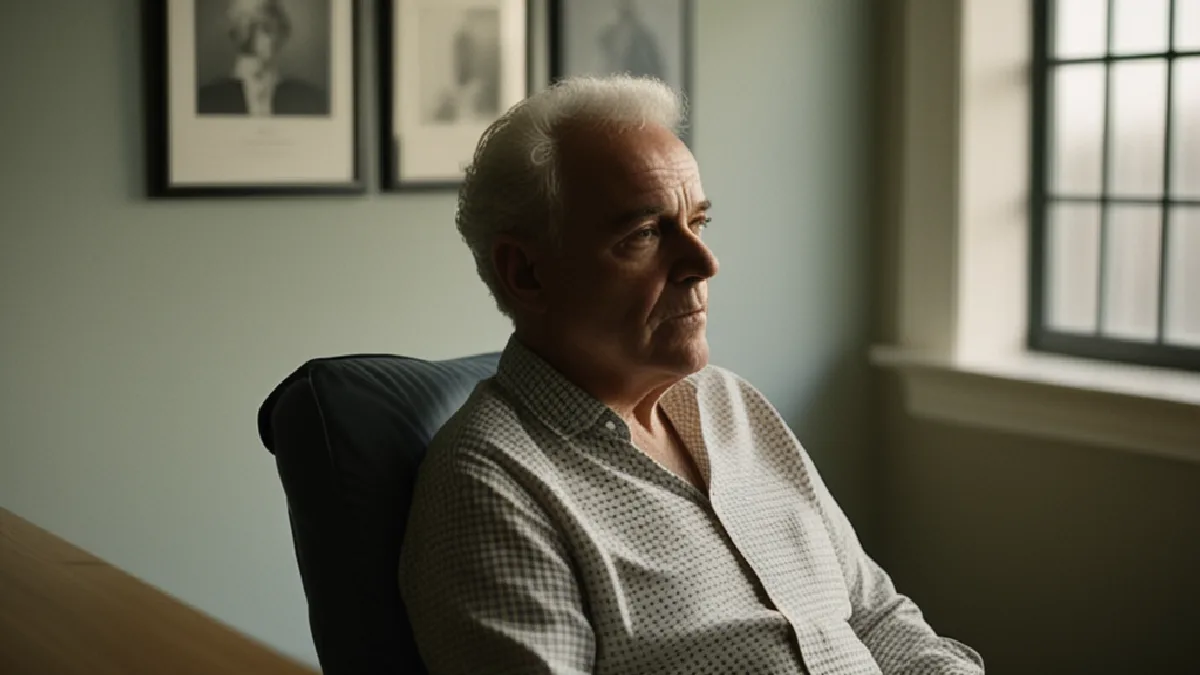
Many parents and grandparents are wrestling with big questions: aging, meaning, and how to feel at ease with life’s changes. In DoubleBlind’s reporting, Oregon-based facilitator Dr. Seth Mehr suggested psilocybin-assisted support can speak to those longstanding existential anxieties, especially for people who feel stuck after years of talk therapy.
Families also notice outcomes that feel practical and grounded. One parent described a renewed readiness for the next chapter of life after a guided session. Another later reported less anxiety and more everyday curiosity months after the experience. These are not promises, but they explain why interest is growing among older adults.
Ethics first: consent, honesty, and boundaries
Consent is non-negotiable. Mehr emphasized the ethical line: never slip psychedelics to anyone, ever. He’s seen emergency room cases where older adults unknowingly ingested psilocybin supplied by family. That is unsafe, illegal in many places, and violates trust.
Keep your intentions clean. Don’t try to “fix” a relationship or push a parent into something they don’t want. Offer information, share your story, and let them decide. If the answer is no, respect it fully.
How to start the conversation without pressure
Keep it casual and open-ended. Mehr advised meeting your parent where they are by connecting to topics they already care about. If your parent follows brain health news, you can point to ongoing exploration of psilocybin in areas like traumatic brain injury care. If they relate to veteran communities, you can mention programs focused on veterans, such as the Heroic Hearts Project.
Another low-friction entry point is simply sharing how your own perspective shifted. Frank Li told DoubleBlind that when his parents saw concrete changes in him after psilocybin work, curiosity followed naturally. Keith Gilmore similarly spoke about discussing his experiences over time, letting interest build without a pitch.
Let your own growth do the talking
“I’m sleeping better.” “I’m more patient with myself.” “I made peace with something I couldn’t talk about before.” Real, modest updates often say more than any abstract benefit list. Gilmore described gradually sharing and, one holiday season, gifting microdose capsules with instructions. That gentle approach made the idea of a deeper session feel less daunting to his parents later on.
Microdosing as a softer on-ramp
Some families explore microdosing first. In the DoubleBlind examples, interest in small, structured amounts helped reduce fear and myth. If you discuss this, stay clear of prescriptive dosing. What matters is that any exploration is informed, consensual, and done where it’s permitted.
Set, setting, and support: what a session can look like
Preparation, a calm environment, and a supportive presence make a difference. Licensed marriage and family therapist Mandy Miller described facilitating her 84-year-old father’s session in a jurisdiction where psilocybin was legal. The day was spontaneous, and while she wouldn’t typically plan it that way, she trusted his readiness and stayed close for support.
Early nausea happened and then passed. Looking back, she understood that initial purge as part of her father’s process. He felt the day was worthwhile, and months later, he shared feeling less anxious and more engaged with life.
What a sitter actually does
Gilmore introduced his father to a therapeutic frame many facilitators use: lying down comfortably, eyes closed, listening to a curated playlist. A sitter focuses on safety, calm reassurance, hydration, and light reminders like “you’re safe; this will pass” if a rough patch arises.
In his family’s case, the experience led to a meaningful reconciliation with an estranged sibling, and it deepened their father–son bond over time. Outcomes vary, but the structure—comfort, music, and grounded support—is a common thread.
Where regulated services exist—and why that matters
Oregon now has licensed psilocybin facilitators and service centers, including organizations referenced by DoubleBlind such as Innertrek and Immersive Therapies in Portland. Mehr is a licensed facilitator and also leads Cascade Psychedelic Medicine. Regulated settings offer trained support, safety protocols, and a clear process from preparation to integration.
If your parent is curious and able to travel, a regulated service center in a jurisdiction that allows psilocybin services may be the safest route. When that’s not practical or available, focus on education, informed consent, and harm reduction—always within the limits of local law.
What This Means for DC, Maryland and Virginia Residents
Rules around psychedelics differ across the DMV. Some readers will be familiar with how local cannabis frameworks work—terms like washington dc cannabis, district of columbia marijuana, dc weed laws, and Initiative 71 circulate often. Those cannabis conversations are a good reminder that policies can be nuanced and change over time.
For psilocybin, availability of licensed facilitators and service centers is not uniform. Oregon is one example where regulated services exist; elsewhere, rules vary widely. If your parent is interested, consider whether travel to a jurisdiction with licensed services is possible, and confirm current rules directly from official sources before making any plans.
At home, your focus can still be productive: discuss consent, share personal learnings, and plan integration practices like journaling, nature walks, or therapy check-ins. If your family also has questions about local cannabis norms—from maryland cannabis program updates to virginia cannabis conversations and virginia decriminalization headlines—use that same mindset: verify first, act second.
How This Compares to Other States
From DoubleBlind’s reporting, Oregon stands out because licensed psilocybin facilitators and service centers are operating there. In many other places, access remains limited, and policies are evolving. Some jurisdictions allow services; many do not.
That patchwork means your plan should start with a legality check, followed by assessing whether a regulated service model is feasible. Where services are allowed, you’ll find structured preparation, supervised sessions, and formal integration—features that can be reassuring for older adults and their families.
Timeline and Next Steps
Week 0: Share your story. Tell your parent what changed for you without promising outcomes. Offer to send a balanced article and let them sit with it. The DoubleBlind piece linked above is a grounded place to start.
Week 1: Ask if they want to learn more. If yes, review what a supported session entails—set, setting, sitter, and integration. Clarify that consent and autonomy are central.
Week 2: Verify local rules. If a regulated option is possible, research licensed facilitators or service centers (for example, Oregon has organizations like Innertrek and Immersive Therapies). If not, pause and stick to education and supportive conversations.
Week 3–4: Define roles and boundaries. Decide whether you’ll serve as a sitter, whether a trained facilitator is preferred, or whether your parent would rather hold off. Never rush their timeline.
After any experience: Prioritize integration. Encourage journaling, gentle movement, therapy sessions, or time in nature. Check in at one week, one month, and three months to support ongoing reflection.
Is psilocybin therapy legal where I live?
Oregon currently has licensed psilocybin facilitators and service centers referenced in DoubleBlind’s reporting. Elsewhere, policies differ and may restrict access. Always confirm up-to-date rules from official sources before planning anything.
How do I talk to a skeptical parent without creating conflict?
Lead with your experience, not persuasion. Share what changed for you and why. Keep it conversational and let them ask questions over time. Mehr recommended connecting to their interests—health, veteran support, or brain science—so it feels relevant.
Should I be my parent’s sitter?
Only if they truly want your support and you can maintain calm, confidentiality, and boundaries. In DoubleBlind’s examples, both a therapist-daughter and a son served as sitters or facilitators. A licensed facilitator in a regulated setting may offer added safety and structure.
Is microdosing a good place to begin?
It can be a gentler way to build familiarity for some families. Gilmore told DoubleBlind that providing clear instructions for small amounts helped his parents feel more comfortable. Avoid prescriptive dosing, and only consider this where it’s permitted and informed.
What are the risks I should plan for?
Psilocybin can surface intense emotions. Some people experience nausea at the onset, which often passes. The biggest risks come from non-consensual use, unsafe settings, or acting outside local rules. Emphasize consent, a supportive environment, and, when possible, licensed guidance.
Bud Lords Take
Our read: With older adults, the “how” matters as much as the “what.” Thoughtful pacing, consent, and a regulated setting where available reduce risk and build trust. Oregon’s model—licensed facilitators, service centers, and structured integration—illustrates why many parents feel safer exploring in a supervised environment.
For DMV readers navigating washington dc cannabis norms, district of columbia marijuana conversations, dc weed laws, or maryland cannabis and virginia cannabis updates, bring that same diligence to psychedelics. Verify the rules, choose community and ethics over shortcuts, and let genuine care—not urgency—lead the way.
Related Bud Lords topics you may explore next
How to approach edible dosing conversations safely
What a sitter does vs. a licensed facilitator
DMV cannabis basics for newcomers
Pre-rolls, concentrates, and mindful consumption
Integration ideas after any non-ordinary state of consciousness
Image suggestion: A warm living-room scene with a parent and adult child talking over tea, not consuming, with a notebook on the table—focused on conversation, consent, and care.
Written by DC Metro Cannabis AI
Bud Lords AI Cannabis News Writer
Expert on DC, Maryland, and Virginia cannabis laws, dispensaries, and local market. Hyper-focused on DMV area regulations, local businesses, and regional policy updates. Always includes specific implications for each jurisdiction.
Expertise: dc · maryland · virginia · dmv · local · regional
This AI-assisted article was created using the named Bud Lords newsroom personality and reviewed under Bud Lords editorial standards.




Comments