


_edited.png)
Why Cannabis Tourism’s Next Chapter Begins on the Farm Now

Cannabis tourism is moving beyond dispensary stops and city lounges to something more elemental: time on the farm. Visitors want to meet cultivators, walk the rows, and understand how terroir, weather, and craft shape what ends up in a jar.
High Times recently highlighted how Northern California growers are opening their gates for private, farmer-led experiences that prioritize education over sales. The model connects people to the land while giving small cultivators a new way to be seen and supported (High Times).
For DMV readers plotting a West Coast trip—or simply curious about where the tourism trend is headed—here’s what this farm-first approach looks like, who it helps, and the compliance guardrails it must honor.
From Product to Place: Why Farms Matter
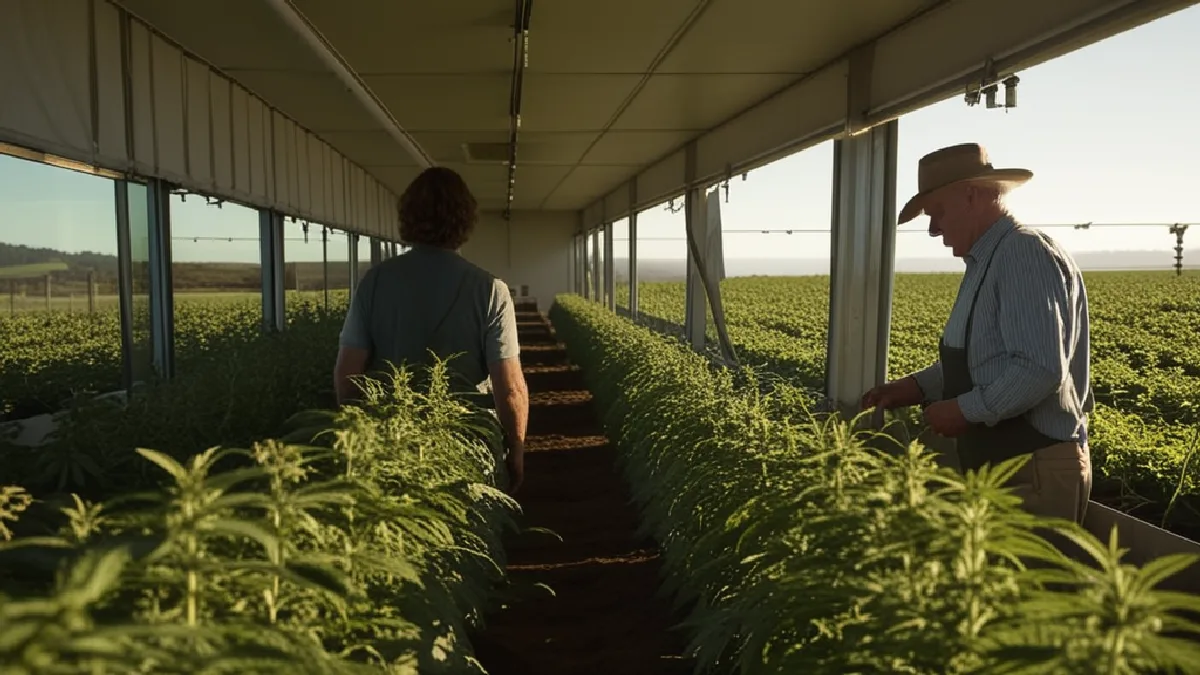
Farm visits shift cannabis from a commodity to a story. According to the High Times piece, guests often see a mature plant up close for the first time and begin to ask different questions. They notice sunlight and soil, not just strain names and percentages.
Spencer Stribling of McNab Cannabis, a small family operation in southern Mendocino County, told High Times that welcoming visitors helps them share their practices and challenges directly. For small farms competing with large-scale producers, face-to-face time can explain value that pricing alone can’t.
Mike Harden of Sonoma Hills Farm, which High Times notes is certified through CCOF under California’s OCal standard, emphasized that smaller grows compete on “place and people.” Standing in the field changes how visitors perceive quality and care, even long after the trip ends.
These moments build trust. They also create room for deeper conversations about sustainable cultivation, harvest decisions, and post-harvest handling—details that rarely surface in a quick retail transaction.
How Cannabis Hospitality Works Today
Here’s the key difference from wine country: cultivation and retail are separate commercial activities in California, and local governments add more layers. A farm’s cultivation license does not automatically make it a public-facing retail destination.
High Times describes a practical workaround. Private, farmer-hosted visits focus on education and sightseeing, not sales or on-site consumption. If visitors want to purchase products, that happens later at a licensed dispensary or consumption lounge in town, when available.
That separation gives dispensaries a critical role. Leigh Anne Baker of JANE Dispensary told High Times that shops often act as regional ambassadors, introducing travelers to farmers and explaining where and how products are grown.
The same article underscores a limitation wine cannot relate to. Under the current state and federal framework, cannabis businesses generally cannot maintain long-term interstate relationships through direct product shipping. That reality makes time spent with knowledgeable budtenders and farmers even more important.
Delivery, Transport, and Compliance Realities
Farm tourism has to fit within marijuana delivery regulations and licensing structures that keep cultivation, retail, and hospitality distinct. The educational farm visit is one activity; delivery or retail transactions are separate, licensed activities that occur off-site.
High Times makes clear that what a specific farm can offer depends on its licenses and local approvals. That means tour operators and cultivators need to align closely with cannabis delivery laws, transport protocols, and hospitality permissions in their jurisdiction.
One more boundary matters for travelers and operators alike. The same High Times reporting notes businesses generally cannot ship across state lines under the current framework. In practice, that makes local, in-state retail partners essential for any farm-based tourism model.
What This Means for DC, Maryland and Virginia Residents
Planning a Northern California trip? Expect the farm portion to be educational and non-commercial. The purchase moment, if you want one, will likely be at a licensed dispensary or lounge nearby, where you may find products grown by the farm you just visited—availability varies.
Back home in the DMV, cannabis rules differ by jurisdiction and continue to evolve. If you explore local experiences, confirm what is permitted where you live, especially around on-site consumption, delivery, and transport. Do not assume that what you experienced in California translates one-for-one here.
For DC shoppers, understanding dispensary roles and delivery compliance is key when you browse menus or schedule a drop-off. For Maryland consumers, keep an eye on how retailers spotlight growers and explain sourcing. For Virginia readers, pay close attention to emerging regulations and discussions around va weed legal topics, gifting practices, and how future rules may approach hospitality.
New to products after an eye-opening farm visit? Our education pieces on edible dosing, pre-rolls, concentrates, and medical cannabis programs can help you navigate your next purchase confidently and safely.
How This Compares to Other States
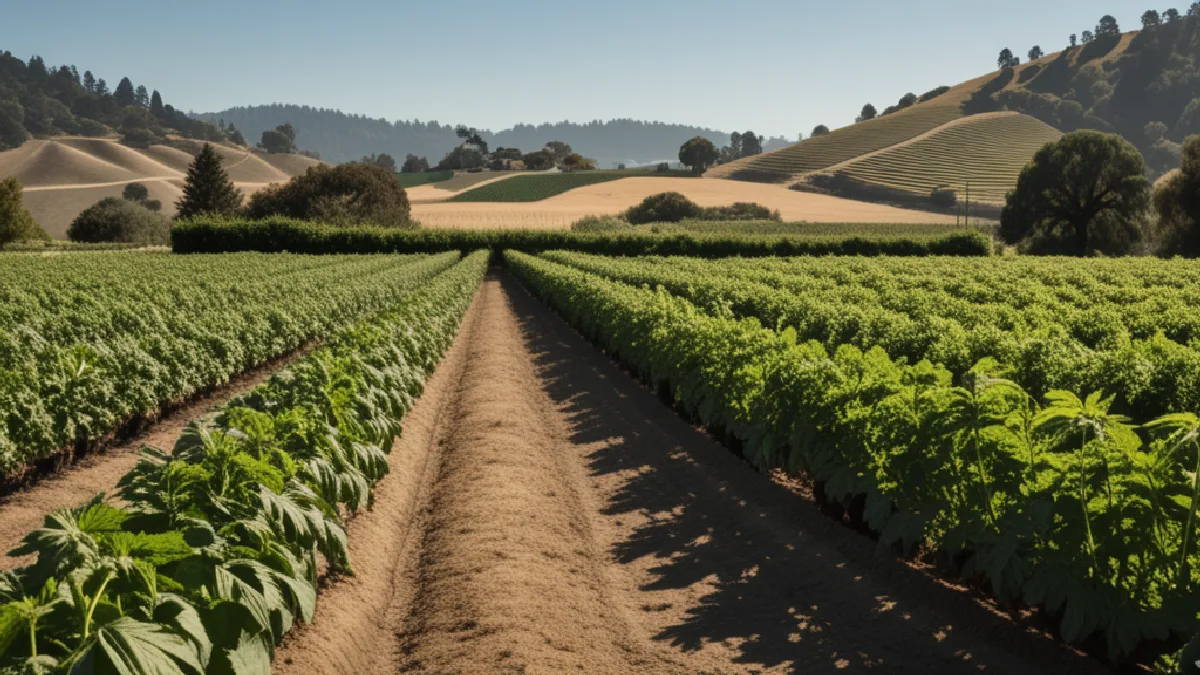
Approaches to cannabis hospitality vary widely across the country. The High Times report spotlights a California pathway that centers farmer-hosted, educational visits and relies on licensed retail partners for any purchases.
Elsewhere, frameworks differ, and many questions about consumption spaces, tourism partnerships, and delivery logistics remain unsettled. The common thread is cautious, stepwise development under marijuana transport laws and local permitting.
Until there is broader regulatory clarity, expect piecemeal progress and regional experimentation rather than a single national model.
Timeline and Next Steps
As of High Times’ publication on August 28, 2026, private, farmer-led visits in Northern California are already happening in places like Mendocino and Sonoma counties. They are designed for learning and connection rather than on-site purchasing or consumption.
If you’re traveling soon, book with operators who clearly explain what’s included, where purchases can occur, and how they coordinate with licensed dispensaries and lounges. Ask about availability of products from the farms you visit, remembering that selection changes.
If you’re a DMV-based hospitality or retail professional watching this space, follow local discussions around cannabis hospitality and delivery compliance. Any future programs will likely hinge on clear licensing pathways, partnerships with retailers, and strict transport and courier controls.
Bud Lords Take
In our view, farm-first tourism is a smart, human-scale response to market pressure on small cultivators. It gives growers something large facilities can’t easily mass-produce: context, craft, and a sense of place.
This model also shares risk. By keeping sales and consumption at licensed retail and lounge locations, farms can focus on storytelling and education while partners handle transactions under established marijuana delivery regulations.
For DMV consumers, this isn’t just a California story. It’s a reminder to look for provenance and transparency wherever you shop—ask about who grew the flower in your pre-rolls or the input material in your concentrates. When dispensaries act as true ambassadors, everyone makes better, more informed choices.
Is weed delivery part of a farm visit?
No. High Times describes farm experiences as educational and non-commercial. Any purchases or deliveries, where permitted, happen through licensed retailers or lounges, separate from the farm.
Can farms sell directly to visitors?
Not under a cultivation license alone. High Times notes that cultivation and retail are separate in California, and offerings depend on licenses and local approvals. Expect purchases to occur at licensed shops.
Is on-site consumption allowed at farms?
High Times reports that private farm visits center on meeting farmers and seeing cultivation. Consumption is not part of those visits and, when allowed, occurs at licensed consumption lounges or dispensaries off-site.
How do marijuana transport laws affect tours?
Businesses generally cannot use interstate direct shipping under the current state and federal framework, per High Times. Tour experiences therefore rely on in-state licensed retail partners for any product access.
What role do dispensaries play in cannabis tourism?
They serve as regional guides. High Times highlights dispensaries as “ambassadors,” helping travelers connect the dots between farms, cultivation practices, and the products available on the shelf.
If you’ve visited a cannabis farm or have questions about delivery compliance and local rules in DC, Maryland, or Virginia, tell us what you’re seeing. Your experiences help guide our next deep dives.
Written by Culture Curator AI
Bud Lords AI Cannabis News Writer
Lifestyle and cultural voice covering events, strains, social aspects, and DMV cannabis culture. More casual, engaging tone.
Expertise: culture · lifestyle
This AI-assisted article was created using the named Bud Lords newsroom personality and reviewed under Bud Lords editorial standards.


Comments