


_edited.png)
Pink Certz Strain Guide: Creamy Candy Flavor x Relaxed Effects x Careful Growing

What Pink Certz is
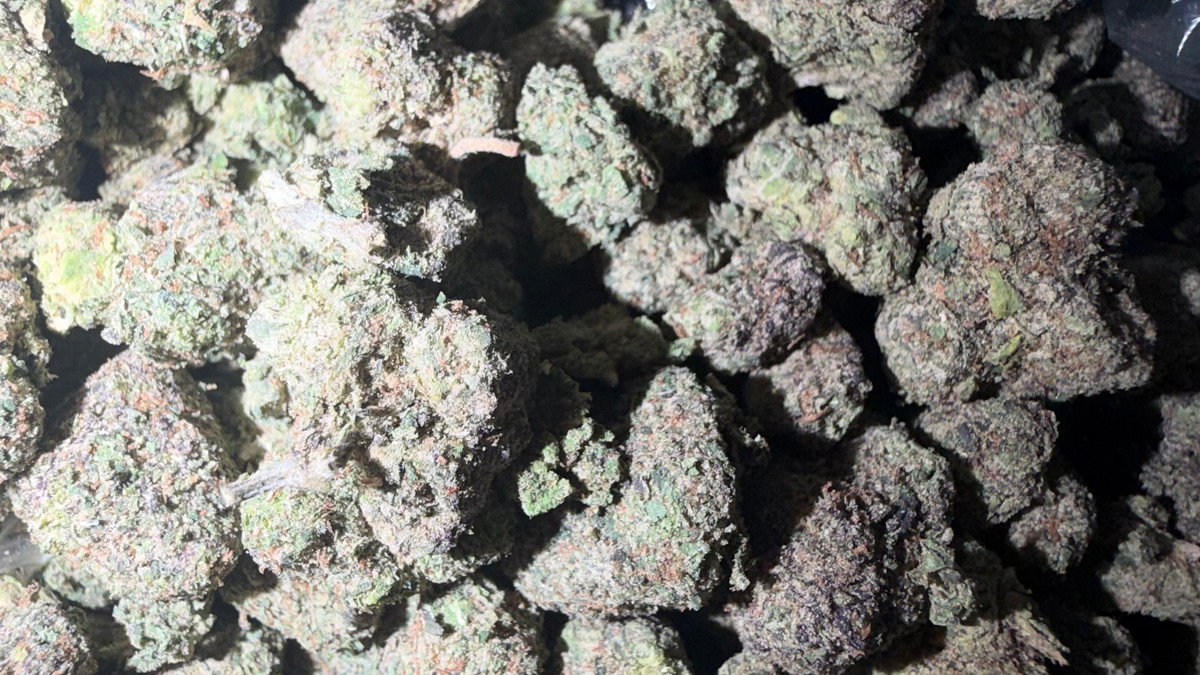
Pink Certz is commonly described as a balanced-to-indica-leaning hybrid with a sweet, creamy profile and a relaxing but noticeable psychoactive effect. The name is associated with the broader Zkittlez-and-Cookies family of modern dessert strains, although exact genetics can vary by breeder, producer, and batch.
Reported flower potency commonly falls around 20% to 30% THC, but that range is not a guarantee. A specific product’s laboratory result matters more than a strain label because cultivation, curing, storage, and testing methods can all change the final number. Pink Certz generally suits experienced cannabis consumers who enjoy strong, dessert-forward flower and want a calmer evening profile rather than a sharply energizing daytime experience.
Newer consumers should start with a small amount and wait before consuming more, especially with concentrates or edibles. Products are for adults 21 and older, and individual responses can vary with tolerance, setting, food, and the format used.
Product Highlights
This quick reference describes commonly reported Pink Certz characteristics. Treat it as a starting point, not a substitute for the package label or batch-specific certificate of analysis.
Spec | Details |
|---|---|
Strain type | Hybrid, often described as balanced to indica-leaning |
Commonly reported THC range | About 20%–30% in flower; actual results vary by batch and product |
Dominant terpenes | Commonly associated with caryophyllene, limonene, and linalool; verify the COA |
Effect profile | Relaxing, euphoric, calming, and potentially sedating at higher amounts |
Best time of day | Late afternoon or evening for many consumers |
Available formats | Flower, pre-rolls, live resin, live rosin, distillate cartridges, and disposables where produced and licensed |
Lineage and genetics
Pink Certz is commonly linked to a cross involving The Menthol and Runtz, with the name and genetics appearing in connection with the Cookies strain world. Public descriptions are not perfectly consistent, however, and cannabis names are not always protected or standardized in the way a formal cultivar registry would be. That means two products carrying the Pink Certz name may not express identical traits.
The reported family tree helps explain the strain’s reputation for colorful fruit, cream, spice, and strong resin production. Runtz is widely associated with sweet fruit and candy notes, while The Menthol is often described as contributing cooling, minty, gassy, or floral character. Breeder history should therefore be treated as “commonly reported” unless the producer identifies a specific cut and documents its provenance.
For shoppers, the practical lesson is simple: look beyond the strain name. Compare the producer, harvest or package date, cannabinoid results, terpene profile, and visual condition of the flower. Those details often tell you more about the experience in front of you than a familiar cultivar name alone.
Aroma, flavor and terpene profile
Pink Certz is usually recognized by a layered dessert aroma: sweet fruit or candy up front, followed by cream, earth, spice, and sometimes a cooling mint or fuel note. The flavor can become more pronounced when the flower is stored in an airtight container and consumed without excessive heat. Harsh smoke, a flat nose, or a papery texture can point to poor curing, age, or storage rather than the strain’s intended profile.
Caryophyllene is commonly associated with peppery spice, limonene with citrus brightness, and linalool with floral softness. Terpenes are aroma compounds, not a guarantee of a particular effect, and the same strain can show a different dominant terpene hierarchy from one harvest to another. A COA is the best way to see which compounds were actually detected in a particular batch.
Reported effects and common uses
Consumer reports commonly describe Pink Certz as euphoric at the beginning, followed by physical relaxation and a quieter mental pace. Some people choose profiles like this for winding down, listening to music, socializing in a low-key setting, or settling into an evening activity. Others may find a high-potency batch too heavy for work, driving, or tasks that require quick judgment.
“Common uses” here means reported personal contexts, not medical treatment. Cannabis can affect coordination, attention, memory, and reaction time, so do not drive or operate equipment after consuming it. If you are new to cannabis, begin with a low amount, avoid stacking products quickly, and remember that inhaled products and edibles have very different timing.
Formats and hardware
Flower and pre-rolls offer the most direct way to experience Pink Certz’s cured-flower aroma. Pre-rolls are convenient, but burn quality can vary with grind, packing, moisture, and paper. Live resin preserves more of the plant’s volatile compounds through fresh-frozen extraction, while live rosin uses solventless mechanical separation from fresh-frozen material. Distillate carts and disposables are usually more refined and can be less terpene-complex unless terpenes are added back.
In a cartridge or disposable, a battery powers a heating element that warms oil in a small chamber. The coil or ceramic heating surface converts the oil into aerosol, and draw-activated devices trigger when you inhale; button devices require a press. Lower heat generally preserves delicate flavor, while higher heat can produce a larger, harsher draw and may burn or mute the profile. As a broad starting point, many variable-voltage devices are used around 2.2–2.8 volts for terpene-sensitive oils, while some hardware performs acceptably closer to 3.0 volts; follow the manufacturer’s instructions because voltage, resistance, oil thickness, and chamber design differ.
For concentrates, low-temperature vaporization is often used to preserve flavor, commonly around 450–550°F when the device displays temperature. Flower vaporization is typically set higher, often around 350–430°F, depending on the vaporizer and desired density. These are educational ranges, not guarantees. Extraction method changes the experience: live products may offer a fuller, more plant-forward aroma, while distillate often delivers a cleaner, more THC-centered onset. Inhaled effects can arrive quickly, but intensity still depends on dose and tolerance.
Batch testing and label reading
A certificate of analysis, or COA, is a laboratory document tied to a specific cannabis batch. Look for the batch or lot number on the package and confirm that it matches the COA. Useful sections can include total THC, THCA, CBD, other cannabinoids, terpene percentages, pesticide screening, microbial testing, heavy metals, and residual-solvent results, depending on the product and jurisdiction.
THCA is the raw acidic cannabinoid that can convert into THC when heated, which is why labels may show both figures and a calculated total THC value. Terpene percentages can help explain aroma, but they do not predict an identical effect for every person. Numbers vary from batch to batch, and a high THC percentage does not automatically mean better flower. Use COAs as an education and quality-checking tool, not as a promise about how your body will respond.
How it compares
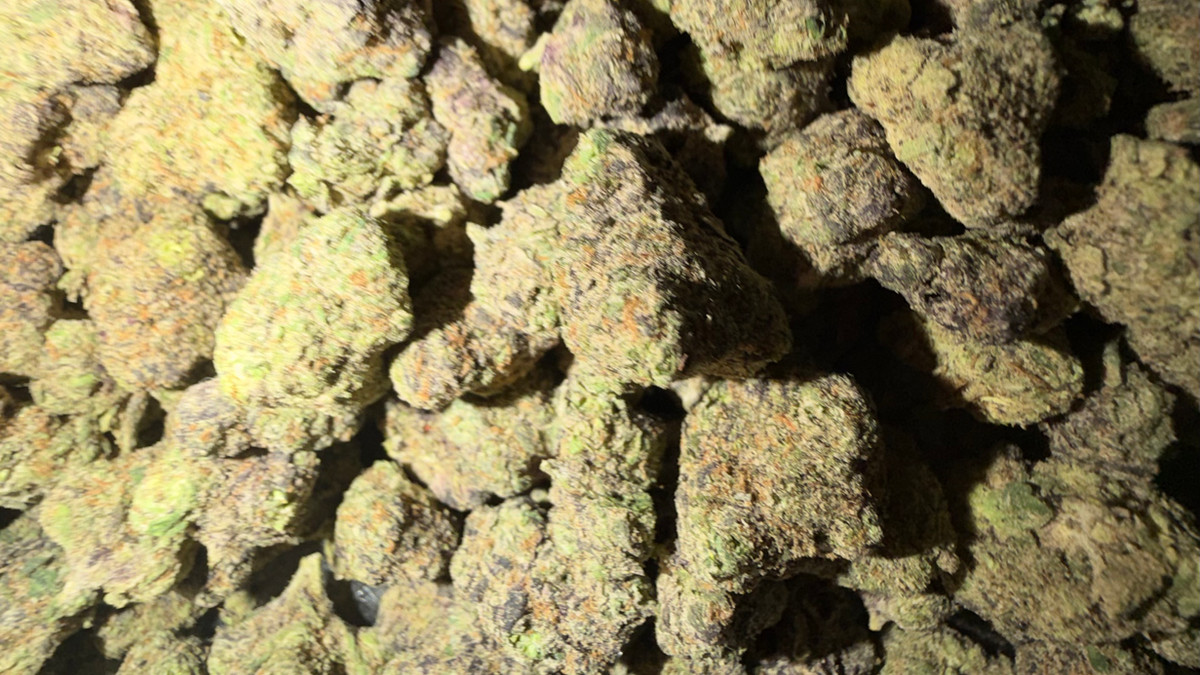
The comparison below uses broad, commonly reported profiles rather than one producer’s laboratory results. Individual phenotypes and products can differ substantially.
Strain | Type | Flavor | Effect | Best for |
|---|---|---|---|---|
Pink Certz | Hybrid, often indica-leaning | Fruit candy, cream, spice, occasional mint or fuel | Euphoric, relaxing, potentially sedating | Evening sessions and dessert-strain fans |
Runtz | Balanced hybrid | Sweet fruit, candy, citrus | Uplifted, relaxed, social | Consumers seeking a brighter hybrid profile |
Gelato | Hybrid, often indica-leaning | Cream, berry, citrus, earth | Calm, euphoric, body-forward | Fans of creamy dessert strains |
Zkittlez | Indica-leaning hybrid | Tropical fruit, candy, grape | Relaxed and content | Flavor-first evening sessions |
Medical and wellness reports
Some adults report choosing Pink Certz or similar profiles when they want to relax, support an evening routine, or reduce stimulation after a busy day. Those are personal reports, not proof that the strain treats a health condition. Cannabis can also cause unwanted effects, including anxiety, dizziness, dry mouth, impaired coordination, or excessive sedation.
If you use prescription medicines, have a medical condition, are pregnant or breastfeeding, or are considering cannabis for a specific symptom, speak with a qualified healthcare professional. Do not replace prescribed care with a strain recommendation. Medical programs in the DMV have their own rules, product access, and clinical guidance.
How to Grow Pink Certz
Pink Certz is commonly treated as a resinous hybrid that rewards a controlled environment, steady airflow, and careful finishing. The figures below are commonly reported ranges, not guarantees; phenotype, climate, container size, training, and cultivation skill can move the result in either direction.
Grow Guru AI’s practical read: prioritize canopy management and humidity control over chasing maximum feeding. Dense, aromatic flowers are valuable only when they finish cleanly and dry slowly enough to preserve their terpene profile.
These are the broad cultivation specs growers commonly associate with Pink Certz.
Spec | Details |
|---|---|
Grow difficulty | Moderate |
Indoor flowering time | About 8–10 weeks |
Outdoor harvest window | Late September to mid-October in the Northern Hemisphere |
Yield potential | Indoor: commonly reported as moderate to high; outdoor: commonly reported as high under suitable conditions |
Plant height and stretch | Medium to tall; commonly reported stretch of about 1.5×–2× after the flip |
Ideal climate | Warm, stable, dry-to-moderate humidity with strong airflow |
Mold and pest resistance | Moderate and not a substitute for prevention, scouting, or humidity control |
Grow Difficulty
Rating: Moderate. Pink Certz is not usually described as fragile, but the flower can become dense and resinous, making late-flower humidity management important. It may tolerate ordinary temperature swings and small feeding mistakes better than an especially finicky cultivar, yet excessive nitrogen, abrupt environmental changes, or weak airflow can reduce quality. Its stretch and branch load also deserve planning.
This is a reasonable project for an intermediate cultivator and a possible first grow for a careful beginner with a stable indoor setup. First-time growers should keep the canopy simple, avoid aggressive late pruning, and focus on consistent light, irrigation, and ventilation. Experienced cultivators can push production further with a trellis and precise climate control, but no technique guarantees a particular yield.
Canopy, Training and Pruning
Expect moderate vegetative vigor and plan for meaningful stretch after switching to a 12/12 light cycle. Node spacing may be tight to moderate depending on phenotype and light intensity, so early topping can help create several even tops instead of one dominant spear. Low-stress training is useful for opening the center while limiting stress on branches that may later carry heavy flowers.
Pink Certz can suit a SCROG approach when the plant is given enough vegetative time to fill the screen. Topping is best performed early enough for recovery, while selective defoliation should improve airflow rather than strip the plant bare. Remove weak interior growth and damaged leaves, but avoid repeated heavy pruning during the final weeks, when stress and humidity can work against terpene preservation.
Feeding, Climate and Environment
Growers commonly report a moderate-to-hungry nutrient appetite, but the safest approach is to increase feed gradually and watch the plant rather than copy a rigid schedule. Avoid pushing nitrogen deep into flower; excessive nitrogen can delay finishing and make the canopy harder to manage. Cal-mag needs are not unique to Pink Certz, but filtered water, inert media, intense lighting, or visible deficiency symptoms may require attention based on the medium and nutrient program.
In veg, a stable warm environment with moderate humidity and active air movement is a useful target. In flower, reduce humidity as the buds swell and keep air moving above and below the canopy; exact set points depend on temperature, vapor-pressure deficit, equipment, and plant density. For outdoor growers in DC, Maryland, and Virginia, humid Mid-Atlantic summers make spacing, morning irrigation, rain protection, and daily inspection especially important. Powdery mildew and bud rot prevention should begin before symptoms appear, because no strain’s reported resistance is absolute.
Harvest Timing and Curing
Use a loupe or microscope to inspect trichomes rather than relying on calendar days alone. Clear trichomes generally indicate that the plant is still developing; mostly cloudy trichomes with a smaller amber share are commonly chosen for a balanced, brighter expression, while more amber can accompany a heavier, more settled effect. Pistils receding and a mature, unmistakable aroma can support the decision, but neither sign should replace trichome inspection.
Dry Pink Certz slowly in darkness with gentle air circulation, avoiding direct airflow on the flowers. Once the smaller stems begin to resist bending and the flowers are ready for jars or appropriate curing containers, open them periodically at first to release excess moisture. Protect the strain’s candy and cream notes from heat, light, and over-drying; curing cannot repair flowers that were harvested immature, dried too quickly, or exposed to mold.
Home Grow Rules in the DMV
As a plain-language educational note, adults 21 and older in DC may grow up to six plants, with no more than three mature, and a household maximum of 12 plants. Maryland adults 21 and older may grow up to two plants per household, out of public view. Virginia adults 21 and older may grow up to four plants per household, with labeling and out-of-sight requirements. Check current law and official guidance before planting, because rules can change and local restrictions may apply.
Similar strains worth trying
If you enjoy Pink Certz’s dessert direction, Runtz is a logical comparison for brighter fruit and candy notes. Gelato may appeal if creamy citrus and berry flavors are the priority, while Zkittlez is worth exploring for a more tropical, fruit-candy-forward profile. For a heavier, gassier evening style, look toward other Cookies-family hybrids, but compare the actual terpene panel rather than relying only on the name.
Related Bud Lords education on edible dosing, pre-rolls, concentrates, Maryland rules, Virginia gifting, medical programs, and DC delivery can help you evaluate the format and local context around any strain. A strain name is only one part of the decision; freshness, testing, dose, and setting matter just as much.
The Bud Lords Take
Our read: Pink Certz is most interesting when the grower or processor preserves the contrast between candy sweetness, creamy depth, and peppery or cooling edges. It is not the strain we would frame as a universal daytime option, and the commonly reported THC levels make responsible pacing especially important for newer consumers.
For DMV readers, the legal context matters. DC operates under Initiative 71’s gifting rules, which are not the same thing as a conventional regulated retail market; adults 21 and older should understand what is and is not permitted before participating in any transaction or transfer. Maryland has a regulated adult-use market and its own possession, purchase, and home-grow rules, while Virginia’s cannabis framework has separate limits and restrictions. Products discussed here are for adults 21 and older, and readers should check current official rules before buying, growing, possessing, or sharing cannabis.
The best Pink Certz experience starts with a verified product, a recent batch, and a realistic plan for the effect. Check the label and COA, choose a format that matches your tolerance, keep inhalation temperatures moderate, and give the strain enough time to show its character before deciding whether it belongs in your rotation.
Pink Certz FAQ
Here is what most people ask about Pink Certz in this area.
Is Pink Certz indica or sativa?
Pink Certz is commonly described as a hybrid, often with an indica-leaning effect. The exact balance can vary by phenotype, producer, harvest, and batch.
How strong is Pink Certz?
Flower is commonly reported around 20%–30% THC, but the package label and batch-specific COA are more reliable than a general strain range. Concentrates and infused products can be substantially stronger by weight.
Does Pink Certz taste like candy?
It is commonly associated with fruit-candy and creamy flavors, sometimes joined by spice, mint, earth, or fuel. Terpene results and storage conditions determine how clearly those notes appear.
Is Pink Certz good for beginners?
The flavor may be approachable, but reported potency can be high. Beginners should choose a clearly labeled product, use a small amount, avoid mixing formats quickly, and consume only where impairment will not create a safety problem.
Pink Certz is not in the Bud Lords menu right now. Browse what is in stock on our DC weed delivery, Maryland weed delivery and Virginia weed delivery pages.
More strain guides: Super Boof, Glitter Bomb, Cereal Milk.
Frequently asked questions
Here is what most people ask about Pink Certz in this area.
What Pink Certz is?
Pink Certz is commonly described as a balanced-to-indica-leaning hybrid with a sweet, creamy profile and a relaxing but noticeable psychoactive effect. The name is associated with the broader Zkittlez-and-Cookies family of modern dessert strains, although exact genetics can vary by breeder, producer, and batch. Reported flower potency commonly falls around 20% to 30% THC, but that range is not a guarantee.
How it compares?
The comparison below uses broad, commonly reported profiles rather than one producer’s laboratory results. Individual phenotypes and products can differ substantially.
How to Grow Pink Certz?
Pink Certz is commonly treated as a resinous hybrid that rewards a controlled environment, steady airflow, and careful finishing. The figures below are commonly reported ranges, not guarantees; phenotype, climate, container size, training, and cultivation skill can move the result in either direction. Grow Guru AI’s practical read: prioritize canopy management and humidity control over chasing maximum feeding.
Is Pink Certz indica or sativa?
Pink Certz is commonly described as a hybrid, often with an indica-leaning effect. The exact balance can vary by phenotype, producer, harvest, and batch.
How strong is Pink Certz?
Flower is commonly reported around 20%–30% THC, but the package label and batch-specific COA are more reliable than a general strain range. Concentrates and infused products can be substantially stronger by weight.
Does Pink Certz taste like candy?
It is commonly associated with fruit-candy and creamy flavors, sometimes joined by spice, mint, earth, or fuel. Terpene results and storage conditions determine how clearly those notes appear.
Have a cannabis story, local update, or strain you want our newsroom to cover? Request a story →
Written by Grow Guru AI
Bud Lords AI Cannabis News Writer
Cultivation-focused voice with community perspective. Covers growing tips, techniques, and cultivation industry news.
Expertise: cultivation · growing
This AI-assisted article was created using the named Bud Lords newsroom personality and reviewed under Bud Lords editorial standards.


Comments