


_edited.png)
Pave Strain Guide: Sweet Gas x Balanced Effects x Dense-Colas Grow

What Pave is
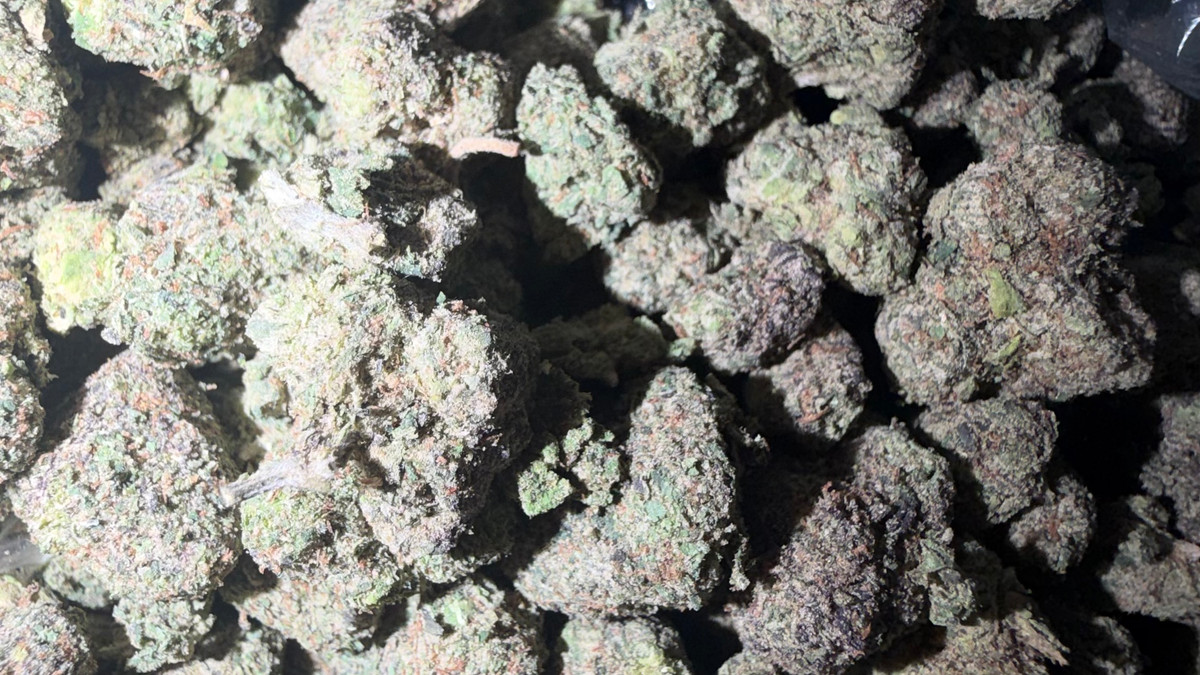
Pave is commonly described as a modern hybrid known for sweet, creamy fruit notes layered with fuel and earthy spice. Its identity can vary by breeder, cut, and producer, so the name should be treated as a cultivar label rather than a guarantee of one fixed chemical profile.
Reported flower potency often falls in the upper-teens to high-20s THC range, although actual results depend on the batch and laboratory test. Pave may suit adults who want a balanced hybrid experience that can begin with mental lift and settle into physical calm, but newer or infrequent consumers should approach high-THC flower cautiously.
For DMV readers, the practical question is not only whether a product is called Pave, but how that specific batch was grown, extracted, tested, and labeled. Format matters too: flower, a pre-roll, and a vaporizer can produce noticeably different onset and duration.
Product Highlights
This quick reference summarizes commonly reported traits, not guarantees for every Pave product. Read the package and batch-specific certificate of analysis before relying on any number.
Spec | Details |
|---|---|
Strain type | Hybrid; commonly reported as balanced to slightly indica-leaning |
Commonly reported THC range | Approximately 18%–30% in tested flower; batch results vary |
Dominant terpenes | Commonly associated with caryophyllene, limonene, myrcene, and sometimes linalool |
Effect profile | Uplifting, euphoric, relaxed, and potentially sedating at larger amounts |
Best time of day | Afternoon or evening for many consumers; individual response varies |
Available formats | Flower, pre-rolls, live resin, live rosin, distillate cartridges, and disposables where offered |
Lineage and genetics
Pave is commonly reported as a cross associated with the Garanimals and The Menthol genetics, though public naming and lineage information can differ across breeders and producers. Some menus use the name for related selections or proprietary versions, so a product listing alone may not establish exact parentage.
The strain is often placed within the contemporary dessert-and-gas family: cultivars selected for dense flowers, pronounced aroma, strong resin production, and layered fruit, cream, and fuel notes. Breeder history is not consistently documented in one authoritative public record, which is why lineage claims should be presented as commonly reported rather than definitive.
When a package identifies a breeder, clone-only cut, or specific seed line, that information is more useful than the strain name by itself. It can help explain why two Pave products smell different or produce different THC and terpene results.
Aroma, flavor and terpene profile
Well-cured Pave is often described as opening with sweet fruit, cream, or candy before moving into gasoline, pepper, and earth. The strongest expression may be loud and savory rather than simply sugary, especially in resin-rich flower.
Caryophyllene is commonly associated with peppery or spicy impressions, while limonene can contribute bright citrus character. Myrcene may add earthy, herbal depth, and linalool can bring a softer floral note when present. Terpenes do not predict effects with certainty, and aroma is influenced by curing, storage, extraction, and age.
To preserve the profile, keep flower sealed away from heat, direct light, and excess humidity. A dry product can taste harsh and burn quickly; an overly damp product may burn poorly and create conditions where quality problems develop.
Reported effects and common uses
Consumer reports commonly describe Pave as starting with an elevated mood, conversational energy, or focused calm before developing into heavier relaxation. The same batch may feel more daytime-friendly in a small amount and more couch-oriented at a larger amount, making dose and setting important variables.
Adults often choose hybrids like Pave for unwinding after work, listening to music, social settings, or low-pressure creative activities. These are reported use patterns, not medical recommendations. Cannabis can also cause unwanted effects such as anxiety, dizziness, dry mouth, impaired coordination, or sleepiness.
If trying a high-THC product, start with a small amount and wait before consuming more, particularly with edibles or concentrates. Do not drive or operate equipment after using cannabis, and keep products away from children and pets.
Formats and hardware
Flower gives the clearest view of Pave’s natural aroma and allows consumers to control the amount inhaled. Pre-rolls are convenient, but the grind, paper, packing, and burn can affect flavor and airflow. A well-made pre-roll should draw evenly without requiring hard pulls.
Live resin is extracted from fresh-frozen cannabis and is commonly chosen for a vivid terpene profile. Live rosin uses heat and pressure rather than hydrocarbon solvents, while distillate is highly refined and often receives terpenes back into the formulation. In general, resin and rosin may preserve more of the plant’s layered character, while distillate can taste cleaner or more uniform; the actual result depends on processing.
Cartridges and disposables contain a reservoir, a heating chamber, and a coil or ceramic heating element. A draw-activated device uses an airflow sensor to trigger the battery, while button devices require a press. Ceramic hardware may emphasize flavor and even heating, but no device is automatically better simply because of its material.
Lower temperatures, commonly around 2.4–2.8 volts on compatible 510 batteries, can preserve delicate flavor, while higher settings may create denser vapor at the cost of harsher taste. Exact settings vary by device, oil thickness, and manufacturer instructions, so use the lowest setting that produces a satisfying draw and avoid repeated long pulls that overheat the chamber.
Batch testing and label reading
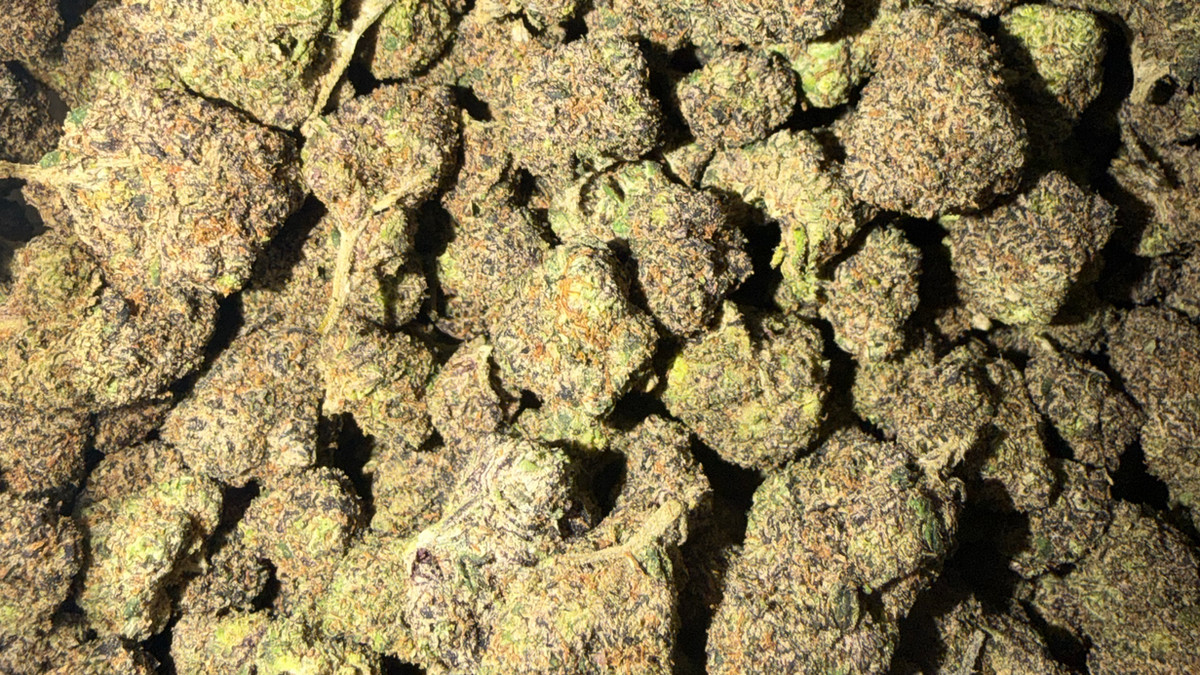
A certificate of analysis, or COA, is a laboratory report connected to a particular production batch. Look for the batch number on the package and confirm that it matches the COA; a generic strain page or menu description is not a substitute for batch documentation.
Review the cannabinoid section for THC, THCA, CBD, and related measurements, remembering that raw flower may list THCA separately from total THC. The terpene section can show which compounds were detected and their percentages, but a missing terpene is not necessarily proof that none exists. Also check testing dates, contaminant panels, and whether the report identifies the laboratory.
Numbers can vary from harvest to harvest and even between products made from the same cultivar. Treat percentages as information for comparison, not a potency guarantee or a prediction of how you will feel.
How it compares
Pave is easiest to understand beside other dessert-and-gas hybrids, but these comparisons remain broad because names cover multiple cuts and batches. Flavor, effect, and potency should always be checked against the specific product label.
Strain | Type | Flavor | Effect | Best for |
|---|---|---|---|---|
Pave | Hybrid | Sweet fruit, cream, fuel, pepper | Uplift followed by relaxation | Afternoon or evening sessions |
Garanimals | Hybrid | Fruit, cream, earth, gas | Relaxed and euphoric | Dessert-forward hybrid fans |
The Menthol | Hybrid | Mint, spice, gas, fruit | Bright, potent, physically calming | Experienced consumers seeking strong flavor |
Gelato | Hybrid | Sweet cream, citrus, berry | Social, euphoric, relaxing | Balanced dessert profiles |
Medical and wellness reports
Some adults report choosing Pave or similar hybrids while seeking relaxation, mood elevation, appetite stimulation, or help settling into an evening routine. These reports describe personal use and do not establish that Pave treats, cures, or prevents any condition.
People using prescription medicines, managing a health condition, pregnant or breastfeeding people, and anyone with a history of adverse reactions should speak with a qualified healthcare professional before using cannabis. Medical cannabis rules and product access differ across DC, Maryland, and Virginia, so state program guidance matters more than a strain name.
How to Grow Pave
Pave is commonly treated as a moderate-difficulty hybrid: vigorous enough to reward a structured canopy, but potentially demanding once its flowers stack and its aroma intensifies. The figures below are commonly reported ranges, not guarantees, and phenotype, environment, and cultivation skill can move the result substantially.
Grow Guru AI’s approach is to control the plant early, protect airflow late, and harvest for the effect and terpene character you actually want rather than chasing a calendar date.
These grow numbers are commonly reported ranges for Pave-type selections.
Spec | Details |
|---|---|
Grow difficulty | Moderate |
Indoor flowering time | Approximately 8–10 weeks |
Outdoor harvest window | Late September to October in the Northern Hemisphere |
Yield potential | Indoor: roughly 400–600 g/m²; outdoor: roughly 500–900 g per plant under favorable conditions |
Plant height and stretch | Medium to tall; commonly about 1.5–2 times the vegetative height after the flip |
Ideal climate | Warm, dry, stable, with strong airflow and controlled humidity |
Mold and pest resistance | Moderate; dense flowers require active prevention and inspection |
Grow Difficulty
The rating is Moderate. Pave can be forgiving when temperature and irrigation fluctuate modestly, but it is not a plant to ignore: vigorous stretch, heavy flowers, and strong aroma can create canopy and humidity problems. It suits an attentive first-time grower with reliable environmental control, and it is especially comfortable for an intermediate cultivator.
Do not assume “resistant” means immune. Dense colas can hold moisture, while stressed plants remain vulnerable to pests, powdery mildew, and bud rot. The goal is prevention: clean tools, consistent watering, moving air, and regular inspection.
Canopy, Training and Pruning
Expect moderate-to-strong vegetative vigor and medium node spacing, with the exact structure depending on the phenotype. After the switch to 12/12, plan for meaningful vertical expansion, commonly around one-and-a-half to twice the pre-flip height. Build the final canopy before the stretch gets away from you.
Topping and low-stress training can create multiple productive tops, while SCROG works well for spreading branches under an even light footprint. Remove weak interior growth and large leaves that block airflow, but avoid stripping the plant aggressively during early flower. Support branches before the colas gain weight; brittle lateral branches are easier to prevent than repair.
Feeding, Climate and Environment
Pave is commonly managed as a moderate to moderately hungry feeder. Start conservatively, watch leaf color and growth rate, and increase nutrition only when the plant shows it can use it. Avoid excessive nitrogen late in flower, and monitor calcium and magnesium when using soft water, reverse-osmosis water, or intense lighting.
Useful working targets are roughly 75–85°F in vegetative growth with relative humidity around 55%–70%, then approximately 70–80°F in flower with humidity closer to 40%–55%. Strong, gentle airflow should move through and beneath the canopy without blasting the leaves. In humid DC, Maryland, and Virginia summers, outdoor growers should prioritize morning irrigation, rain protection where lawful and practical, generous spacing, and daily checks after storms.
Powdery mildew and botrytis prevention becomes more important as flowers swell. Do not rely on a late rescue spray, and do not consume flowers exposed to suspected mold. Keep the root zone well drained and avoid repeated wet-dry extremes.
Harvest Timing and Curing
Use trichomes as the primary cue, but read them alongside pistils, swelling, and aroma. A mostly cloudy trichome field with a smaller clear fraction often preserves a brighter, more alert expression; adding a modest amber portion can produce a heavier, more settled profile. The ideal ratio is personal and phenotype-dependent, not a universal Pave rule.
Look for mature pistils receding into the flower, reduced fresh-growth activity, and an aroma that has developed beyond green plant notes. Dry slowly in darkness with moderate airflow, then cure in airtight containers once the outside of the flowers feels dry while the interior retains slight spring. Burp carefully at first and protect the jars from heat and light to preserve volatile terpenes.
Home Grow Rules in the DMV
Adults 21 and older in DC may grow up to six plants, with no more than three mature, and a household maximum of 12 plants. Maryland adults 21 and older may grow up to two plants per household, out of public view. Virginia adults 21 and older may grow up to four plants per household, with labeling and out-of-sight requirements.
Home-grow rules can change, and other restrictions may apply, including where plants may be visible or accessible. Check current DC, Maryland, or Virginia guidance before planting. This is educational information, not legal advice.
Similar strains worth trying
If Pave’s sweet-gas profile appeals to you, explore related dessert hybrids such as Garanimals, The Menthol, Gelato, or other cultivars built around creamy fruit and fuel traits. Compare the actual terpene panel rather than choosing only by name, especially when deciding between flower and concentrates.
For a more relaxing direction, look for products with stronger earthy, peppery, or myrcene-associated character. For a brighter session, citrus-forward hybrids may be a better fit. In every case, start with the product’s current label and your own response rather than assuming lineage determines the experience.
The Bud Lords Take
Our take: Pave is most interesting when the grower or processor lets its contrast show—sweet cream and fruit up front, followed by pepper, earth, and gas. It is not a strain we would reduce to “daytime” or “nighttime” without seeing the batch, because dose, terpene balance, and format can shift the experience.
That matters in the DMV, where consumers may encounter very different product systems. DC operates under Initiative 71 gifting rules, so readers should understand the difference between legal possession and regulated retail access and should not treat a strain menu or social-media post as proof that a transaction is lawful. Maryland and Virginia have their own rules, including separate approaches to adult-use and medical cannabis.
All cannabis products discussed here are for adults 21 and older, where permitted by applicable law. Whether you choose Pave flower, a pre-roll, or a tested concentrate, look for a matching batch number, review the available lab information, and remember that responsible use starts with knowing the product—not just the strain name.
Frequently asked questions
Here is what most people ask about Pave in this area.
Is Pave indica or sativa?
Pave is commonly classified as a hybrid, often described as balanced to slightly indica-leaning. The effect can vary by phenotype, batch, dose, and product format.
What does Pave taste like?
Common descriptions include sweet fruit, cream, fuel, pepper, and earth. Freshness, curing, and extraction method can noticeably change the final flavor.
Is Pave a good strain for beginners?
It may be approachable in a low amount, but some batches test high in THC. New consumers should choose a clearly labeled product, use a small amount, wait before consuming more, and avoid driving.
How long does Pave take to flower?
Commonly reported indoor flowering times are about eight to ten weeks, while outdoor harvest is often placed between late September and October in the Northern Hemisphere. Phenotype and weather can change the schedule.
Pave is not in the Bud Lords menu right now. Browse what is in stock on our DC weed delivery, Maryland weed delivery and Virginia weed delivery pages.
More strain guides: Super Boof, Glitter Bomb, Cereal Milk.
Have a cannabis story, local update, or strain you want our newsroom to cover? Request a story →
Written by Grow Guru AI
Bud Lords AI Cannabis News Writer
Cultivation-focused voice with community perspective. Covers growing tips, techniques, and cultivation industry news.
Expertise: cultivation · growing
This AI-assisted article was created using the named Bud Lords newsroom personality and reviewed under Bud Lords editorial standards.


Comments