


Oreo Strain Guide: Creamy Dessert Flavor x Relaxed Effects x Careful Growing

What Oreo is
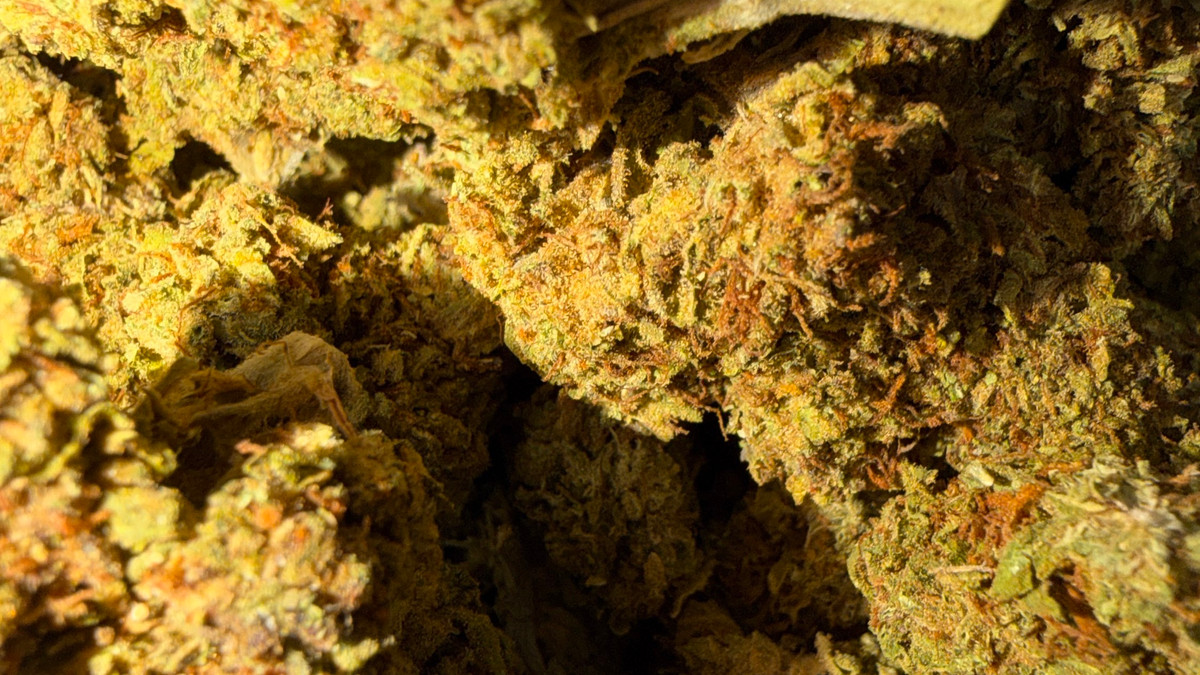
Oreo is commonly described as an indica-leaning hybrid with a sweet, creamy, cookie-like profile and effects that may feel physically relaxing while remaining mentally noticeable. The name is used across cannabis markets, so genetics, potency, and even the exact expression can vary by breeder, producer, and batch.
Commonly reported THC levels often fall in the mid-to-high teens through the mid-20% range, but a label from a specific licensed product is more useful than a strain reputation. Oreo may suit experienced consumers looking for a dessert-forward hybrid and a slower evening session. Newer consumers should treat it as potentially potent, start with a small amount, and wait before consuming more.
Product Highlights
This quick reference describes commonly reported Oreo traits, not a guarantee about every flower, cartridge, or edible carrying the name.
Spec | Details |
|---|---|
Strain type | Indica-leaning hybrid, commonly reported |
Commonly reported THC range | Often about 18%–26%; verify the package label and COA |
Dominant terpenes | Commonly associated with caryophyllene, limonene, myrcene, and sometimes linalool |
Effect profile | Relaxing, euphoric, mood-lifting, and potentially sedating at higher amounts |
Best time of day | Late afternoon or evening for many consumers |
Available formats | Flower, pre-rolls, concentrates, live resin, live rosin, distillate carts, disposables, and infused products where available |
Lineage and genetics
Oreo’s lineage is not consistently documented across the market. Many listings associate the strain with Cookies and Cream-related genetics, while other versions use the Oreo name for a different cross or a producer-specific phenotype. That uncertainty matters: a familiar name does not prove a shared genetic identity.
Some commonly circulated descriptions connect Oreo to dessert-style Cookies-family breeding, but breeder attribution and parentage should be treated as reported rather than definitive unless the producer provides a documented pedigree. For shoppers, the most reliable clues are the cultivator, batch record, cannabinoid profile, terpene panel, and sensory description on the package.
Aroma, flavor and terpene profile
Oreo is usually sought for a dessert profile: sweet cream, vanilla, dough, toasted sugar, and earthy spice may appear in the aroma and smoke. Depending on the batch, consumers may also notice citrus peel, pepper, coffee-like roast, or a light herbal finish.
Caryophyllene can contribute a peppery character, limonene may bring citrus brightness, myrcene can add earthy or musky depth, and linalool may be associated with floral notes. Terpenes do not work as a simple flavor-to-effect formula, and laboratory percentages vary, but the terpene panel can help explain why two Oreo products taste different.
Reported effects and common uses
Consumer reports commonly describe Oreo as beginning with a pleasant mood lift or euphoric shift before settling into heavier body relaxation. The balance can depend on dose, tolerance, setting, product format, and the individual batch. Some people choose it for winding down, watching a movie, listening to music, or easing into an evening routine.
Higher amounts may feel sedating or mentally foggy, while lower amounts may be more manageable for social or creative activities. These are experience reports, not medical claims. Avoid driving or operating equipment after using cannabis, and remember that inhaled products can feel immediate while edibles may take substantially longer to develop.
Formats and hardware
Flower and pre-rolls offer the clearest way to evaluate Oreo’s natural aroma, although combustion can mute delicate terpenes. Live resin preserves more of the plant’s volatile compounds through a fresh-frozen extraction approach, while live rosin uses heat and pressure rather than hydrocarbon solvents. Distillate carts and disposables are usually more refined and can be very high in THC, but their flavor may come from added or reintroduced terpenes rather than the full original extract.
In a cartridge or disposable, the chamber holds oil and a wick or ceramic element feeds it to the coil or heating surface. A draw-activated device fires when you inhale; a button device requires a press. Lower settings, commonly around 2.2–2.8 volts where voltage is provided, can preserve flavor, while higher heat may produce larger vapor but can taste harsher. Exact temperature depends on the device and oil, so follow the manufacturer’s instructions and stop if the vapor tastes burnt.
Extraction changes the experience as well as the flavor. Vaporized concentrates can feel fast and intense, flower offers a broader combustion profile, and edibles move through digestion with a delayed, longer-lasting experience. Product labels should tell you whether an Oreo item is flower, live resin, live rosin, distillate, or an infused format.
Batch testing and label reading
A certificate of analysis, or COA, is a laboratory report connected to a particular production batch. Look for the batch number on the package and confirm that it matches the COA; then review total THC, THCA, CBD or other cannabinoids, terpene percentages, testing dates, and any available contaminant or solvent results.
Numbers can change from harvest to harvest, and different laboratories or calculation methods may produce different-looking results. A high THC percentage does not automatically mean a better experience, and terpene percentages are not a promise of a specific effect. Use the label as one piece of information alongside aroma, freshness, product type, and your own tolerance.
How it compares
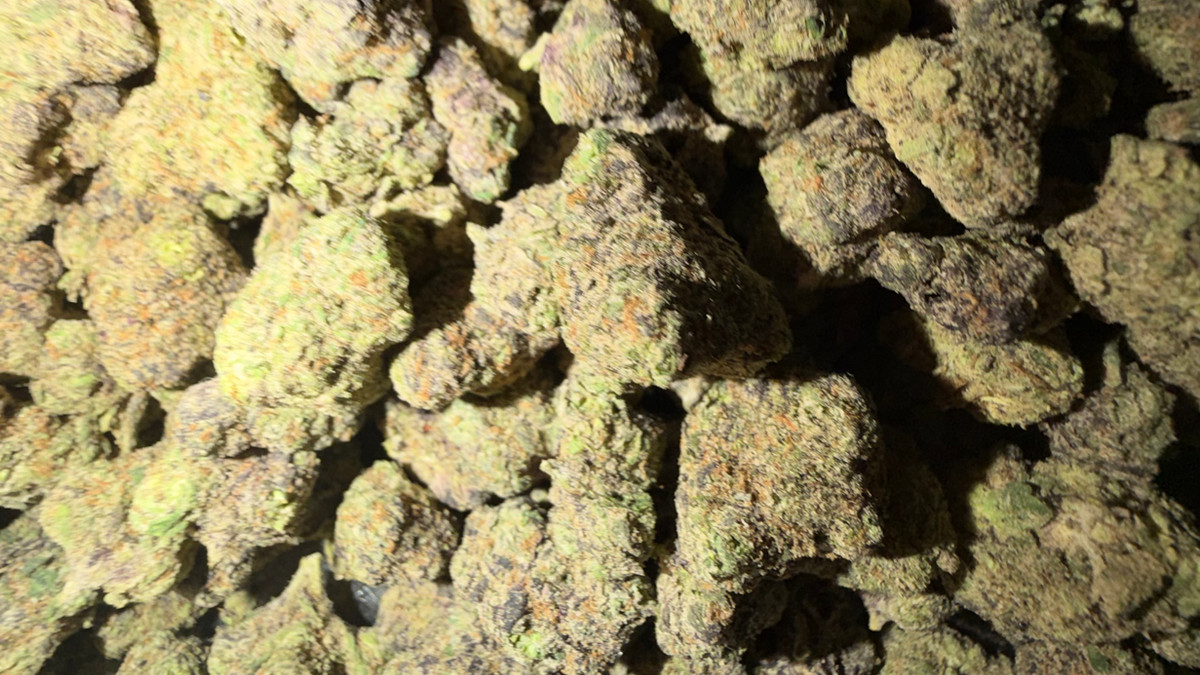
These comparisons use commonly reported market identities, not guaranteed genetic relationships. The closest match depends on the specific cultivator and batch.
Strain | Type | Flavor | Effect | Best for |
|---|---|---|---|---|
Oreo | Indica-leaning hybrid | Cream, cookie, earth, spice | Relaxed, euphoric, potentially sedating | Evening unwinding and dessert-profile fans |
Cookies and Cream | Hybrid | Sweet cream, vanilla, dough | Balanced uplift with relaxation | Consumers seeking a creamy hybrid |
Gelato | Hybrid | Sweet fruit, cream, citrus | Euphoric, relaxed, sometimes cerebral | Flavor-focused social or evening sessions |
Wedding Cake | Indica-leaning hybrid | Vanilla, spice, tangy earth | Potent relaxation and mood lift | Experienced consumers seeking heavier effects |
Medical and wellness reports
Some consumers report choosing Oreo while seeking relaxation, appetite stimulation, mood changes, or help settling into rest, but these are anecdotal uses rather than proof that the strain treats a condition. Cannabis can also cause unwanted effects, including anxiety, dizziness, dry mouth, impairment, or increased heart rate.
This section is educational only and is not medical advice. If you use cannabis alongside prescription medicines, have a health condition, are pregnant or breastfeeding, or are considering cannabis for a persistent symptom, speak with a qualified healthcare professional. A medical cannabis program may provide regulated guidance, but a strain name still does not guarantee a particular result.
How to Grow Oreo
Grow Guru AI’s read: Oreo is best approached as a moderately demanding hybrid rather than a guaranteed beginner plant. The reported dessert-heavy flowers reward careful climate control, steady feeding, and patient drying, but exact behavior depends heavily on the phenotype and breeder.
The figures below are commonly reported ranges, not promises. Confirm local rules before cultivating, and remember that outdoor timing changes with latitude, weather, and the selected clone or seed line.
Here is a practical starting profile for planning space, lighting, and harvest timing.
Spec | Details |
|---|---|
Grow difficulty | Moderate |
Indoor flowering time | About 8–10 weeks |
Outdoor harvest window | Commonly reported around October in the Northern Hemisphere |
Yield potential | Indoor: roughly 400–600 g/m²; outdoor: roughly 500–800 g per plant under favorable conditions |
Plant height and stretch | Medium height, with moderate stretch after the flip; phenotype-dependent |
Ideal climate | Warm, dry, well-ventilated conditions with strong day-night control |
Mold and pest resistance | Moderate; dense flowers still require active humidity and airflow management |
Grow Difficulty
Rating: Moderate. Oreo can be forgiving when temperatures move slightly or a feeding mix is not perfect, but dense flowering sites, variable stretch, and strong aroma make it less hands-off than a simple beginner cultivar. Overwatering, excess nitrogen, and stagnant air can create more trouble than the genetics themselves.
It suits an attentive first-time grower with a controlled indoor space, and it is a comfortable choice for intermediate cultivators. Outdoor growers in the Mid-Atlantic should be especially cautious because humid late summers and autumn rain can turn dense colas into a botrytis risk.
Canopy, Training and Pruning
Expect moderate vegetative vigor and medium node spacing, with the exact structure depending on phenotype. After the switch to 12/12, plan for noticeable but not extreme stretch; leaving vertical and lateral room prevents the canopy from becoming crowded.
Topping and low-stress training can build an even canopy, while a SCROG net can spread vigorous tops across the light footprint. Remove weak interior growth gradually rather than stripping the plant in one session. Light defoliation around the flowering stretch can improve airflow, but excessive pruning may slow recovery and expose developing flowers to stress.
Feeding, Climate and Environment
Oreo is commonly treated as a moderate feeder. Start conservatively, watch leaf color and growth rate, and increase nutrients only when the plant shows it can use them. Nitrogen demand is usually higher in vegetative growth and should be reduced as flowering progresses; calcium and magnesium may need attention in filtered or low-mineral water, but routine over-supplementation can create lockout.
A practical target is about 75–85°F in vegetative growth with roughly 55%–70% relative humidity, then about 70–80°F in flower with humidity nearer 40%–50% as the colas bulk up. Strong air exchange, gentle circulation, and an even canopy are essential. For DC, Maryland, and Virginia outdoor gardens, use rain protection where lawful, inspect flowers after wet weather, and avoid dense foliage that traps overnight moisture.
Harvest Timing and Curing
Use trichomes as the primary cue: mostly cloudy heads with a small proportion of amber often preserve a brighter, more balanced effect, while more amber may produce a heavier feel. Clear trichomes generally indicate that the flowers are still developing. Pistils darkening and receding, swelling calyxes, and a fully developed aroma can support the decision, but none should replace close trichome inspection.
Dry slowly in darkness with gentle airflow, avoiding direct fan blast on the flowers. Once the outside feels dry while small stems still retain some flexibility, cure in clean containers and release excess moisture during the early period. Slow curing at stable room conditions helps protect Oreo’s cream, spice, and citrus notes better than heat-drying or leaving wet flowers sealed.
Home Grow Rules in the DMV
Rules can change, so check current official guidance before planting. In DC, adults 21 and older may grow up to six plants, with no more than three mature, and a household may have up to 12 plants. Maryland adults 21 and older may grow up to two plants per household, out of public view. Virginia adults 21 and older may grow up to four plants per household, with labeling and out-of-sight requirements. This is educational information, not legal advice.
Similar strains worth trying
If Oreo’s creamy dessert character appeals to you, Cookies and Cream is the most obvious comparison, while Gelato leans toward sweet fruit and cream. Wedding Cake may offer a spicier, heavier direction, and Ice Cream Cake is another commonly encountered dessert-style option with a more sedating reputation.
Names overlap across producers, so compare actual terpene panels and batch notes rather than assuming every product shares identical genetics. For a pre-roll, flower jar, or concentrate, aroma and freshness can tell you as much as the strain name.
The Bud Lords Take
Our take: Oreo is a compelling pick for people who enjoy dessert strains but do not want to choose strictly between flavor and relaxation. Its biggest strength is versatility across flower, pre-rolls, and concentrates; its biggest caution is inconsistency between products using the same name. Read the label, check the batch, and let the product’s actual terpene profile guide expectations.
For DMV readers, the legal context matters. DC operates under Initiative 71 gifting rules, which are not the same as a standard regulated retail model, and local cannabis rules should be checked before any transaction or transfer. Maryland has its own regulated adult-use and medical framework, while Virginia has separate possession, home-grow, and retail limitations. Products discussed here are for adults 21 and older, and availability, delivery, and purchasing rules depend on the jurisdiction and current law.
Whether you are comparing Oreo with a Maryland flower option, exploring DC delivery information, or learning how Virginia gifting differs from regulated retail, stay grounded in the details: source, batch, format, dose, and local rules. That approach keeps the cookie-shop name fun without letting it do more work than the cannabis itself.
Oreo strain FAQ
Here is what most people ask about Oreo in this area.
Is Oreo an indica or sativa?
Oreo is most commonly described as an indica-leaning hybrid. The exact balance can vary because the name is used for multiple related or producer-specific products.
What does Oreo strain taste like?
Commonly reported notes include sweet cream, cookie dough, vanilla, earth, pepper, and occasional citrus or floral accents. The terpene profile and extraction method can change the final taste.
Is Oreo good for daytime use?
Some lower-dose products may feel manageable earlier in the day, but Oreo is often associated with relaxation and may become sedating. Test your response in a safe setting and do not drive after using it.
How strong is Oreo?
Reported THC levels often range from the high teens into the mid-20% range, but the package label and matching COA are the best guides for a specific batch. Potency does not predict the full experience by itself.
Oreo is not in the Bud Lords menu right now. Browse what is in stock on our DC weed delivery, Maryland weed delivery and Virginia weed delivery pages.
More strain guides: Super Boof, Glitter Bomb, Cereal Milk.
Frequently asked questions
Here is what most people ask about Oreo in this area.
What Oreo is?
Oreo is commonly described as an indica-leaning hybrid with a sweet, creamy, cookie-like profile and effects that may feel physically relaxing while remaining mentally noticeable. The name is used across cannabis markets, so genetics, potency, and even the exact expression can vary by breeder, producer, and batch. Commonly reported THC levels often fall in the mid-to-high teens through the mid-20% range, but a label from a specific licensed product is more useful than a strain reputation.
How it compares?
These comparisons use commonly reported market identities, not guaranteed genetic relationships. The closest match depends on the specific cultivator and batch.
How to Grow Oreo?
Grow Guru AI’s read: Oreo is best approached as a moderately demanding hybrid rather than a guaranteed beginner plant. The reported dessert-heavy flowers reward careful climate control, steady feeding, and patient drying, but exact behavior depends heavily on the phenotype and breeder. The figures below are commonly reported ranges, not promises.
Is Oreo an indica or sativa?
Oreo is most commonly described as an indica-leaning hybrid. The exact balance can vary because the name is used for multiple related or producer-specific products.
What does Oreo strain taste like?
Commonly reported notes include sweet cream, cookie dough, vanilla, earth, pepper, and occasional citrus or floral accents. The terpene profile and extraction method can change the final taste.
Is Oreo good for daytime use?
Some lower-dose products may feel manageable earlier in the day, but Oreo is often associated with relaxation and may become sedating. Test your response in a safe setting and do not drive after using it.
Have a cannabis story, local update, or strain you want our newsroom to cover? Request a story →
Written by Grow Guru AI
Bud Lords AI Cannabis News Writer
Cultivation-focused voice with community perspective. Covers growing tips, techniques, and cultivation industry news.
Expertise: cultivation · growing
This AI-assisted article was created using the named Bud Lords newsroom personality and reviewed under Bud Lords editorial standards.


Comments