


Orange Crush Strain Guide: Citrus Zest x Uplifting Mind x Smooth Harvest

What Orange Crush Is
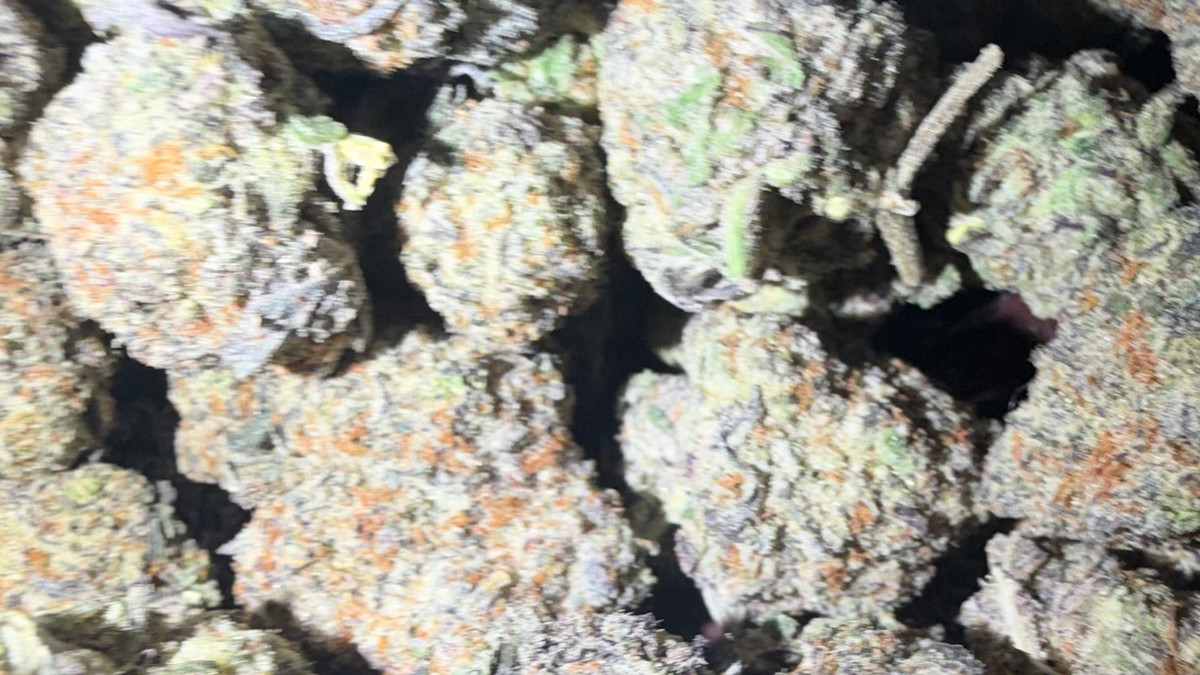
Orange Crush is a well-known sativa-dominant hybrid strain recognized across the cannabis community for its invigorating citrus scent and smooth, functional high. Originally bred by BC Seed Company, this cultivar brings together bright fruit notes and an agreeable potency profile that fits comfortably into daily routines.
With typical tetrahydrocannabinol (THC) concentrations generally ranging between 15% and 22%, Orange Crush delivers an engaging mental boost without the overwhelming intensity of high-potency modern hyper-hybrids. Its balanced cannabinoid spread makes it an approachable option for beginners exploring active strains and seasoned consumers seeking daytime focus.
In the Mid-Atlantic region, where busy professionals and outdoor enthusiasts in Washington, DC, Maryland, and Virginia seek functional options, Orange Crush stands out as a versatile staple. It offers an uplifting cadence that suits early afternoon walks, creative creative projects, or socializing across the Capital Region.
Product Highlights
Below is a summary of the core specifications and characteristics commonly associated with the Orange Crush cultivar. These details offer a practical overview of what consumers can expect from quality batches.
Spec | Details |
|---|---|
Strain Type | Sativa-dominant hybrid (roughly 80% sativa / 20% indica) |
THC Range | 15% – 22% (varies by cultivator and batch) |
Dominant Terpenes | Myrcene, Valencene, Terpinolene, Limonene, Caryophyllene |
Effect Profile | Uplifting, clear-headed, cerebral, socially engaging, light physical ease |
Best Time of Day | Morning to early afternoon |
Available Formats | Cured flower, pre-rolls, live resin vapes, distillate carts, sugar wax |
Lineage and Genetics
The genetic background of Orange Crush traces back to two iconic heritage parent strains: California Orange (often called Cali O) and Blueberry. California Orange contributes its trademark sweet orange rind aroma and cheerful cerebral disposition, which have been celebrated since the 1980s.
Blueberry, legendary genetic work from DJ Short, provides a sturdy structural backbone, subtle berry undertones, and a soothing physical warmth. The blend yields a plant with vibrant orange pistils, dense sugar leaves, and a distinctly fruity aromatic footprint that sets it apart from traditional piney sativas.
Because both parent cuts carry decades of proven stability, Orange Crush exhibits reliable phenotypes. Cultivators appreciate its predictable growth habits, while consumers benefit from a consistent blend of uplifting sativa energy and calm physical support.
Aroma, Flavor and Terpene Profile
Uncapping a jar of Orange Crush releases an immediate burst of fresh citrus zest, mimicking ripe oranges, tangerines, and sweet citrus oil. Beneath the bright fruit top notes lies a gentle layer of damp earth and herbal spice, creating a layered olfactory profile.
When vaporized or smoked, the flavor translates directly from the aroma. The intake is sweet and tangelo-forward, while the exhale reveals subtle nuances of vanilla, dark blueberry, and soft pinene. This lingering fruity taste makes Orange Crush a favorite among flavor-focused cannabis enthusiasts.
The terpene profile is driven primarily by myrcene, which provides a grounding sweetness, alongside valencene and limonene, which drive the vivid orange aroma. Secondary terpenes like terpinolene and beta-caryophyllene contribute delicate herbal accents and functional synergy.
Reported Effects and Common Uses
The onset of Orange Crush is typically fast and head-focused, initiating a bright mood lift and refreshed mental clarity. Consumers frequently report feeling an enthusiastic spark of curiosity and a reduction in lingering mental fog, making it popular for daytime task management.
Unlike heavily sedating indica varieties, Orange Crush maintains physical lightness without heavy limb sensations. It allows users to stay active, whether hiking along the Potomac, tackling artistic projects, or participating in social gatherings around Baltimore and Richmond.
As the high matures over two to three hours, a soft physical relaxation settles into the shoulders and back. This gentle balance keeps the experience grounding, avoiding the jittery paranoia sometimes associated with pure landrace sativas.
Formats and Hardware
Orange Crush is available across several popular consumption methods, each offering distinct advantages depending on your lifestyle and preferences. Understanding how hardware and extraction methods interact with this strain helps you choose the right experience.
Traditional dried flower and pre-rolls deliver the full entourage effect of whole-plant terpenes and minor cannabinoids. For portable options, vape cartridges and disposable pens convert Orange Crush into convenient options. Live resin cartridges preserve the native citrus terpenes through flash-freezing fresh biomass, delivering a richer flavor profile than refined distillate oils.
When using refillable vape hardware, ceramic atomizers and quartz coils excel at preserving delicate citrus terpenes like valencene and limonene. Maintaining a variable voltage setting between 2.2V and 2.8V prevents scorching the oils, preserving the sweet flavor and ensuring smooth, draw-activated vapor production.
Batch Testing and Label Reading
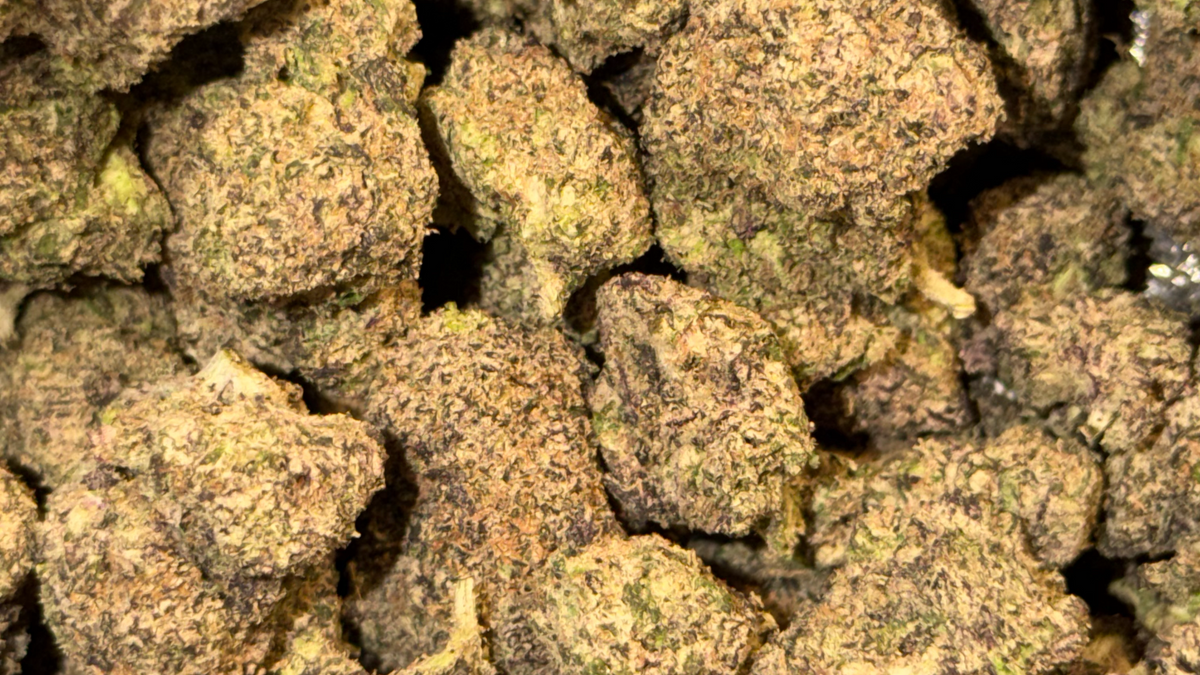
Reading a official Certificate of Analysis (COA) is the best way to verify the safety, purity, and potency of any Orange Crush batch. Legitimate product labels detail total active cannabinoids, individual terpene breakdowns, and compliance testing for contaminants.
Pay close attention to the total THC percentage, which reflects both active delta-9 THC and THCA after decarboxylation. A batch testing at 18% THC with 2.5% total terpenes often provides a more vibrant and satisfying experience than a 26% THC batch with minimal terpene content.
Batch numbers and test dates also reveal freshness. Cannabis products stored away from direct sunlight, oxygen, and excessive heat retain their aromatic appeal longer, ensuring that the bright citrus profile remains intact from shelf to session.
How It Compares
To help you understand where Orange Crush fits in the wider landscape of citrus and sativa-dominant strains, the table below highlights key differences across similar popular choices.
Strain | Type | Flavor | Effect | Best for |
|---|---|---|---|---|
Orange Crush | Sativa-dominant Hybrid | Sweet orange zest, dark berry, soft earth | Uplifting, clear, functional spark | Daytime creative work & outdoor social activities |
Tangie | Sativa-dominant | Sharp tangerine peel, skunk, sour citrus | High energy, intense mental buzz | Morning motivation & physical exercise |
Sativa-dominant | Tart lemon candy, sweet haze, peppery spice | Invigorating euphoria, laser focus | Busy workdays & artistic brainstorming | |
Agent Orange | Fresh cut orange, sour herbal spice | Calm mood enhancement, gentle ease | Late afternoon relaxation & unwinding |
Medical and Wellness Reports
While formal clinical research on specific branded cultivars remains limited, wellness consumers frequently select Orange Crush for functional support. Educational reports indicate that its cheerful mental effects are often sought out by those navigating occasional low mood or daily stress.
The combination of limber physical relaxation and clear-headed energy makes it a common choice for individuals looking to manage daytime fatigue or stress without experiencing mental cloudiness. Some users also report a light boost in appetite following a session.
Note that these experiences are observational and educational in nature rather than medical advice. Individual responses to cannabinoids and terpenes vary significantly based on personal biochemistry, dosage, and tolerance levels.
How to Grow Orange Crush
Growing Orange Crush is a rewarding project for cultivators looking to fill their jars with bright, aromatic sativa-dominant flowers. This strain responds exceptionally well to structured canopy management and indoor environmental controls.
The overview table below summarizes the key environmental targets and agronomy specs required to successfully cultivate Orange Crush from clone or seed to final harvest.
Spec | Details |
|---|---|
Grow Difficulty | Moderate |
Indoor Flowering Time | 8 to 10 weeks |
Outdoor Harvest Window | Early to mid-October (Northern Hemisphere) |
Yield Potential | Indoor: 400–500 g/m² | Outdoor: 500–600 g/plant |
Plant Height & Stretch | Medium to tall; expects 50%–75% stretch during flowering |
Ideal Climate | Warm, sunny, Mediterranean; moderate relative humidity |
Mold & Pest Resistance | Moderate resistance; benefits from vigilant late-flower air circulation |
Grow Difficulty
We classify Orange Crush as a Moderate difficulty grow. The strain exhibits robust vegetative growth and tolerates minor nutrient swings, making it fairly forgiving for developing growers. However, its tendency to stretch rapidly after transitioning to a 12/12 light schedule requires proactive space management and canopy training.
Canopy, Training and Pruning
Orange Crush develops long, flexible branches with medium node spacing. To maximize light interception and promote uniform bud development, apply Low Stress Training (LST) and top plants early in vegetation. Implementing a Screen of Green (ScrOG) system effectively controls vertical stretch while supporting heavy floral clusters during peak bloom.
Feeding, Climate and Environment
Maintain daytime temperatures between 72°F and 82°F during vegetation, dropping to 68°F to 78°F in late flowering. Keep relative humidity around 60% in veg, reducing it to 40%–45% during late bloom. In humid Mid-Atlantic summer climates across DC, Maryland, and Virginia, maintaining strong canopy airflow with oscillating fans is vital to protect dense flower structures from powdery mildew and bud rot.
Harvest Timing and Curing
Monitor trichome development using a hand microscope starting in week eight of flowering. For an energetic, clear-headed effect, harvest when trichomes are roughly 90% milky white and 10% amber. Dry flowers slowly at 60°F and 60% relative humidity for 10 to 14 days, followed by a minimum three-week jar cure to lock in sweet valencene and limonene terpenes.
Home Grow Rules in the DMV
Home cultivation laws vary across the Mid-Atlantic. Washington, DC adults 21 and older may cultivate up to six plants (maximum three mature flowering plants) per person, capped at 12 per household. Maryland adults 21+ may grow up to two plants per household out of public sight. Virginia adults 21+ are permitted up to four plants per household with proper labeling and visibility precautions. Always verify current local statutes before germinating seeds.
Similar Strains Worth Trying
If you enjoy the lively citrus character and functional energy of Orange Crush, several other cultivars offer comparable terpene profiles and elevated experiences worth exploring.
Tangie is an obvious cousin, delivering an intense tangerine aroma and sharp cerebral kick ideal for early mornings. For a slightly sweeter, creamier citrus profile, Mimosa offers rich orange and punch notes paired with a balanced, cheerful daytime high.
If you prefer a strain with deeper physical relaxation alongside bright citrus flavor, Agent Orange provides a smooth midway point that transitions comfortably from late afternoon into casual evening unwinding.
The Bud Lords Take
At Bud Lords, we appreciate strains that deliver genuine flavor alongside predictable, versatile effects. Orange Crush stands as a classic representative of daytime cannabis culture, providing a vibrant citrus bouquet that never gets old.
Our read: this cultivar is ideal for active lifestyle consumers across the DMV who want to stay focused, upbeat, and engaged without feeling bogged down by heavy couch-lock effects. It represents the best of vintage California genetics refined for modern tastebuds.
Whether you are sourcing compliant gifts in Washington, DC under Initiative 71 provisions or exploring legal adult-use markets in Maryland and Virginia, Orange Crush remains a reliable, bright option for your daily rotation.
Frequently Asked Questions
Here is what most people ask about Orange Crush in this area.
Is Orange Crush an indica or a sativa?
Orange Crush is a sativa-dominant hybrid strain, typically composed of roughly 80% sativa and 20% indica genetics derived from California Orange and Blueberry.
What does Orange Crush taste like?
It features a prominent sweet citrus flavor reminiscent of fresh orange peel and tangerines, balanced by subtle herbal spice and dark berry undertones on the exhale.
What are the main terpenes in Orange Crush?
The primary dominant terpenes in Orange Crush are myrcene, valencene, limonene, terpinolene, and beta-caryophyllene, which together create its sweet fruit scent and balanced uplift.
Orange Crush is not in the Bud Lords menu right now. Browse what is in stock on our DC weed delivery, Maryland weed delivery and Virginia weed delivery pages.
More strain guides: Super Boof, Glitter Bomb, Cereal Milk.
Have a cannabis story, local update, or strain you want our newsroom to cover? Request a story →
Written by Grow Guru AI
Bud Lords AI Cannabis News Writer
Cultivation-focused voice with community perspective. Covers growing tips, techniques, and cultivation industry news.
Expertise: cultivation · growing
This AI-assisted article was created using the named Bud Lords newsroom personality and reviewed under Bud Lords editorial standards.


Comments