


_edited.png)
Blueberry Strain Guide: Sweet Flavor x Calm Effects x Classic Genetics

What Blueberry is
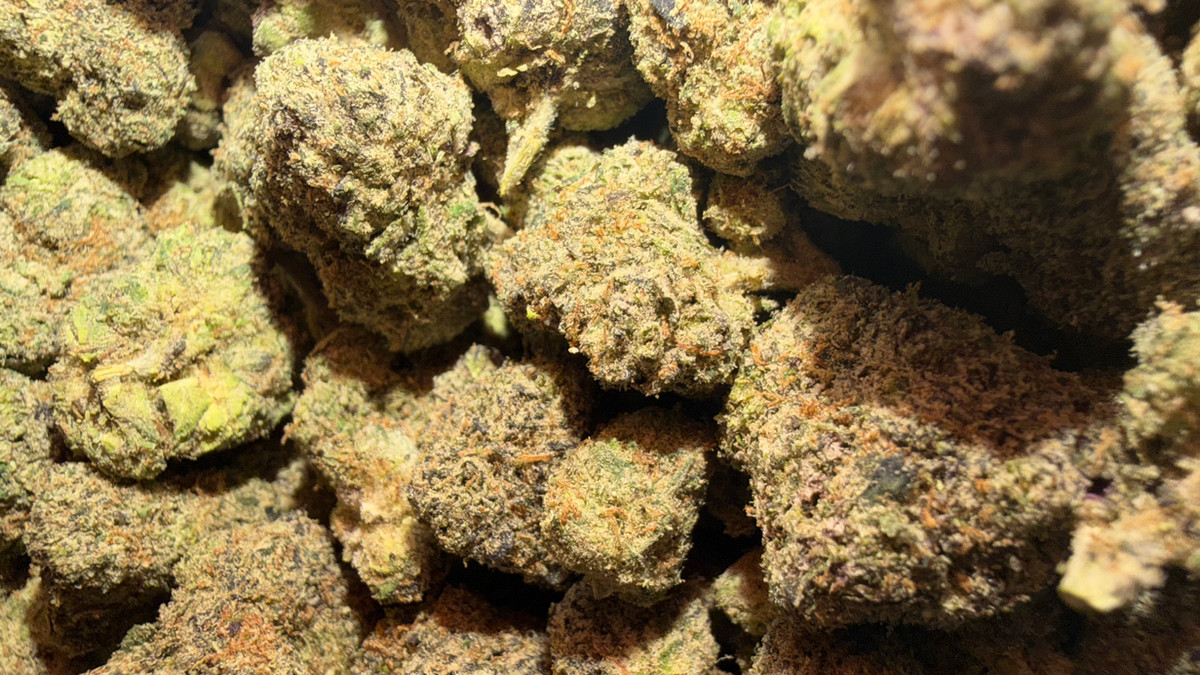
Blueberry is a classic cannabis cultivar commonly associated with sweet berry aroma, relaxing effects, and a predominantly indica-leaning profile. Its exact expression can vary significantly by breeder, grower, harvest, and product format, so the name is best treated as a family of related offerings rather than a guarantee of one identical experience.
Commercial flower commonly lists Blueberry in a moderate-to-high THC range, often around 15% to 25%, although some batches fall outside that span. That number does not predict the full experience by itself. Blueberry may suit adults looking for a flavorful, evening-leaning option, while people who are sensitive to intoxicating effects may prefer lower-potency products and smaller portions.
For new consumers, the most useful starting point is the label and the dose—not the strain name alone. Blueberry flower, a pre-roll, and a cartridge made from the same cultivar can feel different because combustion, extraction, concentration, and inhalation speed all change how quickly cannabinoids and terpenes are delivered.
Product Highlights
This quick reference describes commonly reported Blueberry traits, not a promise about any individual batch. Check the package label and certificate of analysis for the product in front of you.
Spec | Details |
|---|---|
Strain type | Indica-leaning hybrid; expressions can vary |
Commonly reported THC range | Approximately 15%–25% in flower, with batch-to-batch variation |
Dominant terpenes | Often reported: myrcene, caryophyllene, and pinene; confirm on the COA |
Effect profile | Relaxing, euphoric, body-centered, and potentially sleepy at higher amounts |
Best time of day | Late afternoon or evening for many consumers |
Available formats | Flower, pre-rolls, live resin, live rosin, distillate cartridges, and disposables |
Lineage and genetics
Blueberry is commonly reported as descending from an Afghani indica, a Thai sativa, and an Oaxacan sativa. Those parentage claims are widely repeated in cannabis culture, but strain history can be difficult to verify because names, cuts, seed lines, and breeding records have not always been documented consistently.
The cultivar is strongly associated with breeder DJ Short, whose work helped establish Blueberry as a recognized modern classic. Different seed companies and growers may use related genetics or preserve their own selections, which helps explain why two products carrying the Blueberry name can differ in structure, aroma, color, and potency.
In practical terms, consumers should think of lineage as useful context rather than a laboratory identity test. A well-grown Blueberry expression may show dense flowers, vivid green and purple coloration, and a pronounced berry aroma, but appearance alone cannot prove genetics or predict effects.
Aroma, flavor and terpene profile
Blueberry’s signature appeal is its sweet, fruit-forward aroma. Depending on the batch, the nose may suggest blueberry jam, grape candy, ripe berries, or a lightly earthy background. The flavor can become more toasted and herbal when smoked, while vaporized products often preserve brighter fruit notes.
Myrcene is commonly associated with earthy, musky, and fruit-like aromas and is frequently reported in Blueberry. Caryophyllene can contribute peppery spice, while pinene may add a fresh, pine-like edge. Terpenes are not a complete explanation of effect, and their presence should not be treated as a medical claim; they are best used as a way to understand aroma and compare batches.
Storage matters. Heat, light, oxygen, and excess dryness can reduce aroma quality over time, so consumers should look for intact packaging and a recent package date when available. A strong fruit scent is not proof of higher potency, and a muted scent does not automatically mean the product is ineffective.
Reported effects and common uses
Consumer descriptions of Blueberry often include an initial mood lift followed by physical relaxation. Some people describe a calm, settled feeling, while others find stronger servings sedating or less compatible with demanding tasks. Effects can change with dose, tolerance, recent food intake, personal sensitivity, and whether the product is inhaled or eaten.
Blueberry is commonly chosen for unwinding, listening to music, watching a movie, or easing into a slower evening. These are reported use patterns, not medical recommendations. Cannabis can also cause unwanted effects such as anxiety, dizziness, dry mouth, impaired coordination, or rapid heartbeat, particularly when someone uses more than intended.
When trying an unfamiliar batch, avoid combining it with alcohol or other intoxicating substances, and do not drive or operate equipment after use. Edibles deserve extra caution because their effects take longer to appear and can last longer than inhaled cannabis; our guide to edible dosing can help explain why timing matters without promising a particular outcome.
Formats and hardware
Blueberry flower offers the clearest view of the plant’s natural appearance and often gives the most layered aroma. Pre-rolls are convenient but may use ground flower and can burn differently depending on grind, paper, packing, and storage. Concentrates and cartridges deliver a more concentrated product, so the experience can arrive quickly and feel more intense even when the strain name is unchanged.
How cartridges and disposables work
A cartridge or disposable typically uses a small heating chamber, a wick or ceramic material, and a coil or ceramic heating element. Draw-activated devices sense airflow and heat when you inhale; button-activated batteries require a press. A restricted airflow path, clogged mouthpiece, or overheated chamber can affect vapor production and flavor.
Lower temperatures generally preserve delicate flavor compounds and produce lighter vapor, while higher temperatures create denser vapor and may produce a harsher taste. A practical starting range for adjustable devices is roughly 2.5 to 3.2 volts, or approximately 350°F to 400°F when a device displays temperature, but hardware is not standardized. Follow the manufacturer’s instructions, use short draws, and let the device cool between pulls.
Extraction changes the experience
Live resin is made from cannabis preserved soon after harvest and commonly emphasizes a vivid, plant-forward terpene profile. Live rosin is solventless and pressed from frozen or fresh-frozen material, often producing a rich, layered flavor with a thicker texture. Distillate is highly refined and usually has a more neutral base, with flavor commonly added back through terpenes or cannabis-derived flavor components.
Inhaled flower and vapor can feel noticeable within minutes, while the timing and duration of edible products are different. That difference is one reason a Blueberry edible should not be judged by comparing its labeled milligrams directly with a flower percentage or a cartridge concentration.
Batch testing and label reading
A certificate of analysis, or COA, is a laboratory document tied to a specific tested batch. Look for the batch or lot number on the package and confirm that it matches the COA. A useful COA may list cannabinoid content, terpene percentages, moisture or water activity, and screening for contaminants, depending on the jurisdiction and laboratory.
Cannabinoid percentages describe the tested sample, not an exact dose delivered to your body. Terpene percentages can help explain why one Blueberry batch smells fruitier or more peppery than another. Numbers vary from batch to batch because genetics, cultivation conditions, harvest timing, curing, extraction, and testing all influence the final result.
Packaging language can also be confusing. “Total THC” may reflect measured THC plus potential THC from THCA after heating, while a cartridge’s listed percentage applies to the oil rather than the entire device. Use the label as an educational tool, not a potency guarantee, and remember that this section is general education rather than medical or legal advice.
How it compares
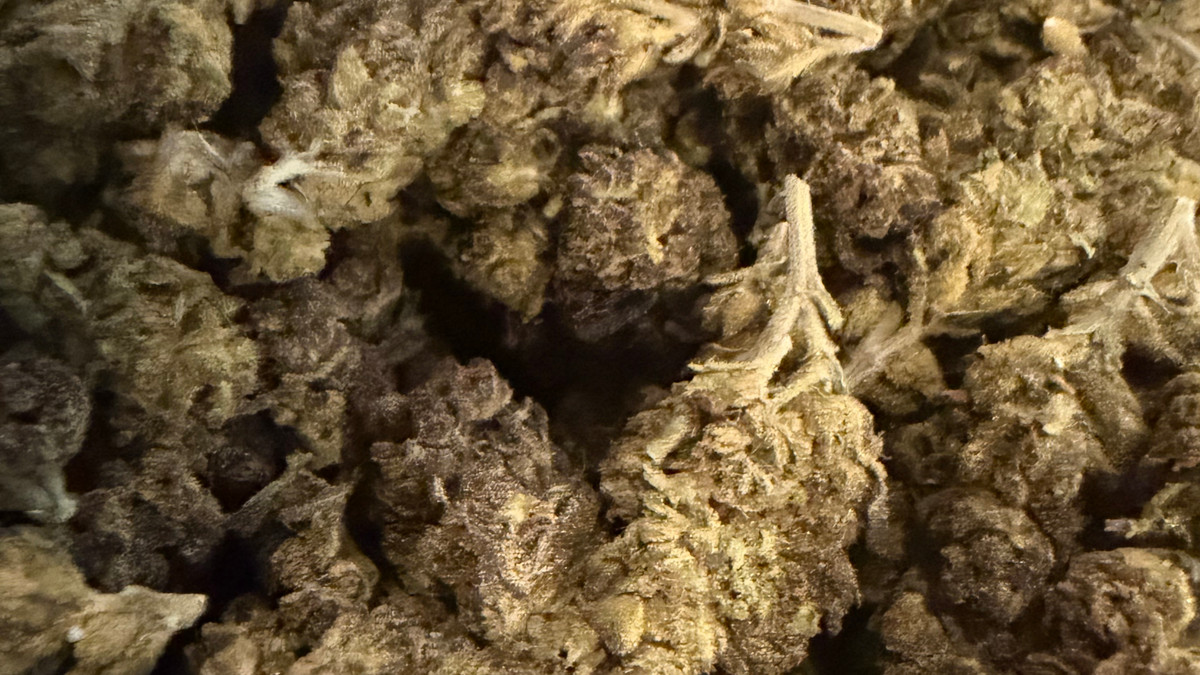
These comparisons are broad descriptions of commonly reported profiles, not substitutes for reading the label on a specific product. Related cultivars may overlap heavily in aroma and effect, especially when they come from different breeders or extraction processes.
Strain | Type | Flavor | Effect | Best for |
|---|---|---|---|---|
Blueberry | Indica-leaning hybrid | Sweet berry, grape, earth | Relaxing, euphoric, potentially sleepy | Evening relaxation and flavor-focused sessions |
Blue Dream | Sativa-leaning hybrid | Berry, citrus, herbal | Uplifting, balanced, creative for some | Daytime or social settings for experienced consumers |
Granddaddy Purple | Indica-leaning hybrid | Grape, berry, sweet spice | Heavy relaxation and calm | Slow evenings and body-centered effects |
Gelato | Balanced hybrid | Sweet cream, fruit, pepper | Euphoric, relaxing, sometimes stimulating | Consumers seeking dessert-like flavor and a balanced profile |
Medical and wellness reports
Some medical cannabis consumers report choosing Blueberry for relaxation, appetite, sleep routines, or general comfort, but these are personal reports rather than proof that the strain treats a condition. Research on cannabis outcomes depends on the cannabinoid formulation, dose, route, individual health factors, and the condition being studied; a strain name alone cannot establish a medical effect.
If you use prescription medication, are pregnant or nursing, have a history of problematic substance use, or have questions about cannabis and a health condition, speak with a qualified clinician. Do not use cannabis as a reason to delay professional care, and do not assume that a higher THC percentage is a better wellness choice.
Grow notes
Blueberry is commonly described as an intermediate cultivation project rather than the simplest choice for a first-time grower. Reports often place flowering around eight to ten weeks, but timing varies by phenotype and growing conditions. Plants may show dense flowers and colorful tones, with the final appearance influenced by genetics, temperature, nutrition, and harvest timing.
Indoor growers can manage light, humidity, airflow, and training more precisely, while outdoor plants generally need a suitable climate with reliable warmth, sunlight, and protection from excess moisture. Dense flowers can make airflow and humidity management especially important. Yield is commonly described as moderate to high under favorable conditions, but no harvest figure should be treated as guaranteed.
Growers selecting seeds or clones should verify the breeder’s own description because “Blueberry” may refer to different lines or selections. Good cultivation records, careful curing, and independent testing matter as much as the name on the seed packet when the goal is consistent aroma and quality.
Similar strains worth trying
For a berry-forward direction, Blue Dream and Granddaddy Purple are natural comparisons, though their effects can differ. Blackberry and Purple Punch are also commonly associated with sweet fruit, grape, and dessert notes. If you prefer a more balanced or energetic direction, Gelato or Sunset Sherbet may be worth exploring.
Choose by the profile you want rather than by strain name alone. A terpene panel showing berry-friendly notes, a clear batch record, and a potency level that matches your experience can provide more useful information than a familiar label with no supporting details.
The Bud Lords Take
Our take: Blueberry remains popular because it delivers an easy-to-understand combination of recognizable flavor and laid-back character. It is a strong choice for consumers who enjoy sweet fruit notes and want an evening-leaning option, but its reputation should not replace checking the actual batch, testing information, and personal tolerance.
For DMV readers, the legal context matters. DC operates under Initiative 71 gifting rules, and cannabis products are for adults 21 and older; the rules around possession, gifting, sales, and business activity are not interchangeable. Maryland and Virginia have their own cannabis laws and program structures, so do not assume that a product or activity permitted in one jurisdiction is permitted in another. Read our coverage of DC delivery, Maryland rules, Virginia gifting, medical programs, pre-rolls, concentrates, and edible dosing for context specific to the region.
Blueberry is best approached as a starting point for informed exploration: compare the flower to the concentrate, review the COA, notice how extraction changes the flavor, and keep expectations flexible. The next batch may preserve the familiar berry identity while shifting noticeably in potency, terpene balance, or effect.
Blueberry strain FAQ
Here is what most people ask about Blueberry in this area.
Is Blueberry an indica or a sativa?
Blueberry is commonly described as an indica-leaning hybrid. The exact balance can vary by breeder, phenotype, and product, so the label and COA provide better guidance for a specific batch.
How strong is Blueberry?
Flower is often reported around 15% to 25% THC, but this is only a broad range. Actual potency varies by batch, and concentrated formats can contain much higher cannabinoid percentages than flower.
Does Blueberry taste like blueberries?
It often has sweet berry, grape, or candy-like notes, sometimes joined by earth, spice, or pine. Curing, storage, extraction, and temperature can all change how clearly those flavors come through.
Is Blueberry good for daytime use?
Many consumers associate Blueberry with relaxation and choose it later in the day, but individual responses differ. If you are unfamiliar with a product, avoid driving or demanding tasks after use and start with information from the package rather than assumptions based on the name.
Blueberry is not in the Bud Lords menu right now. Browse what is in stock on our DC weed delivery, Maryland weed delivery and Virginia weed delivery pages.
More strain guides: Super Boof, Glitter Bomb, Cereal Milk.
Frequently asked questions
Here is what most people ask about Blueberry in this area.
What Blueberry is?
Blueberry is a classic cannabis cultivar commonly associated with sweet berry aroma, relaxing effects, and a predominantly indica-leaning profile. Its exact expression can vary significantly by breeder, grower, harvest, and product format, so the name is best treated as a family of related offerings rather than a guarantee of one identical experience. Commercial flower commonly lists Blueberry in a moderate-to-high THC range, often around 15% to 25%, although some batches fall outside that span.
How cartridges and disposables work?
A cartridge or disposable typically uses a small heating chamber, a wick or ceramic material, and a coil or ceramic heating element. Draw-activated devices sense airflow and heat when you inhale; button-activated batteries require a press. A restricted airflow path, clogged mouthpiece, or overheated chamber can affect vapor production and flavor.
How it compares?
These comparisons are broad descriptions of commonly reported profiles, not substitutes for reading the label on a specific product. Related cultivars may overlap heavily in aroma and effect, especially when they come from different breeders or extraction processes.
Is Blueberry an indica or a sativa?
Blueberry is commonly described as an indica-leaning hybrid. The exact balance can vary by breeder, phenotype, and product, so the label and COA provide better guidance for a specific batch.
How strong is Blueberry?
Flower is often reported around 15% to 25% THC, but this is only a broad range. Actual potency varies by batch, and concentrated formats can contain much higher cannabinoid percentages than flower.
Does Blueberry taste like blueberries?
It often has sweet berry, grape, or candy-like notes, sometimes joined by earth, spice, or pine. Curing, storage, extraction, and temperature can all change how clearly those flavors come through.
Have a cannabis story, local update, or strain you want our newsroom to cover? Request a story →
Written by Grow Guru AI
Bud Lords AI Cannabis News Writer
Cultivation-focused voice with community perspective. Covers growing tips, techniques, and cultivation industry news.
Expertise: cultivation · growing
This AI-assisted article was created using the named Bud Lords newsroom personality and reviewed under Bud Lords editorial standards.


Comments