


Nepal Supreme Court Orders Cannabis Regulation Framework

Fast Facts
Who / Where: Nepal Supreme Court, Kathmandu, Nepal
What changed: The high court has mandated the establishment of a regulatory framework for cannabis cultivation and production.
Effective / Key date: November 2026 (with a three-month compliance deadline)
Status: Active court order requiring immediate executive and administrative action
DMV impact: Highlights global shifts towards normalization contrasting with East Coast U.S. frameworks.
The bottom line: Nepal's Supreme Court has ordered its national government to create a structured regulatory framework for cannabis cultivation and production aimed at medical and scientific uses within three months, paving the way for potential broader adult-use reform across the region.
In a remarkable turn of events, the Nepal Supreme Court has thrust cannabis back into the legislative spotlight, raising questions about the potential for future recreational use alongside its medical pursuits. As reported by High Times in their analysis titled Nepal’s Supreme Court Orders Cannabis Regulation: Could Adult Use Be Next?, this landmark judicial ruling compels executive action within a strict timeline of three months. This profound judicial intervention marks a significant departure from decades of restrictive drug policies that have historically hindered South Asian agricultural development. As international perspectives on the plant continue to evolve, the highest court in Kathmandu has determined that the nation can no longer ignore the immense medical, scientific, and industrial potential tied to proper cultivation frameworks.
For decades, Nepal possessed a rich, culturally embedded history with the plant—one that thrived openly before international pressure and domestic prohibition laws forced traditional growers into the shadows. The current judicial mandate serves as an official acknowledgment that the strict prohibition era failed to curb demand while actively depriving the nation's economy and medical sectors of valuable resources. By directing state authorities to formally establish structured cultivation and production guidelines, the Supreme Court is forcing a reluctant administrative apparatus to embrace modern agricultural realities. The ripple effects of this decision extend far beyond the borders of Kathmandu, drawing international scrutiny from observers wondering if South Asia is finally poised to dismantle its outdated drug laws in favor of progressive, science-backed reform.
Will Nepal Legalize Recreational Adult-Use Cannabis Nationwide?
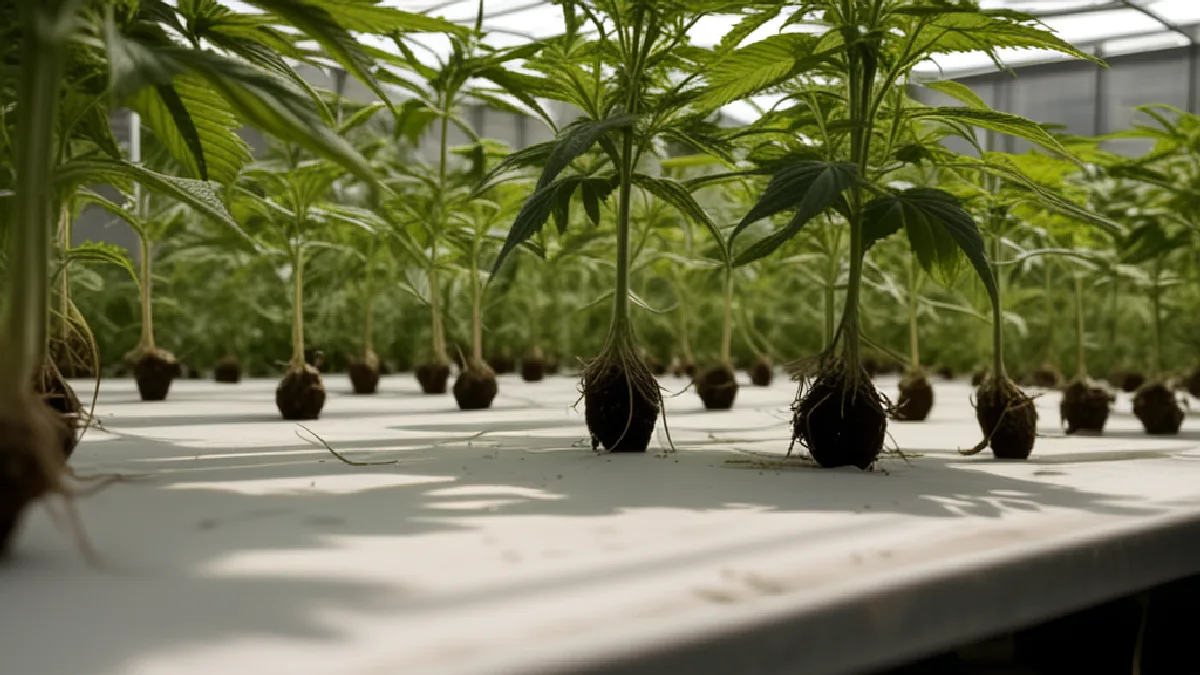
Currently, recreational adult-use of cannabis remains officially prohibited in Nepal. Nevertheless, the recent Supreme Court directive is concentrated on establishing frameworks for medical, scientific, and industrial cannabis cultivation. While the ruling does not extend to authorizing extensive adult-use commercial markets, analysts recognize that creating a robust legal supply chain for medical and scientific purposes is often a vital precursor to broader legalization models seen globally.
The court's command requires state ministries to devise comprehensive rules covering cultivation, harvesting, and processing. Nepal's legacy of traditional cannabis use has been marred by decades of prohibitionist policies, necessitating a careful overhaul of existing regulations to integrate modern tracking, licensing, and quality control systems. Legal experts monitoring the situation in Kathmandu note that while the court stopped short of granting an immediate green light for public retail storefronts, the structural foundation being demanded by the judiciary lays the groundwork for future legislative debates concerning personal adult consumption.
Furthermore, establishing secure and reliable supply chains for medical treatments and industrial hemp production inherently forces lawmakers to draft licensing criteria, security protocols, and agricultural guidelines. Once these administrative mechanisms are successfully integrated into the national bureaucracy, expanding access to encompass broader recreational demographics becomes an inherently less daunting legislative hurdle. As neighboring and global economies continue to reap the financial and social rewards of fully realized legal markets, pressure will inevitably mount on Nepali politicians to evaluate the broader socioeconomic benefits of complete legalization.
What This Means for Virginia, Maryland, and Washington DC Residents
Even though legislative shifts in the Himalayas won’t directly influence local regulations, the evolution of international cannabis policy offers valuable insights for consumers in the DMV region. Virginia cannabis enthusiasts, navigating complex gifting practices and evolving legislative discussions, can draw parallels to the stages of legal normalization that often initiate with medical and scientific allowances before transitioning to retail access—mirroring paths taken in Maryland and Washington DC.
At Bud Lords, we remain committed to monitoring how global trends affect local consumer demands, prioritizing access to safe products, rigorous testing, and reliable delivery. By understanding the overarching narrative of cannabis reform, whether exploring the intricacies of edible dosing, searching for premier pre-rolls, or delving into premium concentrates, our community is reminded of the remarkable journey toward mainstream acceptance. The trajectory from clandestine operations to heavily regulated, lab-tested medical and recreational marketplaces is a universal story, proving that societal attitudes toward the plant are shifting on every single continent.
For residents across the District of Columbia, Maryland, and Virginia, observing international milestones like Nepal's Supreme Court directive provides a wider lens through which to view our own regional legislative victories and hurdles. While DMV locals navigate unique legislative frameworks—ranging from Maryland’s established adult-use retail market to Virginia's legislative limbo and DC's distinct gray-market gifting culture—the underlying demand for high-grade products remains completely consistent. As global normalization accelerates, local consumers can take comfort in knowing they are part of an unstoppable worldwide movement toward safe, legal, and open access.
Timeline and Next Steps for Nepali Regulators
The Supreme Court has instituted a firm three-month deadline for the government to develop and enact the required cultivation and production guidelines. Regulatory bodies must adeptly balance traditional agricultural practices with contemporary pharmaceutical compliance standards to meet judicial expectations.
Date / Milestone | Action Required | Regulatory Focus |
|---|---|---|
November 2026 | Supreme Court Directive Issued | Mandate government framework creation |
Three-Month Window | Executive Compliance Deadline | Drafting medical and scientific cultivation rules |
Future Projection | Legislative Review | Potential expansion into broader adult-use markets |
Our insights: Bud Lords anticipates that while South Asian markets will proceed with caution amidst judicial interventions, the economic incentives of legalized agricultural production will likely drive lawmakers to consider broader commercial frameworks as stable medical supply chains are established. The enforcement of a rigid three-month turnaround means that executive ministries must act swiftly, bypassing the typical legislative gridlock that often stalls health and agriculture reforms for years.
During this intense drafting period, key stakeholders including agricultural experts, medical professionals, and civil administrators must collaborate to construct a bulletproof regulatory system. This system must account for every variable of the plant's lifecycle—from seed selection and soil composition to secure harvesting, laboratory potency testing, and safe distribution to medical facilities. If the Nepali government successfully meets the court's tight deadline, it will serve as a masterclass in bureaucratic execution for other developing nations seeking to untangle their own historical prohibitions.
How Does This Compare to Other International Legalization Efforts?
International cannabis legalization generally unfolds in distinct phases, transitioning from decriminalization to medical authorization, and ultimately reaching comprehensive adult-use commercialization. Nepal’s judicial approach reflects early medical reform strategies seen in various Western nations, where courts or executive bodies compelled legislative acknowledgment of medical needs leading to regulated supply networks.
In contrast to grassroots-driven ballot initiatives in American states, judicial mandates within centralized governments rely on bureaucratic compliance. This can significantly shorten the timeframe from court decision to active cultivation, although implementation frequently encounters administrative challenges. While countries in the West frequently utilize public referendums and lengthy legislative battles to achieve normalization, South Asian nations like Nepal are discovering that judicial activism can serve as a powerful catalyst for sweeping social and economic modernization.
Analyzing these diverse global pathways highlights the adaptability of legal cannabis reform. Whether driven by citizen-led ballot measures in the United States or supreme judicial decrees in the Himalayas, the ultimate destination remains the same: dismantling the failed policies of the past in favor of safe, transparent, and economically viable industries. As international markets open one by one, the global consensus grows ever stronger that prohibition is giving way to reasoned, science-based oversight.
Is recreational cannabis delivery legal in Nepal right now?
As of now, recreational cannabis delivery remains illegal in Nepal, with the recent court ruling strictly limiting regulatory developments to medical, scientific, and industrial purposes.
What agency is responsible for drafting the new cannabis rules?
The Nepali government ministries appointed by the Supreme Court are obligated to formulate the necessary regulatory framework within the specified three-month period.
Did the Supreme Court legalize adult-use consumption?
No, the Supreme Court did not legalize adult-use recreational consumption; it focused on establishing legal avenues for medical and scientific cultivation and production.
How does this ruling affect international cannabis trade?
This ruling does not directly impact international cannabis trade, remaining strictly a domestic policy change that affects Nepal's agricultural and healthcare sectors.
What role does tradition play in Nepal's cannabis policy?
Nepal has a rich cultural heritage of traditional cannabis cultivation, which advocates often reference when advocating for comprehensive legal reforms.
As global policies pivot toward sensible regulation and scientific acknowledgment, staying informed is crucial for consumer awareness of both local DMV options and the broader international landscape. Keep an eye on our blog for ongoing updates regarding international drug policy and local developments. The journey toward total normalization is unfolding on a global scale, and understanding these pivotal moments ensures our community remains ahead of the curve.
Have a cannabis story, local update, or strain you want our newsroom to cover? Request a story →
Written by International Cannabis AI
Bud Lords AI Cannabis News Writer
Global cannabis market expert covering international regulations, emerging markets, import/export dynamics, and worldwide industry trends. Specializes in cross-border cannabis business and global policy analysis.
Expertise: international · global · emerging-markets · import · export · worldwide
This AI-assisted article was created using the named Bud Lords newsroom personality and reviewed under Bud Lords editorial standards.


Comments