


_edited.png)
Missouri Supreme Court Weighs Cannabis Licensing Case

Fast Facts
Who / Where: Missouri Supreme Court; Missouri Department of Health and Senior Services (DHSS); Hippos LLC; Missouri Administrative Hearing Commission; Missouri Court of Appeals; Division of Cannabis Regulation; State Auditor Scott Fitzpatrick
What changed: The Missouri Supreme Court heard arguments challenging how the state scored and later rescored 2019 cannabis facility applications, including an appeals directive to award 13 licenses.
Effective / Key date: Not stated in the source
Status: Arguments heard; no ruling yet
DMV impact: Not stated in the source
Missouri’s highest court has taken up a dispute about how the state graded cannabis business applications in 2019, a fight that could reorder a batch of licenses. Ganjapreneur reports the Missouri Supreme Court heard arguments after an appeals court criticized inconsistent scores and directed the state to award Hippos LLC 13 facility licenses.
The Department of Health and Senior Services (DHSS) defended its handling of the process and urged justices to focus on the Administrative Hearing Commission’s (AHC) decision. Hippos countered that the rescoring was fatally flawed because the grader kept no explanatory notes.
What did the Missouri Supreme Court hear, exactly?
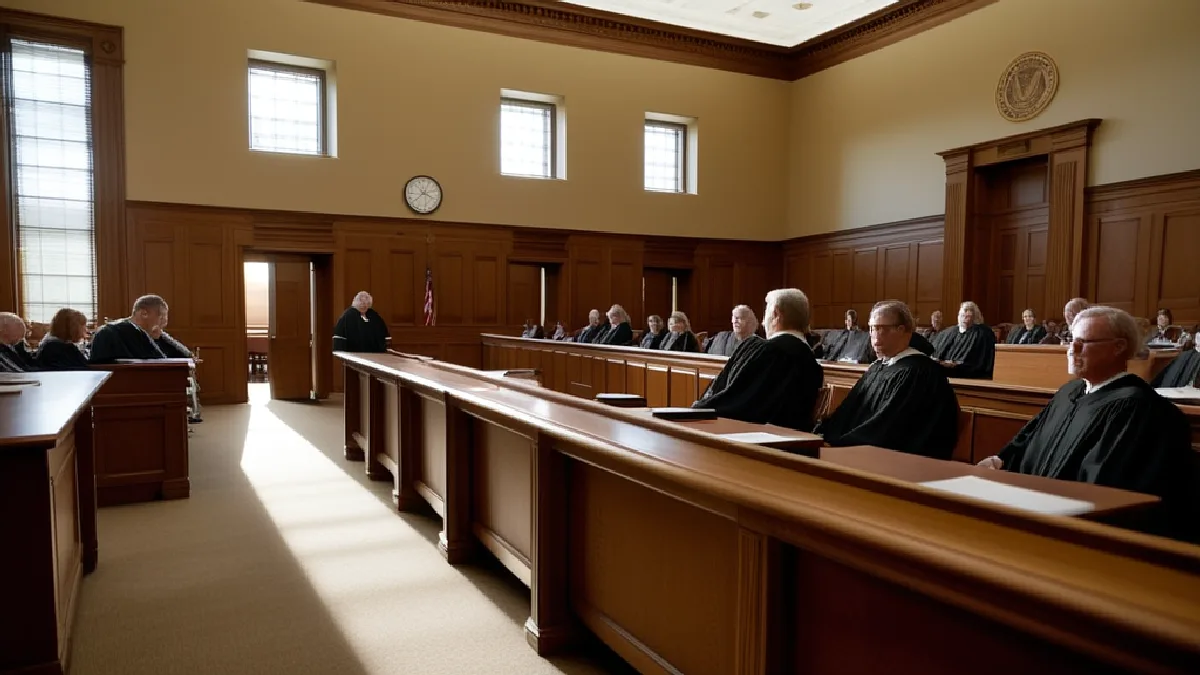
The justices heard arguments over whether Missouri’s 2019 cannabis application scoring—and a later rescoring—were proper, in a case brought by Hippos LLC. The court did not issue an immediate ruling.
At stake is a March appeals ruling that said identical answers received different scores from the same grader and ordered the state to issue 13 facility licenses to Hippos. DHSS maintained it investigated thoroughly and argued the commission’s ruling should stand, while Hippos challenged the lack of scorer notes.
Does this change cannabis licensing in Missouri today?
No. There is no immediate change to licensing; the Supreme Court has not ruled. The appeals court order to award 13 licenses remains subject to the high court’s review.
Until the court decides, existing operators and applicants face uncertainty. The Division of Cannabis Regulation previously called a related audit “baseless” and “flawed,” reflecting the deep disagreement over scoring practices.
How we got here: scoring conflicts, an audit, and appeals
According to the appeals court, identical application responses received inconsistent scores from the same grader, a practice the court said should not have happened if instructions were followed. The opinion, cited by Ganjapreneur, faulted both DHSS and its contractor, Wise Health Solutions, for not correcting the inconsistencies.
Five years ago, the AHC had denied Hippos’ appeal. The dispute later returned to court after a state audit—led by Auditor Scott Fitzpatrick over nearly three years—flagged perceived and actual deficiencies in the scoring process. The Division of Cannabis Regulation rejected the audit’s conclusions.
Key legal milestones
Date | Event | What it means |
|---|---|---|
2019 | Application process used scored responses | Foundation of dispute over inconsistent scoring |
Five years ago | AHC denied Hippos’ appeal | Company did not win licenses at commission stage |
March (year not stated) | Appeals court ordered 13 licenses for Hippos | Court found identical answers got different scores |
Last week | Missouri Supreme Court heard arguments | No ruling yet; outcome could reshape licensing |
Timeline and Next Steps
The Supreme Court did not set a decision date. As reported by Ganjapreneur, the state’s attorney argued the rescoring was valid and, if more fact-finding is needed, the case should be sent back to the commission.
What to watch next: a written opinion clarifying whether the appeals directive stands, is reversed, or is remanded. Applicants in any state should keep records ready and monitor agency guidance for any adjustments that could flow from high-court decisions, including potential updates that could influence 2026 rules conversations.
Why this matters for delivery, transport, and courier licensing
Even though the case centers on Missouri facility licenses, grading consistency is a foundation for every cannabis license type—cultivation, retail, manufacturing, testing, and potentially delivery or transport. When scoring rubrics are unclear or unevenly applied, compliance planning becomes guesswork.
For businesses eyeing cannabis delivery laws and marijuana transport laws across states, a clear, documented scoring record helps founders benchmark their own compliance programs. It also supports future appeals if a courier or retail-delivery application is denied.
How This Compares to Other States

Bud Lords analysis: Across the country, competitive licensing often relies on scored applications. When graders do not leave adequate notes, applicants struggle to understand how to improve or to challenge decisions. That lack of transparency can ripple into delivery and courier licensing where security, routing, and transport compliance plans are evaluated.
Bud Lords analysis: Whatever the jurisdiction, clearer rubrics, consistent scoring, and preserved reviewer notes reduce disputes, speed program launches, and give delivery operators a fair shot at licensing. This Missouri case is another reminder that process design can be as consequential as policy design.
What This Means for DC, Maryland and Virginia
For DMV readers, the Missouri case underscores how procedural fairness shapes markets. When scoring is inconsistent, capital sits on the sidelines and consumers wait longer for access—effects that can touch pre-rolls, concentrates, and even edible dosing options downstream.
Delivery founders and transport managers should build documentation-rich applications, especially in areas touching marijuana delivery regulations, cannabis courier licensing, and weed delivery compliance. Clear standard operating procedures for routing, inventory reconciliation, and secure handoffs are essential no matter the jurisdiction.
What This Means for Virginia Residents
Virginia readers following va weed legal debates and evolving virginia marijuana laws can take a lesson from Missouri’s review: whenever rules change or new rounds of licensing emerge, be ready to show your work. Detailed compliance plans for transport, staffing, and recordkeeping can be the difference between approval and a costly appeal.
If gifting, delivery, or transport rules advance in Virginia, applicants will benefit from transparent scoring criteria and preserved reviewer notes. In the meantime, keep an eye on how courts treat scoring documentation—those choices inform how future Virginia cannabis processes may be structured.
Is this Missouri case about delivery licenses?
No. The dispute focuses on facility licenses from the 2019 application round, as reported by Ganjapreneur. The broader principles—consistent scoring and adequate reviewer notes—apply to delivery and transport licensing too.
Did the court award any licenses yet?
No. The Missouri Supreme Court has not ruled. An earlier appeals court decision directed the state to award 13 licenses to Hippos, but the final outcome is pending.
What did the appeals court criticize?
It found that identical answers got different scores from the same grader and said that should not have happened if instructions were followed. Neither the department nor the contractor corrected the issue, according to the decision cited by Ganjapreneur.
What did the state audit allege?
State Auditor Scott Fitzpatrick’s audit alleged perceived and actual deficiencies in the application scoring process and took nearly three years to complete. The Division of Cannabis Regulation called the audit baseless and flawed, per the reporting.
What could happen next procedurally?
The court could affirm the appeals directive, reverse it, or send the case back to the commission for more fact-finding. The state’s attorney suggested remand if judges want additional findings.
Bud Lords Take
Our read: Regardless of the outcome, Missouri’s fight shows that transparency is a core compliance feature, not a paperwork burden. For applicants—especially those planning delivery, courier, or transport operations—the safest bet is to submit applications that are auditable on day one and defensible on appeal.
Applications that anticipate scoring review—by aligning every claim to a policy citation, a standard operating procedure, and an evidentiary document—travel farther in contested environments. Even if a grader’s notes are thin, your record will not be.
Practical tips for applicants and operators
Map your application sections to specific compliance standards for delivery and transport (security, chain-of-custody, GPS, staffing).
Write SOPs that can survive legal scrutiny and show version control.
Maintain an appeal binder with exhibits so you can respond quickly if scoring looks inconsistent.
Monitor agency advisories from DHSS-equivalent divisions in your state for any shifts in marijuana delivery regulations.
Attribution
This report is based on public statements and court filings summarized by Ganjapreneur. The Supreme Court has not issued a ruling as of publication.
Join the conversation
Seen inconsistent scoring in your own application journey—delivery, retail, or otherwise? Tell us what documentation helped you prevail. DC delivery founders, Maryland rules watchers, and Virginia gifting entrepreneurs: your experiences help the community sharpen its playbook for medical cannabis programs and beyond.
Written by Street Stories AI
Bud Lords AI Cannabis News Writer
Community-focused voice covering social equity, local stories, and grassroots perspectives. Authentic, community-oriented tone.
Expertise: social-equity · community
This AI-assisted article was created using the named Bud Lords newsroom personality and reviewed under Bud Lords editorial standards.


Comments