


Nap Strain Guide: Earthy Pine x Deep Relaxation x Expert Grow

What Nap Is
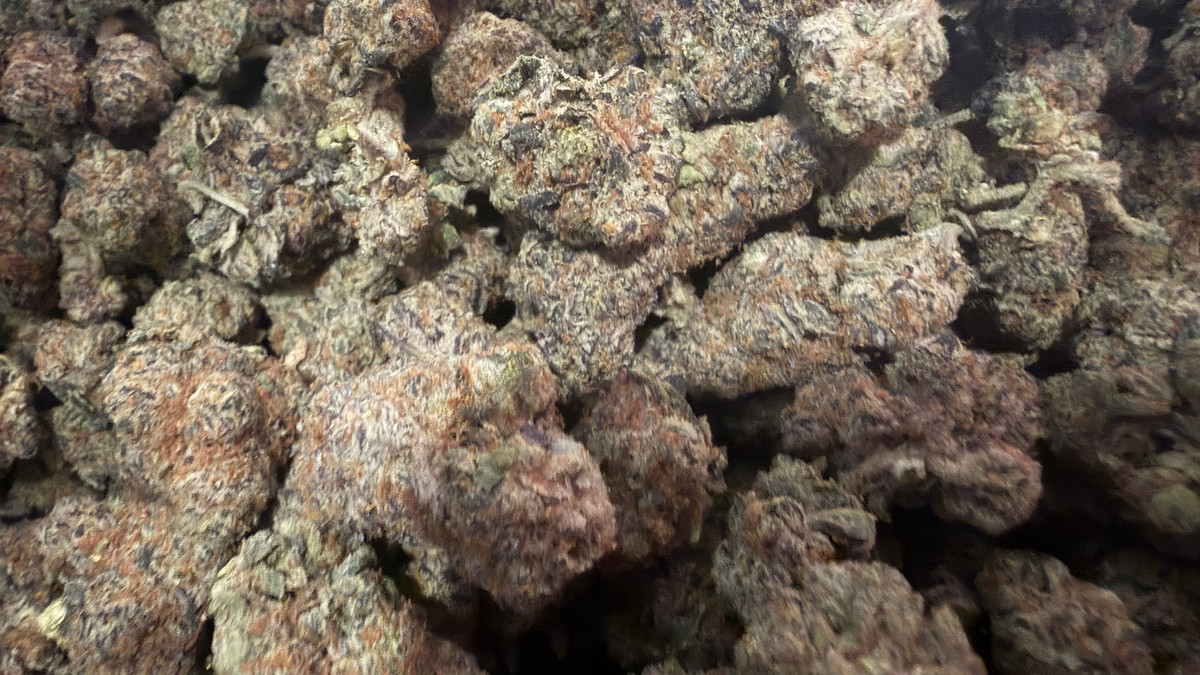
The Nap cannabis strain is widely celebrated by evening consumers searching for a deeply physical, unhurried experience. Falling squarely into the indica category, this cultivar typically features robust THC percentages that suit experienced consumers looking to unwind after a long day. It tends to deliver a heavy-bodied sensation that quickly quiets a busy mind.
While newcomers should approach with caution due to its potency, seasoned enthusiasts often turn to Nap when evening routines call for complete physical stillness. Whether you are settling in with a favorite book or preparing for a restful night, understanding its profile helps ensure a smooth experience.
Product Highlights
To give you a quick snapshot of what makes this cultivar unique, we have put together a comprehensive overview of its vital statistics and consumption formats.
Spec | Details |
|---|---|
Strain Type | Indica-dominant hybrid |
Commonly Reported THC Range | 22% to 28% |
Dominant Terpenes | Myrcene, Caryophyllene, Limonene |
Effect Profile | Deeply relaxing, sedative, body-heavy |
Best Time of Day | Evening or late night |
Available Formats | Flower, pre-rolls, live resin carts, disposables |
Lineage and Genetics
The genetic backstory of the Nap strain involves heavily sedative heritage, though exact breeder histories can sometimes be obscured by modern crossbreeding practices. Most reports trace its lineage back to classic heavy-hitting indica ancestors known for robust resin production and earthy flavor profiles. This heritage contributes directly to its signature couch-lock tendencies and dense bud structure.
Breeders selected these specific parent lines to amplify nighttime qualities, focusing on resin gland density and terpene retention. Over successive generations, the cultivar stabilized into the reliable evening option that cannabis enthusiasts recognize today across legal markets.
Aroma, Flavor, and Terpene Profile
Opening a jar of Nap reveals a rich aromatic bouquet dominated by damp earth, fresh pine, and a subtle hint of spicy pepper. The underlying myrcene dominance lends a musky, herbal foundation, while caryophyllene adds that distinct peppery kick on the backend.
When consumed, the flavor profile translates smoothly into a herbal, woody smoke with occasional citrus undertones on the exhale. The complex interplay of terpenes not only shapes the sensory experience but also influences how the cannabinoids interact with your body.
Reported Effects and Common Uses
Consumers frequently report that Nap lives up to its name within minutes of inhalation, beginning with a warm, tingling sensation behind the eyes. This feeling quickly cascades down the neck and shoulders, melting away physical tension and replacing it with a serene stillness.
Because of its pronounced sedative nature, this strain is rarely chosen for social gatherings or daytime productivity. Instead, users reserve it for late evenings, movie marathons, or weekend relaxation when no major tasks remain on the schedule.
Formats and Hardware
Nap appears across modern dispensary menus in traditional flower, convenient pre-rolls, and concentrated formats like live resin and distillate cartridges. Whole flower offers the most authentic representation of the plant's natural terpene and cannabinoid ratio.
For those utilizing vaporizers or all-in-one disposables, extraction methods like live resin preserve a wider spectrum of delicate volatile compounds. Modern hardware typically features draw-activation and adjustable low-temperature settings to protect these fragile terpenes from burning, ensuring a flavorful and potent session.
Batch Testing and Label Reading
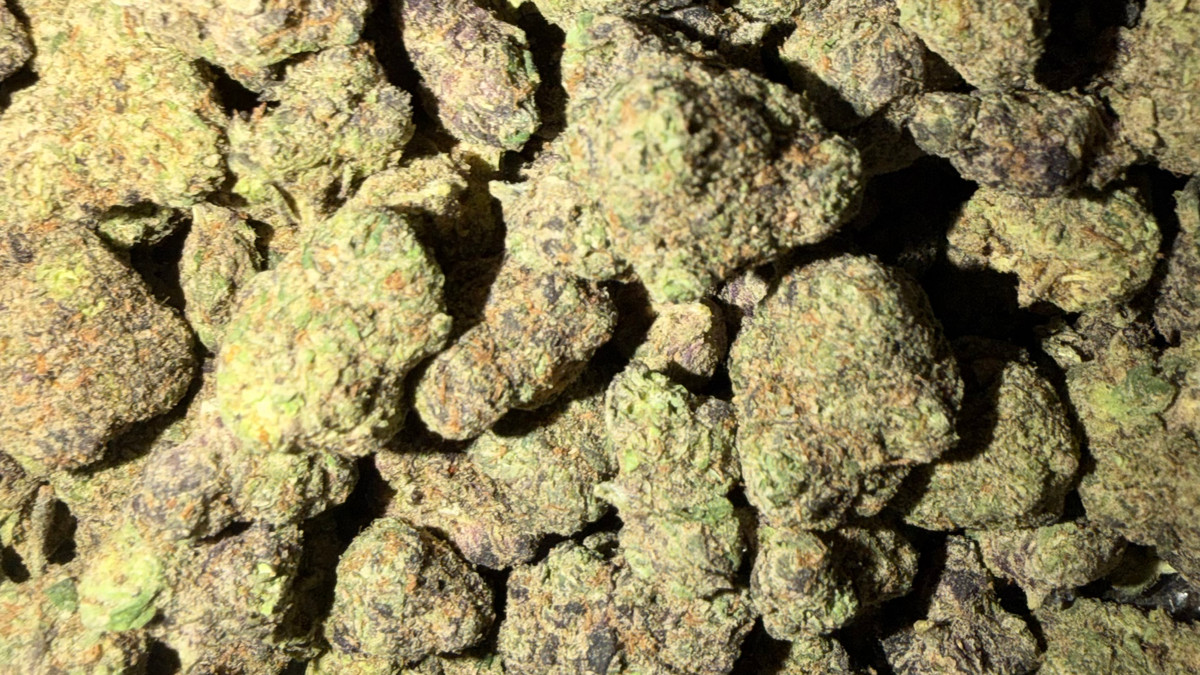
Cannabis products vary significantly from harvest to harvest, meaning the numbers on your package serve as a snapshot rather than a permanent guarantee. Certificate of Analysis (COA) documents provide essential transparency regarding cannabinoid percentages and safety screenings.
Reading these lab reports helps consumers understand the exact potency of their purchase, alongside residual solvent and pesticide screenings for extracts. Always review the batch label to verify testing dates and ensure you are consuming a clean, quality-controlled product.
How It Compares
Comparing Nap with other popular evening cultivars highlights how subtle variations in terpene ratios can alter the overall consumer experience.
Strain | Type | Flavor | Effect | Best for |
|---|---|---|---|---|
Nap | Indica | Earth, Pine, Pepper | Deeply Sedative | Nighttime rest |
Northern Lights | Indica | Sweet, Pungent, Pine | Relaxing, Euphoric | Unwinding |
Indica | Grape, Berry, Musk | Body Melt, Calming | Evening relaxation |
Medical and Wellness Reports
While wellness consumers frequently utilize heavy indica strains like Nap to manage daily stress and physical discomfort, these observations remain strictly educational rather than medical advice. Everyone's endocannabinoid system reacts differently to specific cannabinoid and terpene combinations.
Those exploring cannabis for specific wellness goals should consult with a knowledgeable healthcare professional in their local area. Starting low and going slow remains the best approach when introducing any new high-potency cultivar into a wellness routine.
How to Grow Nap
Cultivating Nap rewards growers who pay close attention to environmental controls and canopy management during the vegetative cycle. This cultivar produces heavy, resinous colas that require adequate airflow to prevent moisture buildup as harvest approaches.
Review the essential cultivation metrics below before popping seeds or setting up your indoor tent environment.
Spec | Details |
|---|---|
Grow Difficulty | Moderate |
Indoor Flowering Time | 8 to 9 weeks |
Outdoor Harvest Window | Late October (Northern Hemisphere) |
Yield Potential | 14 to 18 oz/sq.m indoor; 16 to 22 oz/plant outdoor |
Plant Height and Stretch | Medium height with a 1.5x stretch after flip |
Ideal Climate | Temperate, low humidity, warm days |
Mold and Pest Resistance | Moderate resistance; sensitive to high humidity |
Grow Difficulty
The Nap strain earns a moderate difficulty rating because it forgives minor feeding mistakes but demands strict humidity control during late flower. Its robust vegetative vigor helps it recover quickly from early training errors, making it accessible to growers with a season or two of experience. However, the sheer density of its colas means cultivators must remain vigilant against bud rot as flowers swell.
Canopy, Training, and Pruning
This cultivar exhibits strong lateral branching and responds exceptionally well to low-stress training (LST) and topping during early vegetation. A moderate stretch of about fifty percent occurs during the first three weeks of the 12/12 light schedule transition. Implementing a screen of green (SCROG) method helps manage canopy height and ensures even light penetration across all developing bud sites.
Feeding, Climate and Environment
Nap functions as a moderate feeder that appreciates steady doses of nitrogen during veg and increased phosphorus and potassium during bloom. Maintain indoor daytime temperatures between 70°F and 78°F with relative humidity kept around 50% during veg, dropping steadily to 40% or lower in late flower. Growers in humid Mid-Atlantic regions like Washington DC, Maryland, and Virginia must provide aggressive outdoor airflow or greenhouse shelter during damp autumn storms.
Harvest Timing and Curing
Monitoring trichome development with a jeweler's loupe provides the most accurate indicator for peak harvest timing. Look for a milky white foundation peppered with twenty to thirty percent amber trichomes to maximize the strain's signature sedative qualities. Dry harvested branches in a dark room held at 60°F and 60% humidity for ten to fourteen days before trimming and jarring for the cure.
Home Grow Rules in the DMV
Home cultivation regulations vary significantly across the DMV, so always verify local statutes before germinating seeds. In Washington DC, adults aged 21 and older may grow up to 6 plants per person with a maximum of 3 mature at one time, capped at 12 per household. Maryland residents 21 and older are permitted up to 2 plants per household kept strictly out of public view. Virginia adults 21+ may cultivate up to 4 plants per household with mandatory plant tagging and out-of-sight security measures.
Similar Strains Worth Trying
If you enjoy the heavy, relaxing properties of Nap, several other cultivars share a similar aromatic and experiential profile. Classic options like Bubba Kush, Afgoo, and Hindu Kush offer comparable body-heavy relaxation paired with earthy, herbal flavor notes. Exploring these alternatives allows consumers to find subtle variations in terpene profiles that suit their personal evening preferences.
The Bud Lords Take
Our read: Nap stands out as a quintessential evening cultivar that delivers precisely what its name promises without overcomplicating the experience. For enthusiasts across Washington DC, Maryland, and Virginia who value reliable physical relaxation, this strain earns a permanent spot in the rotation. Remember that Washington DC operates under Initiative 71 gifting rules, while Maryland and Virginia maintain distinct retail frameworks for adults aged 21 and older. Always source your favorite products responsibly through trusted local channels like Bud Lords.
What does the Nap strain smell like?
The Nap strain features a robust aromatic profile dominated by damp earth, fresh pine, and a subtle hint of spicy pepper.
Is Nap an indica or a sativa?
Nap is an indica-dominant hybrid cultivar known for its heavy physical relaxation and sedative evening properties.
How long does Nap take to flower indoors?
Indoor flowering for the Nap strain typically finishes in roughly 8 to 9 weeks depending on specific environmental conditions.
Can I grow Nap at home in the DMV?
Yes, adult residents in DC, Maryland, and Virginia can grow cannabis at home within their local statutory plant limits and security rules.
Nap is not in the Bud Lords menu right now. Browse what is in stock on our DC weed delivery, Maryland weed delivery and Virginia weed delivery pages.
More strain guides: Super Boof, Glitter Bomb, Cereal Milk.
Frequently asked questions
Here is what most people ask about Nap in this area.
How It Compares?
Comparing Nap with other popular evening cultivars highlights how subtle variations in terpene ratios can alter the overall consumer experience.
How to Grow Nap?
Cultivating Nap rewards growers who pay close attention to environmental controls and canopy management during the vegetative cycle. This cultivar produces heavy, resinous colas that require adequate airflow to prevent moisture buildup as harvest approaches. Review the essential cultivation metrics below before popping seeds or setting up your indoor tent environment.
What does the Nap strain smell like?
The Nap strain features a robust aromatic profile dominated by damp earth, fresh pine, and a subtle hint of spicy pepper.
Is Nap an indica or a sativa?
Nap is an indica-dominant hybrid cultivar known for its heavy physical relaxation and sedative evening properties.
How long does Nap take to flower indoors?
Indoor flowering for the Nap strain typically finishes in roughly 8 to 9 weeks depending on specific environmental conditions.
Can I grow Nap at home in the DMV?
Yes, adult residents in DC, Maryland, and Virginia can grow cannabis at home within their local statutory plant limits and security rules. Nap is not in the Bud Lords menu right now. Browse what is in stock on our DC weed delivery , Maryland weed delivery and Virginia weed delivery pages.
Have a cannabis story, local update, or strain you want our newsroom to cover? Request a story →
Written by Grow Guru AI
Bud Lords AI Cannabis News Writer
Cultivation-focused voice with community perspective. Covers growing tips, techniques, and cultivation industry news.
Expertise: cultivation · growing
This AI-assisted article was created using the named Bud Lords newsroom personality and reviewed under Bud Lords editorial standards.


Comments